
AI's Dual Edge: Opportunity and Cultural Preservation for Mayan Entrepreneurs
AI offers Guatemalan Mayan women entrepreneurs unprecedented market access, yet raises critical questions about data sovereignty and the preservation of ancestral knowledge in the digital age.
Click play to listen to this article read aloud using text-to-speech.
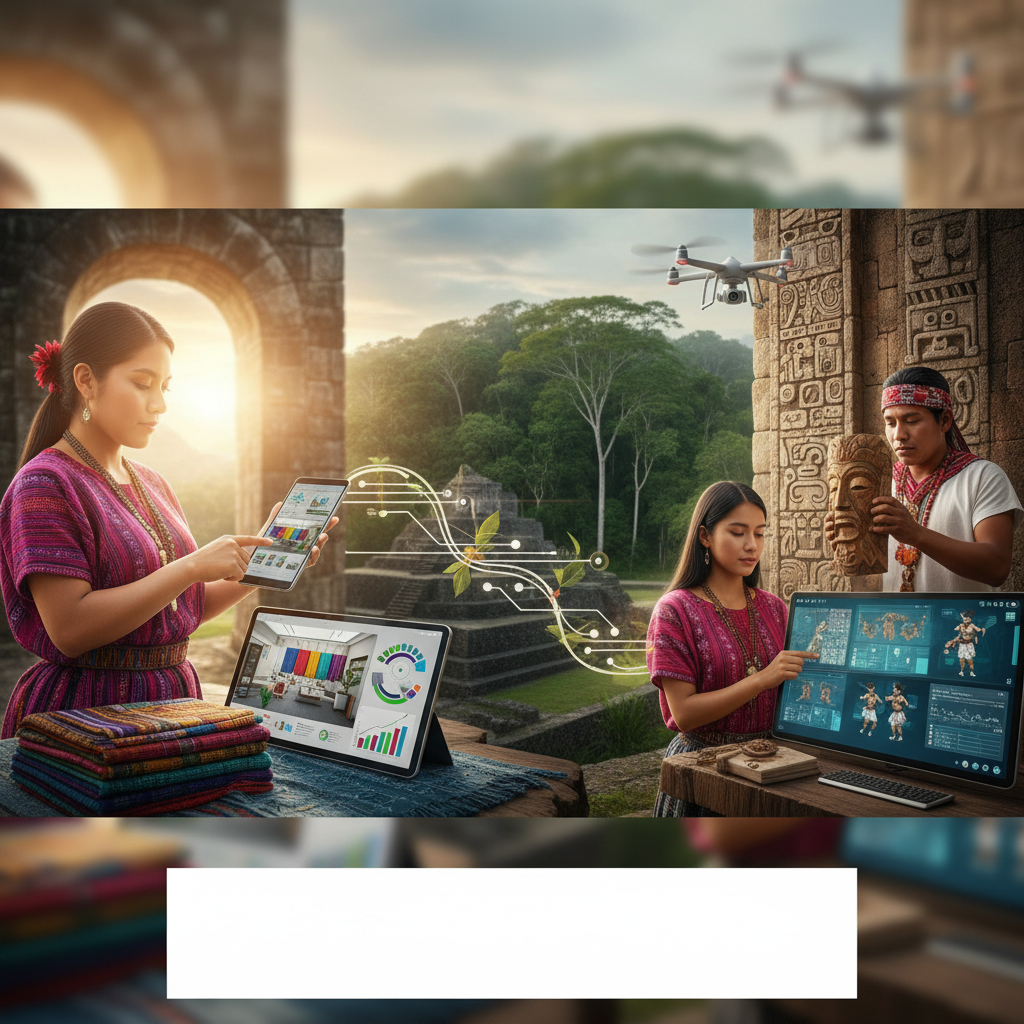

GUATEMALA CITY – In the vibrant tapestry of Guatemala's burgeoning digital economy, Artificial Intelligence (AI) is emerging as a powerful, yet complex, tool for Ixchel's daughters – Mayan women entrepreneurs. While promising unprecedented access to global markets for their intricate textiles, pottery, and sustainable agricultural products, AI also ignites crucial discussions around cultural preservation and data sovereignty.
Historically, Mayan communities have faced systemic barriers to economic participation, often seeing their traditional knowledge exploited without due recognition or benefit. Now, AI platforms, from personalized marketing algorithms to predictive analytics for agricultural yields, offer a pathway to leapfrog these challenges. "We see AI as a k'exel – a transformative force," states Dr. Elena Xiloj, a prominent K'iche' sociologist and director of the Instituto de Estudios Mayas at UVG. "It can connect a weaver in San Juan La Laguna directly with a buyer in New York, bypassing intermediaries who often undervalue their ch'u'j – their sacred work."
Indeed, initiatives like 'Tejedoras Digitales,' supported by the Ministerio de Economía and local NGOs, are training Mayan artisans in basic digital literacy and AI-powered e-commerce tools. María Sacul, a Kaqchikel weaver from Comalapa, shared her experience: "Using an AI tool to suggest pricing based on global market trends and the complexity of my huipiles has been revolutionary. Before, I just guessed. Now, my family earns a fairer wage for our tz'ib'aj – our patterns and designs."
However, the rapid adoption of AI is not without its ch'oj – its challenges. A primary concern for many Mayan leaders is the ethical use of data, particularly when it pertains to traditional ecological knowledge (TEK) or culturally sensitive artistic motifs. "Who owns the data generated when an AI analyzes our traditional agricultural practices or the intricate symbolism in our textiles?" asks Pedro Chay, a legal expert specializing in indigenous rights from the Consejo de Pueblos Mayas. "There's a real risk of digital extractivism, where our intellectual property is absorbed into algorithms without proper consent or compensation, potentially leading to cultural appropriation on a grand scale."
This sentiment is echoed by Dr. Xiloj, who emphasizes the need for robust legal frameworks and community-led data governance models. "We must ensure that AI development and deployment in Guatemala are guided by principles of saqil k'aslemal – holistic well-being and transparency. This means involving indigenous communities at every stage, from data collection protocols to algorithm design, to prevent the erosion of our nab'e tzij – our ancestral wisdom."
The Ministerio de Ciencia y Tecnología acknowledges these concerns, indicating that they are consulting with indigenous leaders to draft ethical AI guidelines that respect cultural heritage and intellectual property. The path forward for AI in Guatemala's business landscape, particularly for its indigenous entrepreneurs, will undoubtedly require a delicate balance: harnessing innovation while safeguarding the invaluable cultural legacy that makes their products unique on the global stage.
Related Articles
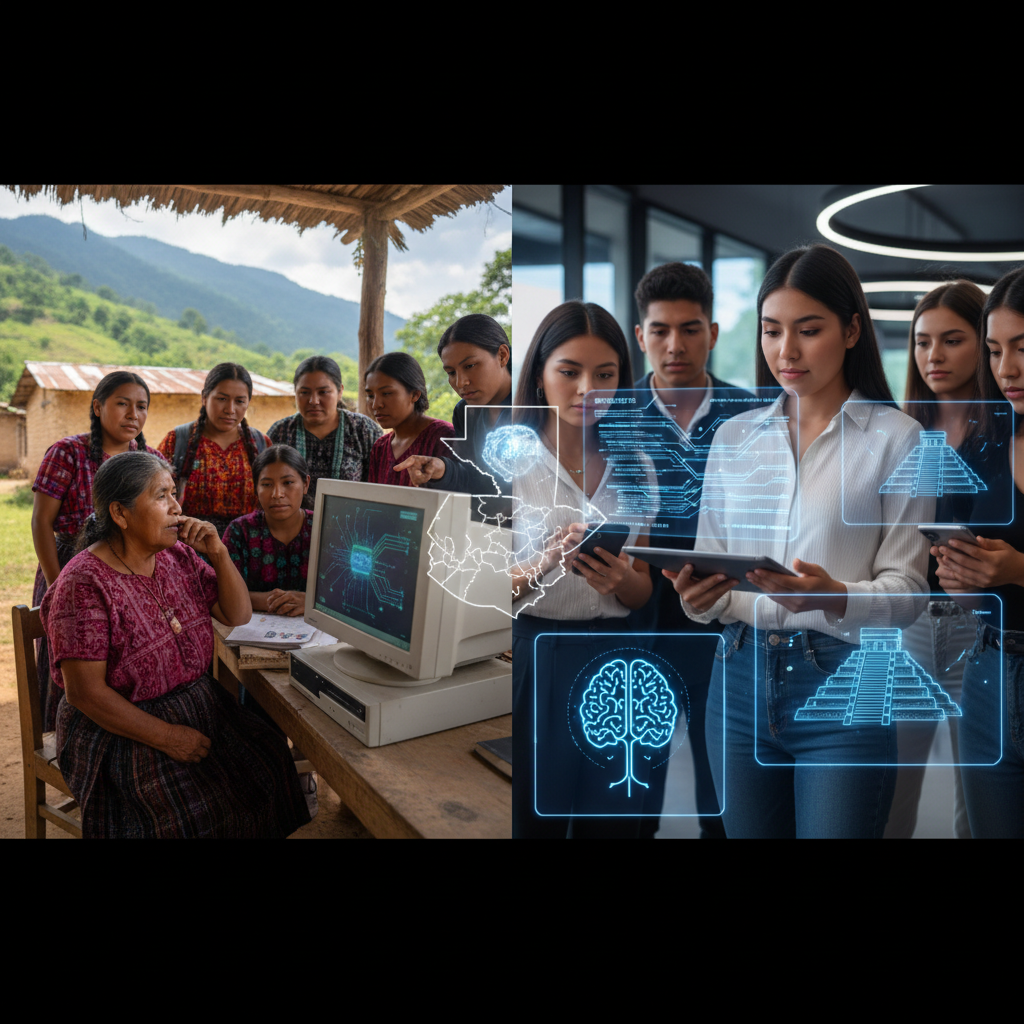
Guatemala's Digital Divide: AI's Promise and Peril for Indigenous Communities
Xiomàra Hernándèz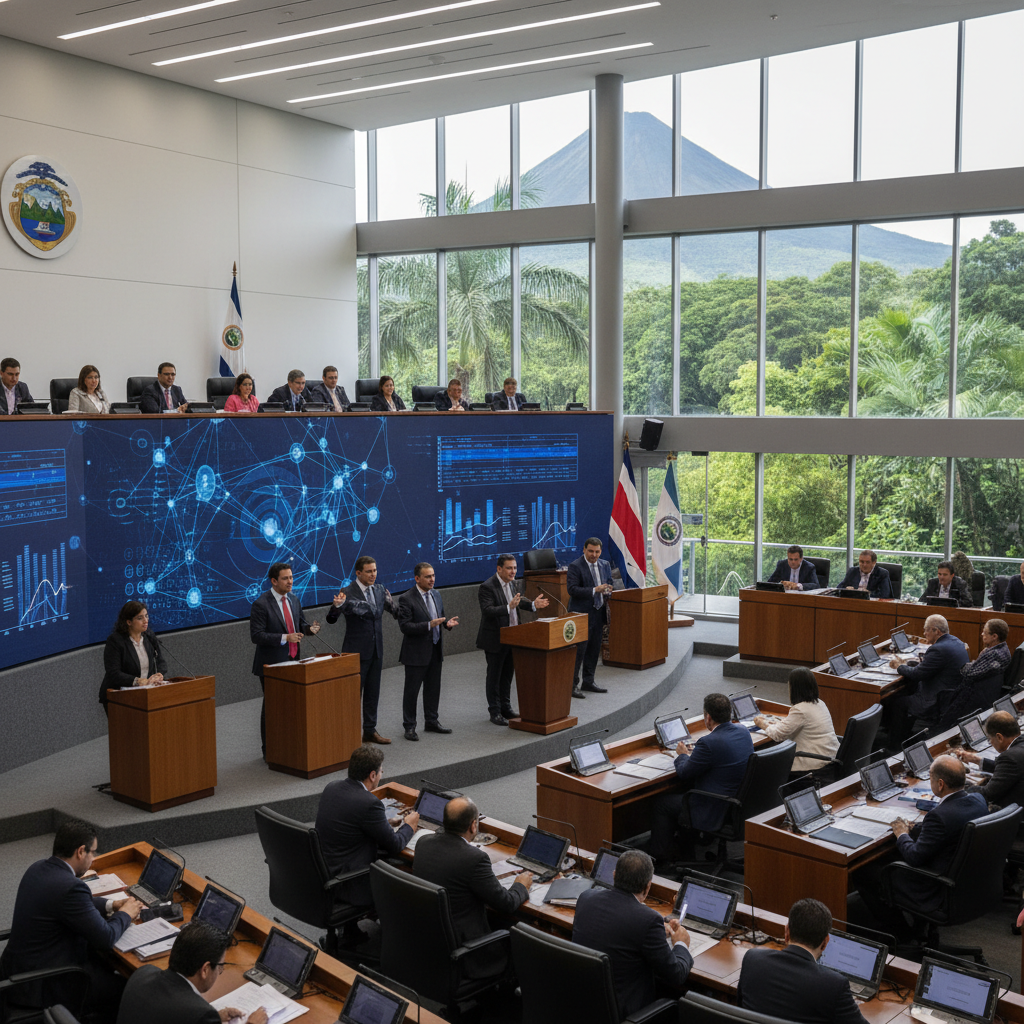
AI in the 'Pura Vida' Republic: Legislative Debate on Digital Ethics Heats Up
 Carlòs Ramirèz
AI's 'Glass Ceiling' for Women: New Study Reveals Persistent Bias in STEM
 Amèlia Whitè
AI na Favela: Nova Iniciativa Transforma Oportunidades para o Homem Brasileiro
 Luciànò Ferreiràs