
AI's Cultural Crossroads: Preserving Tamil Heritage in the Digital Age
As AI rapidly transforms Asia, Sri Lanka's Tamil community grapples with leveraging this technology to preserve its rich cultural heritage while navigating potential pitfalls. Experts discuss the delicate balance between innovation and tradition.
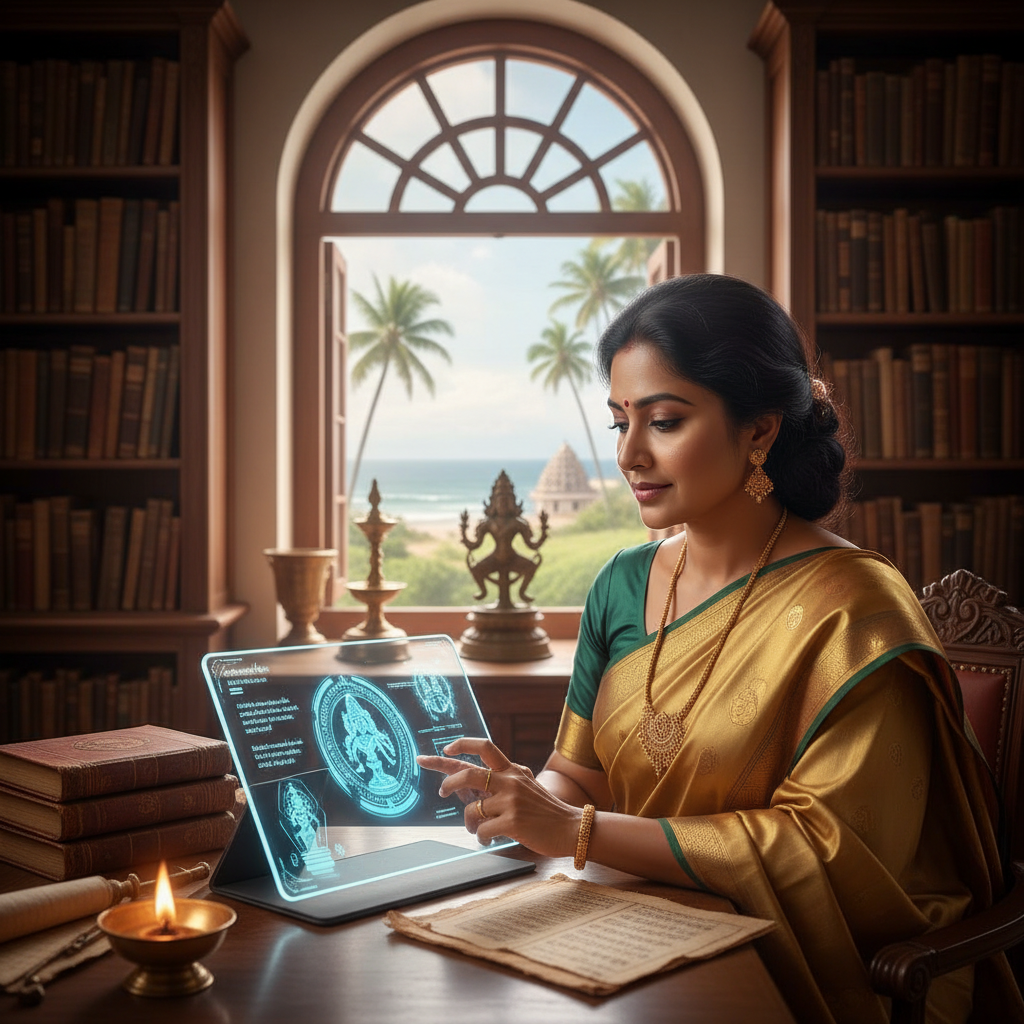
COLOMBO, Sri Lanka – April 22, 2026 – The relentless march of Artificial Intelligence across Asia presents both unprecedented opportunities and profound challenges for communities striving to maintain their unique cultural identities. In Sri Lanka, particularly within the Tamil-speaking regions of the North and East, the conversation around AI is increasingly shifting from mere technological adoption to its pivotal role in cultural preservation.
For centuries, the vibrant tapestry of Tamil heritage – from the intricate Nāṭya dance forms and classical Carnatic music to the ancient Sangam literature and traditional Siddha medicine – has been passed down through generations. However, the digital age, coupled with the diaspora's global spread, has introduced new complexities. Now, AI offers a potential lifeline, but also raises questions about authenticity and ownership.
“We are at a crucial juncture,” states Dr. K. Thamilchelvan, a prominent linguist and cultural anthropologist from the University of Jaffna. “AI tools, especially in natural language processing, offer incredible potential for digitizing and making accessible our vast literary archives, some of which are still on fragile palm-leaf manuscripts (ōlai cuvaṭi). Imagine an AI that can accurately transcribe, translate, and even analyze ancient Tamil texts, making them available to a global audience and younger generations who may not be fluent in classical Tamil.”
Indeed, several initiatives are quietly underway. The 'Project Sangam AI,' a grassroots effort supported by the Jaffna Public Library and local tech enthusiasts, is experimenting with AI-powered optical character recognition (OCR) to digitize rare books and documents. Their goal is to create a comprehensive digital repository, a Puththaga Kalanjiyam, that safeguards these invaluable resources from decay and loss.
However, the enthusiasm is tempered with caution. Concerns revolve around the potential for AI algorithms, often trained on Western-centric datasets, to misinterpret or dilute cultural nuances. “The very essence of our paṇpāṭu (culture) lies in its subtle expressions, its oral traditions, and its spiritual underpinnings,” explains Ms. Anjali Devi, a veteran Bharatanatyam exponent from Batticaloa. “Can an AI truly capture the bhava (emotion) and rasa (aesthetic flavor) of a performance, or the philosophical depth of a Tirukkural couplet? There's a fear that over-reliance on AI might lead to a standardized, perhaps even sanitized, version of our heritage.”
The Sri Lankan Ministry of Cultural Affairs, in collaboration with the Information and Communication Technology Agency (ICTA), has acknowledged these concerns. “Our approach must be one of careful stewardship,” remarked Mr. Rohan Perera, a senior official at ICTA. “We are exploring ethical AI frameworks that prioritize local expertise and community involvement in the development of these tools. The aim is not to replace human custodians of culture, but to empower them with advanced technology.”
The path forward, as many see it, involves a collaborative effort between technologists, cultural custodians, linguists, and community leaders. By harnessing AI responsibly, Sri Lanka's Tamil community hopes to not only preserve its rich heritage but also to present it to the world in new, engaging ways, ensuring its vibrancy for generations to come, while steadfastly guarding its authentic tamilakam spirit.
Related Articles
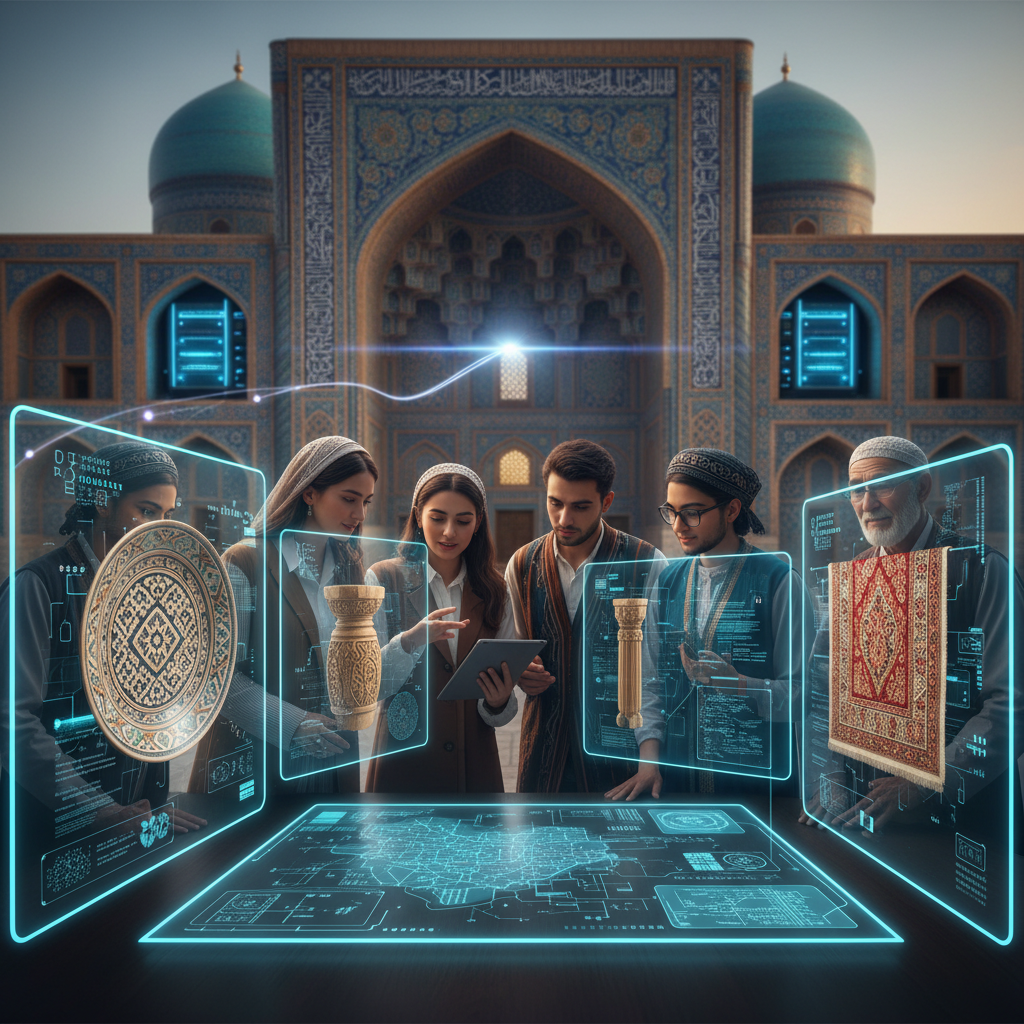
AI's Silk Road: Preserving Uzbek Cultural Heritage Through Digital Innovation
 Bintà Yusupovà
AI's Economic Dawn: Malaysian Women Entrepreneurs Embrace Digital Transformation
 Siti Nurhalizah Rahimàn
Pakistani Women Entrepreneurs Embrace AI for Business Growth, Bridging Digital Divide
 Khalidà Sultàn
Tajikistan Navigates AI's Geopolitical Currents Amidst Regional Digital Push
 Ismaìlè Rahimovì