
AI's Brushstrokes: Revitalizing Traditional Chinese Arts for a New Generation
AI is breathing new life into traditional Chinese arts, from Suzhou embroidery to Kunqu opera, making ancient cultural forms accessible and engaging for younger audiences while preserving their essence.
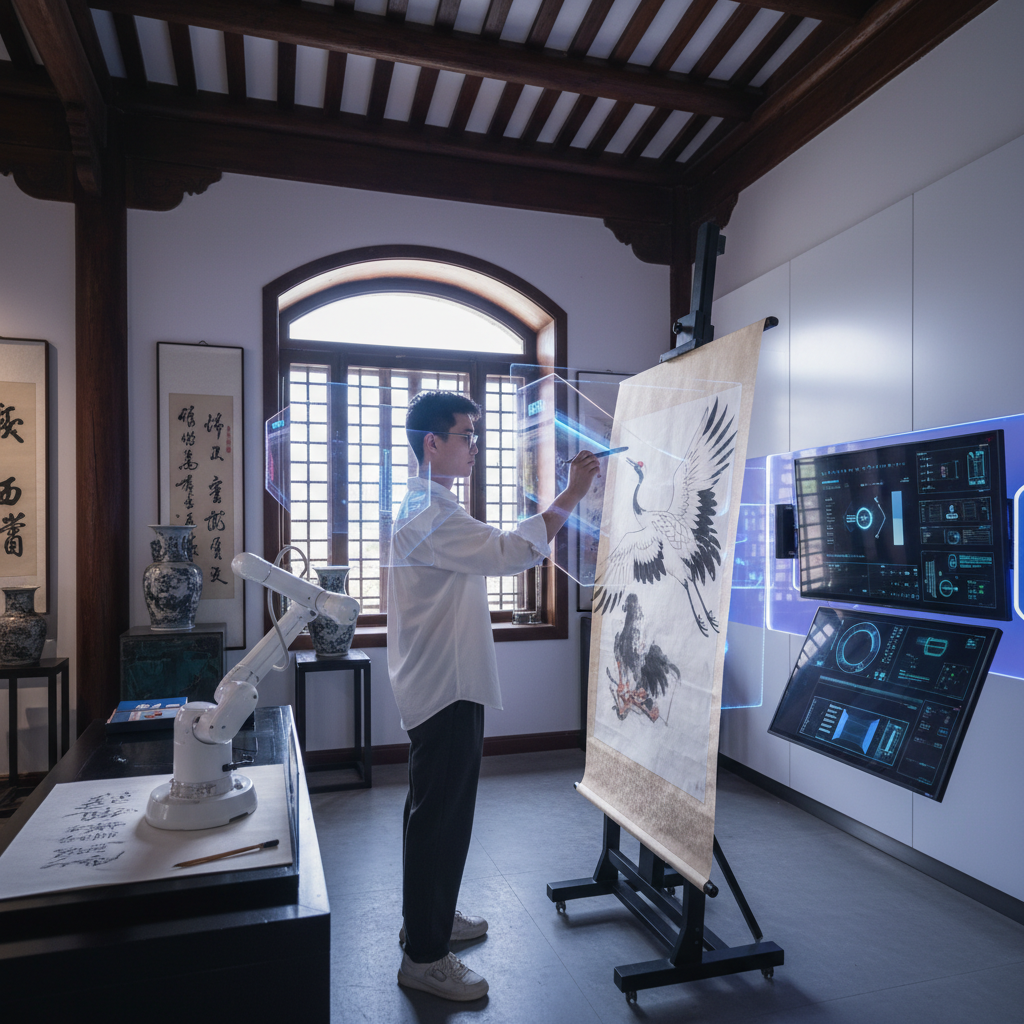

HANGZHOU, ZHEJIANG PROVINCE – In a nation where ancient traditions often grapple with the pace of modern life, artificial intelligence is emerging as an unexpected ally, particularly in the cultural sphere. From the intricate silk threads of Suzhou embroidery to the haunting melodies of Kunqu opera, AI is not just digitizing heritage; it's actively participating in its revitalization, ensuring that the wisdom and beauty of our ancestors resonate with a new generation.
My recent visit to the Zhejiang University's Institute of Digital Humanities offered a fascinating glimpse into this synergy. Professor Li Wei, a leading expert in cultural heritage computing, shared insights into their 'Silk Road AI' project. "Our goal isn't to replace human artistry, but to augment it," Professor Li explained, her voice echoing with the passion of a scholar deeply connected to her roots. "For instance, AI algorithms are now analyzing historical embroidery patterns, identifying unique regional styles, and even generating new, yet authentically rooted, designs that can inspire contemporary artisans. This is particularly empowering for young women entering these traditional crafts, providing them with innovative tools to express their creativity while honoring millennia-old techniques."
This sentiment is echoed by Ms. Chen Yu, a master embroiderer from Suzhou, whose family has practiced the craft for seven generations. "When I was young, finding new patterns was a painstaking process, often involving poring over ancient scrolls," Ms. Chen recounted during a recent online forum. "Now, with AI-powered design assistants, my apprentices can explore thousands of variations in minutes, allowing them to focus more on the delicate needlework itself. It's like having a digital library and a creative partner all in one."
The impact extends beyond visual arts. In the realm of performing arts, institutions like the National Centre for the Performing Arts in Beijing are experimenting with AI to analyze vocal nuances in Kunqu opera, helping young performers master the subtle inflections and emotional depth required for this UNESCO-recognized intangible cultural heritage. Furthermore, AI-driven interactive exhibits are transforming museums, offering personalized narratives that connect visitors, especially younger ones, more deeply with artifacts and historical contexts.
Yet, this technological embrace is not without its thoughtful considerations. Dr. Wang Jing, a cultural anthropologist from Peking University, cautions, "While AI offers incredible potential for preservation and dissemination, we must ensure that the 'soul' of these traditions remains intact. The human element – the artisan's touch, the performer's emotion, the storyteller's voice – must always be at the core. AI should be a tool for empowerment, not a substitute for authentic cultural transmission." Her words underscore a crucial balance: leveraging technology to amplify, not dilute, the profound human artistry that defines Chinese cultural heritage.
As China continues its journey into the digital age, the integration of AI into cultural preservation and innovation stands as a testament to our nation's commitment to both progress and tradition. It's a harmonious blend, ensuring that the rich tapestry of Chinese culture continues to be woven, stitch by digital stitch, for generations to come.
Related Articles

AI 'Guru' for Indian Kabaddi: Punjab's Tech Prowess Meets Ancient Sport
 Arjùn Sharmà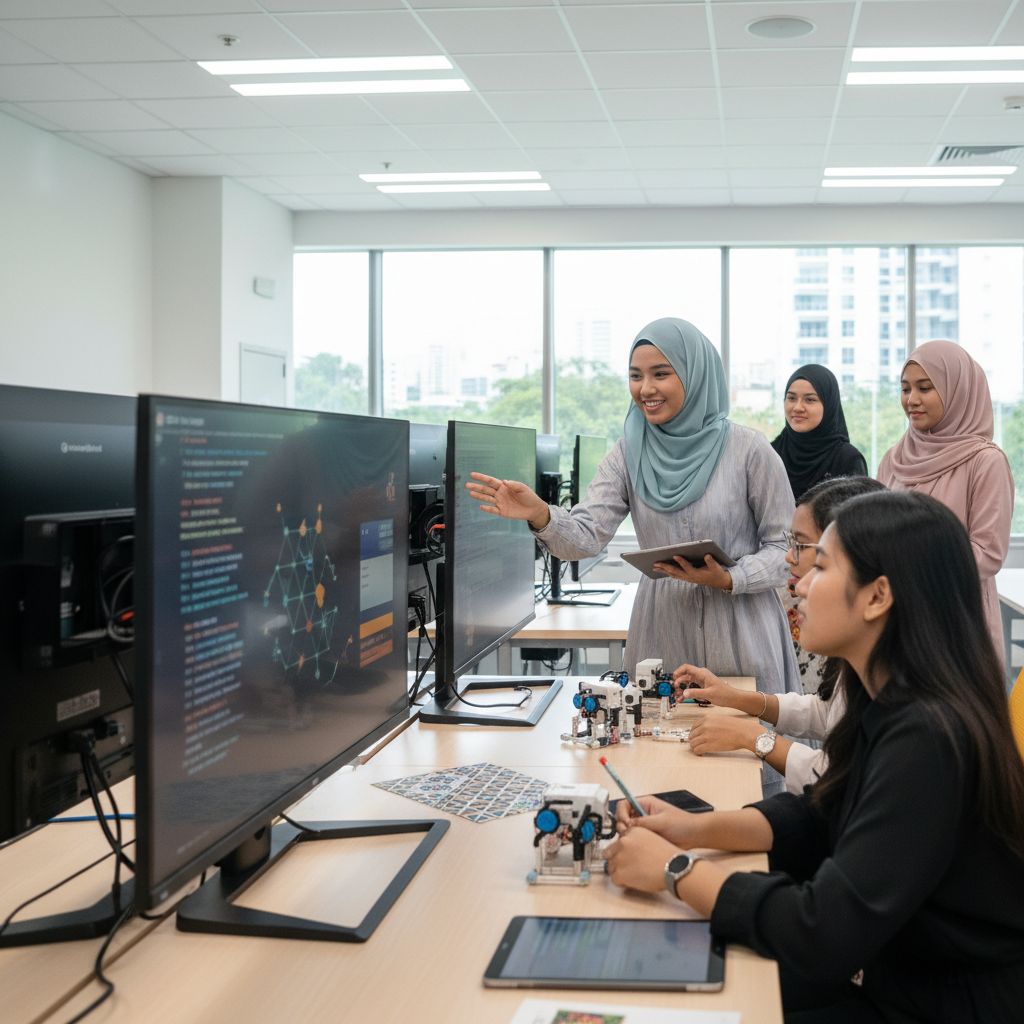
Empowering Future Generations: AI Literacy for Malay Women in Education
 Siti Nurhalizah Rahimàn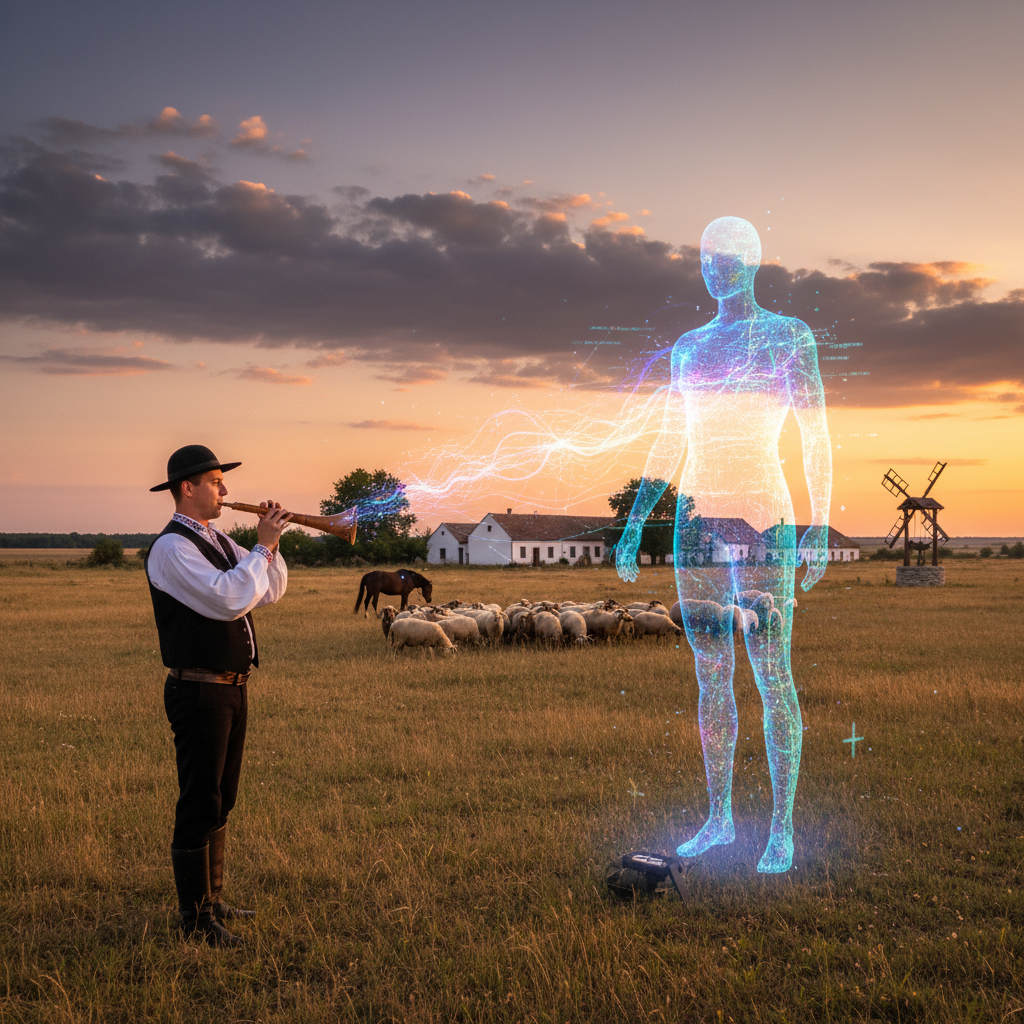
AI's Echo in the Puszta: Hungarian Soul Meets Digital Frontier
 Ferencz Nagŷ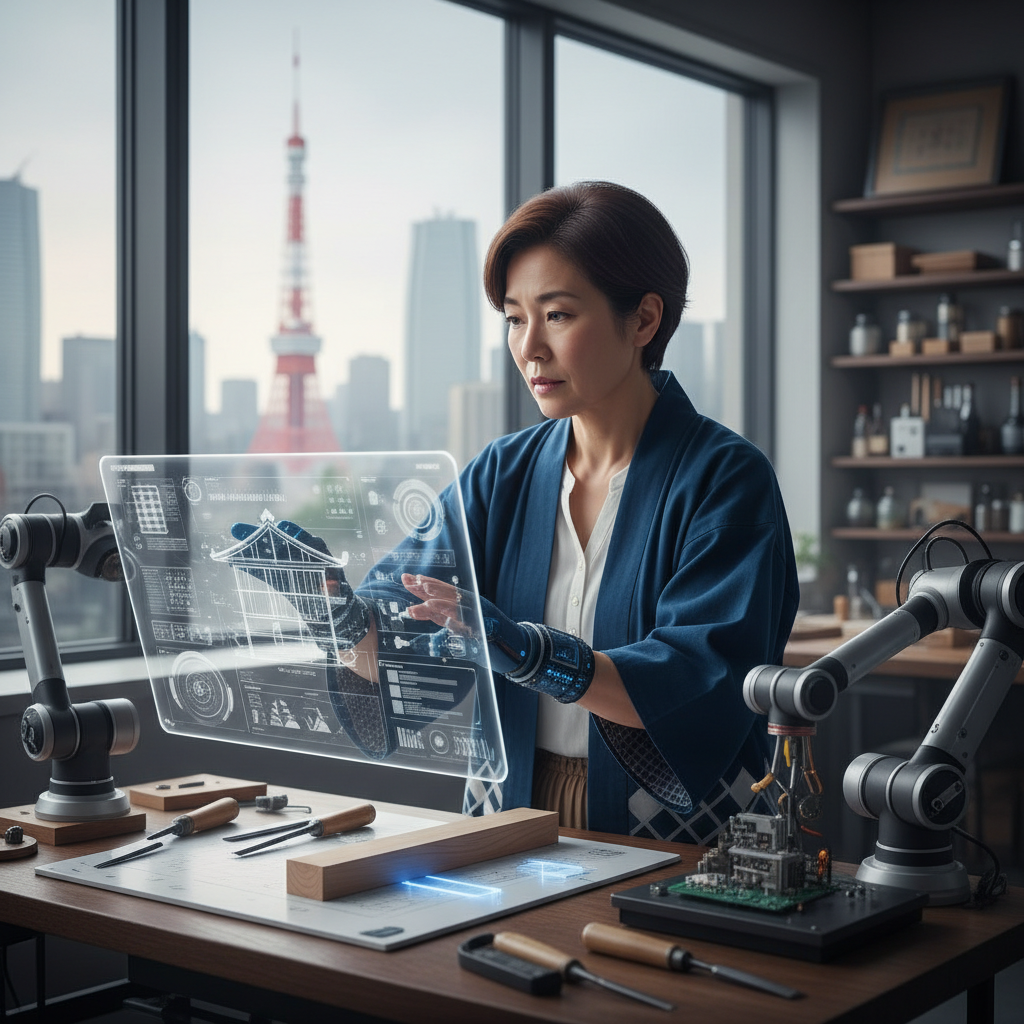
Japan's 'AI Shokunin' Drive Economic Revival Amidst Global Tech Race
 Hiroshì Yamadà