
Japan's 'AI Shokunin' Drive Economic Revival Amidst Global Tech Race
Japan is leveraging its unique 'shokunin' ethos to cultivate a specialized AI workforce, aiming to reinvigorate its economy and secure a competitive edge in the global digital transformation landscape.
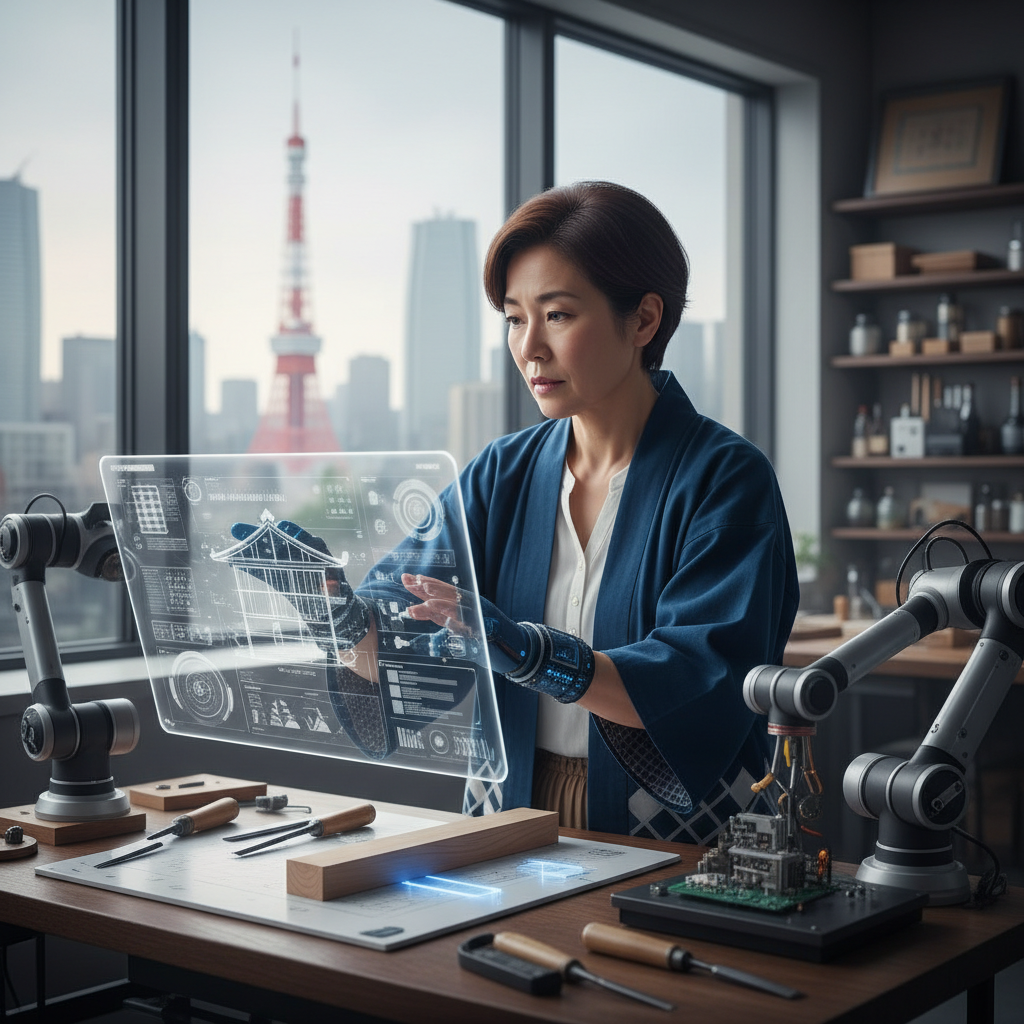
Tokyo, Japan – April 22, 2026 – As the global race for Artificial Intelligence dominance intensifies, Japan is strategically pivoting towards a distinct approach, emphasizing quality, precision, and a deep-seated commitment to craftsmanship – an ethos traditionally known as shokunin. This unique cultural perspective is now being applied to the development and deployment of AI, aiming to carve out a niche for Japan in the burgeoning AI economy.
Recent data from the Ministry of Economy, Trade and Industry (METI) indicates a significant uptick in investment in AI research and development, particularly in sectors like precision manufacturing, healthcare, and logistics. "We are not merely chasing the volume of AI deployment; our focus is on creating 'AI shokunin' – highly skilled individuals who can not only develop advanced algorithms but also deeply understand the practical, nuanced applications required by our industries," stated Mr. Kenji Tanaka, Director of METI's Digital Transformation Policy Division, during a recent press briefing at the Japan National Press Club.
This approach is a direct response to concerns that Japan might fall behind in the sheer scale of AI innovation seen in Silicon Valley or Shenzhen. Instead, institutions like the National Institute of Advanced Industrial Science and Technology (AIST) are spearheading initiatives to train engineers with a dual focus: cutting-edge AI theory and practical, domain-specific expertise. Dr. Hiroshi Sato, a leading AI ethicist and former executive at Fujitsu Laboratories, emphasized this point. "Our strength lies in our meticulous attention to detail and our long-term vision. We are developing AI that is reliable, safe, and deeply integrated into existing societal structures, rather than disruptive for disruption's sake. This 'harmony-first' approach, or wa, is intrinsically Japanese and could be our competitive advantage, especially in critical infrastructure and elder care solutions."
The Bank of Japan (BOJ) has also acknowledged the transformative potential. Governor Kazuo Ueda, in a recent address to the Keidanren (Japan Business Federation), highlighted AI as a key driver for productivity growth, particularly in mitigating the challenges of an aging population. "The judicious application of AI, guided by our unique societal values, can unlock significant economic efficiencies and create new industries, ensuring Japan's long-term prosperity," Ueda remarked.
Small and medium-sized enterprises (SMEs), the backbone of the Japanese economy, are also being encouraged to adopt AI. The Japan External Trade Organization (JETRO) is launching new support programs, providing subsidies and expert consultation for SMEs looking to integrate AI into their operations, from supply chain optimization to customer service automation. This grassroots adoption, combined with top-tier research, is intended to foster a robust, resilient AI ecosystem.
While challenges remain, particularly in attracting top global AI talent and navigating regulatory complexities, Japan's commitment to cultivating 'AI shokunin' represents a thoughtful, culturally informed strategy to secure its economic future in the age of intelligent machines. The world watches to see if this blend of ancient wisdom and modern technology can indeed forge a new path to prosperity.
Related Articles
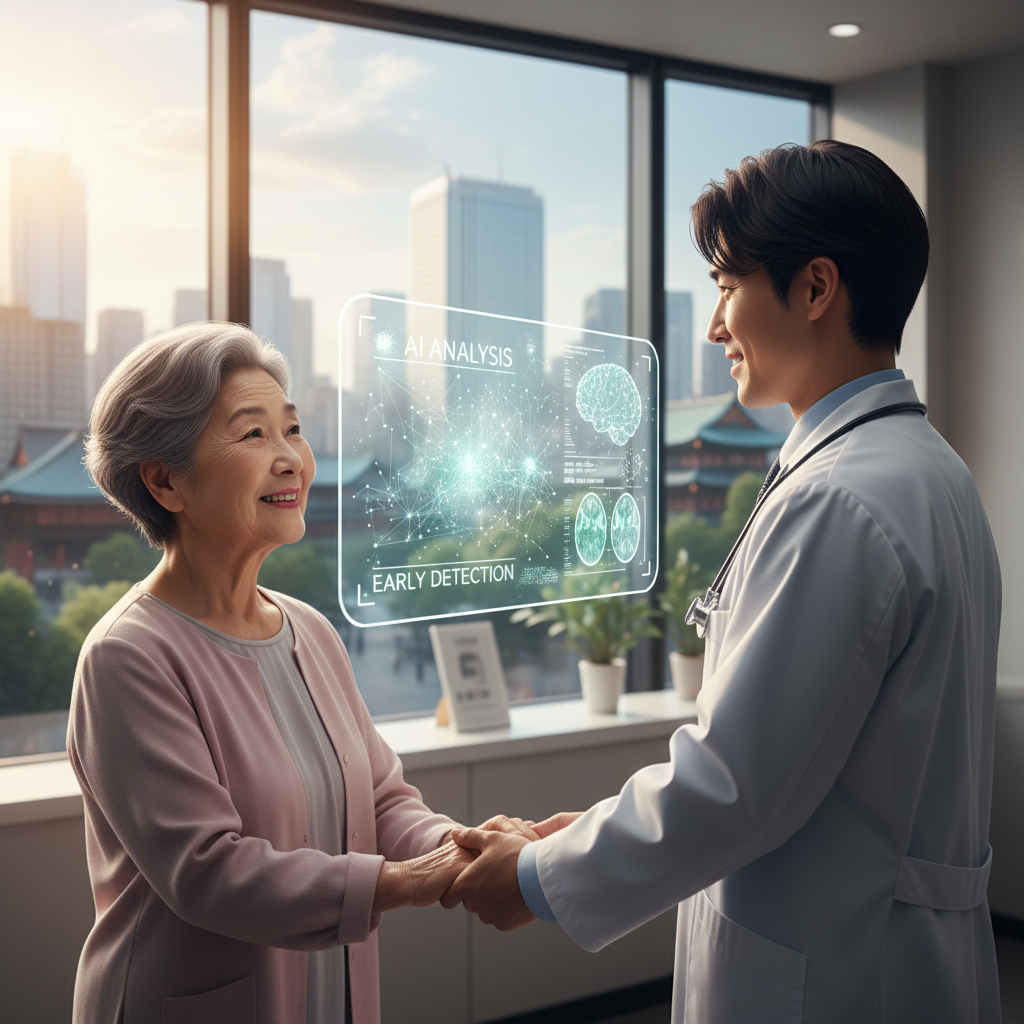
AI-Powered Early Dementia Detection: A Ray of Hope for Japan's Aging Society
 Yuki Tanakà
UAE Pioneers AI-Driven 'Desert Bloom' Initiative for Climate Resilience
 Layla Al-Mansourì
AI Refines Saudi Football Talent: A New Era for Al-Akhdar's Future
 Barakà Al-Rashíd
AI Revolutionizes Women's Health Screenings in Japan, Addressing 'Silent Suffering'
Yuki Tanakà