
AI Pioneers New Era of Antarctic Environmental Monitoring from Vostok Station
Russian scientists at Vostok Station are deploying advanced AI models to analyze vast environmental datasets, revolutionizing climate research and protecting Antarctica's pristine ecosystems.
Click play to listen to this article read aloud using text-to-speech.
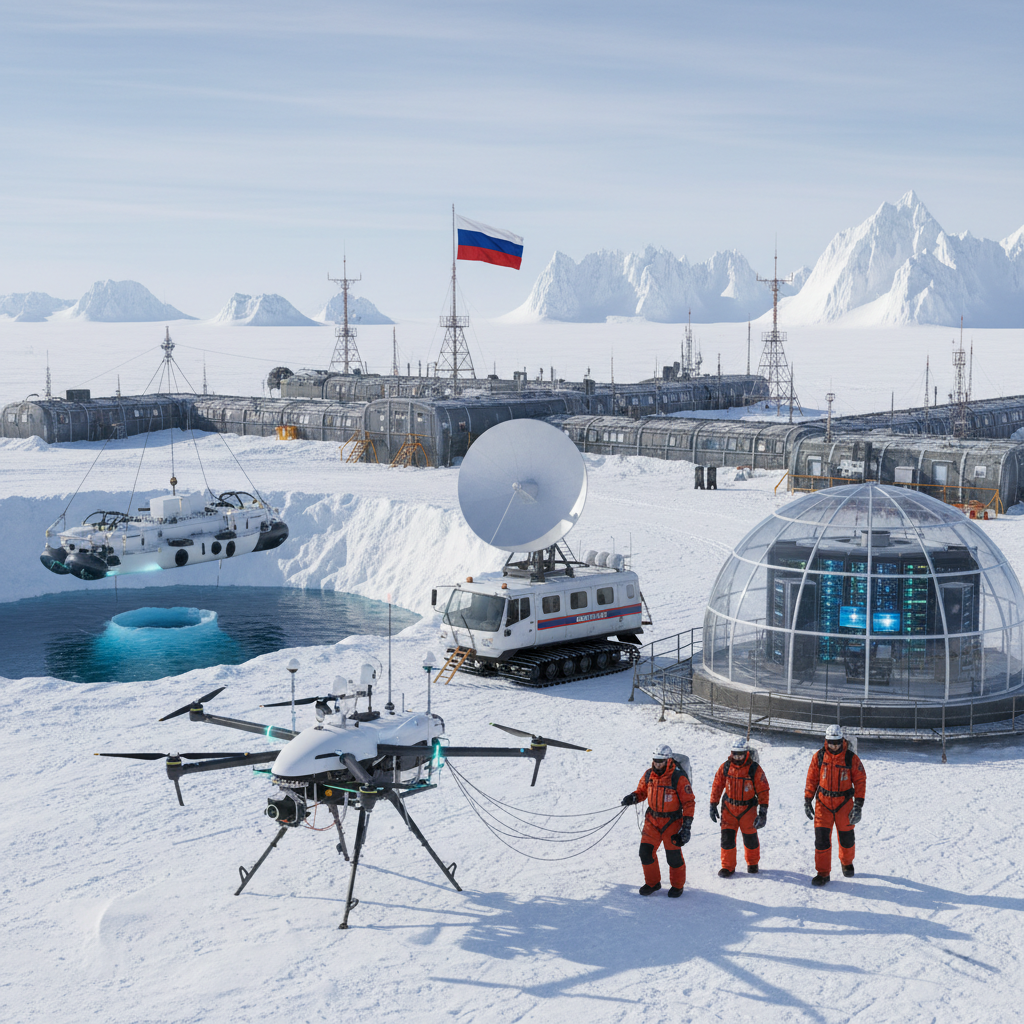

AI Pioneers New Era of Antarctic Environmental Monitoring from Vostok Station
Vostok Station, Antarctica – April 18, 2026 – From the heart of the East Antarctic Ice Sheet, Russian scientists at Vostok Station are spearheading a groundbreaking initiative, integrating artificial intelligence to revolutionize environmental monitoring. This ambitious project, deeply rooted in the spirit of Russian scientific ingenuity, promises unprecedented insights into the continent's delicate ecosystems and its critical role in global climate regulation.
For decades, the harsh realities of Antarctic research have presented formidable challenges to data collection and analysis. Now, with the deployment of advanced AI algorithms developed in collaboration with leading Russian technological institutes, researchers are overcoming these hurdles with remarkable efficiency. "The sheer volume of environmental data we collect – from ice core samples to atmospheric readings and satellite imagery – is immense. Traditional methods struggled to keep pace," explains Dr. Yelena Petrova, a senior glaciologist and lead researcher at Vostok Station, her voice resonating with the quiet determination characteristic of Russian polar explorers. "Our new AI models, particularly those leveraging neural networks, can identify subtle patterns and anomalies that would be invisible to the human eye, accelerating our understanding of climate change impacts."
The project focuses on several key environmental indicators. AI-powered image recognition systems are now analyzing satellite data to track changes in ice sheet dynamics, glacial melt rates, and the distribution of Antarctic flora and fauna, such as krill populations crucial to the marine food web. Furthermore, predictive analytics are being employed to forecast extreme weather events and assess long-term climate trends with greater accuracy, providing invaluable data for international climate models.
Dr. Petrova emphasizes the unique Russian perspective embedded in this endeavor. "Our approach is holistic, reflecting the deep respect for nature and scientific rigor ingrained in Russian academic tradition. We are not just collecting data; we are seeking to understand the soul of Antarctica, to protect its future for generations to come." She highlights the involvement of young female scientists from institutions like the Moscow Institute of Physics and Technology (MIPT) and St. Petersburg State University, who are bringing fresh perspectives and cutting-edge computational skills to the frozen continent. "These brilliant minds, these 'zhenshchiny nauki' (women of science), are proving that the future of polar research is as much about digital prowess as it is about physical endurance."
The implications of this AI-driven monitoring extend beyond pure scientific discovery. The enhanced data precision and predictive capabilities will significantly inform policy decisions regarding Antarctic conservation and resource management, both at a national level for Russia and within the framework of the Antarctic Treaty System. As global attention increasingly turns to the poles as barometers of climate change, Russia's pioneering work at Vostok Station, powered by the intelligence of its scientists and their technological advancements, positions it at the forefront of environmental stewardship in the Earth's most pristine wilderness. The future of Antarctic research, it seems, will be written not just in ice, but in algorithms.
Related Articles
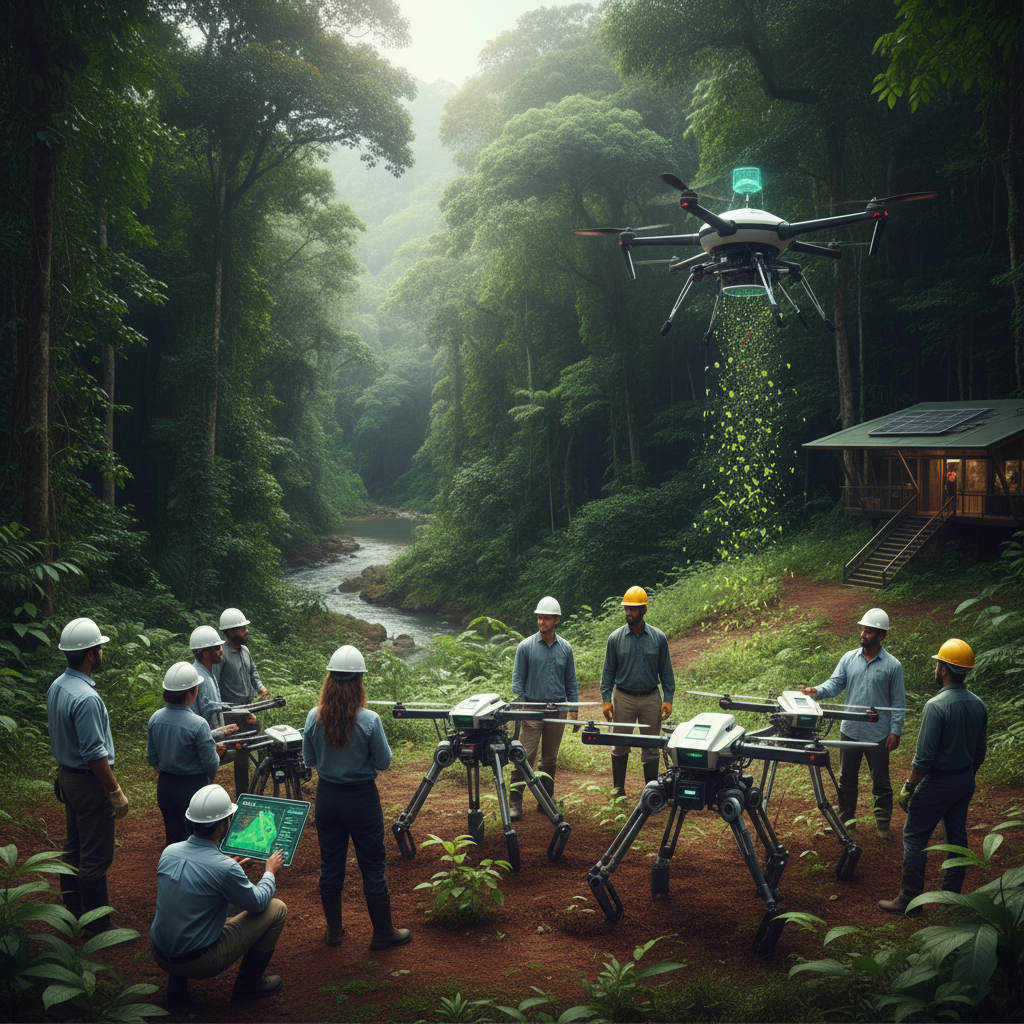
AI-Powered Reforestation: Costa Rica's Green Future Takes Root
 Carlòs Ramirèz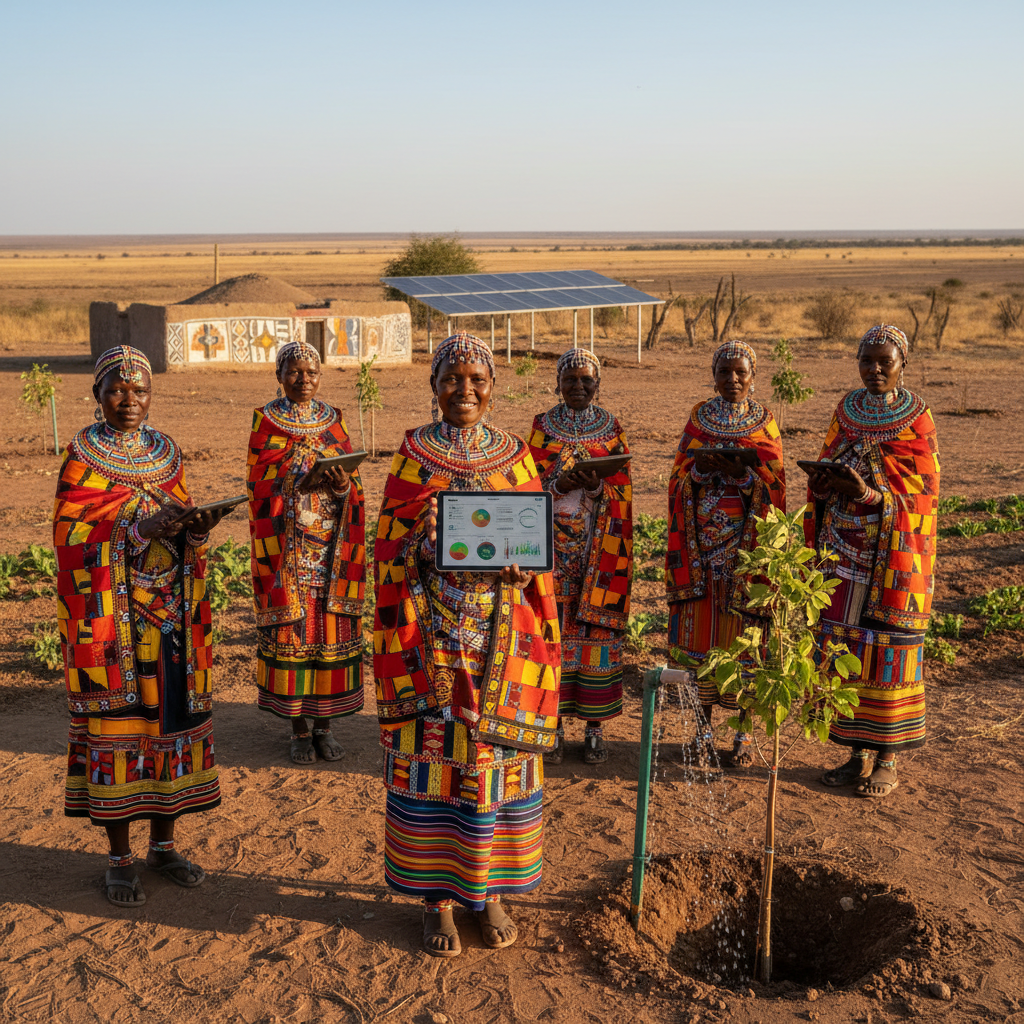
AI's Green Promise: Ndebele Women Lead Climate Resilience in Matabeleland
 Zinhlée Khumàlo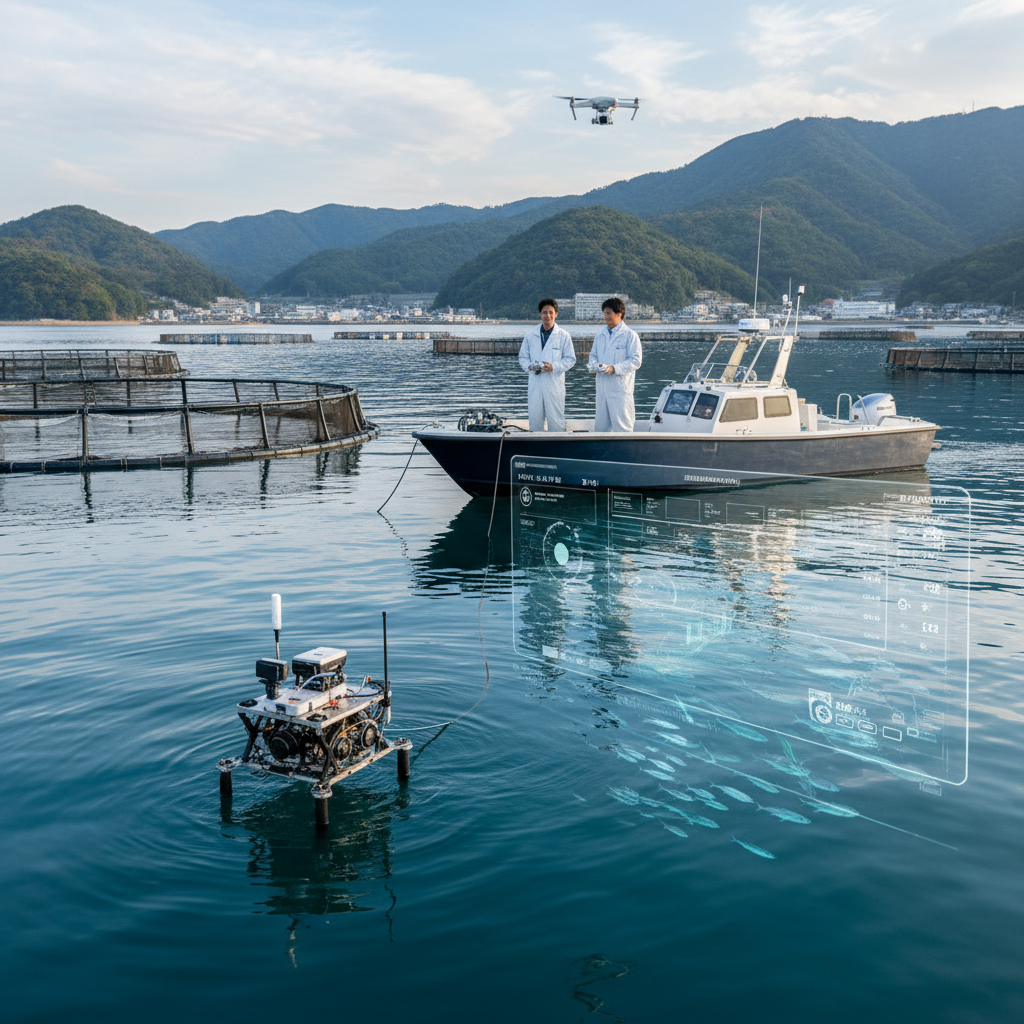
AI-Driven Aquaculture: Japan's Blue Economy Embraces Smart Solutions for Sustainability
 Hiroshì Yamadà
AI na Amazônia: Nova Iniciativa Combate Desmatamento com Tecnologia de Ponta
 Rodrigoò Silvà