
AI-Powered Reforestation: Costa Rica's Green Future Takes Root
Costa Rica embraces AI to revolutionize its reforestation efforts, leveraging satellite data and machine learning to optimize biodiversity and combat climate change, setting a new standard for environmental stewardship in the Americas.
Click play to listen to this article read aloud using text-to-speech.
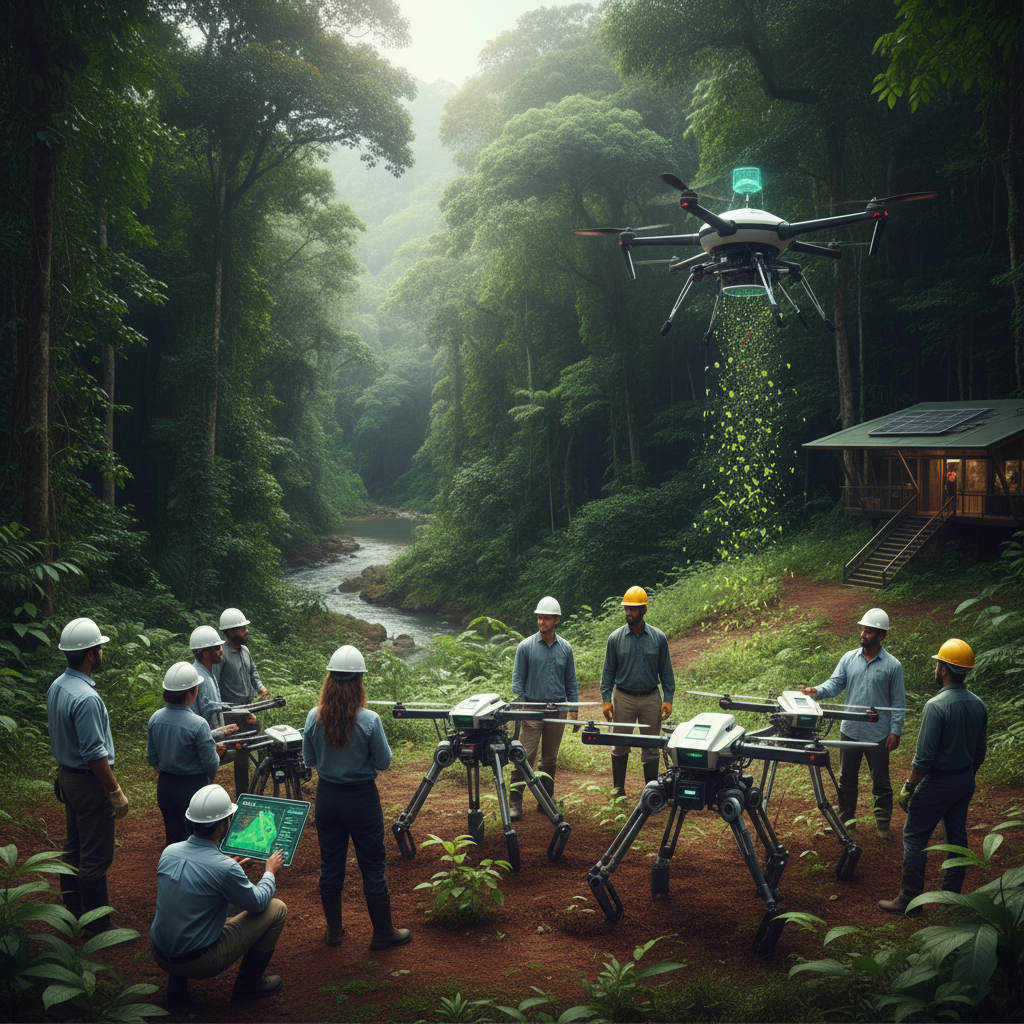
AI-Powered Reforestation: Costa Rica's Green Future Takes Root
SAN JOSÉ, COSTA RICA – April 22, 2026 – From the verdant slopes of Poás to the sun-drenched beaches of Guanacaste, Costa Rica has long been a global beacon for environmental conservation. Now, this Pura Vida nation is taking its commitment a step further, integrating cutting-edge Artificial Intelligence (AI) into its ambitious reforestation programs, a move that promises to redefine ecological restoration across North America.
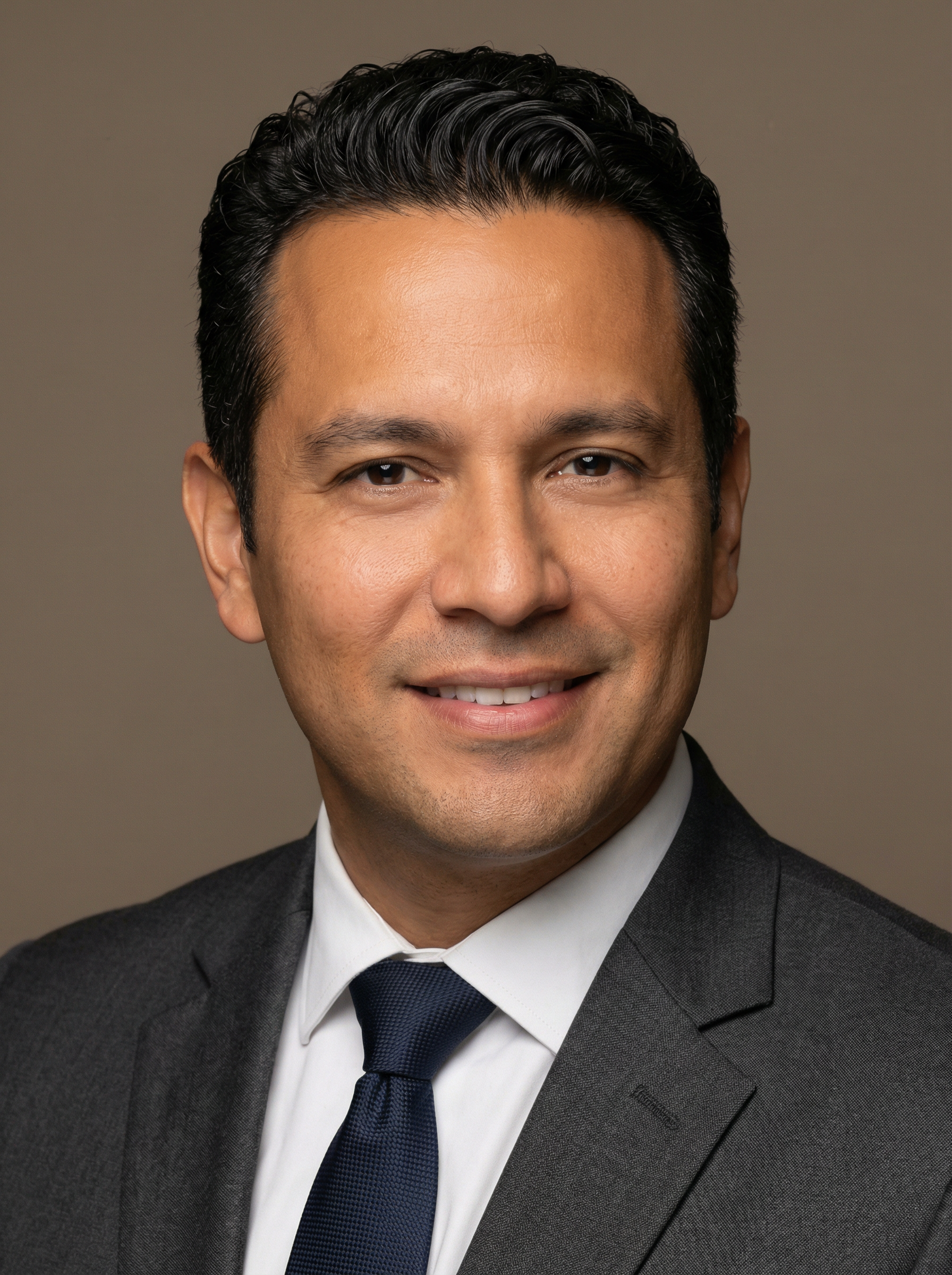
As a tico who has witnessed firsthand the country's unwavering dedication to its natural patrimony, I can attest that this isn't just about planting trees; it's about intelligent, sustainable growth. The Ministry of Environment and Energy (MINAE), in collaboration with the National System of Conservation Areas (SINAC) and local universities, has launched a pilot project utilizing AI to optimize tree planting strategies, ensuring higher survival rates and enhanced biodiversity.
“Our traditional methods, while effective, often lacked the precision needed to truly maximize ecological impact,” explains Dr. Elena Vargas, a lead botanist and AI specialist at the University of Costa Rica’s Center for Research in Sustainable Development. “With AI, we can analyze vast datasets from satellite imagery, drone surveys, and even soil composition sensors. This allows us to identify the most suitable species for specific microclimates, predict growth patterns, and even detect early signs of disease or invasive species with unprecedented accuracy.”
This initiative, partly funded by a grant from the Inter-American Development Bank (IDB), employs machine learning algorithms to process high-resolution imagery, differentiating between native forest, agricultural land, and areas ripe for restoration. The AI models then recommend optimal planting locations, species diversity, and even the best time for planting, taking into account rainfall patterns and soil health – factors crucial for a successful reforestación.
For campesinos and local communities involved in these projects, the technology offers practical benefits. “Before, we’d plant based on general guidelines,” says Don Ricardo Solís, a farmer from the Osa Peninsula participating in the pilot. “Now, the technicians show us maps generated by the computer, telling us exactly which árboles nativos will thrive best in each patch of land. It feels more scientific, more certain.” This local engagement, a cornerstone of Costa Rican conservation, is amplified by AI’s insights.
Experts believe this AI-driven approach could significantly accelerate Costa Rica's goal of increasing forest cover and enhancing its carbon sequestration capacity, contributing directly to global climate change mitigation efforts. The project also aims to create digital twins of key forest areas, allowing for real-time monitoring and predictive maintenance, a concept that could revolutionize natural resource management across the region.
As a costarricense proud of our nation's verde heritage, I see this as more than just a technological advancement. It’s a testament to our enduring spirit of innovation and our deep-rooted respect for la naturaleza. Costa Rica is once again demonstrating that a small nation can lead the way in tackling global challenges, proving that when human ingenuity meets the wisdom of the land, the possibilities for a sustainable future are boundless. The world, and indeed North America, watches closely as our little pulgarcito of a country continues to chart a greener path forward.
Related Articles
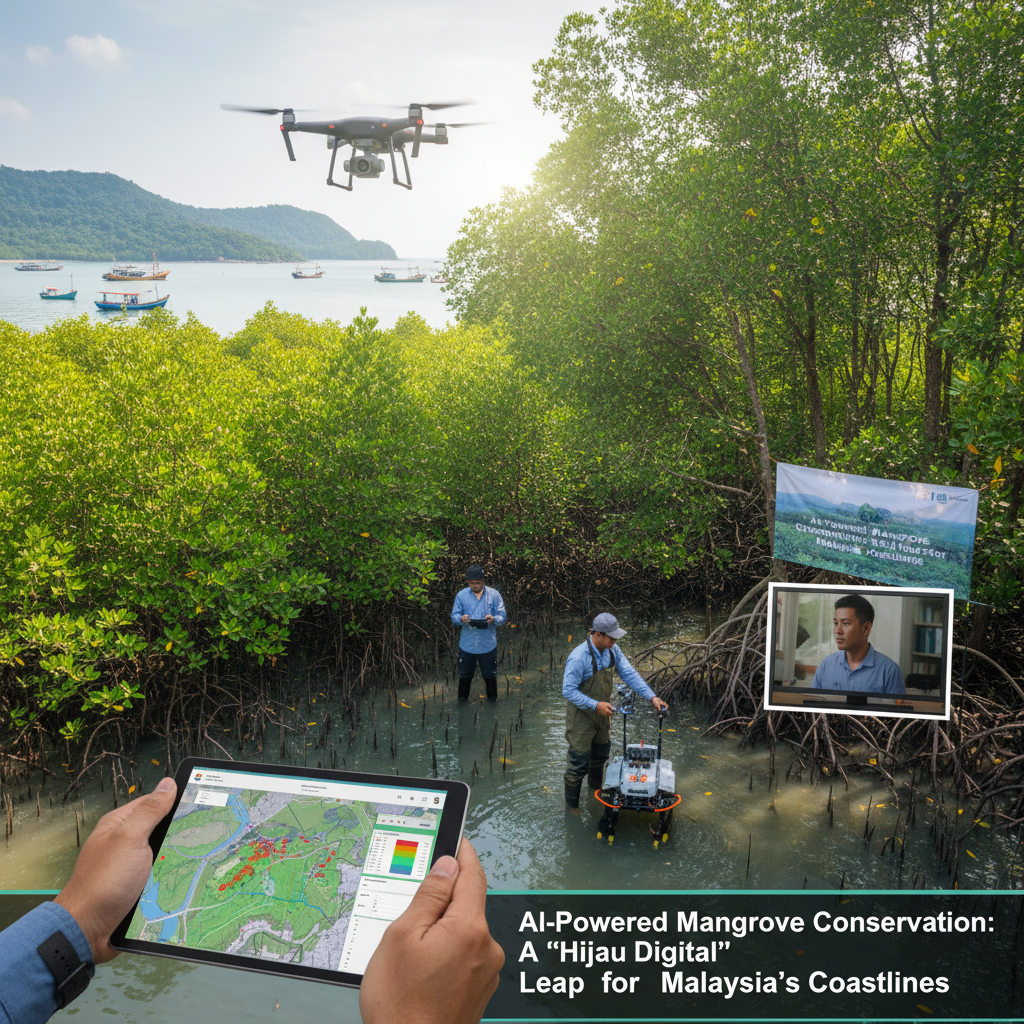
AI-Powered Mangrove Conservation: A 'Hijau Digital' Leap for Malaysia's Coastlines
 Siti Nurhalizah Rahimàn
AI's Ethical North: Canadian Researchers Chart Course for Responsible Innovation
 Ingridè Bjornssòn
Québec's AI Strategy 2.0: Fostering Inclusive Innovation and Bridging the Digital Divide
 Chloé Tremblàŷ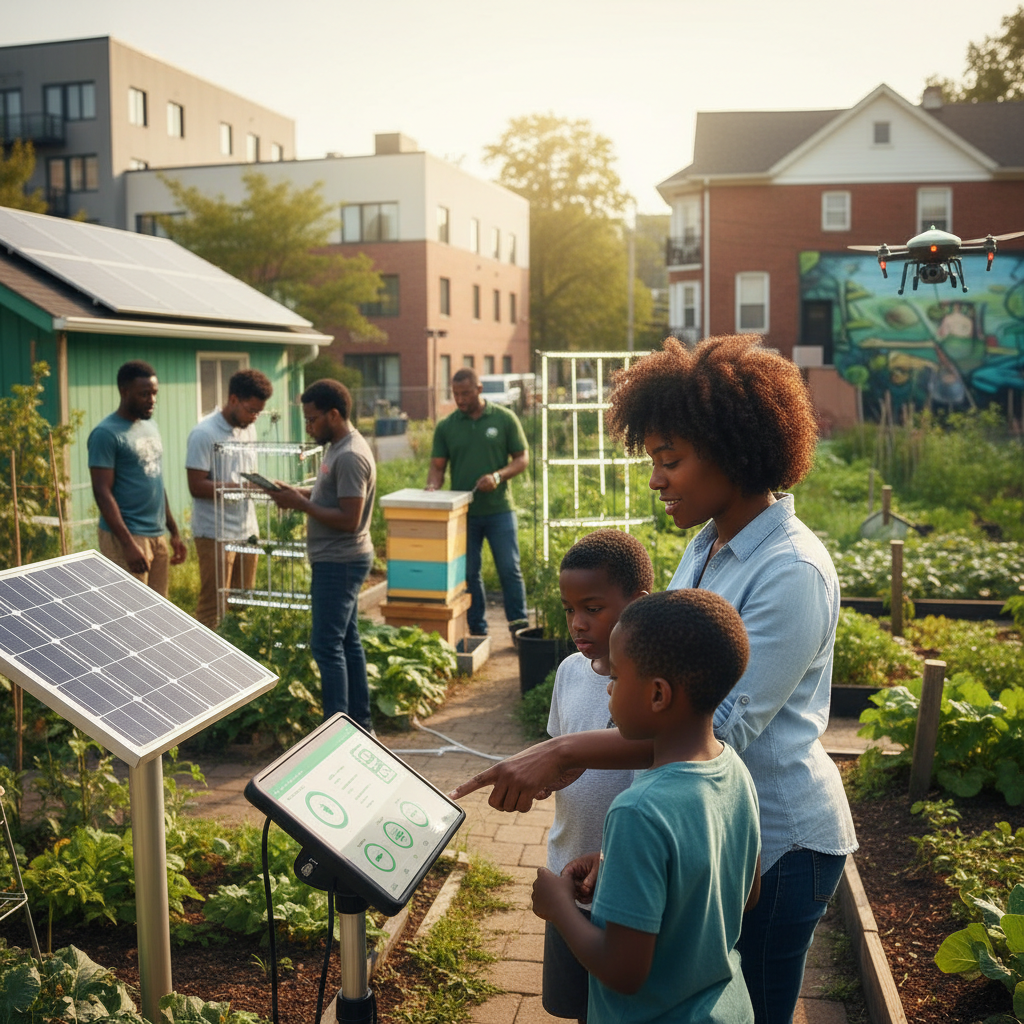
AI's Green Promise: Can Tech Bridge Environmental Gaps in Black Communities?
 Dontè Jacksoneè