
AI in Romanian Education: Bridging the Digital Divide for Future Generations
Romania embraces AI in education, aiming to empower young women and rural communities. Experts discuss challenges and opportunities, emphasizing ethical deployment and digital literacy for a competitive European future.
Click play to listen to this article read aloud using text-to-speech.
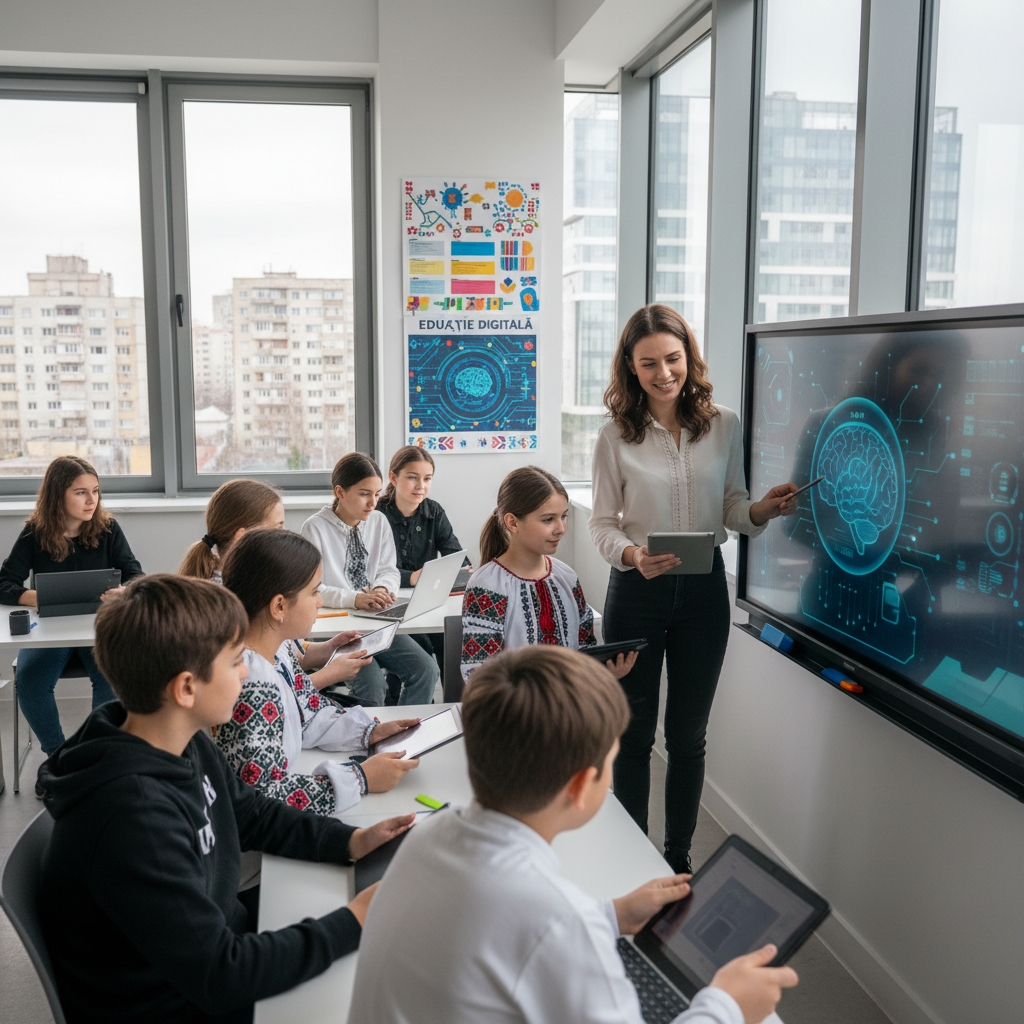

BUCHAREST, ROMANIA – April 22, 2026 – The integration of Artificial Intelligence into Romania's educational system is no longer a futuristic concept but a burgeoning reality, poised to reshape learning experiences across the nation. As a Romanian woman reporter, I've observed firsthand the profound impact technology can have, particularly on our youth and in rural areas, where access to quality education remains a persistent challenge. The Ministry of Education, in collaboration with European initiatives, is championing a new wave of digital transformation, with AI at its core.
Just last month, the 'EduAI 2030' national strategy was unveiled, focusing on personalized learning platforms, AI-powered tutoring systems, and automated assessment tools. "Our goal is not merely to introduce technology, but to democratize access to advanced pedagogical methods," stated Dr. Elena Popescu, a leading AI ethics researcher at the Technical University of Cluj-Napoca and a key advisor to the Ministry. "For too long, disparities have hindered the potential of brilliant young minds, especially young women in less-resourced regions. AI offers a unique opportunity to bridge this gap, providing tailored support that was previously unimaginable."
The strategy emphasizes pilot programs in several counties, including Iași and Dolj, where schools are testing adaptive learning software designed to identify individual student needs and provide targeted interventions. "We are seeing encouraging results, particularly in STEM subjects," commented Ana Dumitrescu, a high school principal from Craiova, whose school is part of the pilot. "Girls, who sometimes face societal pressures or lack access to specialized teachers in these fields, are showing increased engagement and improved performance with AI tutors. It's truly empowering to witness."
However, the path is not without its hurdles. Concerns about data privacy, algorithmic bias, and the need for robust digital infrastructure in remote areas are frequently raised. "We must ensure that AI tools are developed and deployed ethically, with a strong emphasis on transparency and accountability," Dr. Popescu cautioned. "The 'black box' nature of some AI systems must be demystified for educators and parents alike. Furthermore, investing in teacher training is paramount; AI is a tool, not a replacement for human connection and pedagogical expertise."
The European Commission's 'Digital Education Action Plan' provides a crucial framework, and Romania is actively seeking to align its national efforts with broader EU objectives. Funding from the National Recovery and Resilience Plan (PNRR) is being allocated to upgrade school connectivity and provide necessary hardware. The ambition is clear: to cultivate a digitally literate generation, capable of thriving in an AI-driven global economy.
For the young women of Romania, this digital revolution in education holds particular promise. By fostering critical thinking, computational skills, and access to personalized learning, AI can unlock new pathways to careers in technology, research, and innovation, ensuring their rightful place at the forefront of Europe's digital future. The journey has just begun, but the potential for transformative change is undeniable.
Related Articles
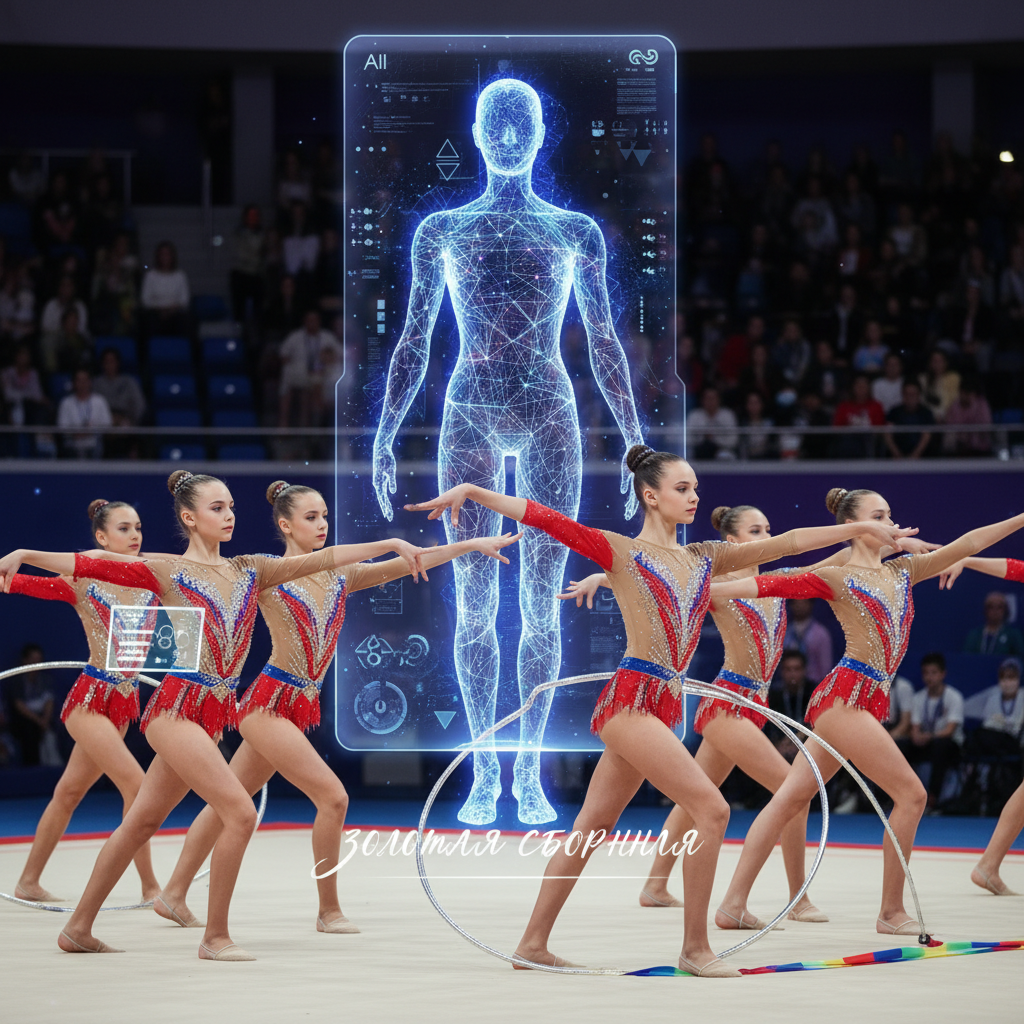
AI Coaches Revolutionize Russian Rhythmic Gymnastics: A New Era for 'Zolotaya Sbornaya'
 Élèna Petrovà
AI in Women's Health: Norwegian Experts Call for Ethical Frameworks and Data Equity
 Ingridè Hansèn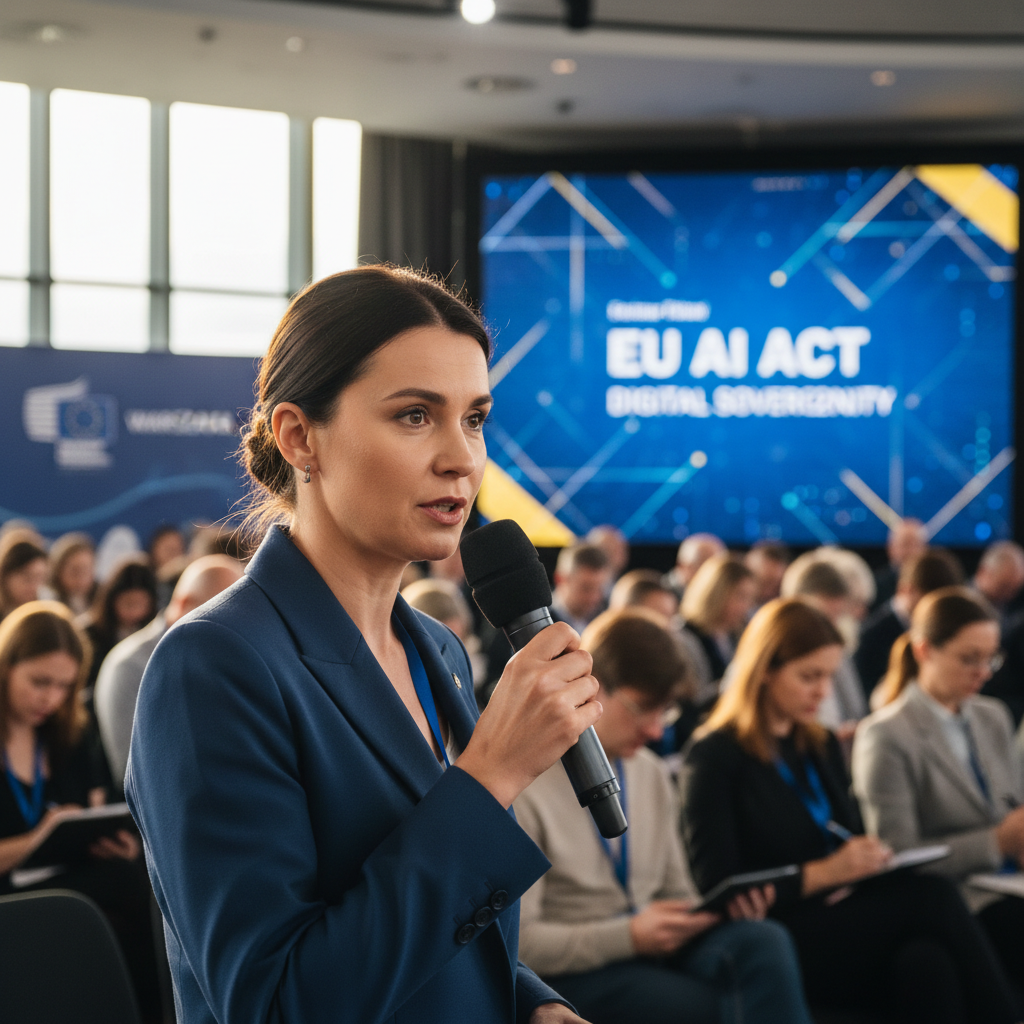
Warsaw Debates EU AI Act: A Polish Woman's Perspective on Digital Sovereignty
 Agnieszka Kowalskà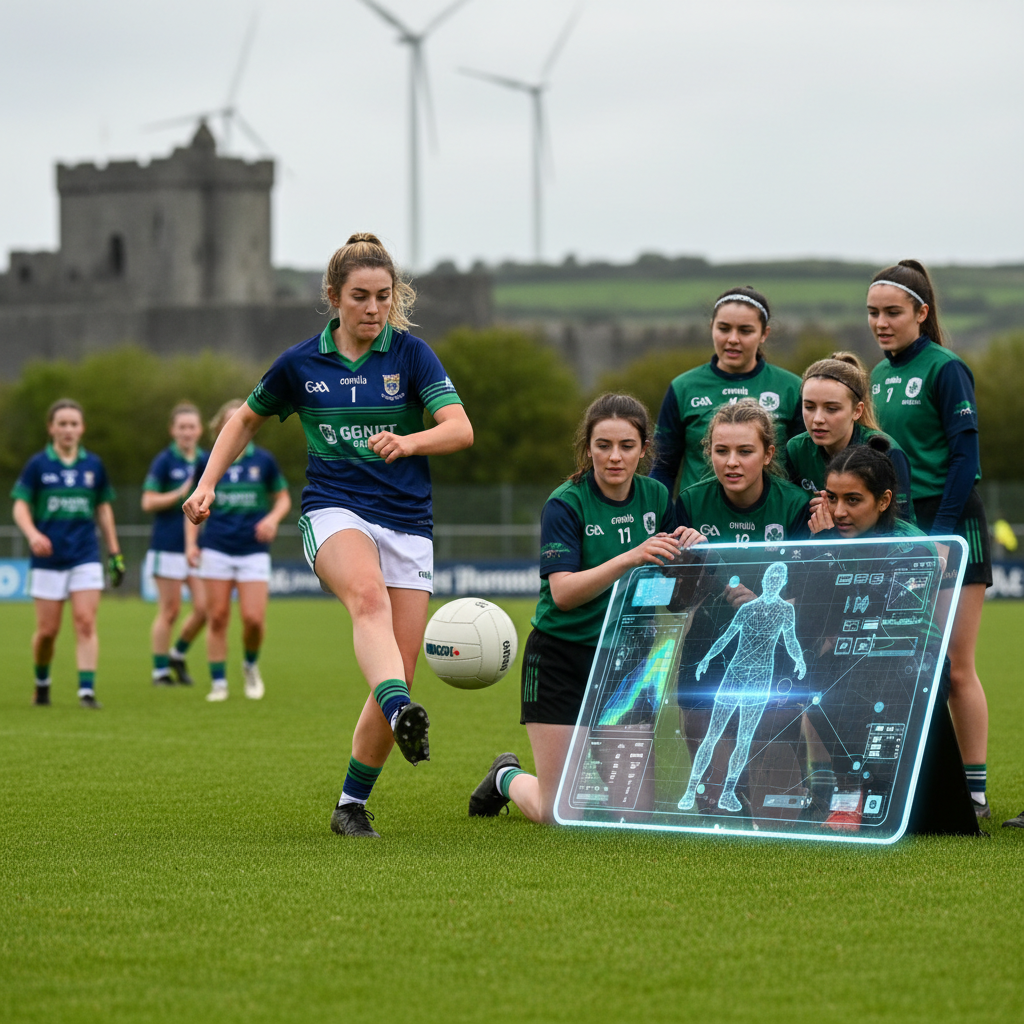
AI's Gaelic Game-Changer: How Tech is Leveling the Field for Irish Women in Sport
 Siobhàn O'Briénn