
AI Coaching: A Game-Changer for Zambian Women's Football?
Zambian football is exploring AI-driven analytics to boost performance, with a focus on how this technology can specifically empower and elevate women's teams across the nation. Experts weigh in on the potential and pitfalls.
Click play to listen to this article read aloud using text-to-speech.
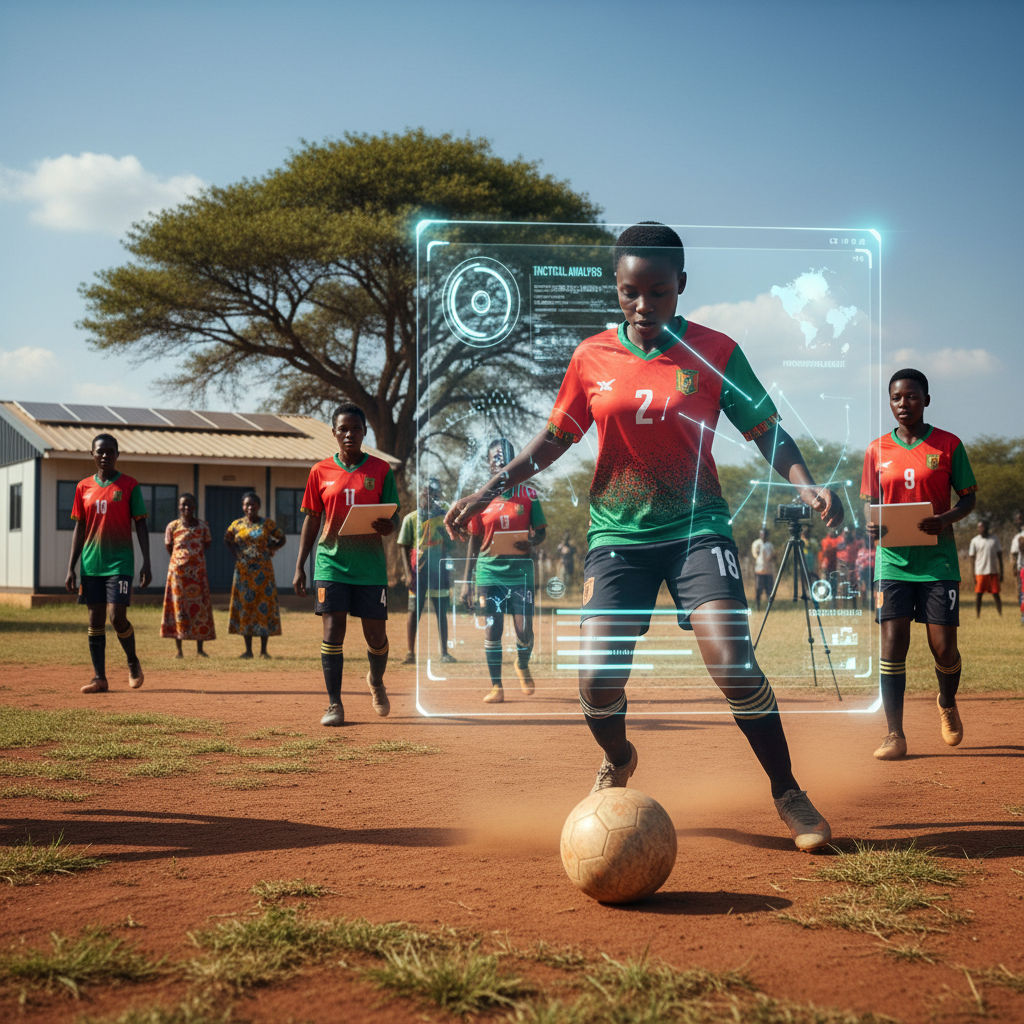

LUSAKA – The roar of the crowd at the National Heroes Stadium is a familiar sound, but soon, the strategizing in the locker rooms of Zambia's women's football teams might be guided by a different kind of intelligence: Artificial Intelligence. As the Copper Queens continue to inspire a generation of young girls, the Football Association of Zambia (FAZ) is reportedly in advanced discussions to pilot AI-powered coaching and scouting tools, a move that could significantly impact the trajectory of women's sports in the country.
This initiative, while still in its nascent stages, aims to leverage AI for granular player performance analysis, injury prevention, and even tactical simulations. "Imagine a system that can track every pass, every tackle, every sprint, and provide real-time, data-driven insights to our coaches," explains Ms. Chipo Mwale, a sports analyst and advocate for women in sports, speaking from her office at the National Sports Council of Zambia. "For our girls, who often face resource disparities compared to their male counterparts, this technology could be a powerful equalizer, helping them refine their skills and strategies with unprecedented precision."
Lindiwe Sibandà, a seasoned reporter with a keen eye on the advancement of Zambian women, notes the profound implications. "Historically, investment in women's sports, particularly at the grassroots level, has lagged. AI offers a scalable solution to bridge some of these gaps. It's not just about winning games; it's about providing our bana (girls) with the best possible tools to develop their talent, compete on a global stage, and ultimately, build fulfilling careers in sports." She emphasizes that such technology could help identify hidden talents in remote areas, democratizing access to elite coaching methodologies.
However, the integration isn't without its challenges. Dr. Nkandu Lungu, a lecturer in Digital Transformation at the University of Zambia, cautions about the digital divide. "While the potential is immense, we must ensure equitable access and digital literacy. An AI system is only as good as the data it's fed, and the ability of coaches and players to interpret and act on those insights. Training programs for our local coaches, especially those working with amatemba (youth teams) in rural provinces, will be paramount." She also highlights the need for culturally sensitive AI design that understands the nuances of Zambian sporting contexts.
FAZ officials, while remaining tight-lipped on specific vendors, have indicated a strong commitment to empowering women's football. "Our Copper Queens have shown the world what Zambian women are capable of," stated a FAZ spokesperson, requesting anonymity as discussions are ongoing. "We believe AI can further enhance their competitive edge and inspire more girls to take up the sport, ensuring Zambia remains a formidable force in African and global football for generations to come."
As Zambia looks towards a future where technology and tradition intertwine, the prospect of AI shaping the next generation of women's football stars is a testament to the nation's innovative spirit and its unwavering belief in the power of its women.
Related Articles

Ghana's AI Leap: Local Startups Drive Innovation, Address Ethical Concerns
 Kwamé Asantè
AI's New Playbook: Revolutionizing HBCU Sports Analytics and Athlete Development
 Dontè Jacksoneè
AI's Green Promise: Ndebele Women Lead Climate Resilience in Matabeleland
 Zinhlée Khumàlo
AI's Healing Touch: Burkina Faso Explores Digital Diagnostics for Rural Health
 Youssoufaù Traoré