
AI's New Playbook: Revolutionizing HBCU Sports Analytics and Athlete Development
Artificial intelligence is transforming how Historically Black Colleges and Universities (HBCUs) approach sports, offering unprecedented insights into athlete performance and recruitment, and leveling the playing field for underrepresented talent.
Click play to listen to this article read aloud using text-to-speech.
AI's New Playbook: Revolutionizing HBCU Sports Analytics and Athlete Development
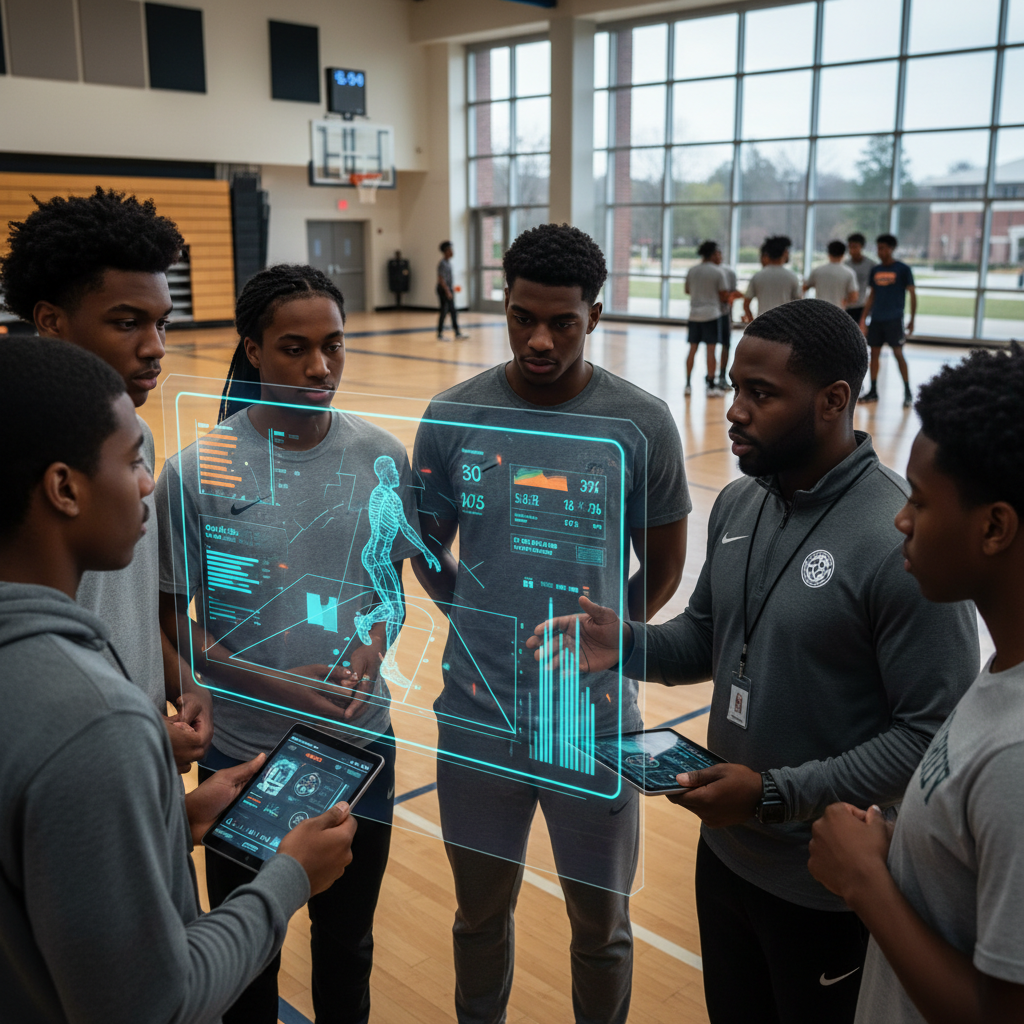
ATLANTA, GA – April 22, 2026 – The roar of the crowd at a Southern Intercollegiate Athletic Conference (SIAC) basketball game is as electric as ever, but behind the scenes, a quiet revolution is underway. Artificial intelligence, once a distant concept, is now a tangible force reshaping how Historically Black Colleges and Universities (HBCUs) scout, train, and develop their athletic talent across North America.
For decades, HBCU athletic programs, often operating with more constrained budgets than their Power Five counterparts, have relied heavily on the raw talent and grit of their athletes. Now, AI is emerging as a powerful equalizer, providing sophisticated analytics previously out of reach.
“This isn’t just about fancy algorithms; it’s about strategic empowerment,” states Dr. Imani Kincaid, Director of Sports Technology Initiatives at Morehouse College, a leading voice in integrating AI into HBCU athletic departments. “We’re seeing AI-driven platforms analyze everything from player movement patterns on the court to fatigue indicators in practice. This data helps our coaches make real-time adjustments and, crucially, minimizes injury risk, which is paramount for our student-athletes.”
One such platform, 'Gridiron Genius AI,' developed by a Black-owned tech startup out of Silicon Valley, is gaining traction. It uses computer vision to track player performance during games and practices, identifying strengths, weaknesses, and potential areas for improvement. For HBCU football programs, this means more precise play-calling insights and personalized training regimens that can elevate individual and team performance without requiring massive capital outlays for new equipment.
“The impact on recruitment is profound,” explains Marcus 'MJ' Johnson, a former NFL scout and current Athletic Director at North Carolina A&T State University. “AI can sift through countless hours of high school game footage, flagging prospects with specific athletic traits that might otherwise be overlooked by human scouts, especially in smaller, less-televised leagues. It helps us identify that diamond in the rough, that young brother or sister with untapped potential who just needs the right opportunity.”
This technology also addresses a critical aspect of athlete well-being. Wearable tech integrated with AI predictive models can alert trainers to early signs of overtraining or potential injuries, allowing for proactive intervention. “Our athletes are our most valuable asset,” Dr. Kincaid emphasizes. “AI helps us protect that asset, ensuring they have longer, healthier careers, whether that’s in professional sports or beyond.”
The integration isn't without its challenges. Data privacy concerns, the need for specialized training for coaching staff, and ensuring equitable access to these technologies across all HBCUs remain key discussion points. However, the consensus among athletic leaders is clear: AI is not just a trend; it's a fundamental shift.
As the sun sets on another practice session at Clark Atlanta University, the future of HBCU sports looks brighter, smarter, and more equitable. With AI as a strategic partner, these institutions are not just competing; they're innovating, ensuring that the legacy of Black athletic excellence continues to thrive in the digital age, powered by data and driven by purpose.
Related Articles

AI's Ethical North: Canadian Researchers Chart Course for Responsible Innovation
 Ingridè Bjornssòn
Québec's AI Strategy 2.0: Fostering Inclusive Innovation and Bridging the Digital Divide
 Chloé Tremblàŷ
AI's Green Promise: Can Tech Bridge Environmental Gaps in Black Communities?
Dontè Jacksoneè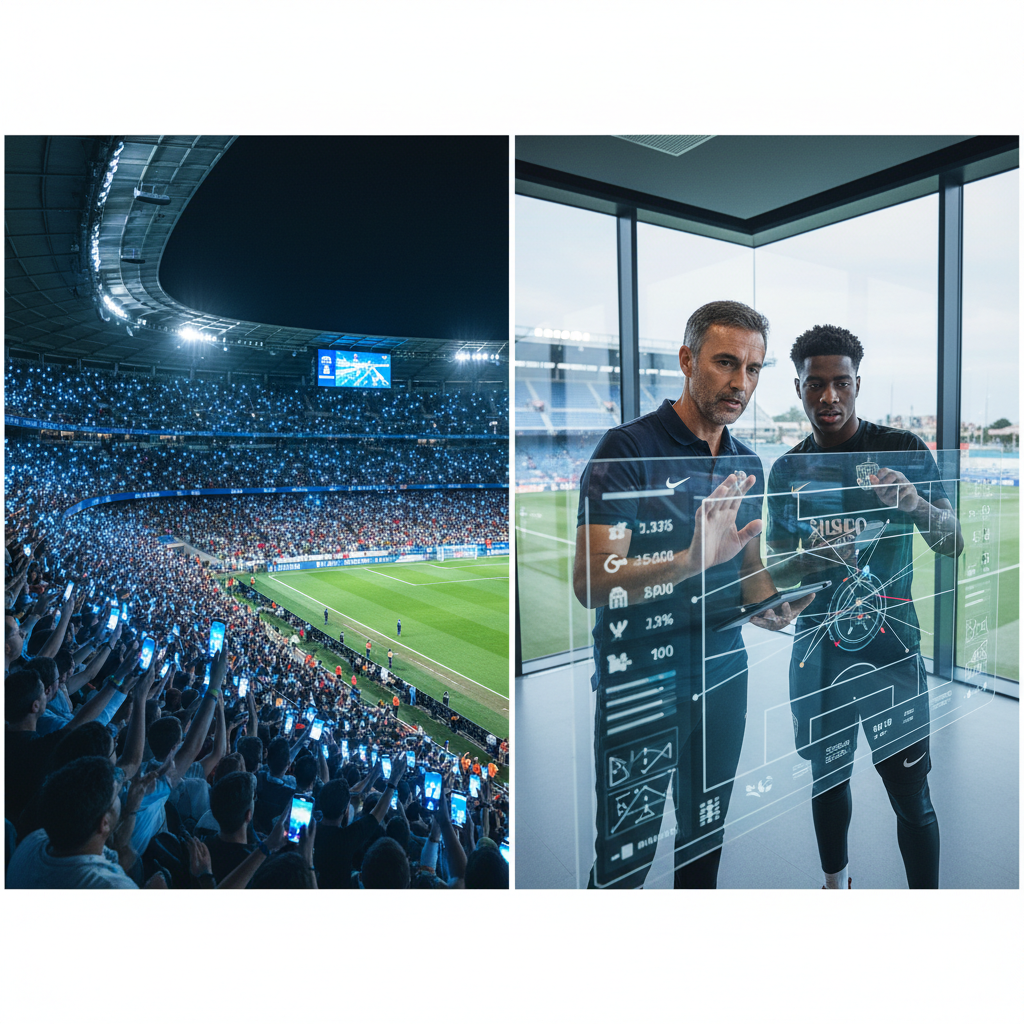
La Liga Embraces AI: A New Era for Fan Engagement and Performance Analytics
 Marisolò Garcíà