
La Liga Embraces AI: A New Era for Fan Engagement and Performance Analytics
Spanish football league, La Liga, is spearheading AI integration to revolutionize fan experience and player development, leveraging advanced analytics and personalized content strategies. This move reflects a broader European trend towards digital transformation in sports.
Click play to listen to this article read aloud using text-to-speech.
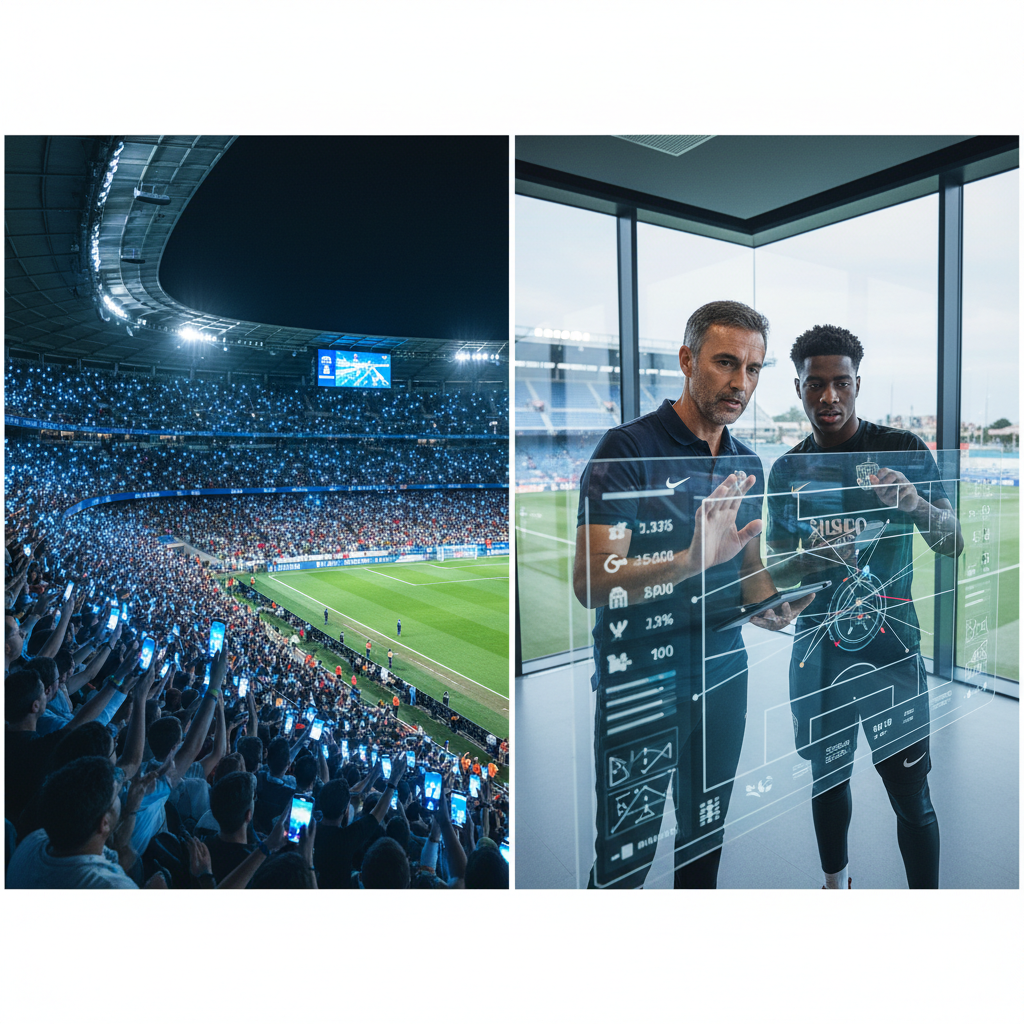

MADRID, España – La Liga, Spain's premier football competition, is rapidly becoming a global benchmark for technological innovation in sports, with Artificial Intelligence (AI) at the forefront of its strategy. From enhancing fan engagement through personalized content to optimizing player performance with predictive analytics, AI is reshaping the beautiful game, and doing so with a distinctively Spanish flair for passion and precision.
“The digital transformation of La Liga is not just about technology; it’s about deepening our connection with the afición and nurturing the talent that defines Spanish football,” states María José Rienda, former Olympic skier and now a prominent voice in sports technology advocacy, speaking from a recent digital sports summit in Barcelona. “For us, AI is a tool to make football more accessible, more exciting, and ultimately, more nuestro – more ours.”
One of the most compelling applications is in fan experience. La Liga has partnered with leading Spanish tech firms, including Telefónica Tech, to deploy AI algorithms that analyze viewing habits and social media interactions. This allows for hyper-personalized content delivery, from bespoke match highlights to tailored merchandise offers, directly to fans' devices. Imagine, for example, a fan in Sevilla receiving real-time statistics on their favorite Betis player, accompanied by historical data comparing her performance to legendary centrocampistas of the past. This level of detail, often curated by female data scientists, ensures a nuanced understanding of the diverse fan base, including the significant and often overlooked contributions of women to football culture.
Beyond the stands, AI is making significant inroads onto the pitch. Clubs like Real Madrid and FC Barcelona are utilizing AI-powered systems for advanced scouting and player development. These systems analyze vast datasets – including GPS tracking, biometric data, and tactical patterns – to identify emerging talents, predict injury risks, and even suggest optimal training regimens. “The insights we gain from AI are invaluable,” explains Dr. Elena Pérez, a sports physiologist working with a top-tier La Liga club. “It allows us to understand the physiological demands on our futbolistas with unprecedented accuracy, helping us to protect their careers and maximize their potential. This is particularly crucial for our female athletes, where specific physiological considerations are paramount.”
Furthermore, AI is being employed to combat piracy, a persistent challenge for sports leagues globally. La Liga's anti-piracy unit leverages AI to detect and shut down illegal streams, protecting broadcasting revenues that are reinvested into the league's infrastructure and youth academies. This commitment to safeguarding intellectual property ensures the long-term sustainability of Spanish football, a point often emphasized by legal experts like Carmen Rodríguez, a specialist in digital rights from the Universidad Complutense de Madrid.
As April 2026 unfolds, La Liga’s embrace of AI serves as a powerful testament to Spain’s innovative spirit and its dedication to maintaining its position at the pinnacle of global sports. It's a vision where technology amplifies tradition, and where the future of football is as vibrant and dynamic as a classic Clásico.
Related Articles

AI in Romanian Education: Bridging the Digital Divide for Future Generations
 Cataliná Ionescù
AI's Economic Ripple: Romanian Women Entrepreneurs Navigate Digital Transformation
Cataliná Ionescù
Polish Women at Forefront of Ethical AI Development, Shaping Europe's Digital Future
 Agnieszka Kowalskà
AI Scores Big for Tanzanian Women's Football: Twiga Stars Eyeing Digital Edge
 Zawadì Mutembò