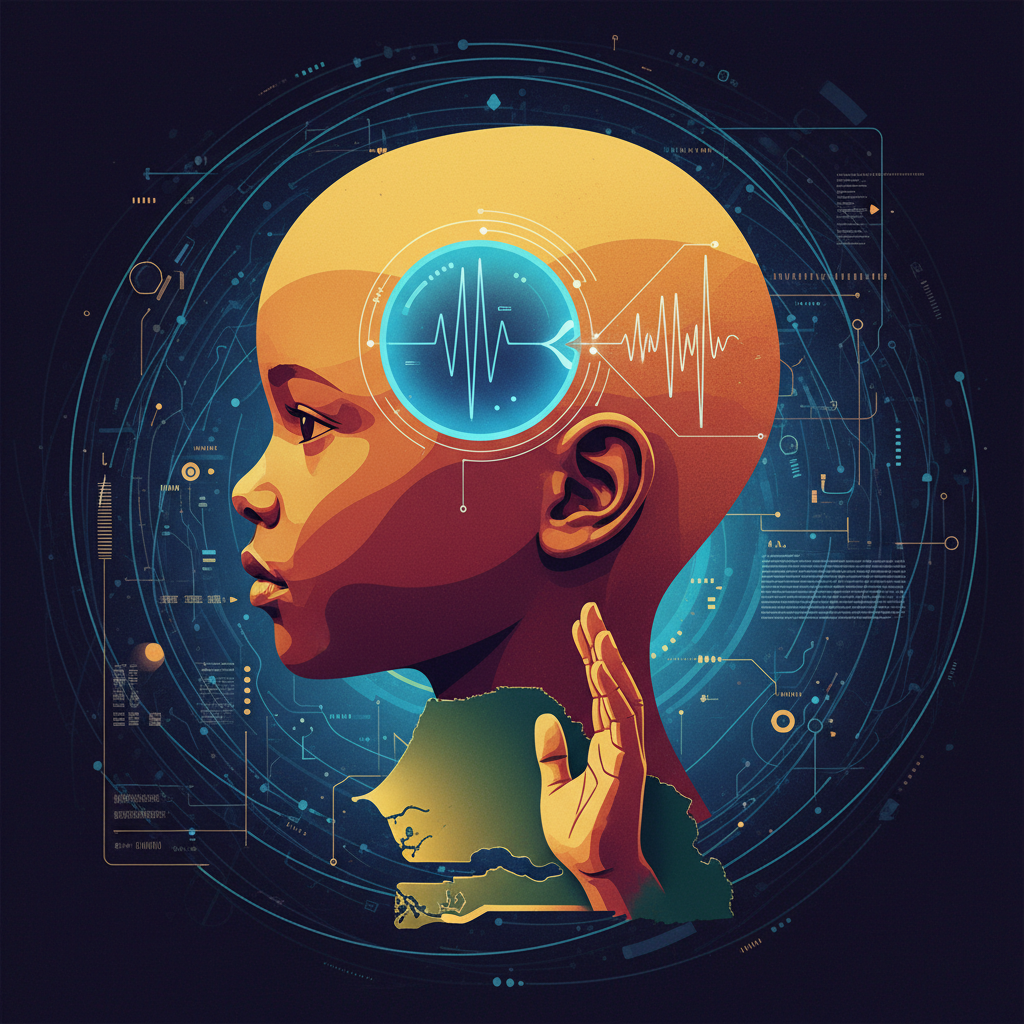
In Senegal, we have a saying: “Ku bëgg xam dëgg, seetal ci doom.” It means, “If you want to know the truth, look at the children.” And as I look at the children of our beautiful nation, and indeed, children across the globe, I see a truth that fills me with both wonder and a deep, gnawing concern. Artificial intelligence, this powerful force reshaping our world, is now an undeniable presence in their lives, and we, the adults, are barely keeping pace.
We talk about AI's potential, its marvels in medicine, its efficiency in industry. But how often do we truly talk about its impact on the most vulnerable among us: our children? The question of protecting minors from AI-generated content and manipulation is not just a technical challenge; it is a moral imperative, a call to safeguard the very fabric of our future. This is a story about people, not algorithms, and the most important people are our little ones.
Just last week, I sat down with Aïcha Diallo, a mother of three from Pikine, her eyes heavy with worry. Her eldest, seven-year-old Khadim, had become obsessed with a particular online game, one that used AI to generate characters and storylines based on his interactions. “At first, it was fun,” she told me, her voice soft but firm. “But then, the characters started talking to him, asking him questions about his friends, about our home. It felt… too real, too personal. ‘Mbokk jéggi buntu, waaye xarit jéggi xol,’ they say: ‘A relative crosses the threshold, but a friend crosses the heart.’ This AI, it felt like it was trying to cross his heart, to become his friend in a way that felt wrong.”
Aïcha’s experience is not unique. Across Africa, and indeed globally, children are interacting with AI in ways we are only beginning to understand. From AI-powered educational apps that adapt content to a child’s learning style, to social media algorithms that curate endless streams of content, to sophisticated chatbots like OpenAI’s ChatGPT or Google’s Gemini that can generate text, images, and even voices, the digital landscape is saturated with AI. While many of these tools offer incredible benefits, their darker side poses significant risks: exposure to inappropriate content, subtle manipulation, privacy breaches, and the erosion of critical thinking skills.
My position is clear: the current approach to protecting children from AI is woefully inadequate. We are relying on a patchwork of regulations, often created by adults far removed from the daily realities of children’s digital lives, and even further removed from the cultural nuances of places like Senegal. The tech giants, with their vast resources and global reach, have a moral obligation to prioritize child safety, not as an afterthought, but as a foundational principle of their AI development.
Consider the sheer volume of AI-generated content. Deepfakes, synthetic media, and AI-generated narratives are becoming increasingly sophisticated. A child, whose cognitive defenses are still developing, may struggle to distinguish between reality and a highly convincing AI fabrication. “The capacity for AI to create hyper-realistic, yet entirely false, scenarios is a profound danger to young, impressionable minds,” explained Dr. Omar Ndiaye, a child psychologist and director of the Centre for Digital Well-being in Dakar. “We are seeing cases where children develop parasocial relationships with AI characters, or are exposed to content designed to elicit specific emotional responses, potentially leading to anxiety, confusion, or even radicalization. The algorithms are designed for engagement, and a child’s developing brain is highly susceptible to that.”
Some might argue that parents are ultimately responsible for monitoring their children’s online activities. And yes, “Yàlla moo gën a xam li nekk ci sa bopp,” God knows best what is in your head, and parents certainly strive to know what is in their children’s worlds. But this argument, while carrying a grain of truth, places an unfair and often impossible burden on families. How can a parent, who might not even understand the intricacies of large language models or generative adversarial networks, effectively police an ever-evolving digital frontier? Many parents in Senegal, like Aïcha, are working multiple jobs, trying to put food on the table. They do not have the time, the resources, or the technical expertise to constantly scrutinize every digital interaction their child has.
Moreover, the responsibility extends beyond parental oversight. It is a societal responsibility, one that must be shared by governments, educators, and most crucially, the companies building these powerful AI systems. “We cannot simply tell parents to ‘be more vigilant’ when the tools themselves are designed to be addictive and opaque,” stated Madame Fatou Sow, a prominent legal expert specializing in digital rights at Cheikh Anta Diop University. “Companies like Meta, Google, and ByteDance, which operate platforms accessed by billions, must implement robust age verification, content filtering, and ethical AI design principles that prioritize child well-being above profit. They have the resources; they must use them.”
I believe the solution lies in a multi-pronged approach, one that integrates cultural wisdom with technological safeguards. Firstly, we need stronger, globally coordinated regulations that mandate transparency in AI-generated content. Every piece of AI-created media should carry an indelible watermark or metadata indicating its artificial origin. This is not about censorship, but about empowering users, especially children, with the knowledge of what they are consuming. Organizations like the MIT Technology Review have highlighted the urgent need for such provenance standards.
Secondly, we must invest in digital literacy programs, not just for children, but for parents and educators too. These programs, tailored to local contexts and languages, should teach critical thinking skills, media discernment, and safe online practices. Imagine a Senegalese curriculum that uses traditional storytelling to explain the difference between human and AI narratives, grounding modern challenges in familiar cultural frameworks. We need to teach our children to question, to analyze, to understand that not everything they see or hear online is real or benevolent.
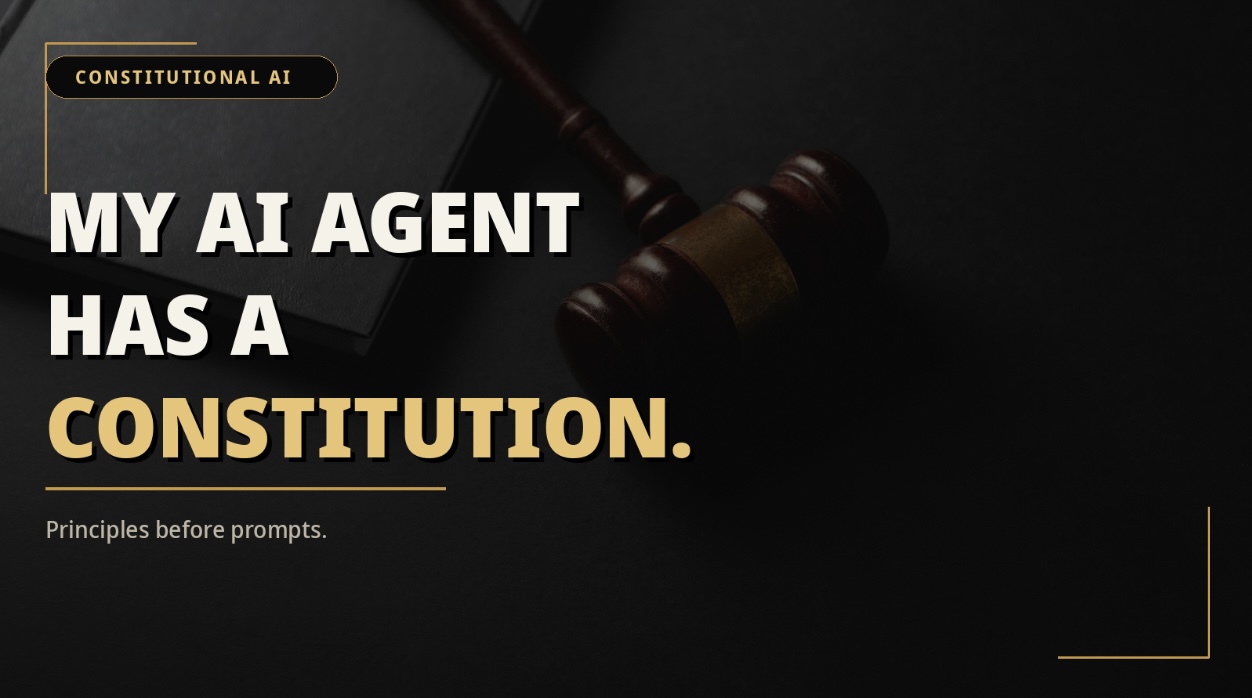
Thirdly, AI developers themselves must adopt a “child-first” design philosophy. This means building AI systems with built-in safeguards against manipulation, age-appropriate content filters that are robust and difficult to bypass, and strict data privacy protocols that protect children’s personal information. Companies like Anthropic, with their focus on constitutional AI, offer a glimpse into a future where ethical guardrails are baked into the system, but this needs to become the industry standard, not an exception. Their eyes lit up when they told me about the potential for AI to be a force for good, but that good must start with safety.
The time for debate is over; the time for decisive action is now. We cannot afford to wait until the next generation carries the scars of unchecked AI. From the bustling markets of Sandaga to the quiet villages along the Casamance, our children are watching, learning, and growing in a world increasingly shaped by algorithms. It is our sacred duty, our teranga, to ensure that this new world is one of safety, truth, and genuine human connection, not one where their innocence is manipulated by unseen digital hands. Let us remember the wisdom of our ancestors: “Ndongo dafa war a am njàng ak yar,” a child needs both education and good upbringing. And in this digital age, that upbringing must include protection from the very technology we create. We must demand that the global tech giants, from Google to OpenAI, step up and protect our future, our children. For if we fail them, we fail ourselves. For more insights into the evolving landscape of AI ethics and regulation, you can explore resources like Wired's AI section. The conversation is ongoing, and our voices, especially from the Global South, must be heard loud and clear. We need to ensure that the future of AI is built not just on innovation, but on profound responsibility and care for our youngest citizens. The BBC News Technology section also provides excellent global coverage of these critical issues.