
The morning sun was just beginning to paint the iconic silhouette of Table Mountain, casting long shadows across the bustling streets of Cape Town. I was sipping my rooibos, scrolling through the news on my phone, when the headline hit me like a cold front: Google, the tech giant that shapes so much of our digital lives, was laying off thousands of employees worldwide. My first thought was for the families affected, for the dreams deferred, for the sudden uncertainty that now hangs over so many. My second thought, almost immediately, was for us, here in Africa, and the stark contrast of this news against the backdrop of Google's simultaneous, massive investment in AI data centers. It's a paradox that demands our attention, a tale of two futures unfolding simultaneously.
This isn't just a tech story because it's a justice story. The news broke this past week, confirming that Google, under Sundar Pichai's leadership, has initiated another significant round of layoffs, impacting various departments globally. While the exact numbers for South Africa are still emerging, the ripple effects are undeniable. At the same time, the company announced plans to invest an additional $10 billion into AI infrastructure, including new data centers and advanced computing facilities, to power its ambitious AI initiatives like Gemini. Let that sink in. Jobs are being cut, lives are being disrupted, yet the coffers are wide open for the machines. It begs the question: what kind of progress are we truly pursuing?
"This pattern is deeply concerning," stated Dr. Naledi Mkhize, a leading economist at the University of Johannesburg, when I spoke with her yesterday. "We are seeing a global trend where capital is being reallocated from human labor to automated intelligence. For developing economies like South Africa, which desperately need job creation, this creates a significant challenge. We risk being left behind, not just digitally, but economically and socially, if we don't strategically engage with these shifts." Her words echo a sentiment I've heard repeatedly in conversations across townships and boardrooms alike. The digital divide, already a chasm, threatens to widen into an abyss.
The official reaction from Google has been predictable, focusing on 'strategic realignment' and 'optimizing for future growth' in the AI era. In a recent internal memo, a snippet of which was leaked to the press, Sundar Pichai reportedly emphasized the necessity of these tough decisions to ensure Google's long-term competitiveness in the rapidly evolving AI landscape. He spoke of the need to be 'leaner and more agile' to innovate at speed. But what about the human cost of this agility? What about the communities that rely on these jobs, directly and indirectly?
Here's the thing nobody's talking about enough: the narrative often presented is that AI will create new, better jobs. While that may be true in some highly specialized sectors, the immediate reality for many is job displacement. We are seeing a shift, not just in the type of work, but in the very philosophy of value creation. Is the value of a human being, their skills, their contribution to a team, now less than the potential of an algorithm? This is a question that cuts to the core of our Ubuntu philosophy, which teaches us that 'I am because we are.' How can we truly be if our 'we' is being systematically dismantled for the sake of technological advancement that benefits a select few?
Local tech leaders are grappling with this unfolding scenario. "We understand the need for innovation, but it cannot come at the expense of our people," commented Mr. Thabo Mokoena, CEO of a prominent Johannesburg-based fintech startup, during a panel discussion I attended this morning. "Google's investments in data centers are massive, and we welcome the potential for increased computational power on the continent. However, if that power is only used to automate away existing jobs without a clear strategy for reskilling and empowering our workforce, then it's a net loss for our society. We need partnerships, not just platforms." His point is critical: the infrastructure must serve the people, not just the profits.
Expert analysis from organizations like MIT Technology Review has consistently highlighted the ethical dilemmas inherent in rapid AI deployment. The sheer scale of Google's investment, reportedly reaching into the tens of billions over the next few years, dwarfs many national budgets in Africa. This concentration of power and resources raises serious questions about who controls the future of intelligence and who benefits from it. Are we, as a continent, merely consumers of this technology, or can we become meaningful contributors and shapers of it?
What happens next is crucial. For South Africa, this moment presents both a challenge and an opportunity. The government, through institutions like the Department of Communications and Digital Technologies, needs to engage proactively with these global tech giants. We need to advocate for policies that ensure AI development is inclusive, that it prioritizes job creation and skills development, and that it respects the sovereignty of our data. We cannot afford to be passive observers. We must demand a seat at the table, not just as a market, but as a partner in shaping the future of AI.
"The onus is also on our local innovators and entrepreneurs," argued Ms. Zola Ngcobo, founder of a non-profit focused on digital literacy in rural areas. "We cannot wait for Silicon Valley to solve our problems. We must build our own solutions, powered by AI, yes, but guided by our own values and needs. This means investing in local talent, fostering an ecosystem of African AI startups, and ensuring that our youth have access to the education and resources they need to thrive in this new landscape." Her organization, for example, is piloting programs that teach foundational AI skills using accessible mobile platforms, recognizing that the future of work will demand a digitally literate populace.
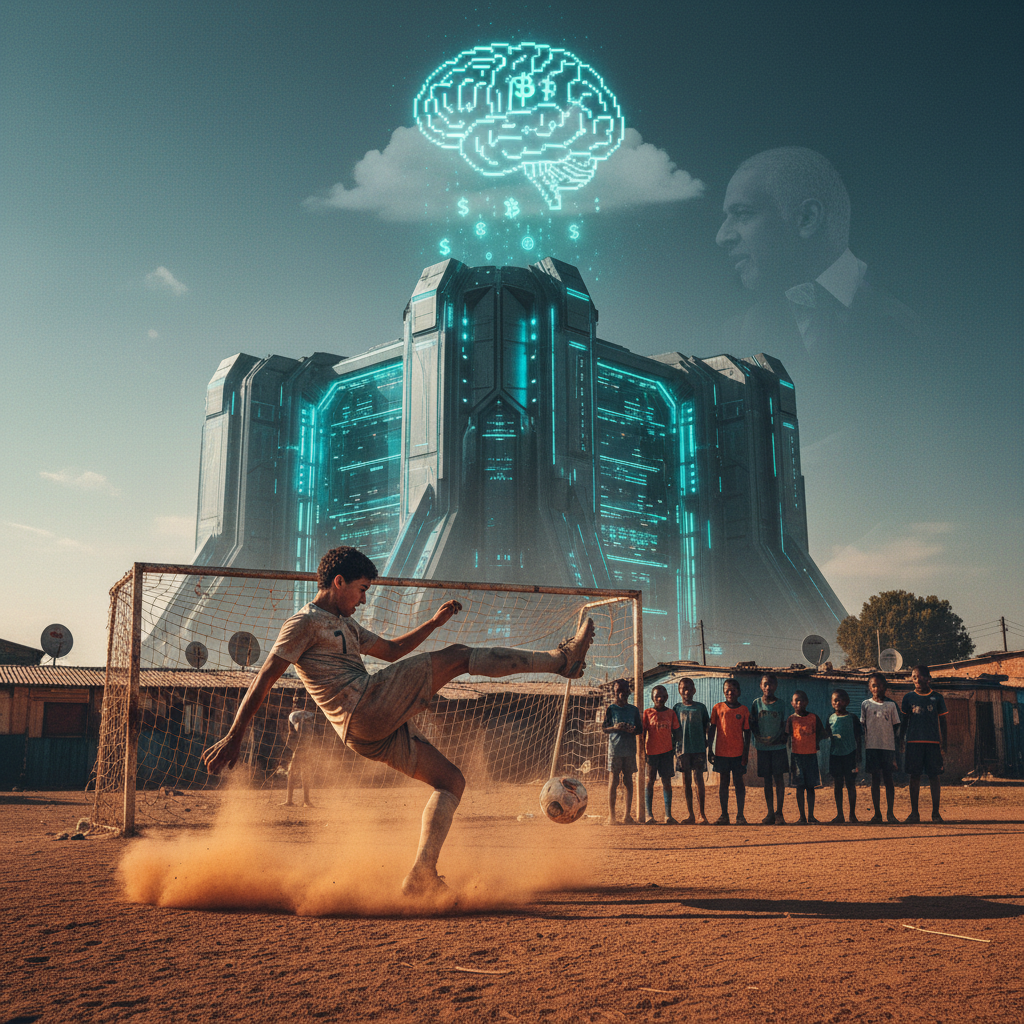
The implications for sports, oddly enough, are also beginning to surface. While not directly linked to the layoffs, the massive AI data center investments will fuel advanced analytics, personalized fan experiences, and even AI-powered coaching for elite sports. Will this technology be accessible to all, or will it further entrench existing inequalities between well-funded teams in the global North and those in the global South? It's a microcosm of the larger equity question. If AI makes sports smarter, faster, and more engaging, who gets to play that game? Will our local talent, often discovered on dusty fields with worn out equipment, be able to leverage these advancements, or will they remain on the periphery?
This breaking news isn't just about Google's balance sheet or its strategic shifts. It's about the very fabric of our society, about the dignity of work, and about ensuring that technological progress serves humanity, not the other way around. As we navigate this complex terrain, we must hold onto our values, advocate for those whose voices are often unheard, and demand a future where innovation lifts all boats, not just the biggest yachts. The time for complacency is over. The future is being coded right now, and we must ensure our fingerprints are on the keyboard, shaping it for the good of all. For more on the broader implications of AI's rapid growth and its impact on society, you can always check out articles on Wired's AI section. The conversation is just beginning.