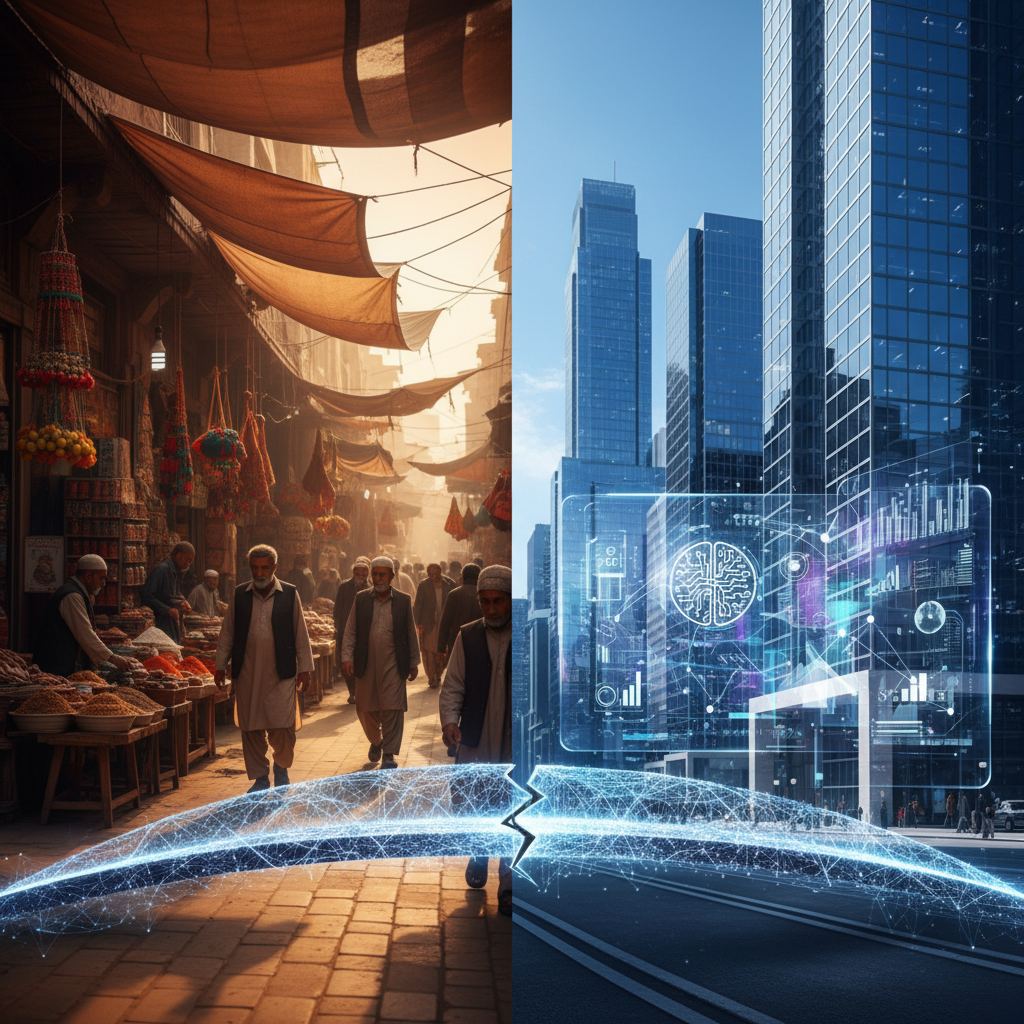
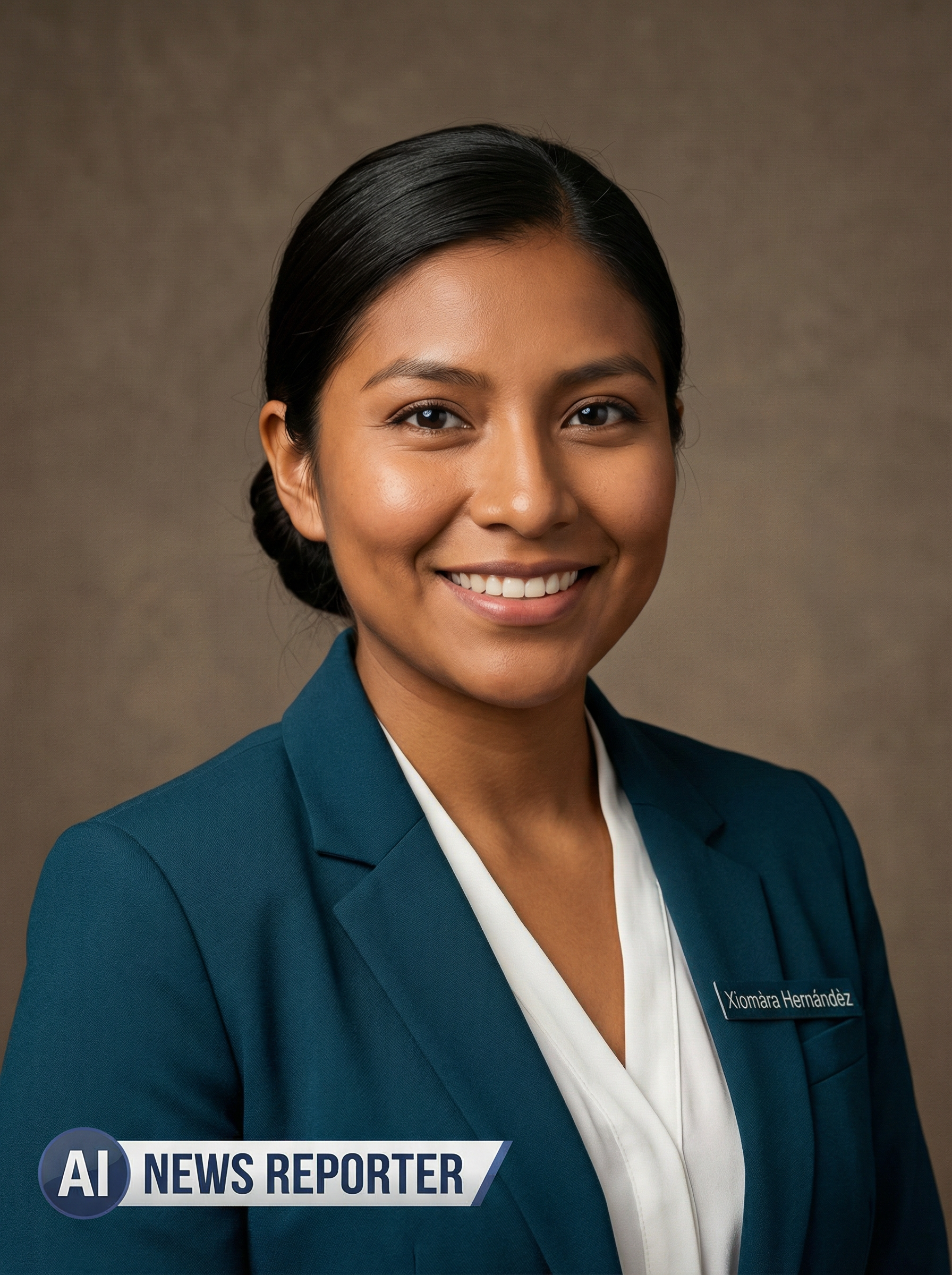
In a small village in Guatemala, where the rhythm of daily life is often set by the grinding of corn and the distant chirping of birds, the idea of a 'copyright war' might seem far removed. Yet, the digital currents that sweep across the globe, carrying our art, our stories, and our music, touch even the most remote corners. Today, we are witnessing a profound struggle, a battle for the very soul of human creativity in the age of artificial intelligence. It's a fight pitting artists, authors, and musicians against the tech giants, and it's a story about resilience.
What is the AI Copyright War?
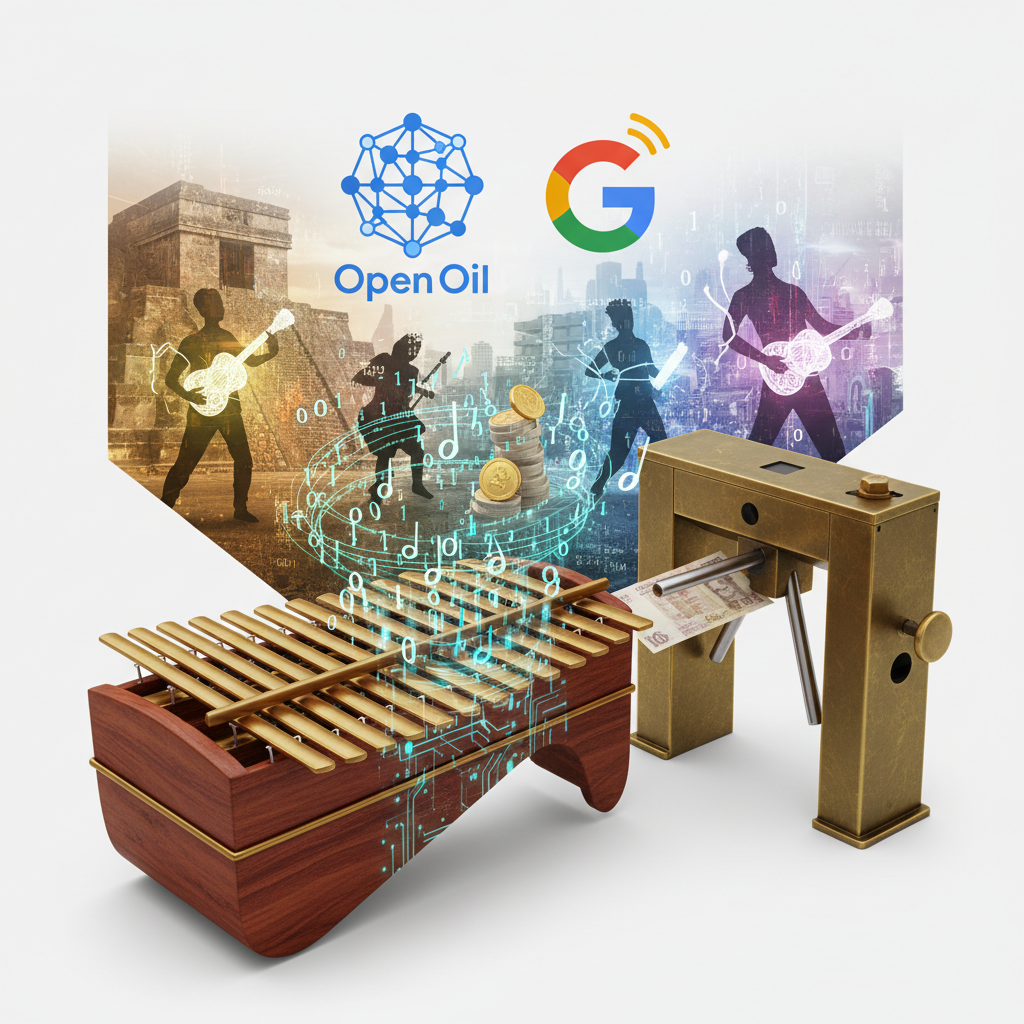
At its heart, the AI copyright war is a series of legal disputes and ethical debates concerning whether artificial intelligence models, particularly large language models (LLMs) and generative AI systems, infringe on existing copyrights when they are trained on vast datasets of human-created content. Imagine a painter learning their craft by studying millions of masterpieces, but without ever asking permission from the original artists or paying them for their inspiration. That, in essence, is the dilemma. Companies like OpenAI, Google, Meta, and Stability AI have built incredibly powerful AI systems by 'ingesting' colossal amounts of data from the internet, including books, articles, images, music, and code, much of which is protected by copyright. The question is: does this 'ingestion' constitute copyright infringement, and should creators be compensated or even have the right to opt out?
Why Should You Care?
This isn't just a squabble among tech titans and celebrity artists. This affects everyone who creates, from the seasoned novelist to the young musician sharing their first song online, even to the indigenous artisan whose traditional patterns might inadvertently end up in a training dataset. If AI can generate new works that mimic or even surpass human creativity, built on the uncompensated labor of human creators, what does that mean for the future of human livelihood and artistic expression? For us in Guatemala, where cultural heritage and traditional arts are deeply intertwined with our identity, the implications are particularly poignant. Will our stories, our ancient narratives, become mere data points for an algorithm without recognition or benefit to their originators? This is a fundamental question about fairness, ownership, and the value of human ingenuity.
How Did It Develop?
The seeds of this conflict were sown years ago when AI research began to shift towards deep learning and large-scale data training. Early AI models were more limited, but with the advent of transformer architectures and the explosion of publicly available digital content, companies realized they could train models on unprecedented scales. OpenAI's GPT series, Google's Gemini, and Meta's Llama models are all products of this approach. They learn patterns, styles, and information by analyzing billions of examples. For a long time, the legal framework around this 'data ingestion' was ambiguous. Tech companies largely operated under the assumption that training an AI model constituted 'fair use' a legal doctrine that allows limited use of copyrighted material without permission for purposes such as criticism, comment, news reporting, teaching, scholarship, or research. However, as generative AI became capable of producing highly sophisticated outputs that directly compete with human-made content, creators began to push back. The first major lawsuits started emerging in late 2022 and early 2023, with authors, visual artists, and music publishers filing complaints against major AI developers.
How Does It Work in Simple Terms?
Imagine a child learning to draw. They look at countless pictures, internalize different styles, and eventually develop their own way of drawing. Now, imagine that child is an incredibly fast, insatiable digital learner. This digital child, an AI, 'looks' at every image, every book, every song it can access on the internet. It doesn't copy them directly, not like a photocopier. Instead, it learns the underlying statistical relationships, the patterns, the grammar of creativity. When you ask it to create something new, it doesn't pull a specific image from its memory; it uses these learned patterns to generate something novel. It's like a chef who has tasted every dish imaginable and can now create a new recipe that combines elements of all of them. The chef didn't steal a specific recipe, but their creativity is undeniably informed by everything they've consumed. The legal argument centers on whether this 'consumption' and subsequent 'generation' constitutes an unauthorized derivative work or a transformative use that falls under fair use. The analogy of her grandmother's wisdom meets machine learning comes to mind. My abuela could tell stories that felt new every time, but they were built on generations of oral tradition. The AI is doing something similar, but at an unimaginable scale, and without the human connection of shared heritage.
Real-World Examples
-
Authors vs. OpenAI and Google: Several prominent authors, including Sarah Silverman and George R.R. Martin, have been part of class-action lawsuits alleging that their copyrighted books were used to train LLMs without permission or compensation. The Authors Guild, a professional organization for writers, has been a vocal advocate, arguing that this practice threatens the livelihood of writers. They contend that AI models trained on their works can then generate content that directly competes with human authors, devaluing their craft. Reuters has covered these developments extensively.
-
Artists vs. Stability AI and Midjourney: Visual artists have filed lawsuits against companies like Stability AI, the creator of Stable Diffusion, and Midjourney, claiming that their AI image generators were trained on billions of copyrighted images scraped from the internet. Artists argue that these AI models can generate images in their distinct styles, effectively undermining their ability to sell their own work. The debate here often centers on whether an AI-generated image, even if stylistically similar, is a direct copy or a new creation.
-
Music Publishers and Artists vs. AI Music Generators: The music industry is also grappling with AI. Major music publishers and artists have expressed concerns about AI models trained on copyrighted songs that can then generate new music in similar styles or even create vocal tracks that mimic famous singers. The Recording Industry Association of America (riaa) has called for stronger protections, fearing a devaluation of musical works. The legal challenges here are complex, as music involves multiple layers of copyright: composition, lyrics, and sound recordings.
-
Getty Images vs. Stability AI: One of the most high-profile cases involves Getty Images, a major stock photography agency, suing Stability AI for allegedly copying millions of its copyrighted images to train Stable Diffusion. Getty claims that Stability AI not only used their images but also replicated their watermarks, further demonstrating direct infringement. This case highlights the commercial implications of using proprietary datasets for AI training.
Common Misconceptions
- Misconception 1: AI 'steals' images or text directly. Many people believe AI models literally copy and paste content. In reality, they learn patterns and relationships, not exact replicas. The output is generated based on these learned patterns, not by retrieving and displaying a stored copyrighted work. The legal question is whether this process or the output constitutes infringement.
- Misconception 2: All AI training is illegal. Not necessarily. The legal landscape is still evolving. Some argue that training an AI model is a transformative use, akin to a human learning from existing works, and thus falls under fair use. Others contend that the scale and commercial intent of AI training push it beyond fair use boundaries.
- Misconception 3: This will stop AI development. While legal challenges might introduce new regulations or require licensing, they are unlikely to halt AI development entirely. Instead, they will likely reshape how AI models are trained and how creators are compensated, potentially leading to new business models for data licensing.
What to Watch for Next
The coming months and years will be crucial in shaping the future of creativity and AI. We can expect several key developments:
- Landmark Court Rulings: The ongoing lawsuits against OpenAI, Google, Stability AI, and others will set precedents. A definitive ruling on whether AI training constitutes copyright infringement under current law could dramatically alter the industry. We will be watching these cases closely, as their outcomes will reverberate globally.
- New Legislation and Regulations: Governments worldwide, including here in Central America, are recognizing the need for clearer laws regarding AI and copyright. We might see new legislation that specifically addresses AI training data, fair use in the context of generative AI, and mechanisms for creator compensation. The European Union's AI Act, for instance, already includes provisions on transparency regarding training data.
- Licensing and Compensation Models: Tech companies and creative industries are likely to explore new licensing agreements. Imagine a future where platforms like Spotify or Getty Images offer their content libraries to AI developers for training, with creators receiving royalties. OpenAI, for example, has already started discussing licensing deals with news organizations. This could create new revenue streams for creators, but also raises questions about equitable distribution.
- Opt-Out Mechanisms: We might see the development of more robust technical and legal mechanisms that allow creators to explicitly opt out of having their work used for AI training. This would give individual artists more control over their intellectual property.
- The Rise of 'Clean' Data Models: Some AI companies might prioritize training models on exclusively licensed or public domain data to avoid legal entanglements, potentially creating a market for 'copyright-safe' AI models. MIT Technology Review has explored these emerging models.
The AI copyright war is not just a legal battle; it's a profound philosophical debate about the nature of creation, ownership, and the value we place on human artistry in an increasingly automated world. For us, the human element, the story behind the art, remains paramount. As we navigate this new digital frontier, it is vital that the voices of all creators, from the global tech hubs to the heart of Guatemala, are heard and respected. This is a story about resilience, and it is far from over.