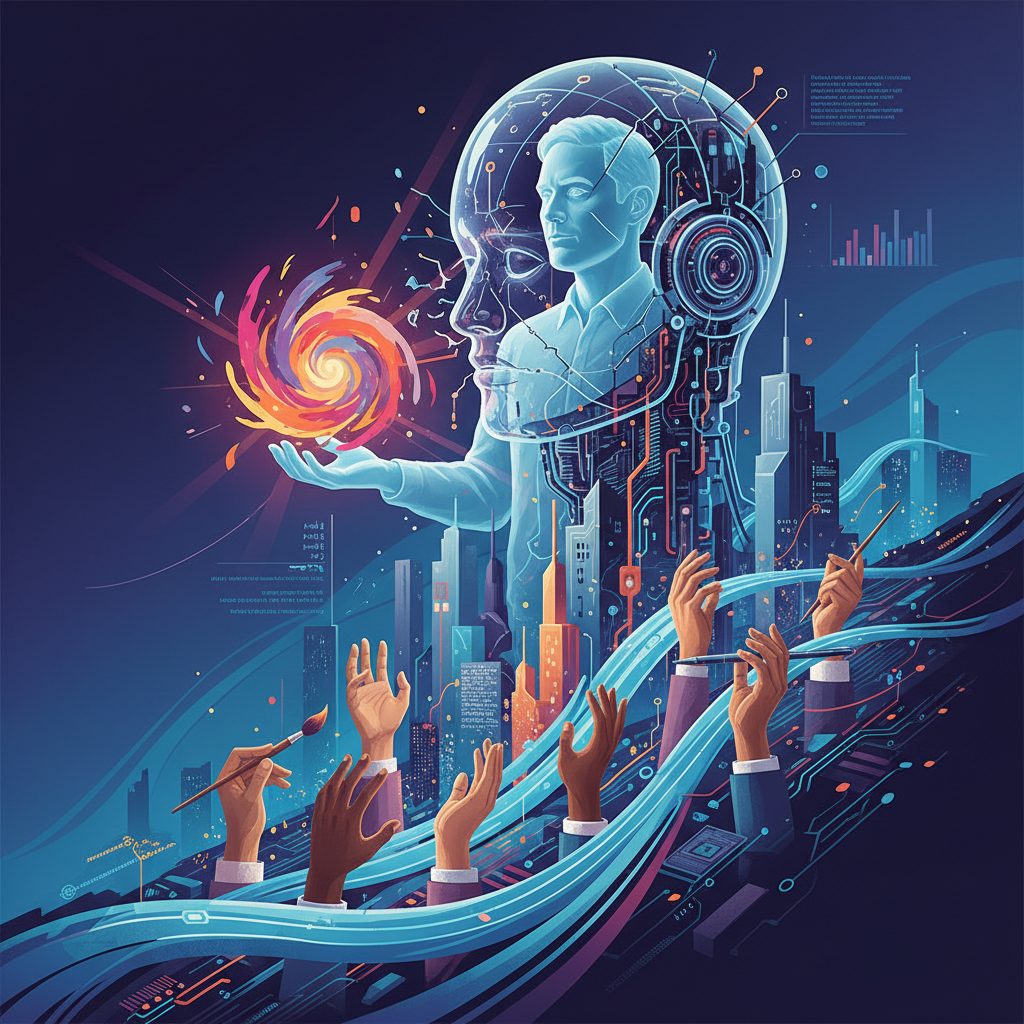
Let's be real, folks. We're living through a moment that feels like the wild west, but instead of gold, everyone's chasing data and algorithms. And right in the middle of this digital land rush, we've got a question that's going to define the next century: who owns what an AI creates? Is it the company that built the model, the engineers who trained it, the artists whose work fed its neural networks, or some nebulous 'AI entity' itself? My take, and I'm not shy about it, is that the answer has to lean heavily towards humanity, or we risk losing something fundamental about our creative spirit and economic justice.
We've seen the headlines, haven't we? Artists, writers, musicians, they're all raising alarms. They see their life's work, their unique styles, being hoovered up by powerful AI models from giants like OpenAI and Google DeepMind, then spit out in new forms. Sometimes it's a pastiche, sometimes it's eerily similar, but always, always, it raises the question of credit and compensation. The current intellectual property framework, built for a world of human creators, is straining under the weight of generative AI. It's like trying to fit a square peg into a digital black hole, it just doesn't work.
My position is clear: the output of a generative AI, particularly when it's directly mimicking or drawing heavily from existing human works, should not automatically be granted the same copyright protections as original human creation. Furthermore, the creators whose work was used to train these models deserve a seat at the table, and a slice of the pie. This isn't about stifling innovation, it's about fair play. It's about recognizing that AI is a tool, a powerful one, but a tool nonetheless. A paintbrush doesn't own the painting, and a camera doesn't own the photograph. Why should an algorithm be any different?
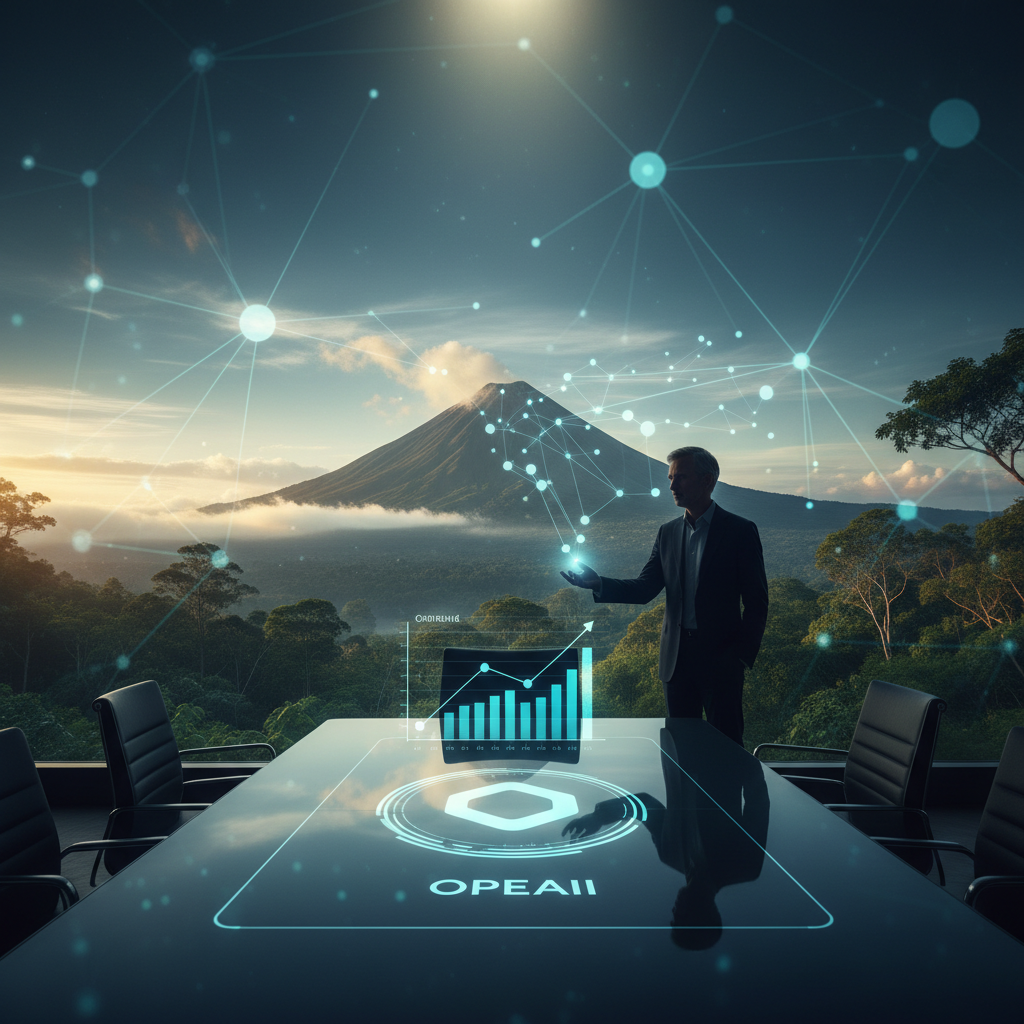
Think about it. We're talking about models that have ingested petabytes of data, much of it copyrighted material, without explicit consent or compensation to the original creators. Sam Altman, CEO of OpenAI, has spoken about the transformative power of AI, and I agree, it's immense. But transformation shouldn't come at the cost of exploitation. "We're building tools to empower human creativity, not replace it," Altman might say, and I believe that's the ideal. But the reality on the ground, for many artists in places like Atlanta or Detroit, feels a lot like replacement without recognition. This is the real AI revolution, and it needs to be built on a foundation of equity, not just technological prowess.
Now, I hear the counterarguments. The big tech companies, and their legions of lawyers, will tell you that training an AI on public data is 'fair use.' They'll argue that the AI is creating something 'new and transformative,' even if it learned from existing works. They'll say that trying to track every piece of data and compensate every creator is an impossible task, a logistical nightmare that would grind innovation to a halt. They'll point to the massive investments in research and development, the billions poured into these models by companies like Microsoft and NVIDIA, and argue that their risk deserves reward. And sure, there's a kernel of truth in some of that.
But let's unpack that. The 'fair use' argument is a legal gray area that was never designed for this scale of data ingestion. It was for a student quoting a book, not a multi-billion dollar model consuming entire libraries. And 'new and transformative' is subjective. If an AI generates a song that sounds exactly like a new Taylor Swift track, is that truly transformative, or is it just sophisticated mimicry? The impossibility of tracking data is a challenge, not an excuse. We've built complex systems for royalty collection in music and publishing for decades. This isn't an insurmountable problem, it's an economic one, and it requires political will.
As for the investment argument, nobody's denying the genius and effort behind these models. Jensen Huang at NVIDIA has built an empire on the back of AI's insatiable hunger for processing power. But the value these companies are creating is derived, in large part, from the existing human creative output they've consumed. It's a symbiotic relationship, not a parasitic one, and the symbiosis needs to be acknowledged and fairly compensated. We need to move beyond the idea that just because something is technologically advanced, it's automatically ethically sound.
So, what's the path forward? We need new legal frameworks, and we need them fast. The US Copyright Office has already started grappling with this, issuing guidance that generally states AI-generated works without significant human input aren't copyrightable. That's a good start, but it's not enough. We need to explore mechanisms like collective licensing, where AI companies pay into a fund that then distributes royalties to creators whose work was used for training. Think of it like a digital Ascap or BMI for AI training data. This isn't some far-fetched idea; it's a practical solution that respects both innovation and creation.
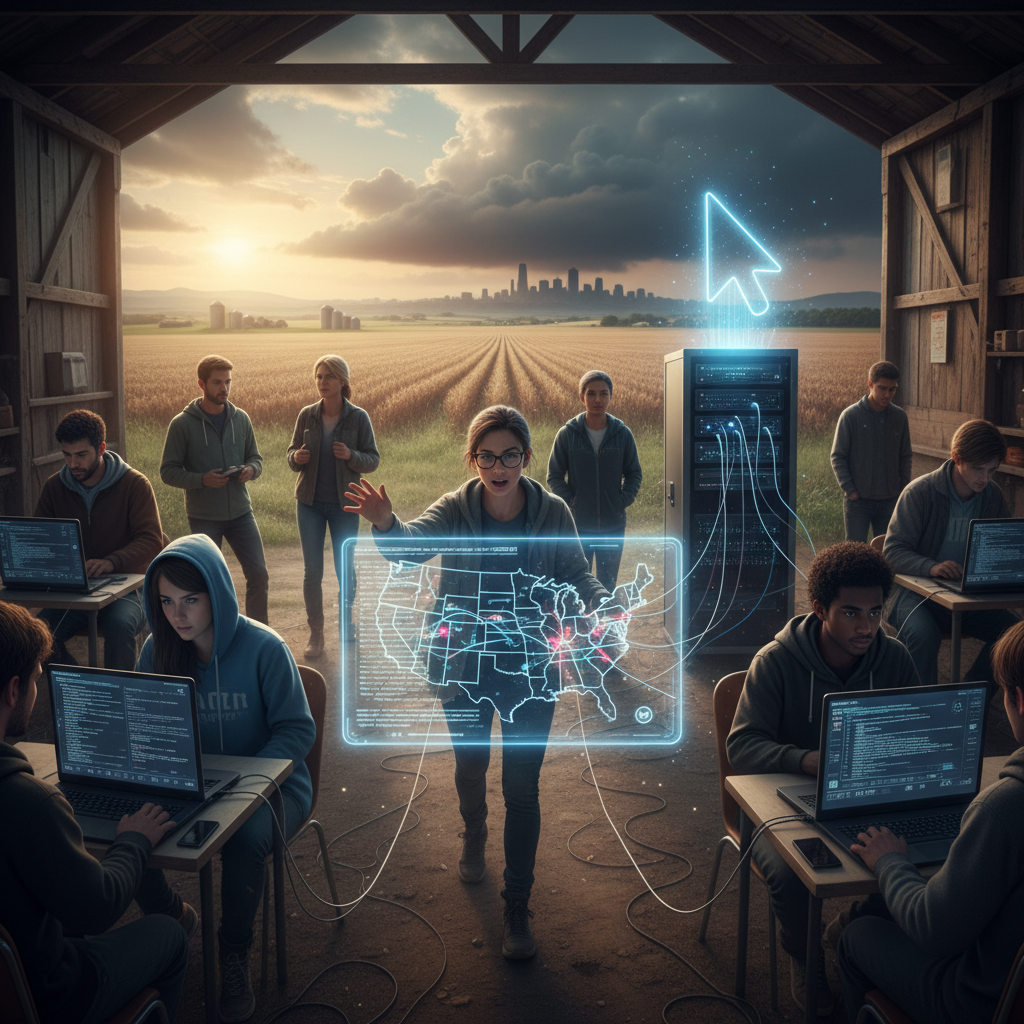
Furthermore, transparency is key. AI models should be required to disclose their training data sources, or at least provide auditable records. This would allow creators to identify if their work has been used and seek appropriate compensation. It's not about shutting down AI; it's about building it responsibly, with an eye towards a future where human creativity isn't devalued but amplified. We need to remember that the future of AI is being built in places you'd never expect, not just the gleaming campuses of Silicon Valley, but in the studios and homes of artists who are now grappling with these very questions.
This isn't just a legal squabble; it's a societal choice. Do we want a future where creativity becomes a commodity, endlessly replicated and devalued by machines, or one where AI serves as a powerful new medium that empowers human expression and creates new economic opportunities for all? I believe in the latter. It's going to take courage from lawmakers, foresight from tech leaders, and unwavering advocacy from the creative community. But the stakes are too high to get this wrong. The soul of our creative economy depends on it. For more on the legal and ethical challenges, check out MIT Technology Review. The conversation is just getting started, and it's one we all need to be a part of. The fight for fair use and creator rights in the age of AI isn't just for the artists, it's for everyone who values originality and human ingenuity. For more on how startups are navigating this, TechCrunch often covers new approaches. And if you want to dive deeper into the technical side of how these models are trained, Ars Technica has some great explainers.