
US Congress Debates Urgent AI Regulatory Framework Amidst Election Concerns
As the 2026 midterm elections loom, Congress is grappling with drafting comprehensive AI regulations, focusing on deepfakes and data privacy, amidst bipartisan calls for action and industry lobbying.

WASHINGTON D.C. – April 16, 2026 – The halls of Capitol Hill are buzzing with renewed urgency as lawmakers grapple with the complex task of regulating artificial intelligence, particularly with the 2026 midterm elections now firmly on the horizon. Concerns over the potential misuse of generative AI, especially deepfake technology, to influence public opinion and disrupt democratic processes have escalated, pushing AI regulation to the forefront of the legislative agenda.
Bipartisan efforts are underway in both the House and Senate to draft comprehensive frameworks, though significant hurdles remain. Senator Evelyn Reed (D-NY), a vocal advocate for robust AI oversight, emphasized the critical juncture at a recent press conference. "We are at a pivotal moment. The rapid advancement of AI presents incredible opportunities, but also profound risks to our societal fabric, particularly our electoral integrity. We cannot afford to be reactive; proactive legislation is paramount to safeguard our democracy from malicious AI-generated content," Senator Reed stated.
Key areas of debate include mandating clear labeling for AI-generated content, establishing liability for harmful deepfakes, and strengthening data privacy protections that underpin AI training models. Tech industry giants, while acknowledging the need for guardrails, are actively lobbying against overly restrictive measures they argue could stifle innovation. "We believe in responsible AI development," commented Dr. Alan Finch, Chief Policy Officer at 'InnovateUSA', a prominent tech advocacy group. "However, any regulatory framework must be carefully balanced to avoid stifling the very innovation that keeps America competitive on the global stage. We need sandboxes, not iron cages."
Critics, including civil liberties organizations, are pushing for stronger protections for individuals. Maria Rodriguez, Legal Director for the 'Digital Rights Alliance', highlighted the potential for surveillance and algorithmic bias. "While deepfakes are a clear and present danger, we must not overlook the broader implications of AI on privacy and equitable treatment. Any bill must include robust provisions against discriminatory algorithms and ensure transparency in how AI systems make decisions that impact citizens' lives," Rodriguez urged in a recent testimony before the House Committee on Technology and Innovation.
Sources close to the House Judiciary Committee indicate that a draft bill, tentatively named the 'AI Accountability and Election Integrity Act of 2026', is expected to be introduced before the summer recess. This legislation reportedly includes provisions for federal agencies to establish AI ethics guidelines, impose fines for the creation and dissemination of unlabelled deepfakes intended to deceive, and explore the creation of a national AI safety board. The path to passage, however, is expected to be contentious, as lawmakers navigate the intricate balance between fostering technological advancement and protecting public trust and national security in an increasingly AI-driven world.
Related Articles
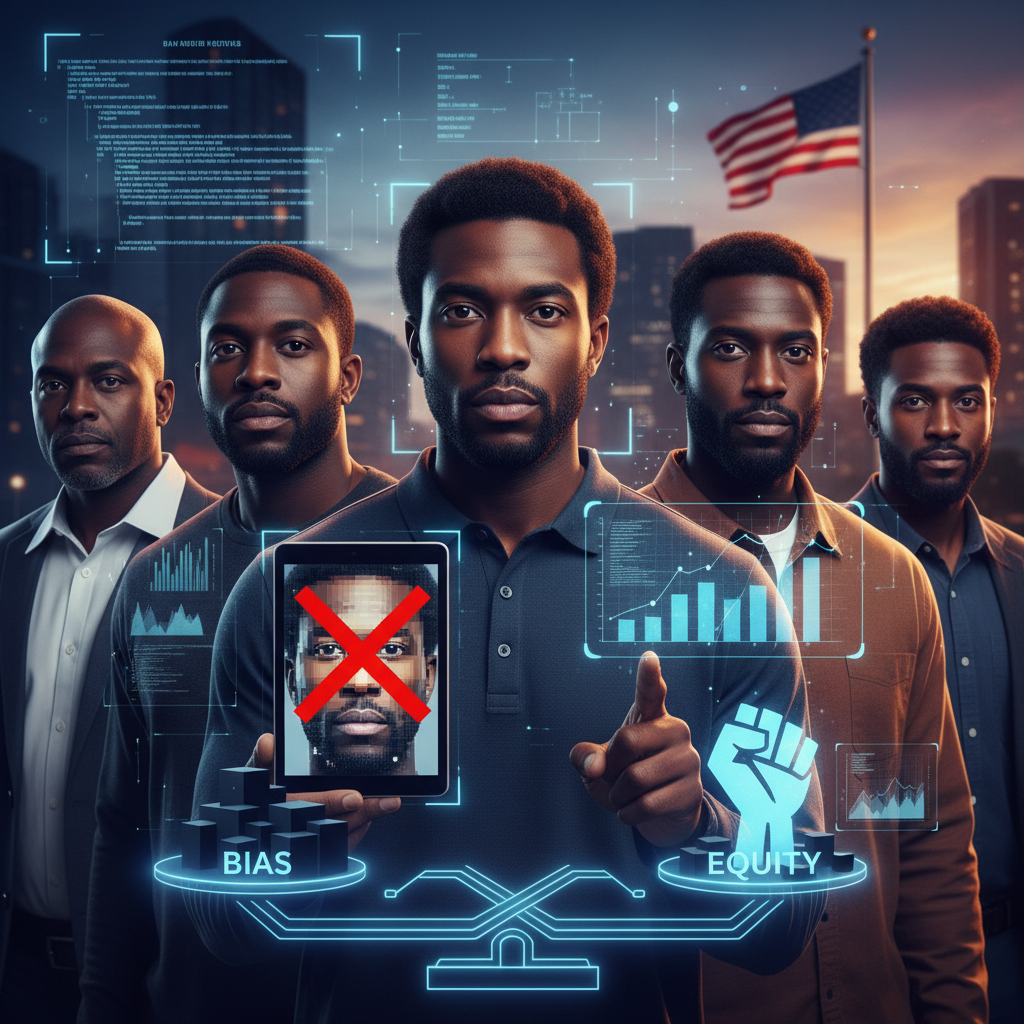
AI's Algorithmic Bias: A New Frontier in the Fight for Digital Equity for Black Men
 Deshawné Thompsòn
Zambia's AI Strategy: Bridging the Digital Gender Divide for Inclusive Growth
 Lindiwe Sibandà
Tajikistan Navigates AI's Geopolitical Currents Amidst Regional Digital Push
 Ismaìlè Rahimovì
Vietnam's AI Strategy: Empowering Women in Tech, Shaping National Digital Future
 Ngo Thi Huừngé