
AI's Algorithmic Bias: A New Frontier in the Fight for Digital Equity for Black Men
As AI integration accelerates across American industries, concerns are mounting over algorithmic bias disproportionately impacting Black men, from hiring to criminal justice. Experts call for immediate, equitable development and oversight.
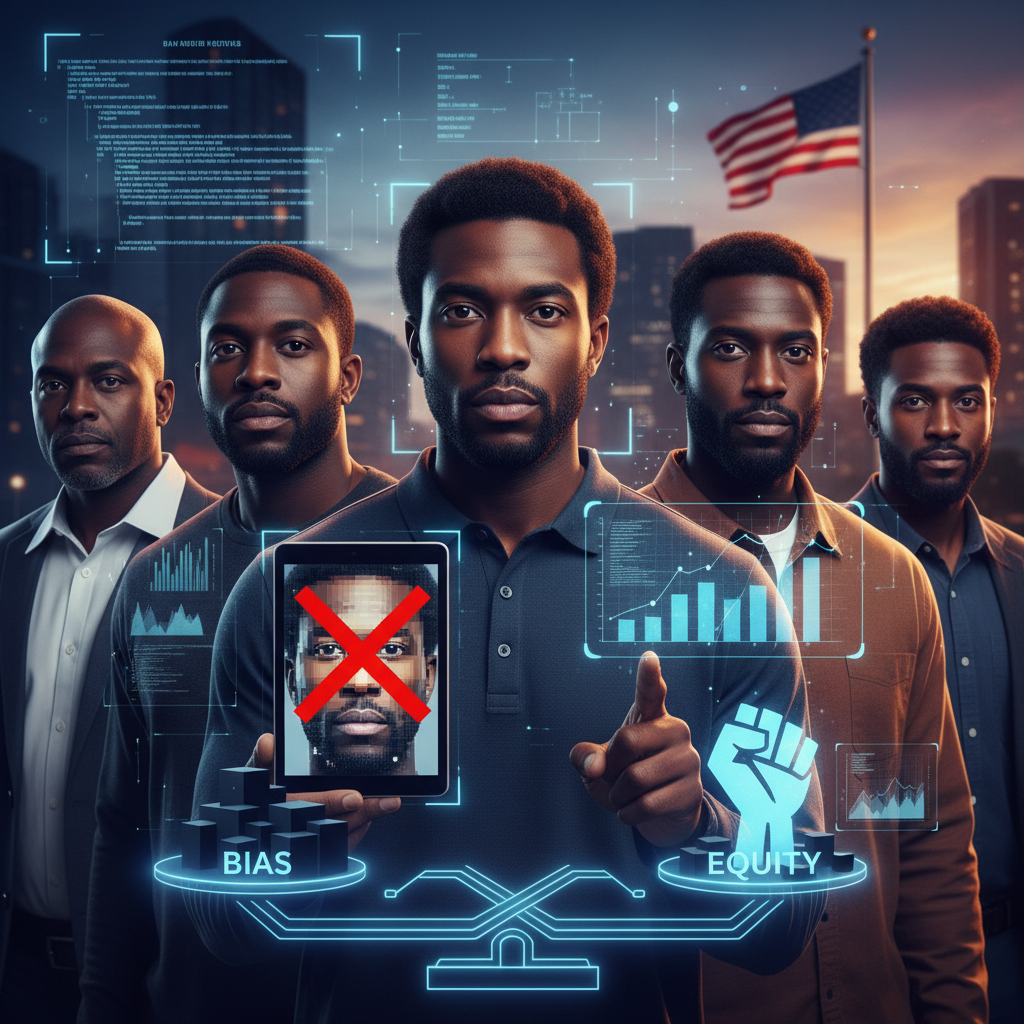
WASHINGTON D.C. – April 2026 – The rapid proliferation of Artificial Intelligence (AI) across American society, from predictive policing to automated hiring systems, is raising urgent questions about its equitable application, particularly for African American men. While AI promises efficiency and innovation, a growing chorus of voices, including civil rights advocates and tech ethicists, warns that unchecked algorithmic bias could exacerbate existing systemic inequalities, creating a new digital frontier in the ongoing struggle for justice.
"We've seen this movie before, just with different actors," states Dr. Marcus Thorne, a leading AI ethicist and director of the Digital Justice Initiative at Howard University. "When the data used to train these powerful AI models reflects historical biases – whether in employment records, financial histories, or even judicial outcomes – the AI doesn't just learn; it amplifies those biases. For Black men, who have historically faced systemic discrimination in these very areas, the implications are dire."
Recent studies have highlighted these disparities. A report from the Algorithmic Accountability Project, based in Atlanta, revealed that facial recognition software frequently misidentifies Black men at higher rates than other demographics, leading to wrongful arrests or increased scrutiny. Similarly, AI-powered resume screening tools, designed to streamline hiring, have been found to inadvertently penalize candidates with names or educational backgrounds commonly associated with Black communities, even when qualifications are equal or superior.
"This isn't about blaming the technology itself, but about scrutinizing the human decisions and historical data that feed it," explains Aisha Rahman, a senior policy advisor at the National Urban League's Technology & Policy division. "If an AI is trained on decades of hiring data where Black men were systematically underrepresented or undervalued, it will learn to perpetuate that pattern. We need diverse teams building these algorithms, and we need robust, independent audits to ensure fairness and transparency."
Local initiatives are attempting to push back. In cities like Chicago and New York, community organizations are partnering with tech firms to pilot 'bias-busting' AI models, focusing on diverse data sets and incorporating feedback from affected communities. The Black Tech Collective in Detroit, for example, is developing an open-source framework for evaluating AI fairness specifically tailored to urban minority populations.
However, the scale of the challenge is immense. "The digital divide is not just about access to broadband anymore; it's about equitable access to opportunity in an AI-driven world," Dr. Thorne emphasizes. "We must ensure that as AI reshapes our economy and society, it doesn't leave Black men further behind. This requires legislative action, corporate responsibility, and sustained community advocacy. The fight for digital equity is the civil rights struggle of our time."
As AI continues its march into every facet of American life, the imperative to address algorithmic bias head-on becomes increasingly critical. For African American men, the stakes are not just about convenience or efficiency, but about fundamental fairness and the promise of a truly equitable future.
Related Articles

AI's Ethical Frontier: White House Task Force Grapples with Bias in Public Sector Algorithms
 Amèlia Whitè
AI's 'Glass Ceiling' for Women: A New Frontier for Equity in Tech
Amèlia Whitè
Naija's AI Odyssey: Bridging the Digital Divide with Indigenous Innovation
 Chukwuemekà Obiechè
Algeria's AI Ambition: Bridging the Digital Divide with Local Innovation
 Abderrahmàn Bensoussàn