Naija's AI Odyssey: Bridging the Digital Divide with Indigenous Innovation
Nigeria is making significant strides in AI, with local developers and institutions leveraging indigenous languages and data to create solutions tailored for the African continent, aiming to democratize access and foster economic growth.
Naija's AI Odyssey: Bridging the Digital Divide with Indigenous Innovation
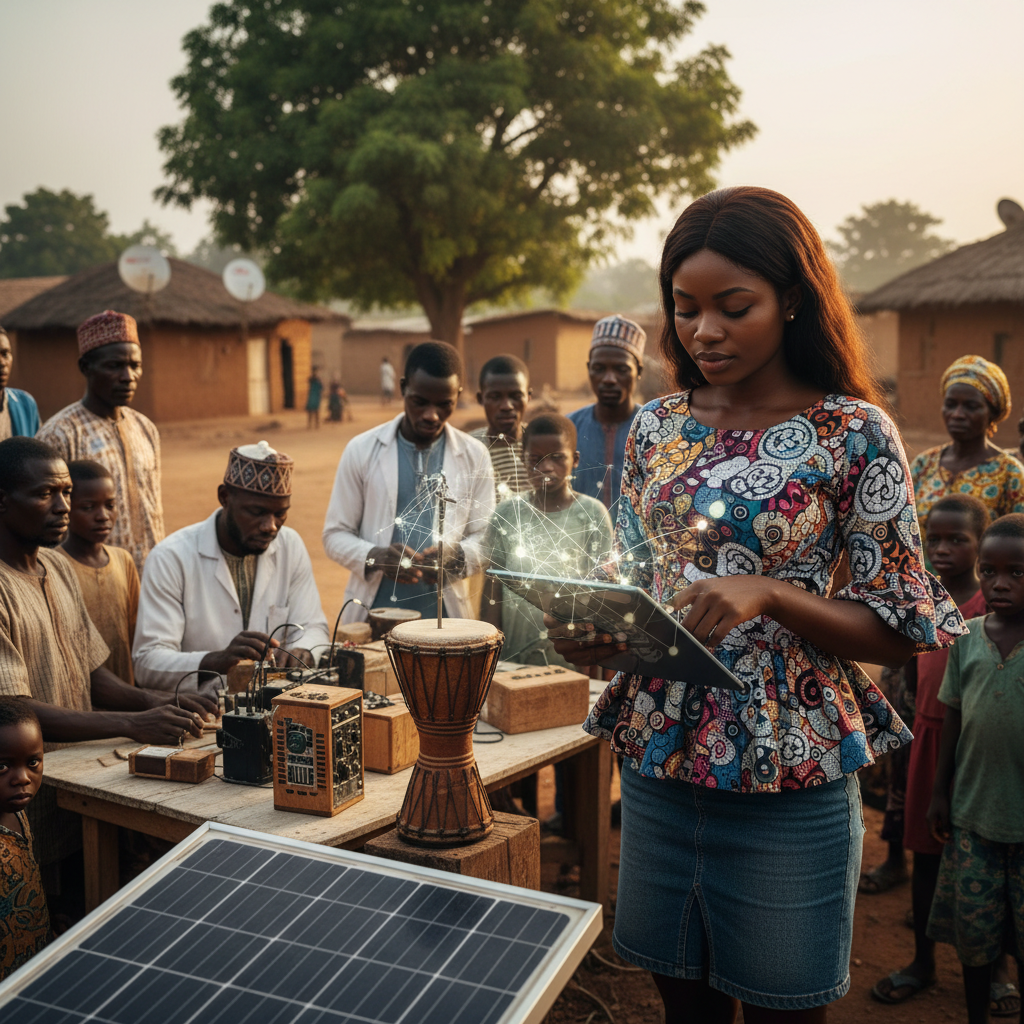
Abuja, Nigeria – April 22, 2026 – The drumbeats of digital transformation are reverberating across Nigeria, with Artificial Intelligence (AI) emerging as a potent force for progress. From the bustling tech hubs of Yaba to the nascent innovation centers in Enugu, a new generation of Naija techies is not just consuming AI; they are actively shaping it, ensuring its applications resonate with the unique realities and rich cultural tapestry of the continent.
For too long, AI development has been largely Anglophone-centric, leaving vast swathes of the African population, particularly those in rural areas or primarily speaking indigenous languages, on the periphery. However, this narrative is rapidly changing. Institutions like the African Institute for Artificial Intelligence (AIAI) in Abuja, in collaboration with local universities such as the University of Nigeria, Nsukka, are spearheading initiatives to develop AI models trained on diverse African datasets, including Igbo, Yoruba, and Hausa languages.
Dr. Ngozi Okoro, a leading computational linguist and Director of Research at AIAI, emphasized this crucial shift. “Our umuaka (children) in the villages deserve AI tools that speak their language, understand their context, and solve their problems. We are building large language models, what we call 'Asụsụ AI' (Language AI), that are culturally sensitive and can assist in areas like healthcare diagnostics, agricultural extension services, and even financial inclusion for those who are not digitally literate in English.”
This localized approach is not merely academic; it’s yielding tangible results. A pilot project in Anambra State, for instance, is deploying AI-powered chatbots that provide real-time agricultural advice to farmers in Igbo, helping them identify crop diseases and optimize yields. “Ọ bụ ihe dị egwu (It is wonderful),” exclaimed Mama Nkechi, a yam farmer from Nnewi, “The machine speaks to me like my child, telling me what to do when my yam leaves turn yellow. Before, I would have lost half my harvest.”
The economic implications are profound. By democratizing access to information and services through AI that understands local nuances, Nigeria can unlock immense potential. Mr. Chinedu Eze, CEO of 'AfriCoders,' a Lagos-based AI startup, highlighted the entrepreneurial spirit driving this. “We are not just importing solutions; we are innovating. Our 'KoboAI' platform uses predictive analytics to help small businesses in local markets manage inventory and access micro-loans, all through voice commands in their native tongue. This is about economic empowerment, ndị nna anyị (our people) taking control of their digital future.”
Challenges remain, of course. Data scarcity, computational infrastructure, and the need for skilled AI engineers are significant hurdles. Yet, the commitment from both government and the private sector is palpable. The National Information Technology Development Agency (NITDA) recently announced a new grant scheme specifically for AI startups focusing on indigenous language processing and ethical AI development, signaling a clear policy direction.
As Nigeria navigates its digital future, the integration of AI, especially through a lens that values and incorporates its rich linguistic and cultural heritage, promises not just technological advancement but a more inclusive, equitable, and prosperous society. The journey is long, but the spirit of 'Igwebuike' (strength in numbers/community) is powering this indigenous AI revolution. The world watches as Naija charts its own course in the global AI landscape, proving that innovation truly knows no linguistic bounds.```
Related Articles
AI na Roça: Agronegócio Brasileiro Abraça a Inteligência Artificial para Otimizar Colheitas
 Rodrigoò Silvà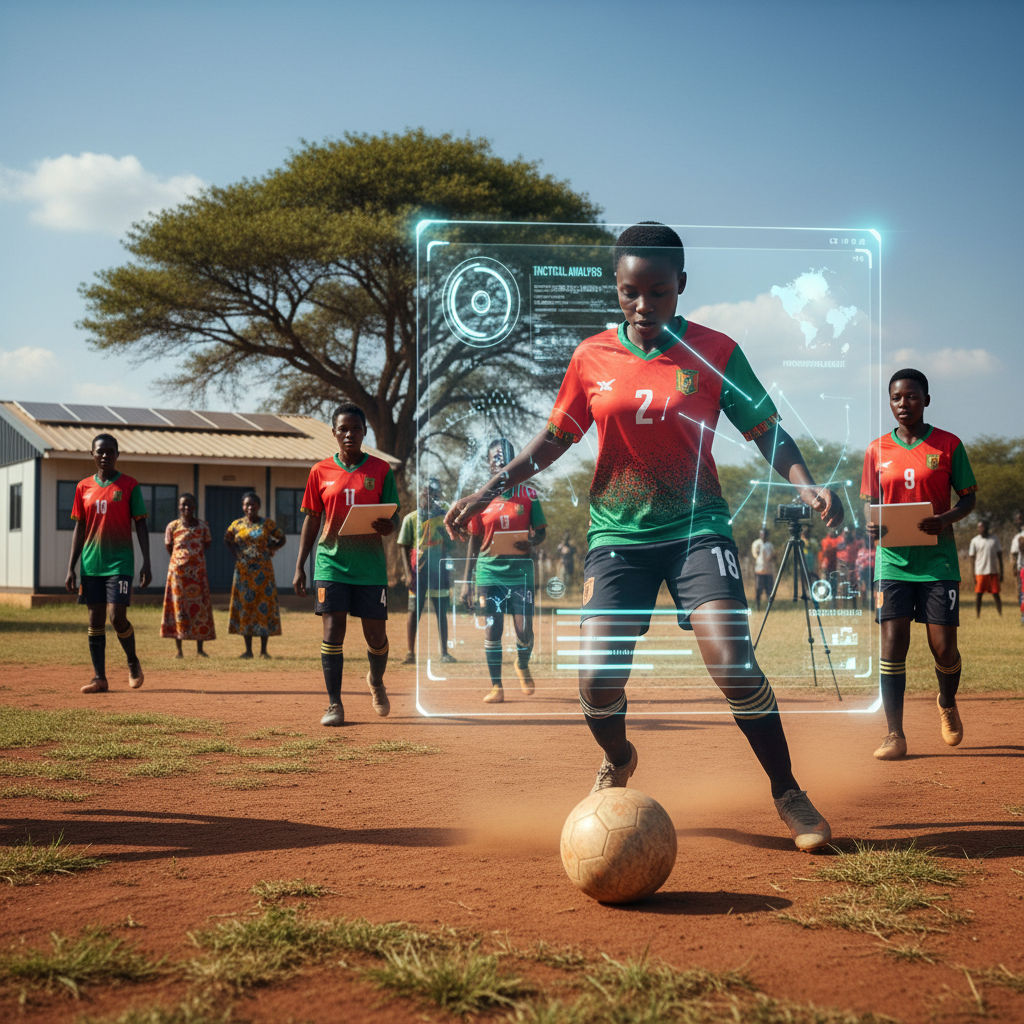
AI Coaching: A Game-Changer for Zambian Women's Football?
 Lindiwe Sibandà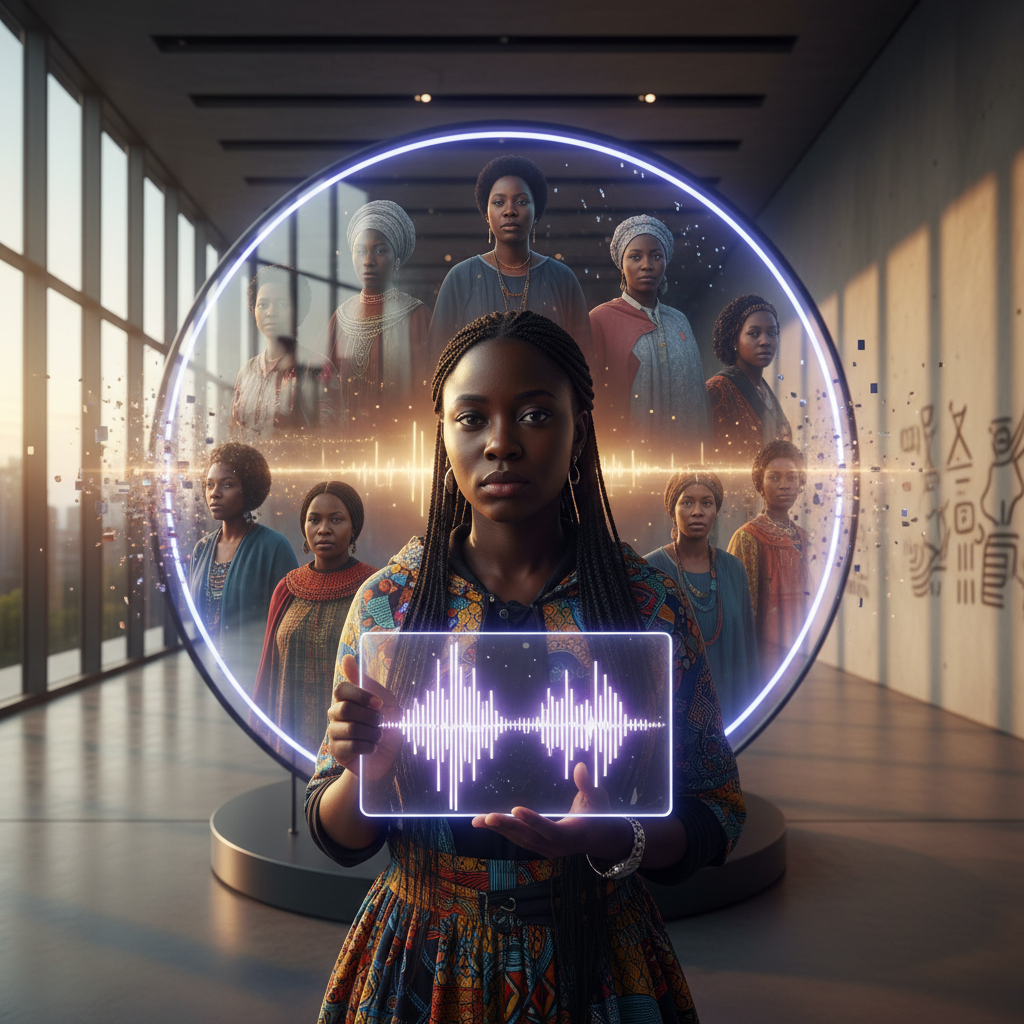
AI's Echo Chamber: Black Women's Voices Lost in Digital Heritage?
 Amahlé Ndlovù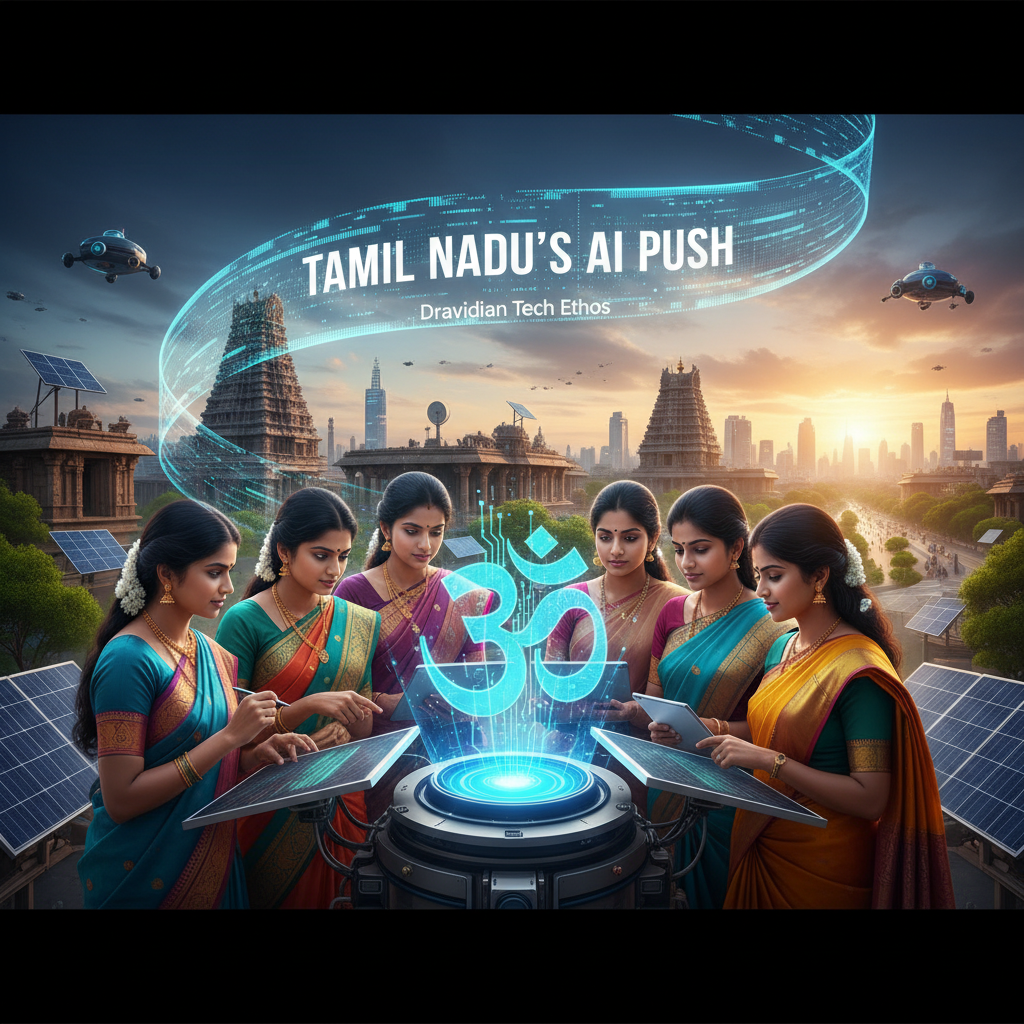
Tamil Nadu's AI Push: Bridging Digital Divide with Dravidian Tech Ethos
 Rajèsh Krishnàn