
Tajikistan Explores AI for Economic Diversification, Balancing Progress with Tradition
Tajikistan is cautiously embracing Artificial Intelligence to modernize its economy, with officials emphasizing local adaptation and the preservation of national values amidst technological advancement. The initiative aims to boost key sectors while ensuring cultural integrity.
Click play to listen to this article read aloud using text-to-speech.
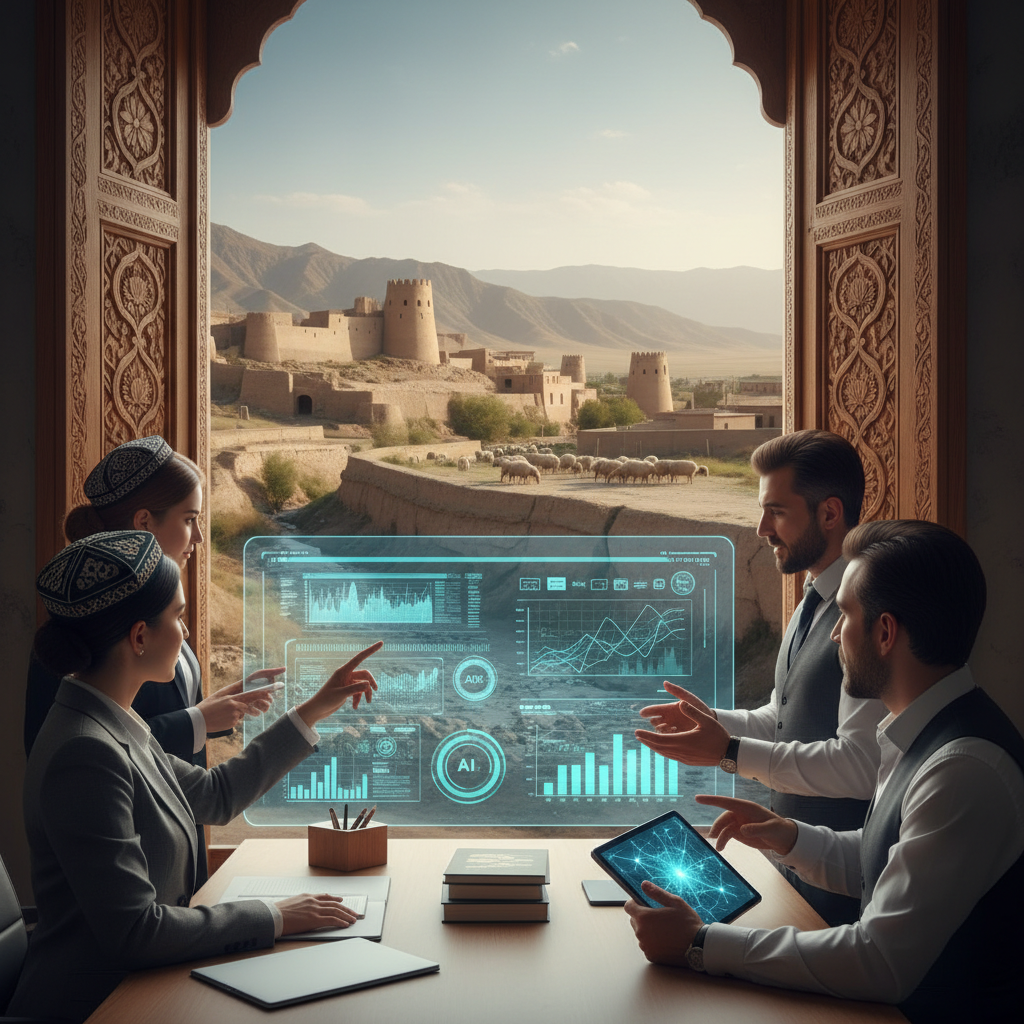
DUSHANBE – As the global race for Artificial Intelligence dominance intensifies, Tajikistan is charting its own course, seeking to harness AI's potential for economic diversification while steadfastly upholding its unique cultural and societal fabric. This strategic approach, often termed 'AI-i Milliy' (National AI), reflects a deeply ingrained Tajik pragmatism and a commitment to controlled, beneficial progress.
Speaking at a recent forum on 'Digital Future of Tajikistan' at the National University of Tajikistan, Dr. Rustam Karimov, head of the newly formed 'Markazi Tahqiqoti Raqamī' (Digital Research Center), highlighted the nation's priorities. "Our focus is not merely on adopting technology, but on adapting it. We, as Tajik men, understand the importance of building on solid foundations, ensuring that these new tools serve our people, our agriculture, and our burgeoning industrial sectors, without eroding the 'mardumī' – the essence of our community and traditions," Dr. Karimov stated, emphasizing the need for AI solutions tailored to local needs, such as optimizing irrigation in the Vakhsh Valley or improving logistics for cross-border trade with Uzbekistan and Afghanistan.
The Ministry of Economic Development and Trade has initiated several pilot projects, including AI-driven analytics for agricultural yield prediction in Khatlon Province and smart city solutions for traffic management in Dushanbe. These initiatives are seen as crucial steps towards reducing reliance on traditional sectors and fostering a knowledge-based economy. "The 'mardkor' (hardworking man) of Tajikistan has always adapted to new challenges. Now, with AI, we can empower him with tools to work smarter, not just harder, in fields from finance to infrastructure development," commented Firuz Davlatov, a senior advisor at the Ministry, pointing to the potential for AI to streamline bureaucratic processes and enhance public services.
However, the integration of AI is not without its considerations. Concerns about data privacy, ethical deployment, and the digital divide are frequently discussed among experts and policymakers. "We must ensure that AI serves all segments of our society, from the 'dehkan' (farmer) in the remote villages of Gorno-Badakhshan to the entrepreneur in the capital. Training and accessibility are paramount," noted Professor Gulnora Saidova, a leading expert in digital ethics from the Tajik Technical University. She stressed the importance of developing local talent and fostering a generation of 'muhandis-i raqamī' (digital engineers) who understand both the technology and the cultural context.
While foreign investment and collaboration are welcomed, particularly from regional partners in Central Asia and China, the emphasis remains on developing homegrown solutions and expertise. This 'Tajik-first' approach to AI development is designed to ensure that the technology aligns with national development goals and reinforces, rather than diminishes, the values that define the Tajik man and his society. The coming years will reveal how successfully Tajikistan navigates this complex, yet promising, digital frontier.
Related Articles

AI Revolutionizes Saudi Football: Al-Hilal Leads the Charge in Player Analytics
 Barakà Al-Rashíd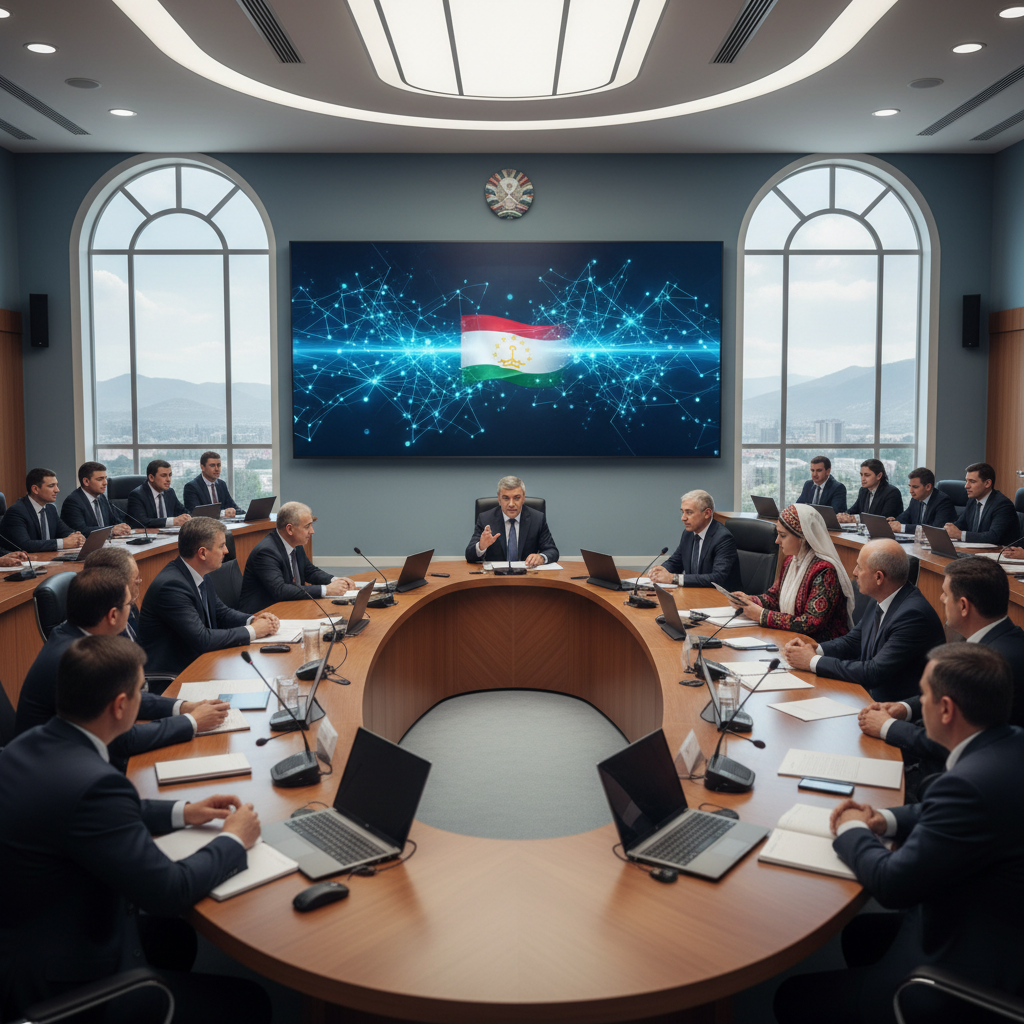
Dushanbe Debates AI's Role in National Security and Information Sovereignty
Ismaìlè Rahimovì
AI na Favela: Nova Iniciativa Transforma Oportunidades para o Homem Brasileiro
 Luciànò Ferreiràs
Punjab's AI Push: Gurukul 2.0 to Bridge Digital Divide in Rural Education
 Arjùn Sharmà