Punjab's AI Push: Gurukul 2.0 to Bridge Digital Divide in Rural Education
Punjab launches 'Gurukul 2.0' initiative, integrating AI tools into rural schools to uplift education standards. Experts laud the move as a 'game-changer' for Bharat's future.
Click play to listen to this article read aloud using text-to-speech.
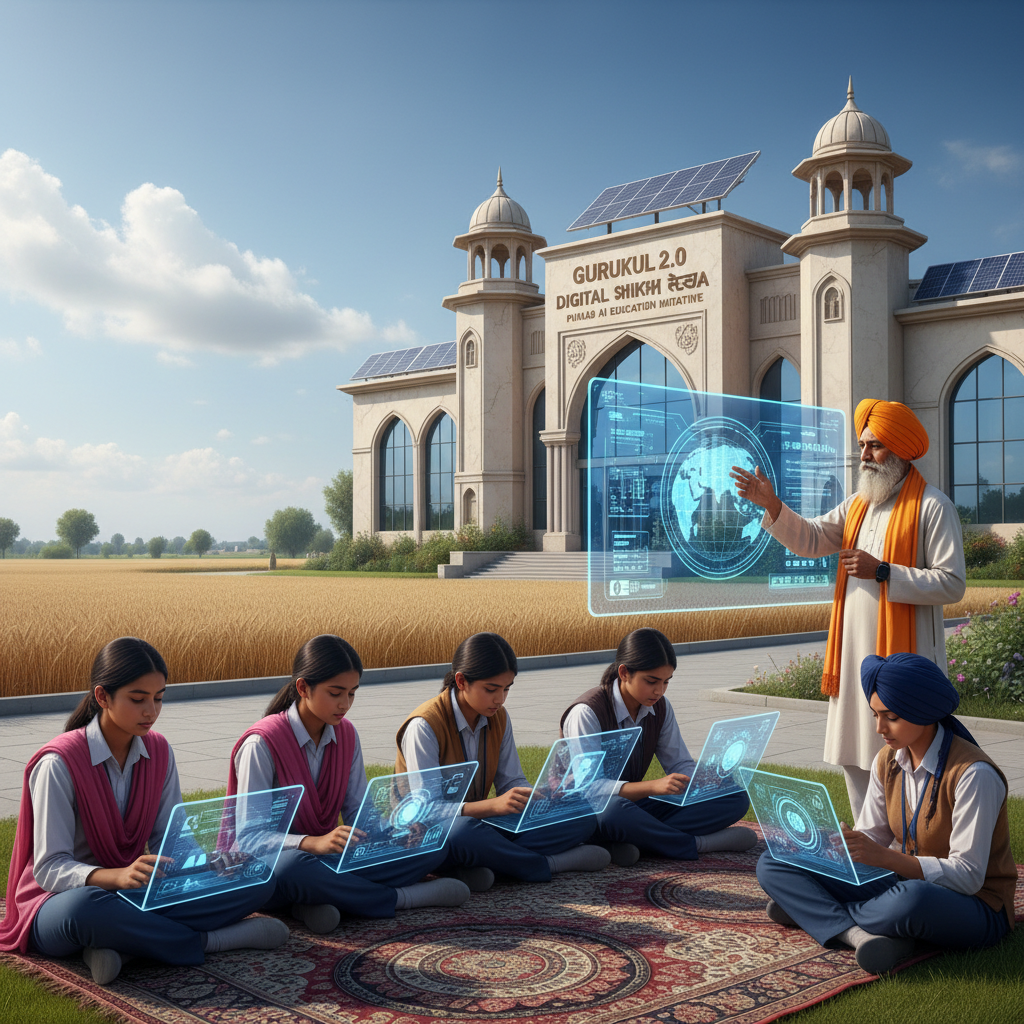

CHANDIGARH – In a landmark move poised to revolutionize rural education across the Pind (villages) of Punjab, the state government has officially launched its ambitious 'Gurukul 2.0' initiative. This pioneering program aims to integrate Artificial Intelligence (AI) tools and digital learning platforms into over 5,000 government schools, particularly those in underserved districts, by the end of 2026.
Speaking at the inauguration ceremony at the Punjab Digital Education Hub in Mohali, Education Minister S. Baldev Singh Dhillon, a man known for his pragmatic approach and deep roots in the region, emphasized the transformative potential. "Eh sirf kitaban nu badalna nahi, eh saadi aulaad de bhavikh nu roshan karna hai (This isn't just about changing books; it's about lighting up the future of our children)," he declared, his voice resonating with conviction. "Gurukul 2.0 will ensure that every child, whether from a bustling city or a remote dhani (hamlet), has access to world-class learning resources, powered by AI."
The initiative, developed in collaboration with the Indian Institute of Technology Ropar and local tech startups, focuses on personalized learning modules, AI-driven assessment tools, and virtual labs for science and mathematics. It also includes a robust teacher training program, 'Shikshak Shakti,' designed to equip educators with the skills to leverage these advanced technologies effectively. Dr. Priya Sharma, a leading AI ethicist and professor at Delhi University, hailed the program as a significant step. "This is not just about technology; it's about equity. By focusing on rural areas, Punjab is setting a precedent for how AI can be a great equalizer, rather than exacerbating existing disparities," she noted in an exclusive interview.
Initial pilot projects in districts like Tarn Taran and Ferozepur have shown promising results, with student engagement and comprehension levels reportedly increasing by over 25%. Harpal Singh, a headmaster from a pilot school in Patti, shared his enthusiasm. "Pehle bacche angrezi te science ton darde si, hun AI tutor naal ohna da dar muk gaya hai. Eh taan kamaal di cheez hai! (Earlier, children were afraid of English and science; now, with AI tutors, their fear is gone. This is a wonderful thing!)," he exclaimed, reflecting the palpable excitement on the ground.
However, challenges remain. Ensuring reliable internet connectivity in remote areas and overcoming initial resistance to new teaching methodologies are critical. The state government has pledged significant investment in digital infrastructure and continuous professional development for teachers. As India strides towards becoming a global AI powerhouse, initiatives like Gurukul 2.0 are not just about academic improvement; they are about preparing the next generation from the heartland of Punjab to compete on a global stage, embodying the spirit of 'Jai Jawan, Jai Kisan, Jai Vigyan' (Hail the soldier, Hail the farmer, Hail science). The success of this pahla kadam (first step) could well serve as a blueprint for other states across Bharat.
Related Articles
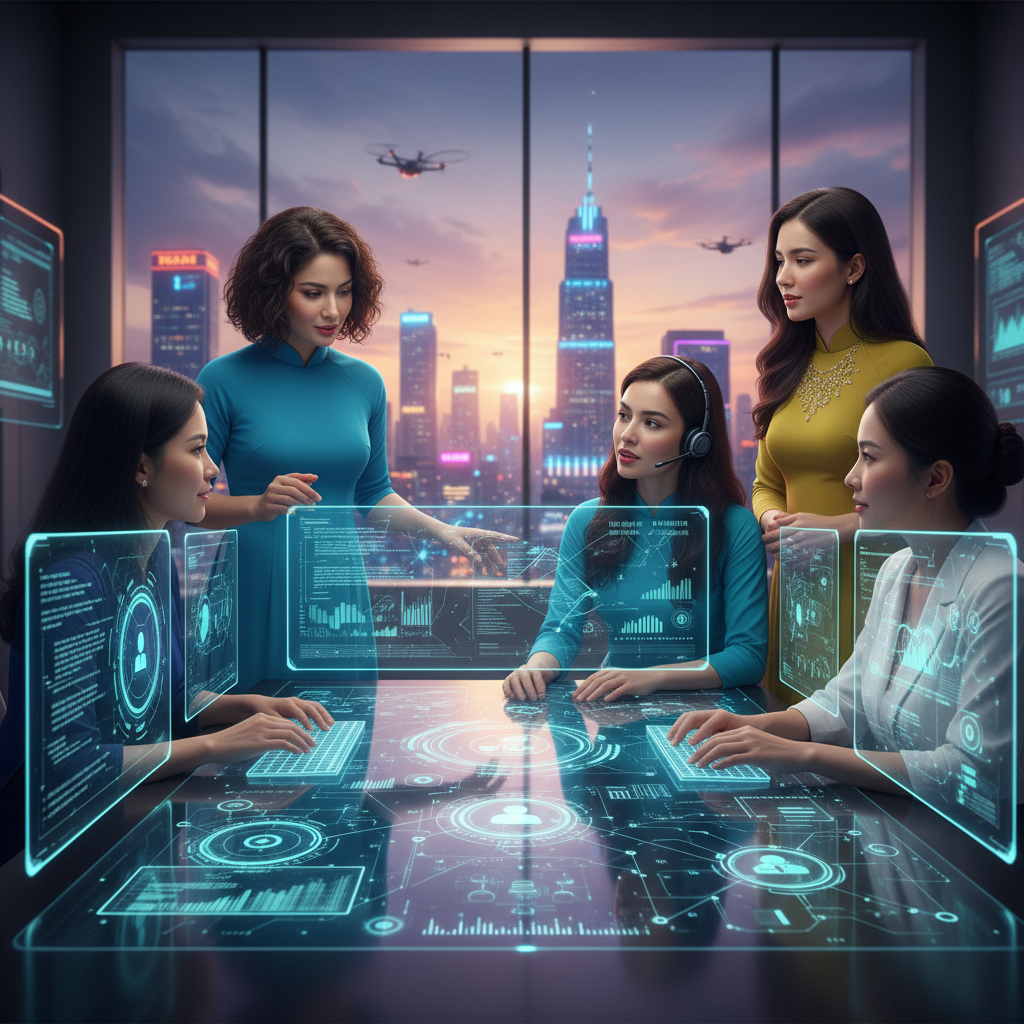
Vietnamese Women Lead AI Ethics Dialogue Amidst Rapid Digital Transformation
 Ngo Thi Huừngé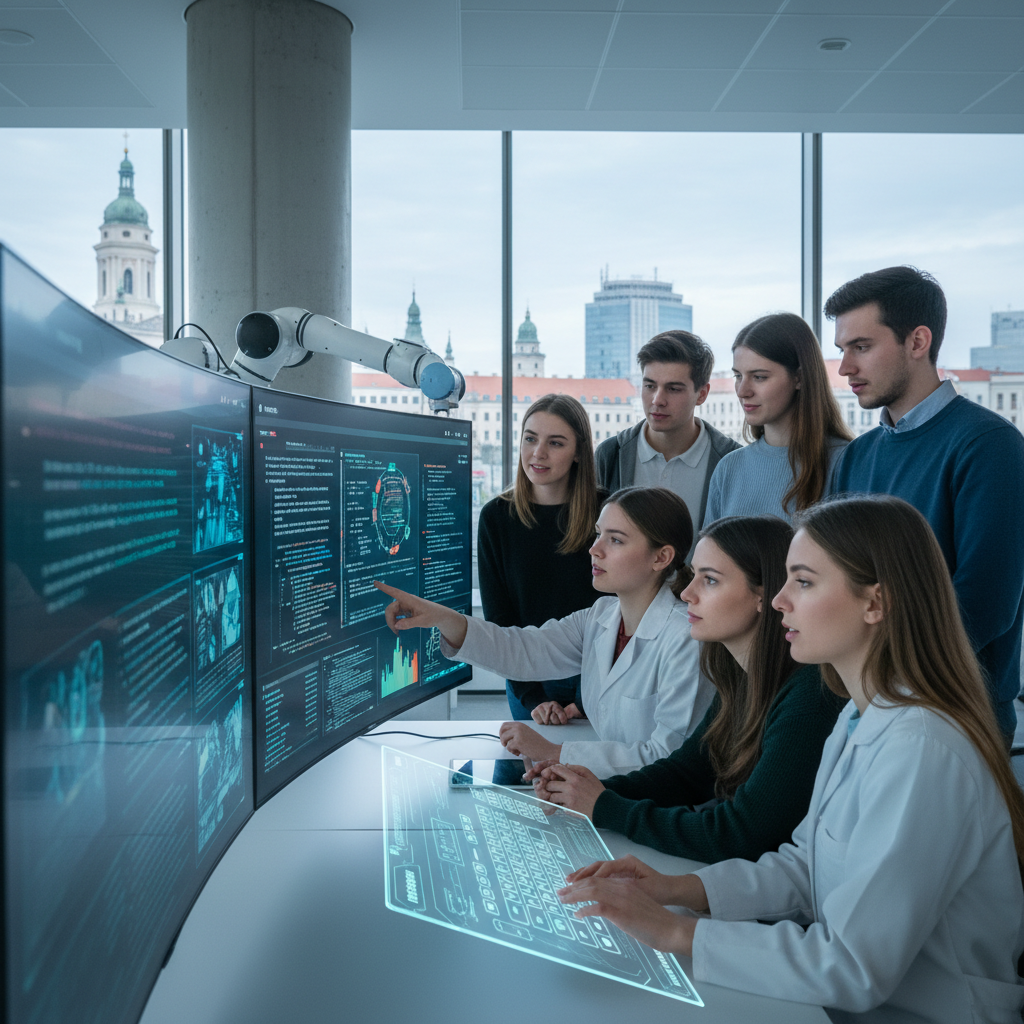
Slovak Universities Embrace AI: A New Era for STEM Education and Gender Equality
 Katarína Novákovà
AI's 'Digital Concierge' Boom: Japanese Women Leading the Charge in Service Sector
 Yuki Tanakà
AI-Powered "Green Silk Road" Initiative Empowers Women in Sustainable Agriculture
 Mei-Líng Zhāng