
Tahiti Embraces AI: Digital Sovereignty and Cultural Preservation at Forefront of New Policy
French Polynesia unveils a new AI policy aimed at leveraging technology for development while safeguarding *fenua* values and data sovereignty, sparking debate among local leaders and *mana* guardians.
Click play to listen to this article read aloud using text-to-speech.
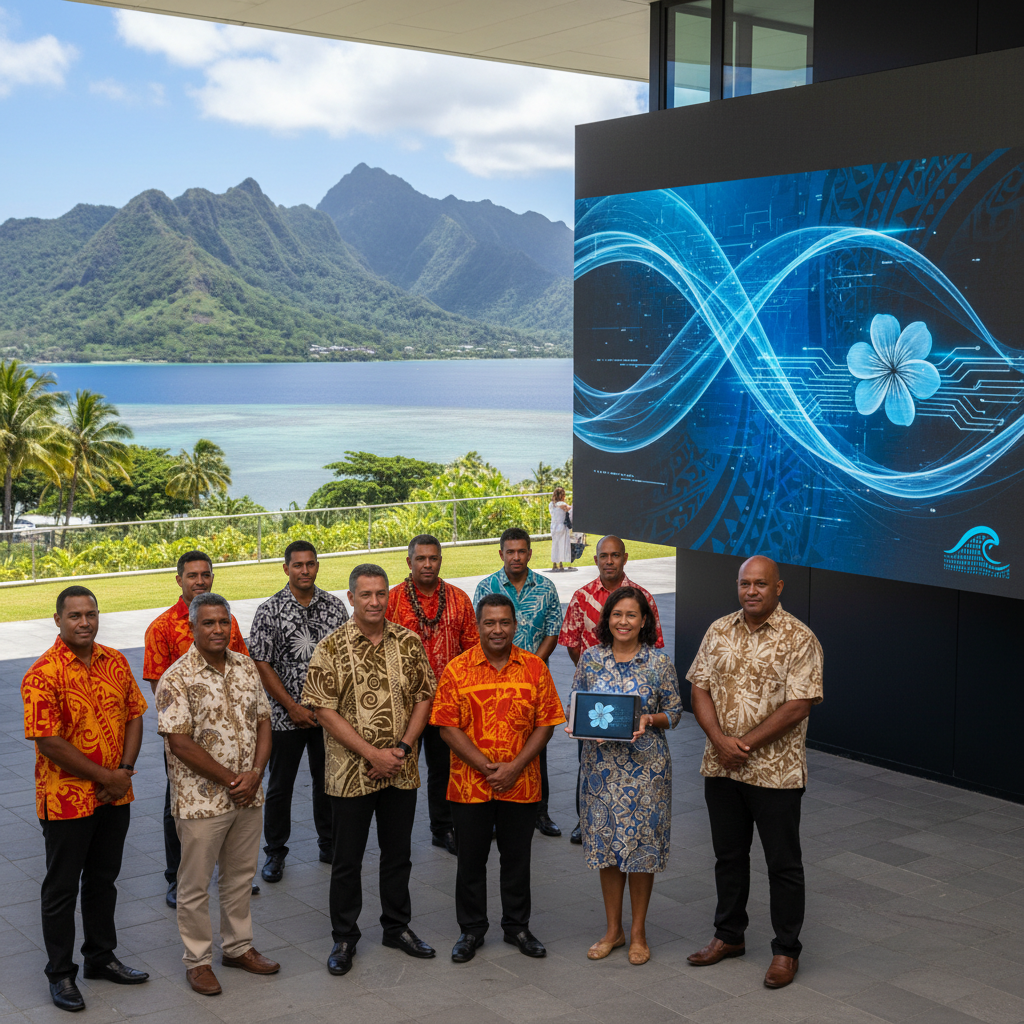

PAPEETE, TAHITI – April 22, 2026 – The Assemblée de la Polynésie française today announced a groundbreaking new policy framework for Artificial Intelligence, positioning the fenua at the forefront of digital transformation in the Pacific while emphasizing cultural preservation and data sovereignty. This initiative, championed by the Ministry of Digital Economy and Te Reo Mā'ohi (Tahitian Language) Promotion, aims to integrate AI into public services, education, and economic development, all through a distinctly Polynesian lens.
“Our approach to AI must be rooted in our identity, in the spirit of ’āito (warrior/hero) and ’ōrero (orator), ensuring that technology serves our people, not the other way around,” stated Minister of Digital Economy, Manuarii Teihotaata, during a press conference at the Fare Manihini (Assembly House). “This policy is not just about adopting new tools; it’s about crafting a digital future that respects our tupuna (ancestors) and empowers our ’ōpū (community).”
The policy outlines several key pillars: ethical AI development guided by Polynesian values of fa’a’oa’o (sharing) and ha’amaita’i (well-being); investment in local AI talent through partnerships with the Université de la Polynésie française; and, crucially, the establishment of a sovereign data infrastructure to protect the personal and cultural data of mā’ohi citizens. This last point is particularly significant, addressing long-standing concerns about foreign tech giants’ influence and data exploitation in Oceania.
Dr. Hina Tevane, a leading ethnolinguist and advisor to the Académie Tahitienne (Fare Vāna’a), praised the emphasis on language and culture. “For too long, digital advancements have overlooked the nuances of te reo mā’ohi. This policy’s commitment to developing AI models capable of understanding and generating our language, preserving our parau tumu (oral traditions), is a monumental step. It ensures our mana (spiritual power/prestige) extends into the digital realm.” She cited pilot projects exploring AI-driven translation tools for ancient chants and historical documents, aiming to make them accessible to younger generations.
However, the path forward is not without its challenges. Critics, including some members of the opposition party Tāhō’ē Nūna’a Mā’ohi, express concerns about the rapid pace of adoption and potential job displacement in traditional sectors. “While we welcome progress, we must ensure that our ra’atira (leaders) are not moving too fast, leaving behind those in our outer islands, the Tuamotu and Australes, who may not have the same access or understanding of these complex technologies,” cautioned Representative Pōmare Tūhoe. He called for robust public education campaigns and equitable access to digital infrastructure across all five archipelagos.
In response, Minister Teihotaata highlighted the policy’s focus on digital inclusion, including satellite internet initiatives for remote communities and AI-powered educational platforms tailored for diverse learning environments. “Our vision is for a Polynésie numérique where every ’aito and vahine (woman) has the opportunity to thrive in this new era, guided by our collective wisdom and a commitment to a sustainable future for our nūna’a (people).” The coming months will see the formation of a multi-stakeholder AI Ethics Council, composed of government officials, tech experts, and ra’atira from various mata’eina’a (districts), to oversee the implementation of this ambitious policy. The world watches as Tahiti charts a course for AI that is uniquely its own.
Related Articles

Ankara's AI Vision: TÜBİTAK Leads Charge for National Digital Sovereignty
 Emrè Yilmazì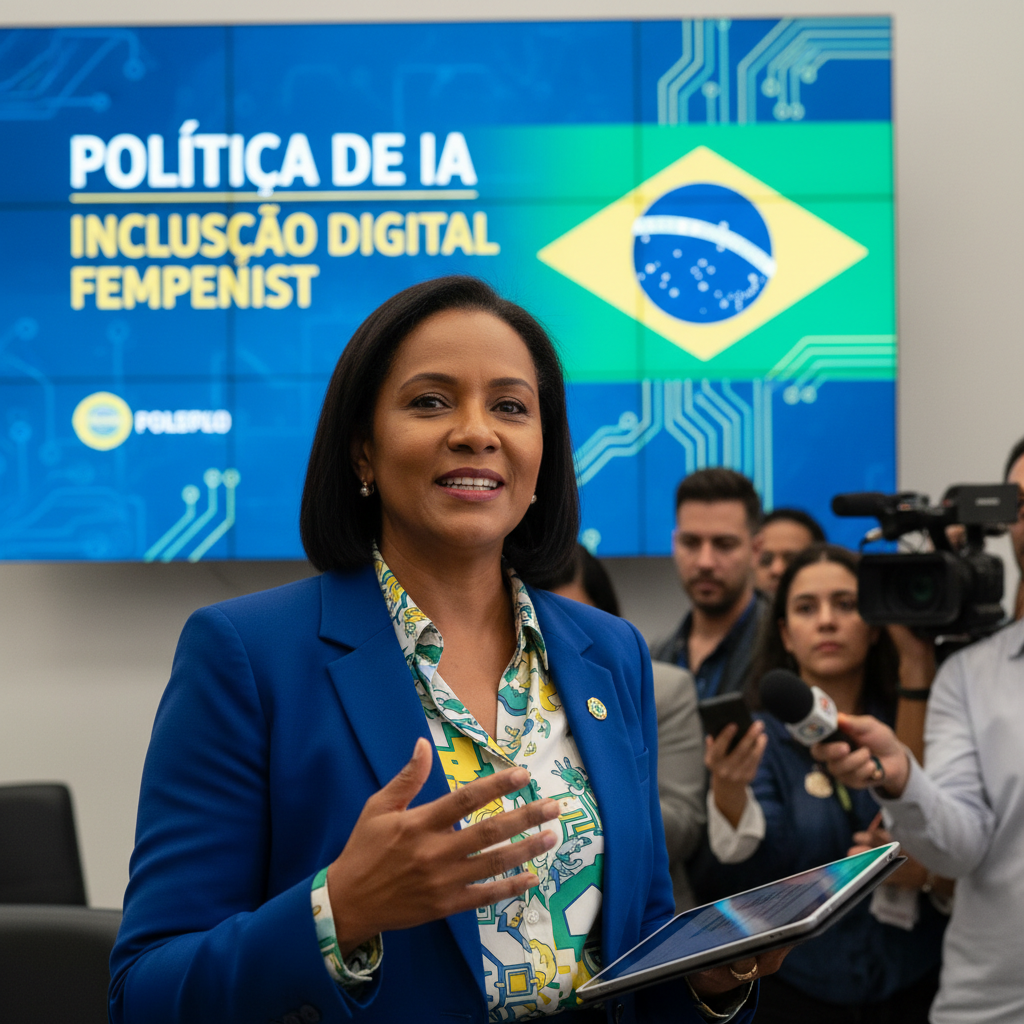
Brazil's AI Policy: A 'Feminist' Lens for Digital Inclusion, Says Minister
 Fernandà Oliveirà
AI's Outback Ascent: Regional Australia Embraces Digital Transformation for Economic Resilience
 Lachlaneè Mitchèll
AI Ethics Bill Stalls in Senate Amidst Bipartisan Wrangling Over Oversight
 Amèlia Whitè