
AI Ethics Bill Stalls in Senate Amidst Bipartisan Wrangling Over Oversight
A landmark AI ethics bill, designed to establish federal oversight and protect civil liberties, faces an uncertain future in the U.S. Senate, highlighting deep partisan divides on regulating emerging technologies.
Click play to listen to this article read aloud using text-to-speech.


Washington D.C. – A pivotal piece of legislation aimed at establishing a federal framework for artificial intelligence ethics and accountability in the United States has hit a significant roadblock in the Senate, sparking concerns among civil rights advocates and tech industry observers alike.
The 'Algorithmic Accountability and Transparency Act of 2026,' championed by a bipartisan group including Senator Eleanor Vance (R-OH) and Senator Anya Sharma (D-CA), has been stalled in committee, mired in disagreements over the scope of federal intervention and the composition of its proposed oversight body. The bill seeks to mandate impact assessments for high-risk AI systems, ensure data privacy, and provide avenues for redress for individuals harmed by algorithmic bias – issues particularly resonant with communities concerned about digital equity.
“We are at a critical juncture where the promise of AI must be balanced with robust protections for our citizens, especially those who have historically been marginalized,” stated Senator Vance, a prominent voice from the Midwest known for her pragmatic approach to tech policy, during a recent press briefing. “This isn't about stifling innovation; it's about ensuring AI serves all Americans equitably, without perpetuating existing societal biases.”
However, conservative factions, particularly those aligned with the tech industry's libertarian wing, argue that the bill's provisions could stifle innovation and create an overly burdensome regulatory environment. Senator Marcus Thorne (R-TX), a vocal critic, expressed concerns that the proposed 'National AI Ethics Board' would be overly bureaucratic and potentially politicized. “We risk ceding our technological edge if we shackle our innovators with premature and prescriptive regulations,” Thorne remarked to reporters, advocating for a more industry-led, voluntary approach to ethical guidelines.
Experts like Dr. Evelyn Reed, a leading AI ethicist and former Silicon Valley executive now at the American Enterprise Institute, suggest the current impasse reflects a deeper ideological chasm. “The debate isn't just about AI; it's about the fundamental role of government in regulating rapidly evolving technologies,” Dr. Reed explained in an exclusive interview. “For many, especially women in leadership roles who have witnessed firsthand the unintended consequences of unchecked technological growth, the need for proactive governance is clear. But others view any government interference as an impediment to free-market principles.”
The bill’s proponents emphasize that a lack of federal standards could lead to a patchwork of state laws, creating legal complexities and potentially exacerbating digital divides. They point to recent incidents of algorithmic bias in hiring tools and credit scoring systems as urgent evidence for federal action.
As the legislative session progresses, the future of the Algorithmic Accountability and Transparency Act remains uncertain. Its fate will likely hinge on the ability of moderate voices from both aisles to bridge the divide, ensuring that the transformative power of AI is harnessed responsibly, with a clear eye towards protecting the civil liberties and economic opportunities of all Americans.
Related Articles

Ankara's AI Vision: TÜBİTAK Leads Charge for National Digital Sovereignty
 Emrè Yilmazì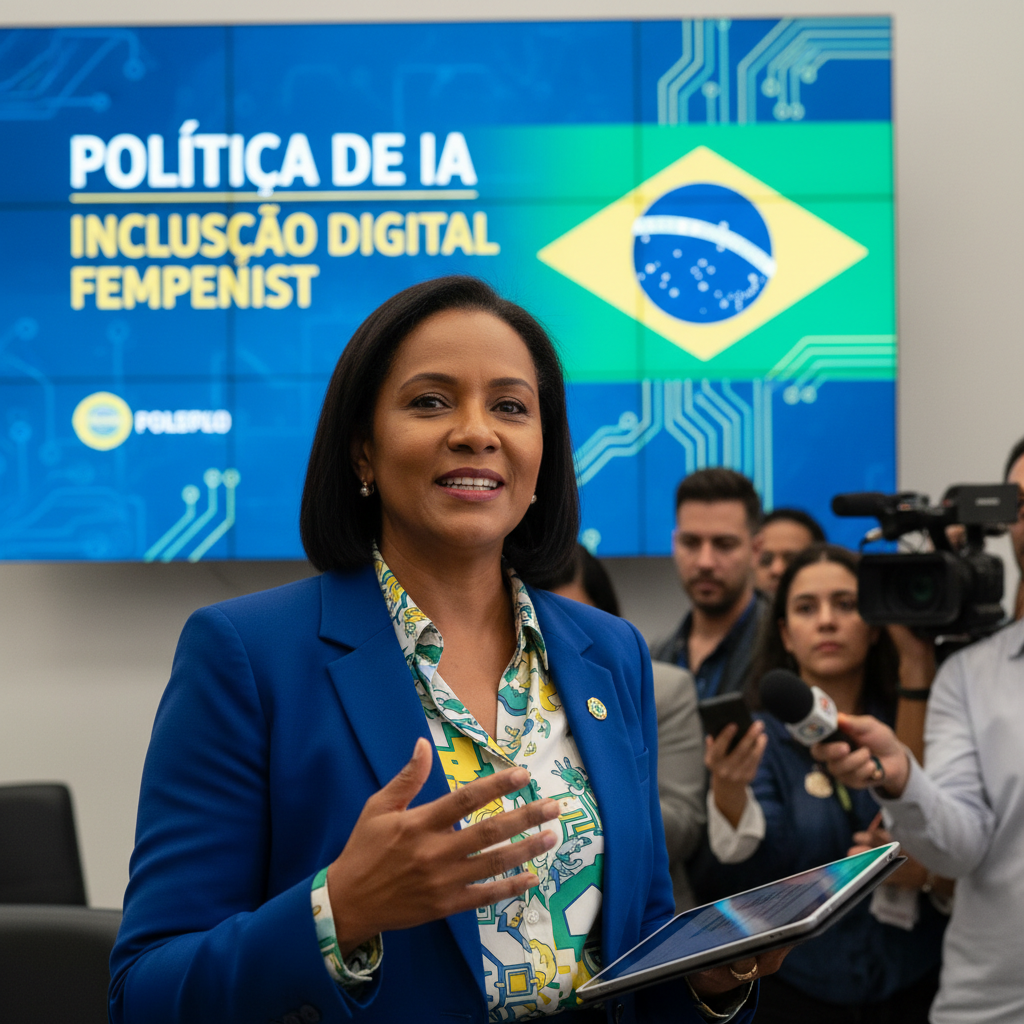
Brazil's AI Policy: A 'Feminist' Lens for Digital Inclusion, Says Minister
 Fernandà Oliveirà
AI's Ethical North: Canadian Researchers Chart Course for Responsible Innovation
 Ingridè Bjornssòn
Québec's AI Strategy 2.0: Fostering Inclusive Innovation and Bridging the Digital Divide
 Chloé Tremblàŷ