Let me tell you something important, something I've seen brewing in the tech hubs of Lagos and the boardrooms of Silicon Valley. We are standing on the precipice of a transformation so profound, it will make the internet revolution look like child's play. At the heart of this storm is Sam Altman and his audacious quest for Artificial General Intelligence, or AGI, through OpenAI. This isn't just about building smarter chatbots; it's about birthing a new form of intelligence, and the implications for Nigeria, for Africa, and for humanity are nothing short of seismic.
For years, the talk of AGI felt like science fiction, a distant dream for nerds in labs. Now, it's a tangible goal, a race that OpenAI is leading with a fervor that borders on religious zeal. Altman's vision is clear: create AGI for the benefit of all humanity. A noble goal, yes, but the path he has chosen, particularly with OpenAI's controversial governance structure, raises more questions than it answers, especially for those of us watching from the Global South. A non-profit parent entity controlling a for-profit subsidiary, all aimed at achieving a technology that could redefine wealth, power, and even human existence? It sounds like a Nollywood plot twist, but it is our reality.
Imagine this future, five to ten years from now, say 2031. In Lagos, the traffic, still legendary, is now managed by an AGI-powered system that predicts congestion with uncanny accuracy, rerouting millions of vehicles in real-time, reducing commute times by 40 percent. Our sprawling markets, like Balogun or Computer Village, are bustling, but transactions are seamless, powered by AI agents that negotiate prices and verify goods, eliminating fraud. Healthcare, once a luxury for many, is now accessible through diagnostic AGI that can analyze symptoms, recommend treatments, and even perform remote surgeries with precision far beyond human capability. Education is personalized, with AGI tutors adapting to every child's learning style, making world-class knowledge available to every corner of the continent. This isn't a pipe dream; it is the future that AGI promises, a future where the constraints of human limitation are shattered.
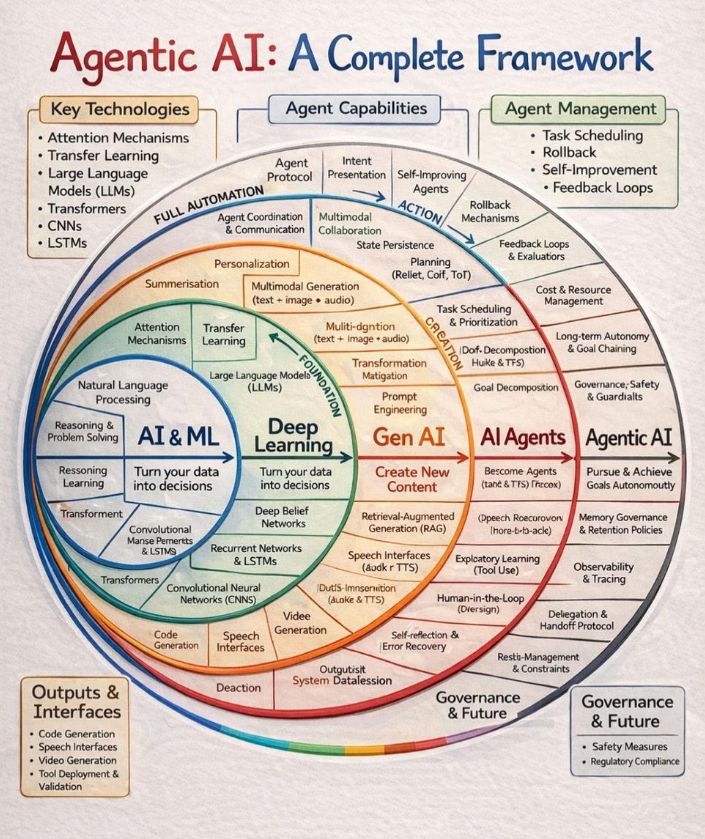
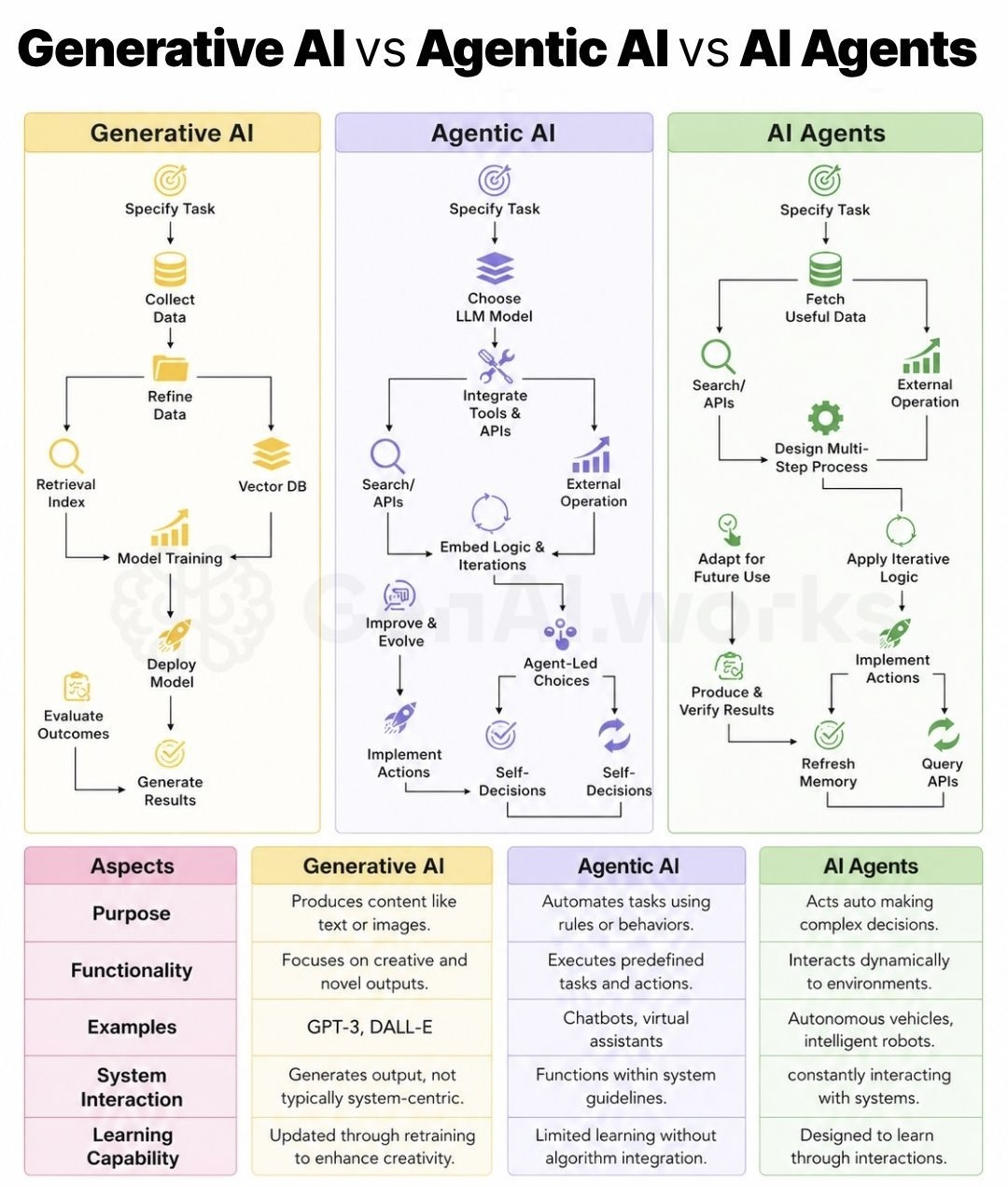
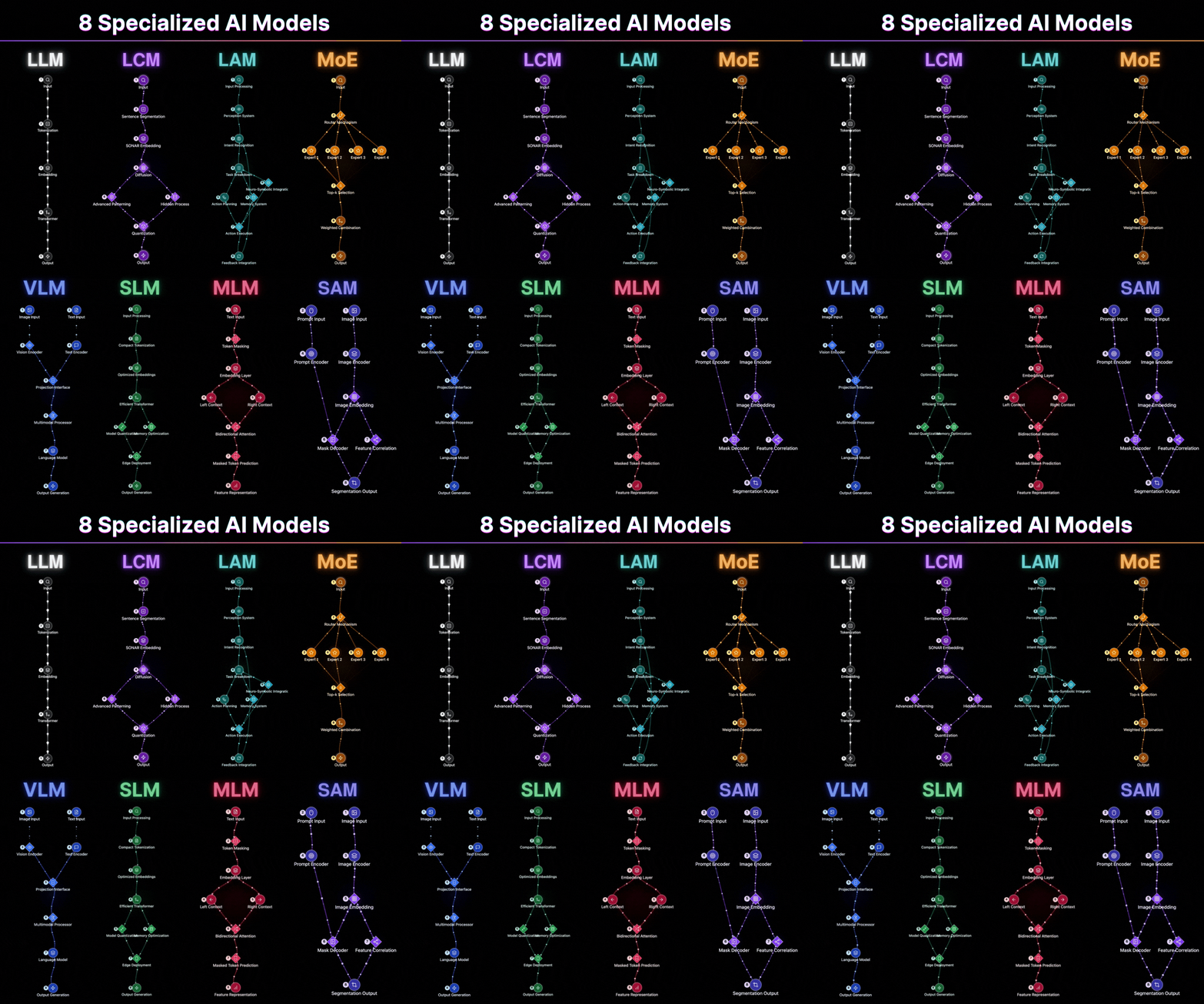
How do we get there from today, April 2026? The journey is fraught with challenges, but the roadmap is becoming clearer. The first phase, already underway, involves the rapid deployment of specialized AI models. Think of Google's Gemini or OpenAI's GPT-4, which are already transforming industries. These models, while powerful, are still narrow. The next phase, which we will see accelerate in the next 2-3 years, will be the integration of these narrow AIs into more generalist systems, moving us closer to AGI. This will be driven by massive investment in compute infrastructure, something Jensen Huang at NVIDIA is keenly aware of, and continued breakthroughs in foundational models. OpenAI, with its massive resources and singular focus, is positioned to be at the forefront of this. Their recent partnerships and continued fundraising efforts, as reported by Reuters Technology News, underscore this relentless drive.
Key milestones in this journey will include the development of truly multimodal AGI that can understand and generate text, images, audio, and video with human-level coherence. We will see AGI agents capable of complex reasoning, planning, and self-correction, moving beyond mere pattern recognition. The ability of these systems to learn continuously from vast, diverse datasets, including our own unique African contexts, will be crucial. We are already seeing early glimpses of this with projects like Meta's Llama models and Anthropic's Claude, but AGI will be a different beast entirely. It will be an intelligence capable of scientific discovery, artistic creation, and complex problem-solving on a scale we cannot yet fully comprehend.
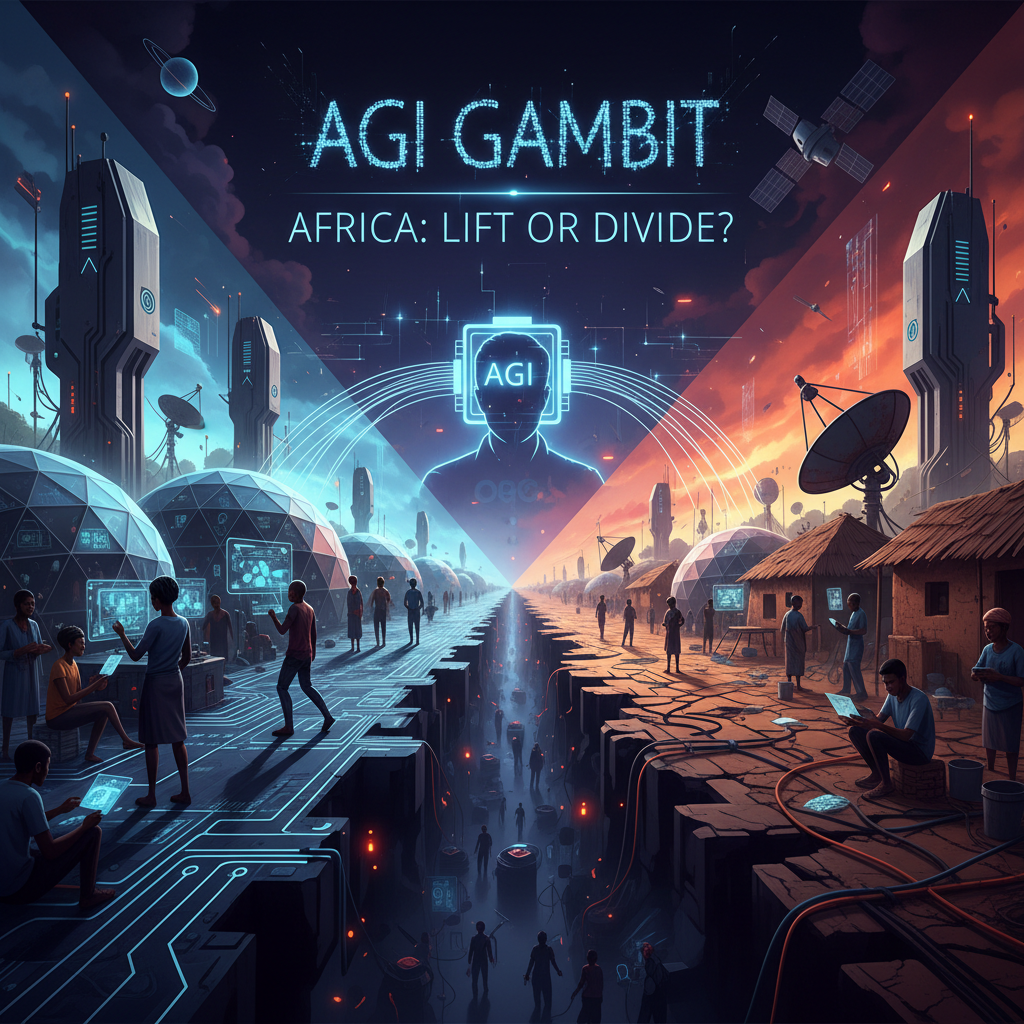
But here's where my Nigerian perspective kicks in: who wins and who loses in this AGI future? The major tech giants, undoubtedly, will consolidate immense power. OpenAI, Microsoft, Google, and perhaps a few others will control the foundational AGI models, becoming the new gatekeepers of intelligence. Countries with robust digital infrastructure, access to vast data, and skilled AI talent will thrive. This is where Nigeria, and Africa, must be proactive. If we are merely consumers of AGI, we risk becoming perpetual clients, our economies dependent on foreign intellectual property, our data flowing outwards with little reciprocal benefit. This is not a future I accept.
“The governance of AGI is not just a Silicon Valley problem; it’s a global existential challenge,” says Dr. Ngozi Okoro, a leading AI ethicist at the University of Ibadan. “OpenAI’s structure, while well-intentioned, centralizes control in a way that could marginalize voices from emerging economies. We need mechanisms for truly global, equitable access and oversight, not just benevolent dictatorship.” Her words echo a sentiment shared by many African tech leaders. We cannot afford to be passive recipients of this technology. We must be co-creators, co-owners, and co-governors.
Another critical voice is that of Emeka Nnamdi, CEO of AfriTech Solutions, a burgeoning AI startup in Yaba, Lagos. “Our biggest fear is not that AGI will take our jobs, but that it will be built without our context, our languages, our cultures,” Nnamdi explains. “If AGI is trained predominantly on Western data, it will reflect Western biases. We need African datasets, African researchers, and African perspectives embedded in the very fabric of these systems. Otherwise, AGI will simply amplify existing inequalities.” This is a point I have made countless times: the future is already here because it's just not evenly distributed.
What should readers do now? First, educate yourselves. Understand the technology, its potential, and its pitfalls. Follow the developments at OpenAI's official blog and other leading research institutions. Second, advocate for inclusive AGI development. Demand that your governments and international bodies push for equitable access, data sovereignty, and diverse representation in AGI research and governance. Support local AI initiatives and startups that are building solutions tailored to African needs. Nigeria, with its vibrant youth population, entrepreneurial spirit, and growing tech ecosystem, has a unique opportunity to shape this future. We have the raw talent, the ingenuity, and the sheer will to not just adapt to AGI, but to lead in its ethical and beneficial deployment.
“We are not just waiting for AGI to arrive; we are building towards it, with our own hands and minds,” states Aisha Bello, a data scientist at the Nigerian Institute of Artificial Intelligence. “Our researchers are working on localized large language models, on AI for agriculture, for finance, for healthcare. We understand the stakes. We understand that this is not just about technology; it is about sovereignty, about self-determination in the age of superintelligence.”
Mark my words, Nigeria will lead this revolution, not just by consuming AGI, but by contributing to its development in a way that truly benefits all of humanity. The path is challenging, the stakes are incredibly high, but the potential for transformative growth, for lifting millions out of poverty, for solving some of our continent's most intractable problems, is immense. We cannot afford to be spectators. We must be active participants, shaping the future of AGI to ensure it serves the many, not just the few. This is our moment to ensure that Sam Altman's vision, however grand, truly benefits all of humanity, starting right here in Africa.