
Ottawa's AI Strategy Under Scrutiny: Balancing Innovation and Francophone Safeguards
As Canada navigates the complex landscape of artificial intelligence, Ottawa's national strategy faces increasing calls to prioritize not just economic growth, but also the linguistic and cultural integrity of its Francophone communities, particularly in Quebec.

OTTAWA – The federal government's ambitious National Artificial Intelligence Strategy, lauded for its investment in research and talent, is now under the microscope as stakeholders demand a more nuanced approach that safeguards Canada's linguistic duality, especially in Quebec.
With AI permeating every sector, from healthcare to public services, concerns are mounting over the potential for algorithms to inadvertently marginalize French-language content and services. "We cannot allow the digital revolution to become a linguistic erosion," states Marie-Josée Dubois, President of the Fédération des femmes canadiennes-françaises (FFCF), in an exclusive interview. "Our cultural fabric, our patrimoine, is intrinsically linked to our language. AI must serve, not diminish, this reality."
The debate intensified following a recent parliamentary committee hearing on digital governance, where experts from Quebec highlighted the urgent need for 'AI francisation' – a process ensuring AI systems are developed, trained, and deployed with a robust understanding and integration of French-language specificities, including regional dialects and cultural nuances. Dr. Philippe Gagnon, a leading AI ethicist from the Université de Montréal, emphasized, "It's not merely about translation; it's about cultural embeddedness. An AI trained predominantly on English datasets will inevitably reflect those biases, potentially creating a 'linguistic desert' for French speakers in critical applications."
Critics point to the Loi sur les langues officielles as a foundational document that must extend into the digital realm. The Minister of Innovation, Science and Industry, the Honourable François-Philippe Champagne, acknowledged these concerns at a recent press conference. "We are fully committed to ensuring that Canada's AI strategy is inclusive and respects our official languages," he affirmed. "We are exploring partnerships with Quebec's AI ecosystem, including Mila and IVADO, to develop robust French-language datasets and ethical guidelines for AI development."
However, the FFCF and other advocacy groups are pushing for concrete legislative measures, not just partnerships. They propose a 'Francophone AI Impact Assessment' for all federally funded AI projects, mirroring environmental impact assessments. "This isn't about hindering progress; it's about ensuring equitable progress," Dubois argues. "As French-Canadian women, we understand the constant vigilance required to preserve our identity. AI presents a new frontier for this struggle, and Ottawa must lead with foresight and courage."
The coming months will likely see increased pressure on Parliament to integrate these linguistic and cultural safeguards into the next phase of Canada's AI strategy, ensuring that the country's technological advancement does not come at the expense of its rich linguistic heritage.
Related Articles

Costa Rica's AI Leap: Can 'Pura Vida' Ethos Guide Digital Transformation?
 Carlòs Ramirèz
Norway's AI Strategy: Gender Parity in Tech Leadership Crucial for Ethical AI Development
 Ingridè Hansèn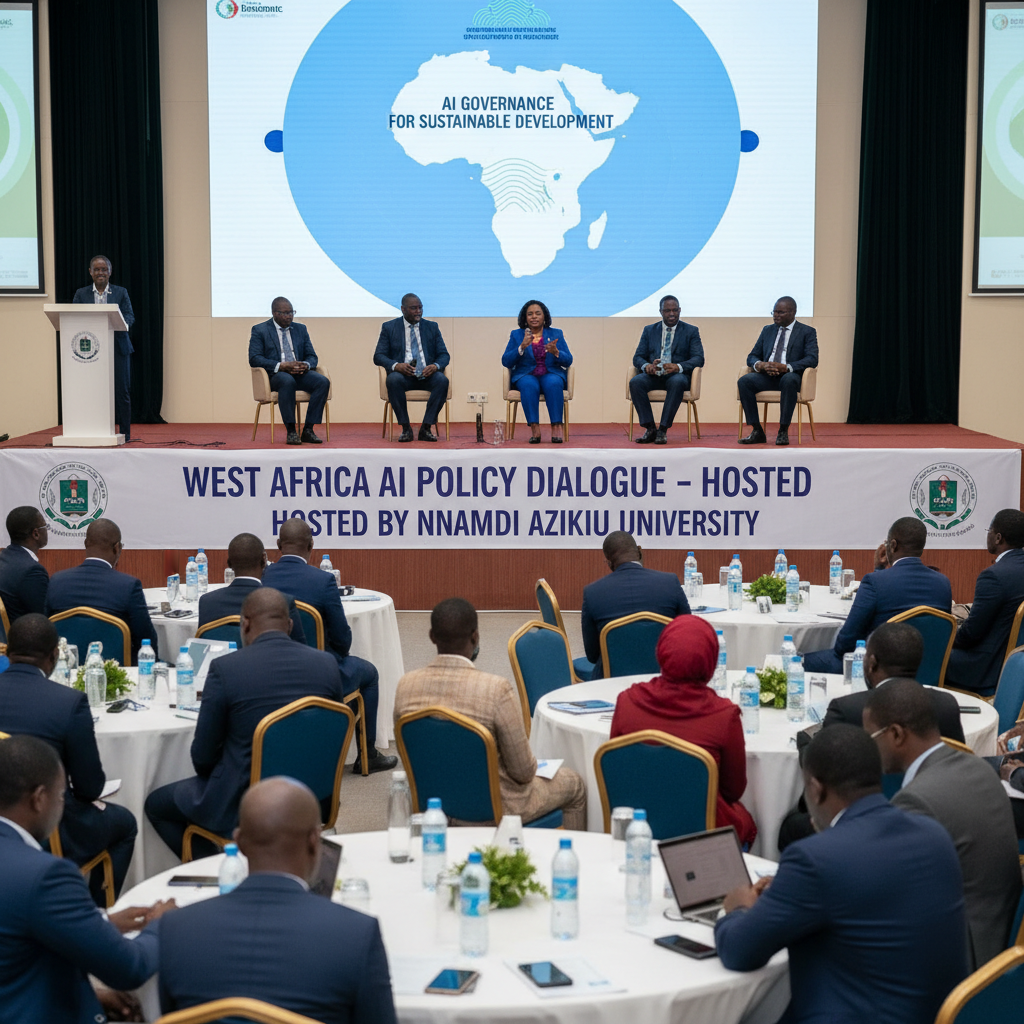
Nnamdi Azikiwe University Hosts Crucial AI Policy Dialogue for West Africa
 Chukwuemekà Obiechè
AI's Dual Edge: Digital Divide Threatens Tamil Communities in Sri Lanka
 Ravi Chandrasekharàn