
Mongolia's Digital Nomads Eye AI for Grassroots Political Engagement
As Mongolia embraces digital transformation, a new generation of politically active tech-savvy citizens, often referred to as 'Ger-tech Nomads,' are exploring AI's potential to revolutionize local governance and citizen participation, particularly in the vast rural provinces.
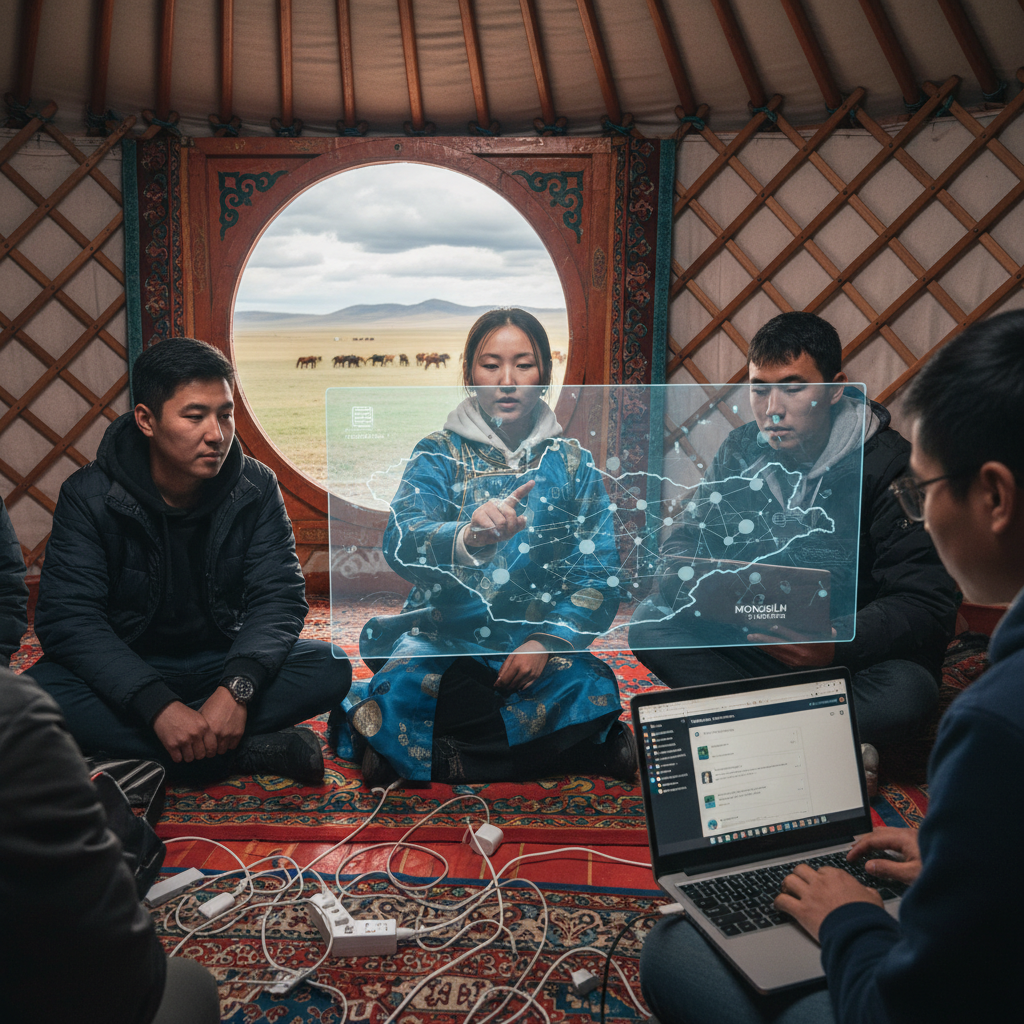

ULAANBAATAR – The winds of digital transformation are sweeping across the vast steppes of Mongolia, and with them, a new wave of political engagement is taking shape. While global powers grapple with AI's implications for national security and economic dominance, here in the land of Chinggis Khaan, a more grassroots, distinctly Mongolian approach to AI in politics is emerging.
Our 'Ger-tech Nomads' – young, educated Mongolians often working remotely from traditional gers or provincial towns – are at the forefront of this movement. They are looking beyond urban centers, envisioning how artificial intelligence can empower citizens in the far-flung aimags (provinces) and sums (districts), bridging the geographical and informational divides that have long characterized Mongolian politics.
"For too long, policy discussions have been concentrated in Ulaanbaatar, far from the daily realities of our herders and provincial communities," states Ganbold Batbayar, a prominent AI ethicist and former advisor to the Ministry of Digital Development and Communications. "AI, especially in its localized, language-specific applications, offers a chance to reverse this. Imagine an AI-powered platform that translates complex legislative texts into easily understandable Mongolian, or even specific dialects, and then aggregates community feedback from every bag (smallest administrative unit) in real-time. This is not just about efficiency; it's about genuine democratic participation, about giving a voice to those who feel unheard."
The focus is on practical applications. Discussions are underway within the National Digital Council and the Mongolian Youth Council to pilot AI tools for public consultation. One proposed project involves an AI chatbot, tentatively named 'Tumen Tolgoi' (Myriad Minds), designed to explain government initiatives and collect structured feedback from citizens via widely used messaging apps like WeChat (popular in border regions) and local Mongolian platforms. This feedback, once anonymized and analyzed by AI, could provide invaluable insights to local governors (zakhiraas) and khurals (local councils), allowing for more responsive and community-centric policy-making.
However, challenges remain. "The digital divide, though narrowing, is still a reality," notes Dr. Enkhjargal Purevdorj, a sociologist specializing in rural development at the National University of Mongolia. "Internet access, digital literacy, and even the cultural acceptance of interacting with AI for political matters are hurdles. We must ensure these tools don't inadvertently exclude the very communities they aim to empower. The human element, the khun (person) factor, must always be central to our digital strategy."
Despite these challenges, the optimism among the 'Ger-tech Nomads' is palpable. They see AI not as a threat to traditional Mongolian values, but as a modern morin khuur (horse-head fiddle) – a tool that can amplify the voices of the people and harmonize the diverse needs of a vast and proud nation. As Mongolia continues its journey into the digital age, its unique approach to AI in politics could offer valuable lessons for other developing nations seeking to democratize governance through technology, ensuring that even the most remote malchin (herder) has a say in the nation's future.
Related Articles
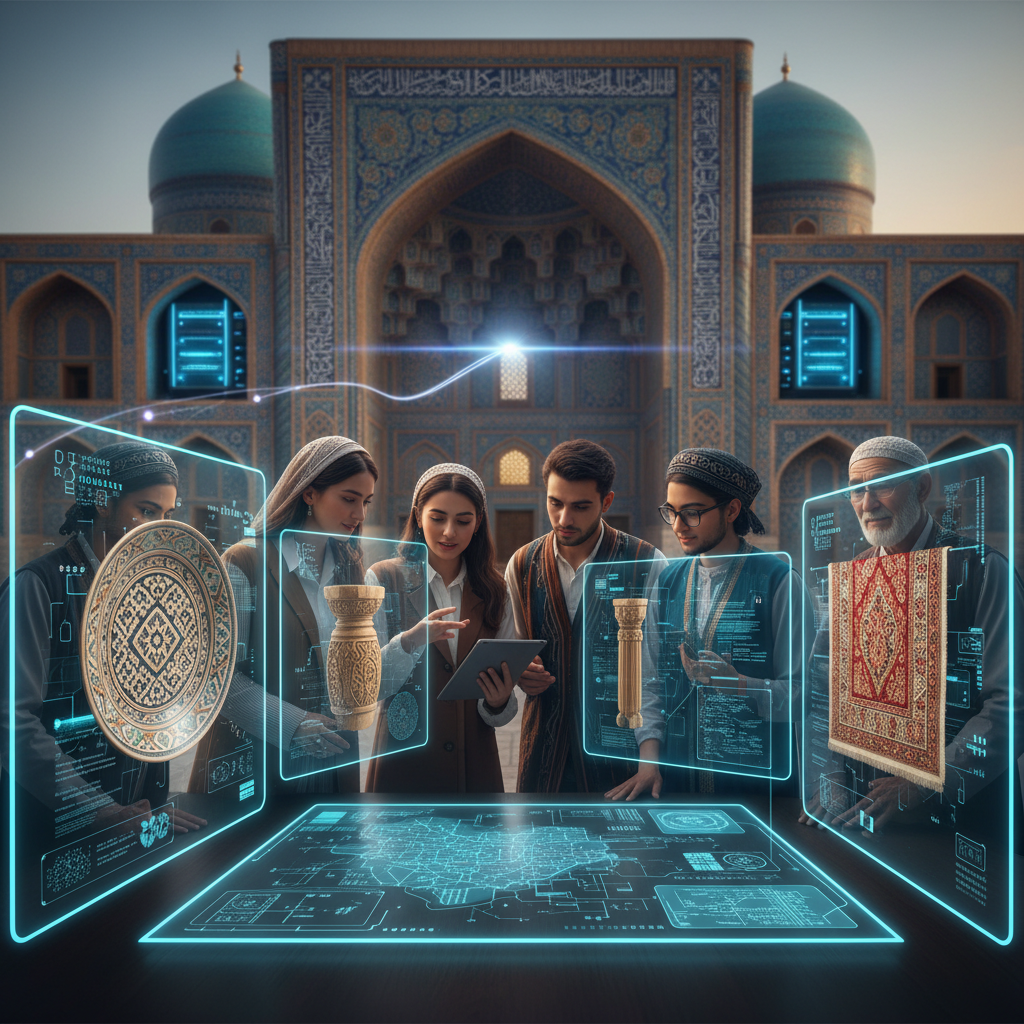
AI's Silk Road: Preserving Uzbek Cultural Heritage Through Digital Innovation
 Bintà Yusupovà
AI's Economic Dawn: Malaysian Women Entrepreneurs Embrace Digital Transformation
 Siti Nurhalizah Rahimàn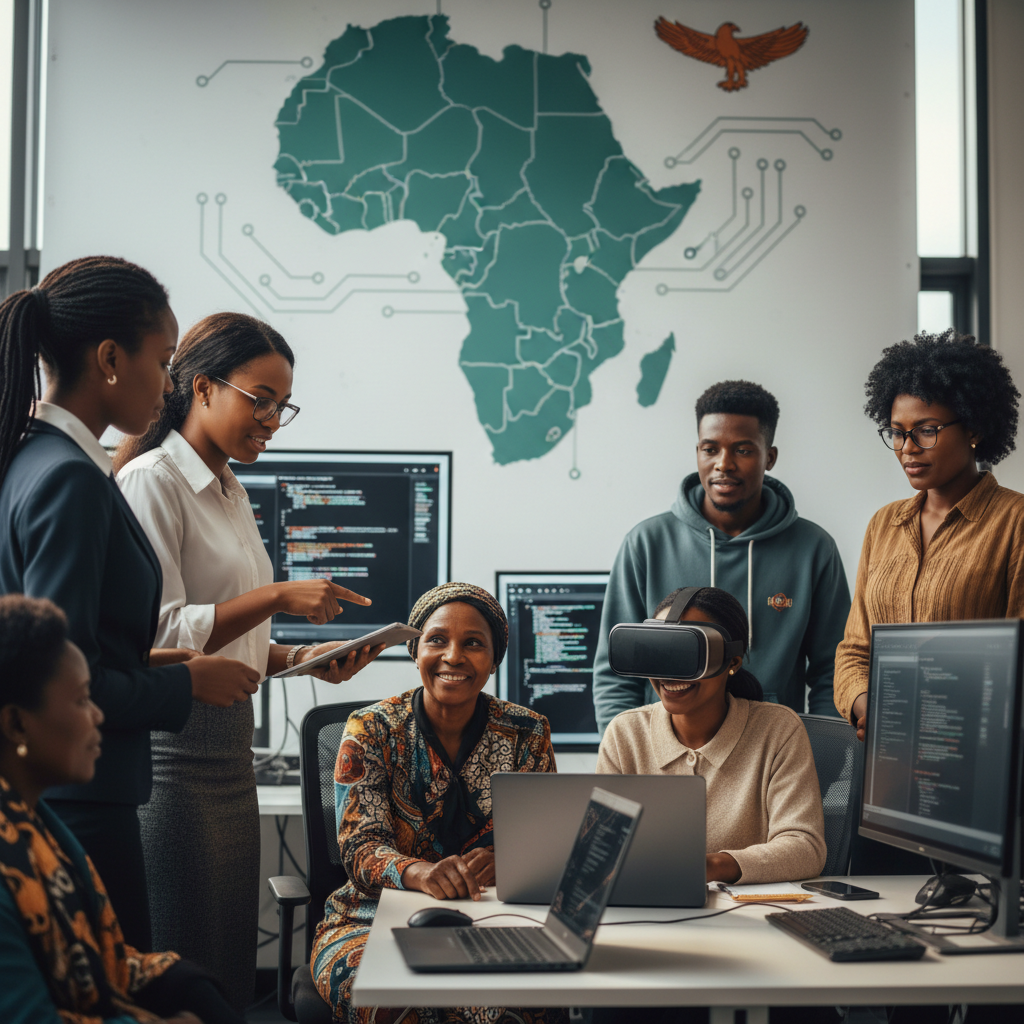
Zambia's AI Strategy: Bridging the Digital Gender Divide for Inclusive Growth
 Lindiwe Sibandà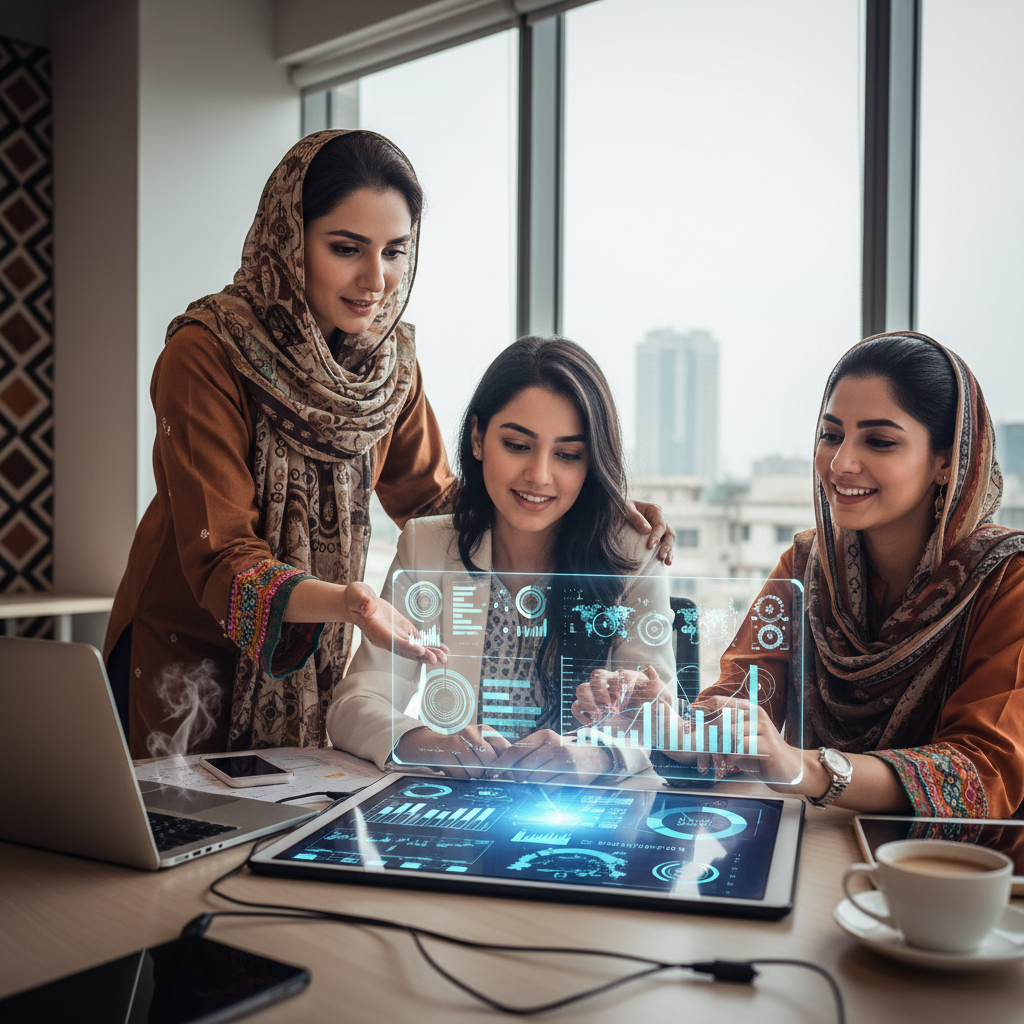
Pakistani Women Entrepreneurs Embrace AI for Business Growth, Bridging Digital Divide
 Khalidà Sultàn