
Irish Women in Tech Call for Ethical AI Framework as EU AI Act Looms
As the EU AI Act's implementation draws closer, leading Irish women in technology are advocating for a robust, ethical framework to ensure AI development benefits all, with a focus on mitigating gender bias and fostering inclusive innovation.
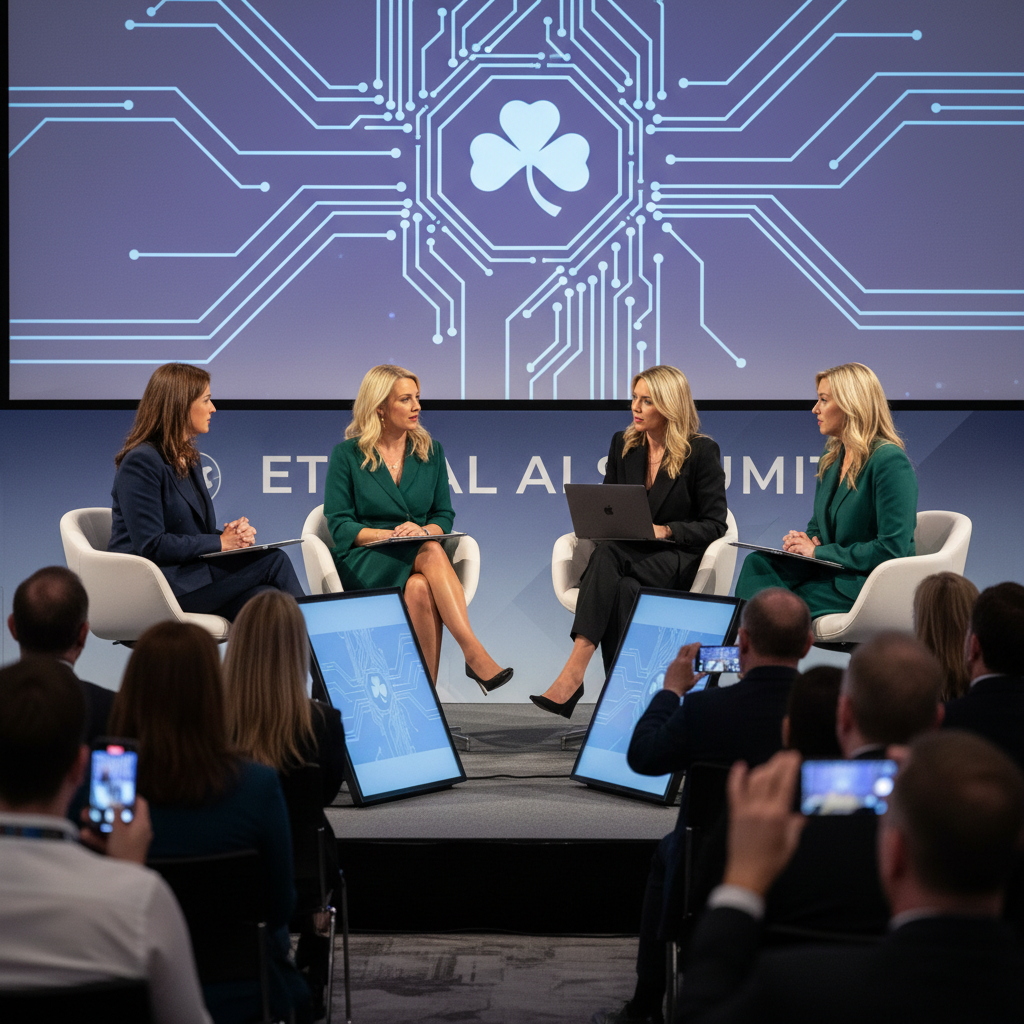

DUBLIN – April 2026 – With the European Union's landmark AI Act poised to reshape the digital landscape, a powerful chorus of Irish women in technology is urging for a proactive, ethical approach to artificial intelligence development and deployment. Their call comes as businesses across Ireland and Europe grapple with the implications of the new regulations, which aim to balance innovation with fundamental rights protection.
Dr. Fionnuala O'Connell, Director of the 'Women in AI Ireland' network and a prominent AI ethicist based at University College Dublin (UCD), emphasised the critical need for vigilance. "While the EU AI Act is a monumental step, its true impact will hinge on national implementation and the commitment of industry leaders," Dr. O'Connell stated in an exclusive interview. "For Irish women, particularly those in STEM, ensuring AI systems are free from ingrained biases isn't just an ethical imperative; it's an economic one. Biased AI leads to flawed products, missed market opportunities, and perpetuates inequalities that we've worked decades to dismantle."
The concerns are particularly pertinent given Ireland's status as a global tech hub, hosting numerous multinational corporations developing cutting-edge AI solutions. The Act categorises AI systems by risk level, with high-risk applications facing stringent requirements. Experts like Ms. Áine Kelly, CEO of 'Tech for Good Ireland' and a former senior executive at a leading Irish fintech firm, believe this presents both a challenge and an opportunity.
"We have a chance to lead by example," Ms. Kelly remarked during a recent panel discussion at the Dublin Tech Summit. "Irish businesses, especially those founded or led by women, often inherently understand the value of diverse perspectives. This translates into a more nuanced approach to AI design, where considerations of fairness, transparency, and accountability are baked in from the start, not bolted on as an afterthought. We're seeing a growing number of female-led startups in Ireland that are explicitly designing AI for social good, which is incredibly encouraging."
The 'Women in AI Ireland' network recently published a white paper, 'Shaping Ireland's AI Future: An Inclusive Approach,' which advocates for several key measures. These include mandatory gender impact assessments for high-risk AI systems, increased funding for research into bias detection and mitigation, and greater representation of women in AI governance roles, both in industry and at a policy level within the Department of Enterprise, Trade and Employment.
"The 'bro-culture' that sometimes permeates early-stage tech development can inadvertently embed biases into algorithms," Dr. O'Connell explained. "By ensuring diverse teams are at the table – from data scientists to ethicists and end-users – we can build AI that serves all citizens, not just a segment. This isn't about tokenism; it's about robust, future-proofed technology."
As the final details of the EU AI Act are ironed out and national strategies take shape, the voices of Irish women in tech are proving instrumental in advocating for an AI future that is not only innovative but also equitable and truly inclusive. Their efforts aim to cement Ireland's reputation not just as a tech powerhouse, but as a leader in ethical AI development. The stakes, they argue, couldn't be higher for the nation's digital future and its commitment to fairness.
Related Articles

AI na Liderança Feminina: Desafios e Oportunidades no Cenário Corporativo Brasileiro
 Fernandà Oliveirà
UAE's AI Strategy: Empowering Emirati Women in the Digital Economy
 Layla Al-Mansourì
AI's Dual Edge: Opportunities and Gendered Challenges for Mexican Women in Tech
 Marisèl Rodriguèz
AI's Czech Soul: National Identity Navigated by Algorithms in Digital Art
 Vladimìr Novàk