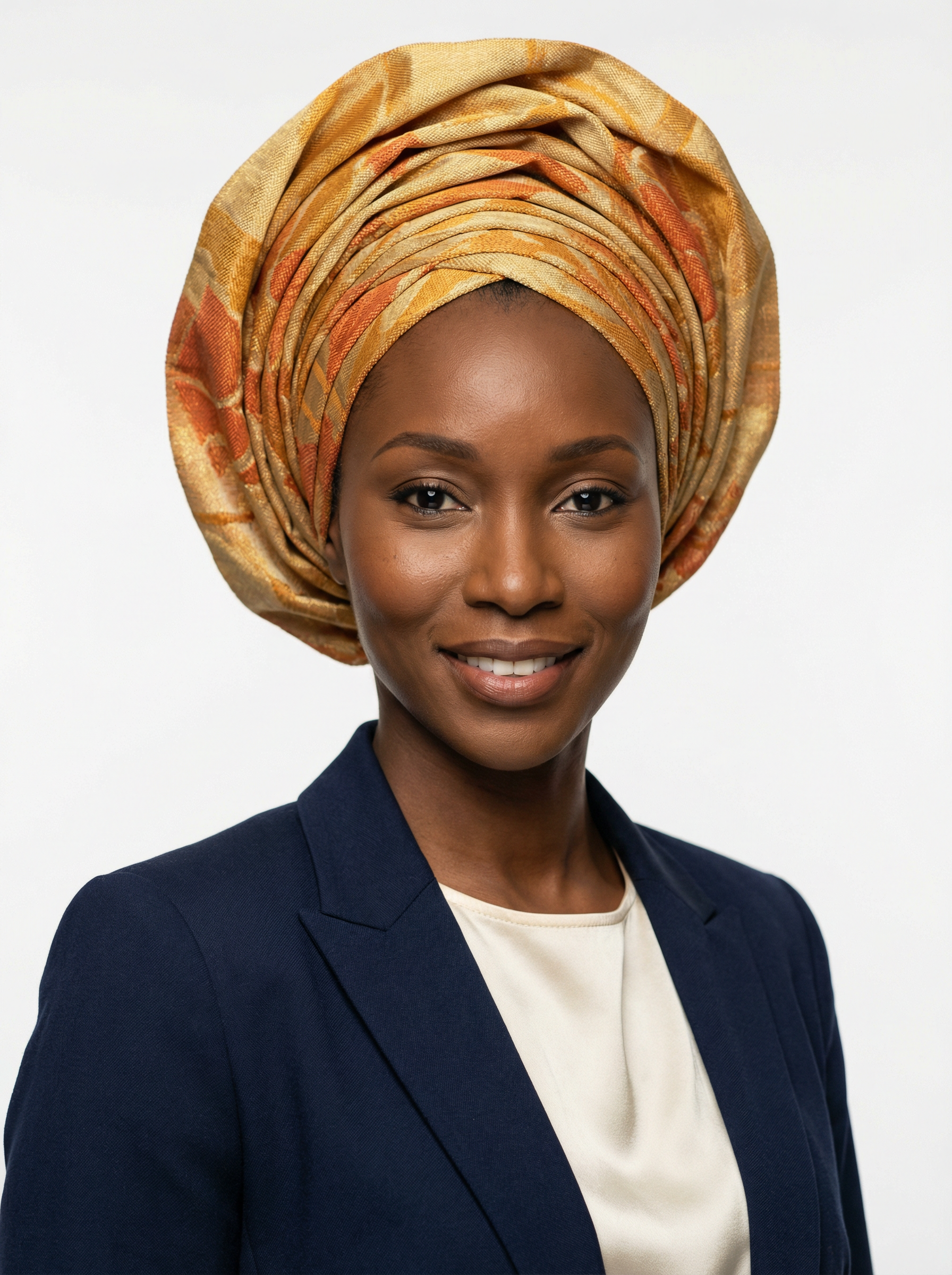
The sun dipped below the horizon, painting the sky in hues of orange and purple over Toubab Dialaw, a fishing village on Senegal's Petite Côte. A young Aïcha Ndiaye, barely ten years old, watched her grandmother meticulously mend fishing nets, her nimble fingers a blur of motion. It was a rhythm passed down through generations, a dance between human skill and the sea's bounty. Even then, Aïcha wondered, what if there was a way to ease her grandmother's weary hands, to help her work smarter, not just harder? This memory, a quiet moment under the vast African sky, was the seed that would one day blossom into Nila Robotics, a company now valued at a staggering $400 million, poised to redefine the future of work.
Aïcha, now 32, carries that same thoughtful intensity in her eyes. I sat down with her in her bustling Dakar office, a space that felt more like a vibrant marketplace of ideas than a sterile tech hub. She spoke with a calm confidence, her voice carrying the melodic lilt of a true storyteller. "Nit ku baax, du ñakk sa bopp, a good person never loses their head," she began, a Wolof proverb that seemed to encapsulate her journey. Her path was not a straight line, but a winding river, much like the Saloum Delta she visited as a child, full of unexpected turns and profound lessons.
Her early life was steeped in the rich cultural tapestry of Senegal. While her peers played football on dusty streets, Aïcha was often found tinkering with old radios and discarded electronics, fascinated by their inner workings. Her parents, both teachers, fostered her curiosity, encouraging her to question everything. This intellectual hunger led her far from the fishing villages to the prestigious halls of the Massachusetts Institute of Technology, or MIT. She pursued a degree in Electrical Engineering and Computer Science, a field where she felt she could truly build the future she dreamed of.
It was during her final year at MIT, amidst the late nights fueled by coffee and code, that she met her co-founder, Dr. Kenji Tanaka. Kenji, a brilliant robotics specialist from Tokyo, shared Aïcha's vision for practical, human-centric robotics. Their initial idea was ambitious: a network of autonomous drones for agricultural monitoring in remote African regions. They poured their hearts into it, spent countless hours in the lab, and even secured a small grant from an MIT innovation fund. But the venture, dubbed 'SkyHarvest,' ultimately failed. The technology was too expensive, the infrastructure too nascent, and the market too fragmented. "It was a painful lesson," Aïcha admitted, a slight shadow crossing her face. "We learned that innovation, no matter how brilliant, must meet the real world where it is, not where we wish it to be."
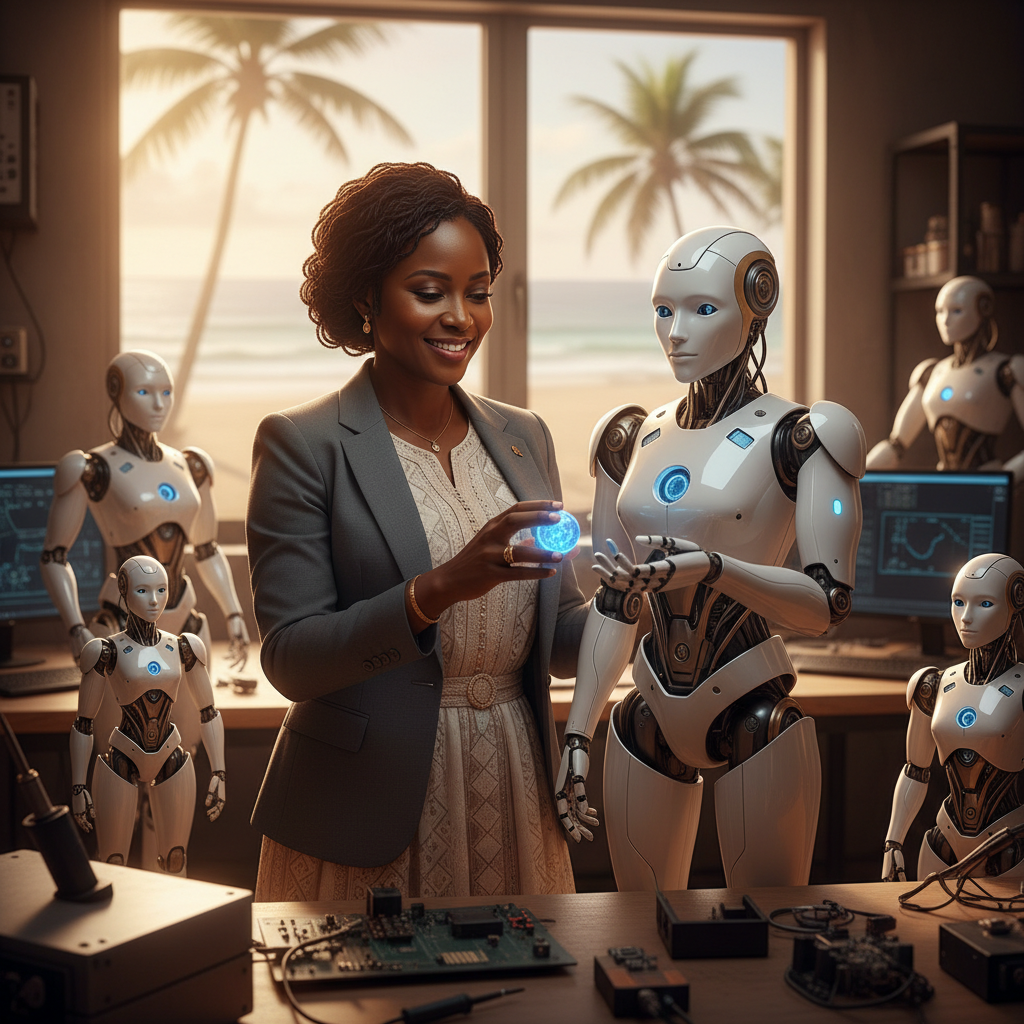
The pivot came swiftly, born from the ashes of SkyHarvest's failure. Aïcha returned to Senegal for a sabbatical, seeking solace and clarity. She observed the bustling markets, the construction sites, the small restaurants, and the relentless physical labor that defined so many lives. She saw the repetitive, sometimes dangerous, tasks that could benefit from automation, freeing human hands for more creative, complex work. The idea for Nila Robotics, named after the deep blue of the Atlantic, began to take shape: affordable, adaptable humanoid robots designed to augment human labor in factories, retail, and hospitality.
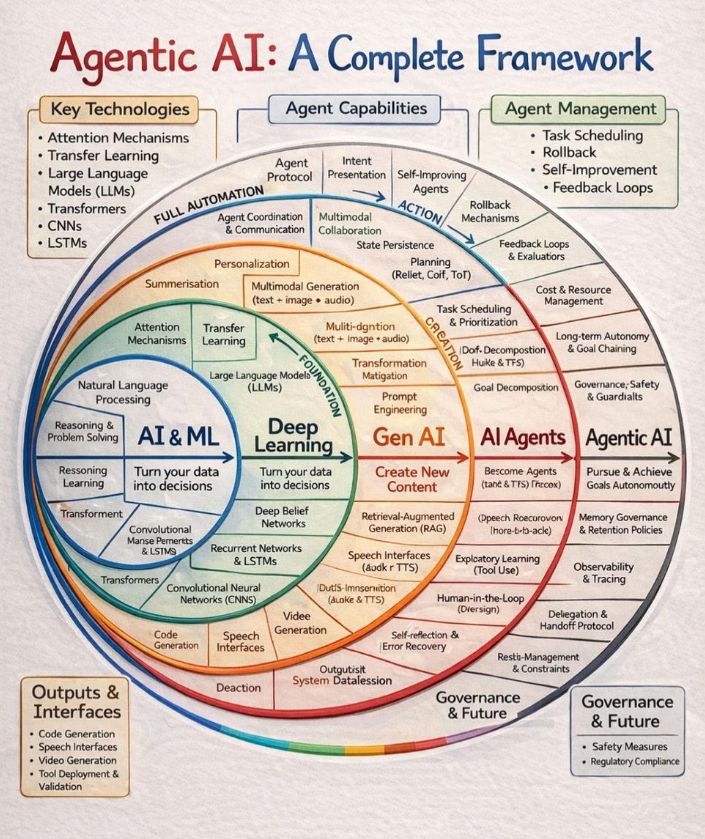
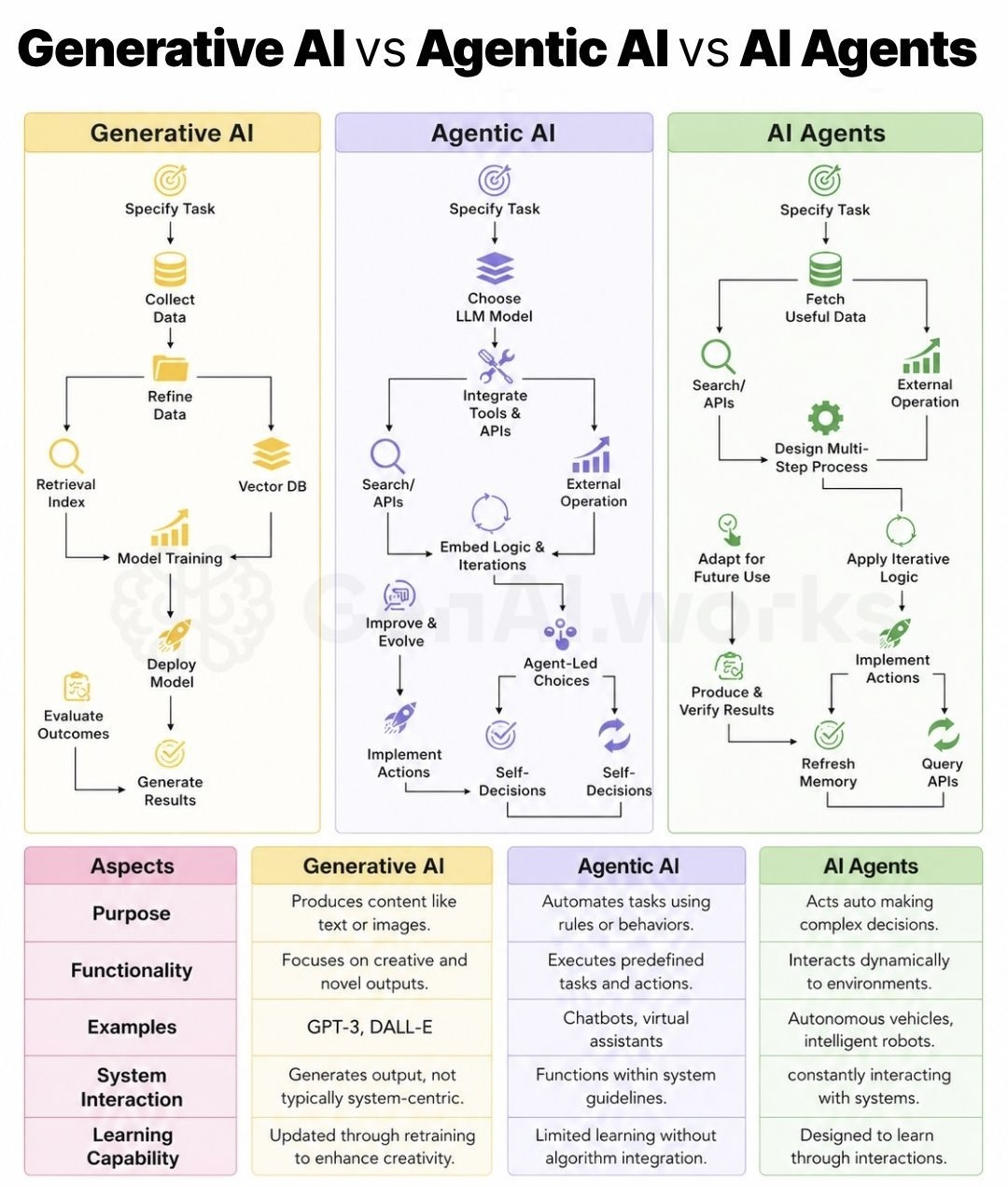
Their breakthrough came with 'Nila-Serve,' a bipedal robot designed for restaurant and retail assistance. Unlike clunky wheeled robots, Nila-Serve could navigate crowded spaces, open doors, and even carry trays with surprising dexterity. The key was their proprietary AI, 'Dakar-Sense,' which allowed the robots to learn and adapt to dynamic environments with minimal retraining. "Their eyes lit up when they told me about Dakar-Sense," I recall, seeing the passion ignite in both Aïcha and Kenji as they described its capabilities. It was a testament to their belief that AI should be intuitive, almost empathetic, in its interaction with humans.
Building the company was a marathon, not a sprint. They started in a small, rented space near the Cheikh Anta Diop University in Dakar, hiring a diverse team of engineers from across Africa and beyond. Aïcha fostered a culture of relentless problem-solving and deep respect for both technology and humanity. "We are not replacing people," she often told her team, "we are empowering them. We are building tools that allow humans to be more human." This philosophy attracted top talent and helped them navigate the inevitable challenges of a hardware startup, from supply chain woes to complex software integration.
Funding followed their innovation. After a grueling but successful stint in the Y Combinator accelerator program, Nila Robotics secured a $30 million Series A round from Altos Ventures, valuing the company at $300 million. This was followed by a $70 million Series B led by Sequoia Capital, pushing their valuation to $400 million. "Sequoia saw the potential for global impact, not just a niche market," explained Sarah Chen, a partner at Sequoia Capital, in a recent TechCrunch interview. "Aïcha's vision for integrating advanced robotics into everyday labor, particularly in emerging markets, is truly transformative." Nila Robotics is now projecting $100 million in Annual Recurring Revenue by the end of 2026, a testament to their rapid market penetration.
Today, Nila-Serve robots are being piloted in factories in Vietnam, assisting with assembly line tasks, and in retail stores in Germany, helping with inventory management and customer guidance. In Senegal, a smaller version, 'Nila-Kër,' is being tested in a pilot program to assist elderly residents with household chores, bringing Aïcha's childhood dream full circle. This is a story about people, not algorithms, and how one person's vision can ripple across continents.
What drives Aïcha? Beyond the impressive valuations and technological breakthroughs, it is a deep-seated belief in progress and human dignity. "Jàmm ak xéewal, peace and prosperity, these are what we strive for," she mused, gazing out at the bustling street below. "Technology should serve humanity, not the other way around. Our robots are designed to take on the drudgery, the danger, the repetitive tasks, so that people can focus on what they do best: create, innovate, connect." She sees a future where a robot assistant is as common and useful as a smartphone, seamlessly integrated into daily life, elevating the human experience.
What's next for Nila Robotics? Aïcha hinted at expansion into healthcare support and logistics, areas where the demand for efficient, adaptable robotic assistance is immense. She also emphasized their commitment to ethical AI development, ensuring that their robots are designed with transparency, fairness, and human oversight at their core. "The journey is long, but the destination is clear," she concluded, a determined glint in her eyes. "To build a future where technology truly serves all of humanity, starting right here, from the heart of Senegal." Her story reminds us that the most profound innovations often emerge from the most personal of dreams, nurtured by resilience and a deep understanding of human needs. You can learn more about the broader implications of AI in various sectors on Wired or follow cutting-edge research on MIT Technology Review.
From Dakar's Markets to Silicon Valley's Edge: How Aminata Diop's 'Jigeen AI' Is Weaving AI into Every Website [blocked]