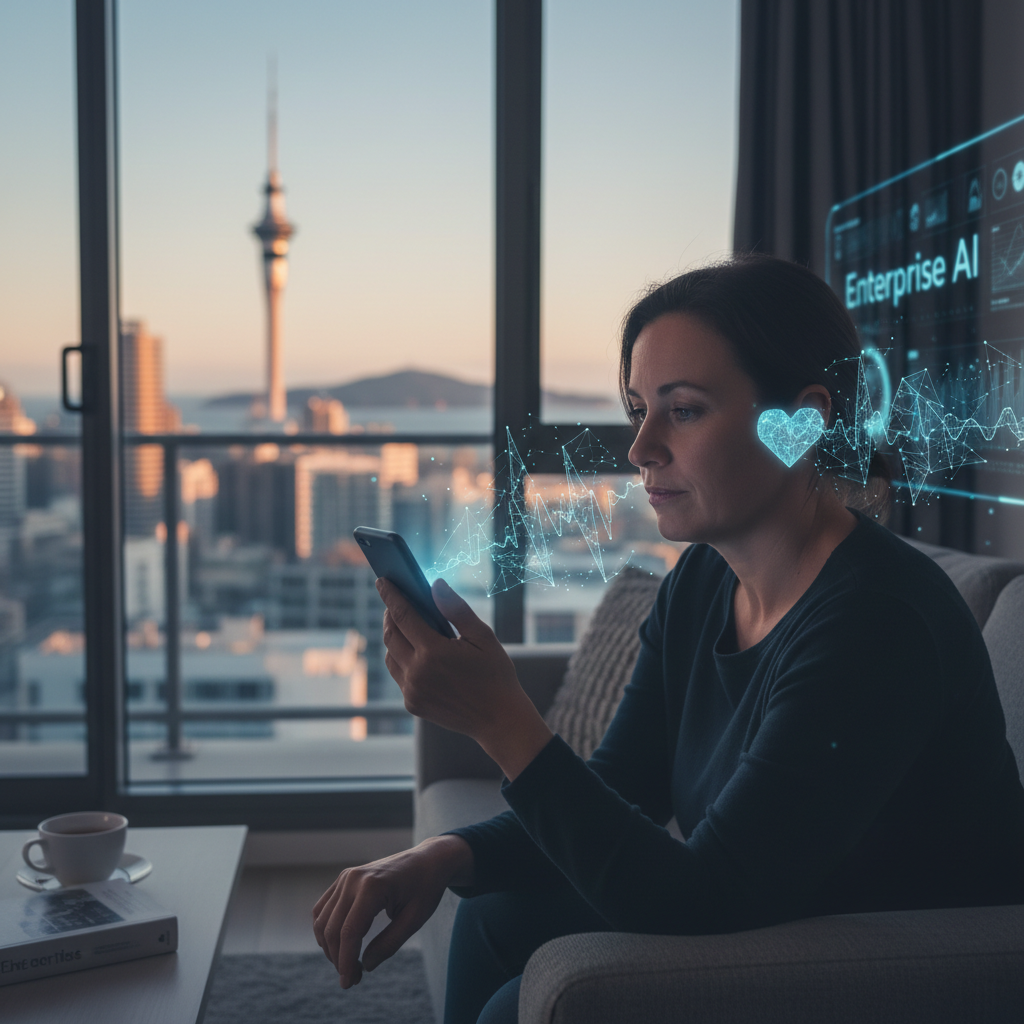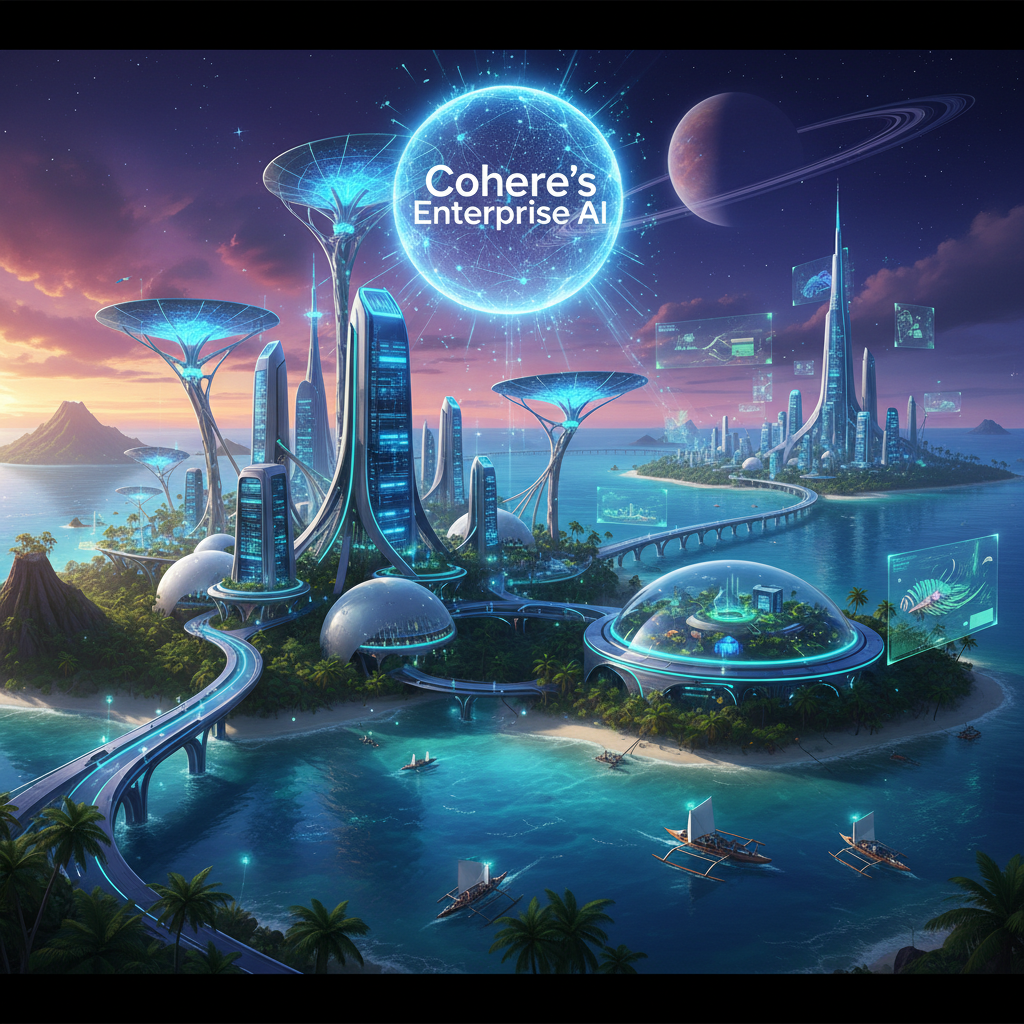
The sun is just beginning to paint the sky in shades of orange and pink over Papeete, a typical Tuesday morning in April 2031. But this isn't just any morning. Today, a small, family-owned pearl farm on Manihi, hundreds of kilometers away, will finalize a multi-million dollar export deal with a luxury brand in Paris. This wasn't brokered by a team of lawyers or international consultants, but by a sophisticated AI assistant, powered by Cohere's enterprise large language models, tailored specifically for Polynesian commerce and regulatory nuances.
This isn't a dream, mon ami, this is the future I see, a future where technology, specifically enterprise AI, becomes a powerful current carrying our islands forward. In the Pacific, technology takes a different form; it's not about replacing people, but empowering them, connecting them, and helping them safeguard their heritage. The ocean connects us and so does AI, weaving new possibilities into the fabric of our island lives.
For years, the promise of AI felt distant, a whisper from Silicon Valley that rarely reached our shores with practical applications beyond tourism apps. But the rise of enterprise-focused large language models, with Cohere leading the charge, has changed the game. These aren't the flashy, general-purpose chatbots you chat with for fun; these are powerful, customizable AI systems designed to integrate deeply into businesses, understand complex industry-specific language, and handle sensitive data with security and precision. They are the digital infrastructure that can level the playing field for businesses in remote locations like ours.
A Vision of Connected Prosperity
Imagine a Tahitian artisanal cooperative, its members spread across several islands, each crafting unique tifaifai quilts. In the past, coordinating orders, managing inventory, and navigating international shipping logistics was a monumental task, often limiting their market reach. Fast forward five years: a Cohere-powered AI platform, trained on local business practices, French and Tahitian languages, and international trade regulations, acts as their virtual operations manager. It translates customer inquiries from Japanese to Tahitian, drafts export documents, tracks supply chains, and even suggests new market opportunities based on global trends. This platform understands the subtle cultural nuances of negotiation, ensuring that business is conducted with respect and understanding, a true reflection of our mana.
"The beauty of these enterprise models is their adaptability," explains Aidan Gomez, CEO and co-founder of Cohere, in a recent interview with Reuters. "We're not building one-size-fits-all solutions. We're providing the foundational technology that businesses, even small ones, can fine-tune for their specific needs, their specific language, their specific data. That's where the real impact lies, especially for underserved markets."
Here in French Polynesia, this means our local businesses, from vanilla farmers in Taha'a to boat builders in Raiatea, can access the same sophisticated tools as multinational corporations. They can optimize their operations, reach global customers, and compete more effectively, all while retaining their unique identity and processes. This is a story about paradise and pixels, where digital innovation enhances, rather than erodes, our traditional ways of life.
How We Get There: Key Milestones
Our journey to this future isn't a leap, but a series of deliberate steps. The foundation is already being laid:
-
Data Sovereignty and Local Training (2024-2026): The first crucial step is building secure, localized data infrastructure. This means ensuring that our unique cultural data, our languages, our environmental knowledge, is used to train these models responsibly and securely, often on private cloud instances. Initiatives by organizations like the Centre des Métiers d'Art are already digitizing our cultural heritage, providing rich datasets for future AI training.
-
Specialized AI Development Kits (2025-2027): Cohere and other enterprise LLM providers will continue to release more accessible and customizable development kits. These tools will allow local tech talent, perhaps graduates from the Université de la Polynésie Française, to build bespoke AI applications without needing to be AI research scientists. Think of it as a low-code or no-code approach to powerful AI.
-
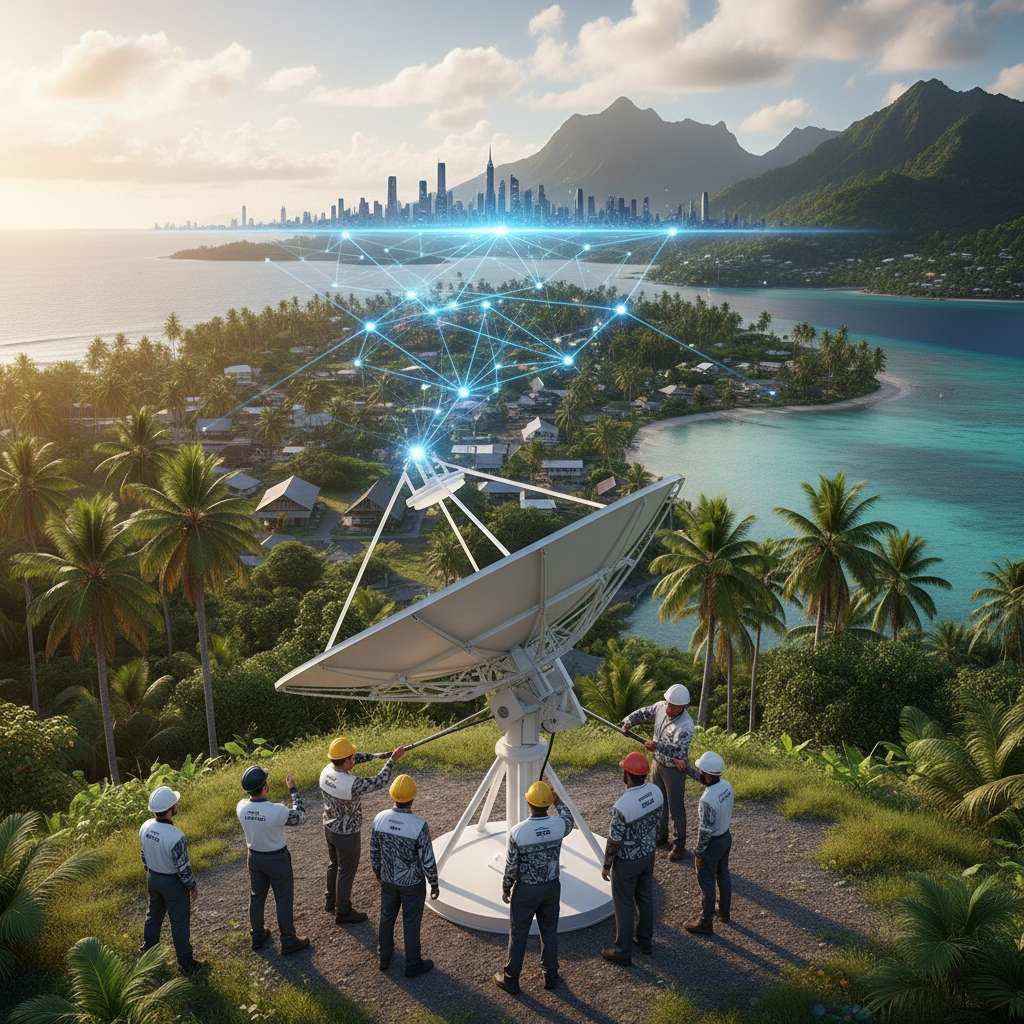
Connectivity Expansion (Ongoing): Reliable, affordable satellite internet, like Starlink, is critical. The more robust our digital highways, the faster and more efficiently these AI systems can operate and connect our most remote islands. This ongoing effort is paramount for true digital inclusion.
-
Government and Industry Partnerships (2026-2029): The Polynesian government, alongside local industry leaders, will play a pivotal role in creating frameworks for AI adoption, providing incentives for businesses, and establishing ethical guidelines. Imagine a "Polynesian AI Council" guiding these developments, ensuring they align with our values of fenua (land), moana (ocean), and 'aito (strength).
-
Human-AI Collaboration (2028-2031): The final stage isn't about AI replacing humans, but augmenting them. Our pearl farmer on Manihi isn't out of a job; they are empowered to focus on the artistry of pearl cultivation, while the AI handles the complex paperwork. Our artisans can spend more time creating, less time on logistics.
Who Wins and Who Loses
In this future, the clear winners are our local entrepreneurs, small businesses, and cultural institutions. They gain unprecedented access to global markets and advanced operational efficiency. Our environment also stands to win. Imagine AI models, trained on decades of oceanographic data from institutions like the Institut de Recherche pour le Développement (IRD), predicting coral bleaching events with greater accuracy or optimizing sustainable fishing practices. This is not just about profit; it's about planetary well-being.
"The potential for AI to aid in climate resilience and conservation in vulnerable regions is immense," says Dr. Sylvia Earle, renowned oceanographer and founder of Mission Blue. "We need intelligent systems that can help us understand and protect our oceans, and enterprise AI can provide that analytical power to local communities."
However, there are challenges. Those who resist digital transformation, who cling to outdated business models, might find themselves struggling. There's also the risk of digital divide widening if access to technology and training isn't equitable across all islands. This is why government and community initiatives are so important, ensuring that everyone has a fair chance to participate in this new digital economy. We must also be vigilant about data privacy and algorithmic bias, ensuring these powerful tools reflect our diverse society fairly. This is a conversation we are already having, as evidenced by discussions around digital governance in other island nations, like the one explored in Sovereign AI Comes to Suva [blocked].
What Readers Should Do Now
For those of us living in French Polynesia, and indeed for anyone interested in the future of enterprise AI, the time to engage is now. Learn about these technologies. Support local initiatives that promote digital literacy and infrastructure. For businesses, start exploring how even basic AI tools can streamline your operations. For policymakers, prioritize digital inclusion and responsible AI development that respects our unique cultural context. For investors, look to the Pacific; there's immense untapped potential here, ready to be unlocked by intelligent technologies.
The waves of technological change are constant, but with enterprise AI like Cohere's offerings, we have the chance to not just ride them, but to steer our own course towards a more prosperous, connected, and culturally rich future. The va'a of innovation is sailing, and we, the people of the Pacific, are ready to navigate its waters.