Can you believe it? Just a few years ago, filing an insurance claim felt like navigating a bureaucratic labyrinth, a paper trail stretching longer than a stroll along Baku Boulevard. But today, in April 2026, we are witnessing a complete metamorphosis, and it is all thanks to the incredible, relentless march of artificial intelligence. The insurance industry, often seen as traditional and slow moving, is now buzzing with the kind of innovation that makes my journalist heart sing!
I have been following the tech scene in our beautiful Azerbaijan for years, watching it blossom from an oil-dependent economy to a vibrant digital hub. And let me tell you, the integration of AI into insurance is one of the most exciting chapters in this story. It is not just about making things faster, though speed is certainly a huge bonus. It is about fairness, accuracy, and ultimately, a better experience for everyone.
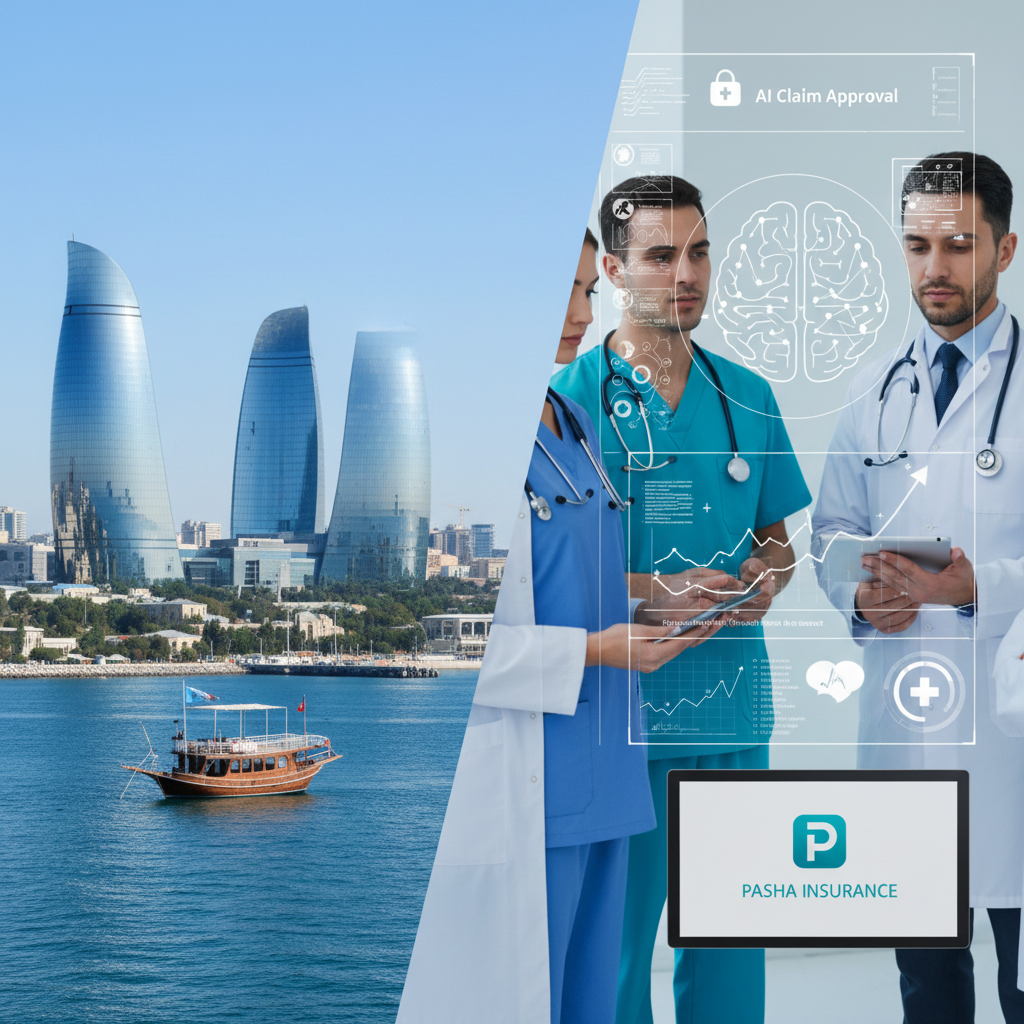
Think about it: automated claims processing. This is where AI truly shines. Imagine a world where your car accident claim, instead of taking weeks, is processed in days, sometimes even hours. Companies like Pasha Insurance, one of Azerbaijan's leading insurers, are at the forefront of this transformation right here in our region. They are leveraging natural language processing and computer vision to analyze accident reports, photos, and even video footage. This means less paperwork for you, faster payouts, and less stress during an already difficult time. It is a game changer, pure and simple.
"The adoption of AI in claims processing is not just about efficiency, it is about enhancing customer trust and transparency," says Nigar Isgandarova, Head of Digital Transformation at Pasha Insurance. "Our goal is to make the claims journey as seamless and human-centric as possible, even with advanced technology driving it. We are seeing incredible results, reducing processing times by over 40 percent in some areas." That is a huge leap forward, and it is happening right here. Azerbaijan is writing its own tech story, and it is a thrilling one.
But the magic of AI in insurance does not stop at claims. Fraud detection, a perennial headache for insurers globally, is another area where AI is proving to be an indispensable ally. Traditional methods often rely on rule-based systems, which can be easily circumvented by sophisticated fraudsters. AI, particularly machine learning algorithms, can analyze vast datasets, identify complex patterns, and flag suspicious activities that would be invisible to the human eye. It is like having a super-sleuth working 24/7, protecting honest policyholders from the costs associated with fraudulent claims.
Globally, companies are investing heavily in this. According to a recent report by Reuters Technology, the global AI in insurance market is projected to reach over $45 billion by 2030, with fraud detection being a significant driver of this growth. Major players like IBM and Google Cloud are offering sophisticated AI solutions that insurers can integrate into their existing systems, making these powerful tools accessible even to regional companies. It is a testament to the democratizing power of cloud AI.
And then there is risk pricing. This is perhaps the most fascinating application of AI, transforming how insurance premiums are calculated. Historically, risk assessment relied on broad demographic data and actuarial tables. While effective, it could sometimes feel a little impersonal, a one-size-fits-all approach. Now, with AI, insurers can analyze a much richer, more granular dataset: from telematics data in cars to wearable health devices, and even publicly available information. This allows for highly personalized risk assessments, meaning fairer premiums for individuals.
For example, if you are a safe driver, AI can prove it, potentially lowering your car insurance. If you lead a healthy lifestyle, your life insurance premiums could reflect that. This is not about surveillance, it is about accurate, data-driven fairness. Of course, this also brings up important ethical considerations about data privacy and algorithmic bias, topics that are hotly debated in the global tech community. We must ensure these powerful tools are used responsibly and ethically, protecting individual rights while harnessing AI's benefits.
Dr. Elnur Aliyev, a leading AI ethics researcher at Azerbaijan Technical University, emphasized this point recently, stating, "As we embrace AI's transformative potential in sectors like insurance, it is paramount that we build robust ethical frameworks. Transparency, fairness, and accountability must be designed into these systems from the ground up, ensuring that AI serves humanity, not the other way around." His words resonate deeply, reminding us that technology is a tool, and its impact depends on how we wield it.
What does this mean for us, the people of Azerbaijan and the wider Caucasus region? It means a future where insurance is not a necessary evil, but a smart, responsive partner. It means a more resilient economy, where businesses can operate with greater certainty, knowing their risks are accurately assessed and their claims efficiently handled. The Caucasus is having a moment, and our tech ecosystem is proving its mettle on the global stage. We are not just adopting technologies, we are adapting them, innovating with them, and in many cases, leading the way for our neighbors.
I am incredibly optimistic about what lies ahead. The synergy between cutting-edge AI research, local entrepreneurial spirit, and forward-thinking companies like Pasha Insurance is creating a powerful wave of change. This is just the beginning, my friends. The digital transformation of insurance is unfolding before our eyes, making our lives simpler, safer, and more connected. It is a future I cannot wait to explore further, right here with you on DataGlobal Hub. For more insights into how AI is changing industries worldwide, you can always check out Wired's AI section. The journey is just getting started!