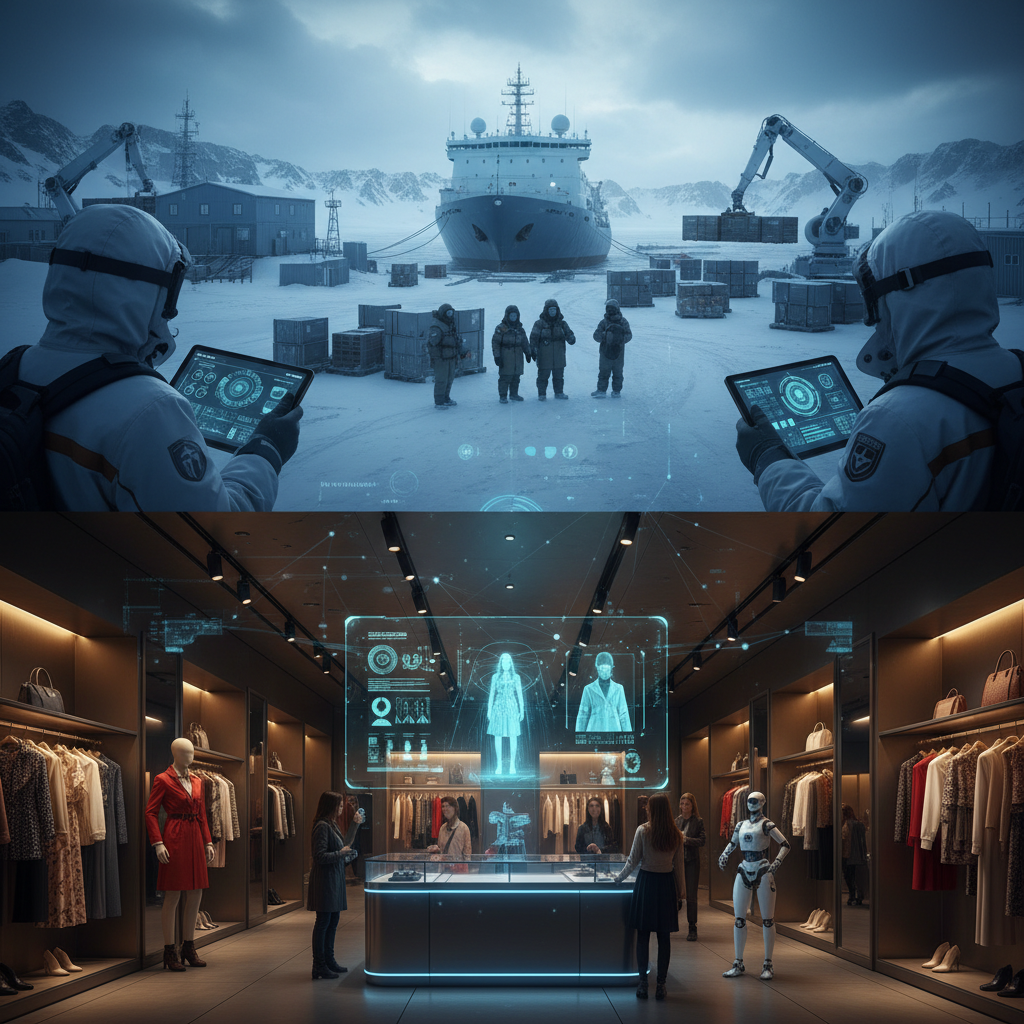

The rhythmic hum of generators is a constant companion here at Vostok Station. Our existence, perched precariously on the vast Antarctic ice sheet, is a testament to meticulous planning and precise logistics. Every kilogram of supplies, from scientific equipment to a simple packet of black bread, is accounted for, its journey forecasted months in advance. This stark reality, where miscalculation can mean severe hardship, provides a unique lens through which to view the burgeoning field of artificial intelligence in retail. While the world's attention often fixates on the latest generative AI marvels from OpenAI or Google, a quieter, yet equally transformative, revolution is unfolding in the supply chains and storefronts that underpin our daily lives.
This revolution is driven by three interconnected pillars: AI powered demand forecasting, inventory optimization, and personalized shopping experiences. These are not futuristic concepts; they are operational realities, reshaping everything from the global distribution networks of Amazon and Walmart to the local lavka in a Russian village. The data from our Antarctic station reveals that even in the most isolated environments, the principles of efficient resource management are paramount. At -40°C, technology behaves differently, and the need for predictive accuracy becomes a matter of survival, not just profit.
Why Most People Are Ignoring It: The Attention Gap
The average consumer, understandably, is more captivated by the prospect of an AI companion like Anthropic's Claude 3 or the photorealistic images generated by Midjourney. These applications are tangible, immediate, and often entertaining. The intricate dance of algorithms predicting which brand of kefir will sell out in a St. Petersburg supermarket next Tuesday, or optimizing the route for a delivery truck across the Siberian plains, lacks the same dramatic flair. It is the hidden machinery, the invisible hand guiding the flow of commerce, and thus it largely escapes public scrutiny. We see the perfectly stocked shelves, the timely delivery, or the relevant advertisement, but rarely do we consider the complex computational infrastructure enabling it all. This attention gap allows these powerful AI systems to evolve rapidly, often without the broader societal discourse that their impact warrants.
How It Affects YOU: Personal Impact on Readers
Consider your own shopping habits. Have you ever noticed how a particular online store seems to know exactly what you want, even before you do? This is not magic, but sophisticated AI at work, analyzing your browsing history, purchase patterns, and even social media activity to create a highly personalized shopping experience. Companies like Amazon and Alibaba have perfected this, using algorithms to recommend products, tailor promotions, and even predict your next purchase. This can be convenient, saving you time and introducing you to items you might genuinely enjoy. However, it also raises significant questions about privacy, data sovereignty, and the potential for algorithmic manipulation. Are you truly choosing, or are you being subtly guided by an unseen digital hand?
Beyond personalization, the efficiency gained through AI powered demand forecasting and inventory optimization directly impacts product availability and pricing. When retailers can accurately predict what consumers will buy, they reduce waste, minimize stockouts, and can potentially offer more competitive prices. This means fewer empty shelves in your local grocery store, faster delivery times for online orders, and a more stable supply of essential goods. Conversely, a failure to adopt these technologies can lead to higher costs, supply chain disruptions, and a less satisfying shopping experience for you, the consumer.
The Bigger Picture: Societal, Economic, or Political Implications
The implications of AI in retail extend far beyond individual transactions. Economically, it is a game changer. Businesses that effectively leverage these technologies gain a significant competitive advantage, potentially leading to market consolidation. Smaller businesses, particularly those without the resources to invest in advanced AI solutions, could struggle to compete against the optimized giants. This creates a digital divide in the commercial landscape. For nations, the ability to maintain resilient and efficient supply chains, especially in times of geopolitical instability or environmental crisis, becomes paramount. Russia, with its vast geography and diverse regional needs, stands to gain immensely from optimized logistics, ensuring that goods reach remote communities efficiently, a challenge I observe daily from our station.
Socially, the rise of personalized shopping algorithms raises ethical concerns. Algorithmic bias, if unchecked, could lead to discriminatory practices, inadvertently excluding certain demographics from promotions or even access to products. The extensive data collection required for these systems also fuels debates around individual privacy versus corporate utility. Politically, the control over such powerful data and predictive capabilities could become a strategic asset, influencing consumer behavior on a mass scale and potentially impacting economic stability.
What Experts Are Saying: Diverse Perspectives