
Chilean Women Lead AI Integration: A Boost for Economic Inclusion and Innovation
Chile is witnessing a significant trend: women are at the forefront of AI adoption and development, transforming industries and fostering greater economic inclusion across the nation, from Santiago to the regions.
Click play to listen to this article read aloud using text-to-speech.
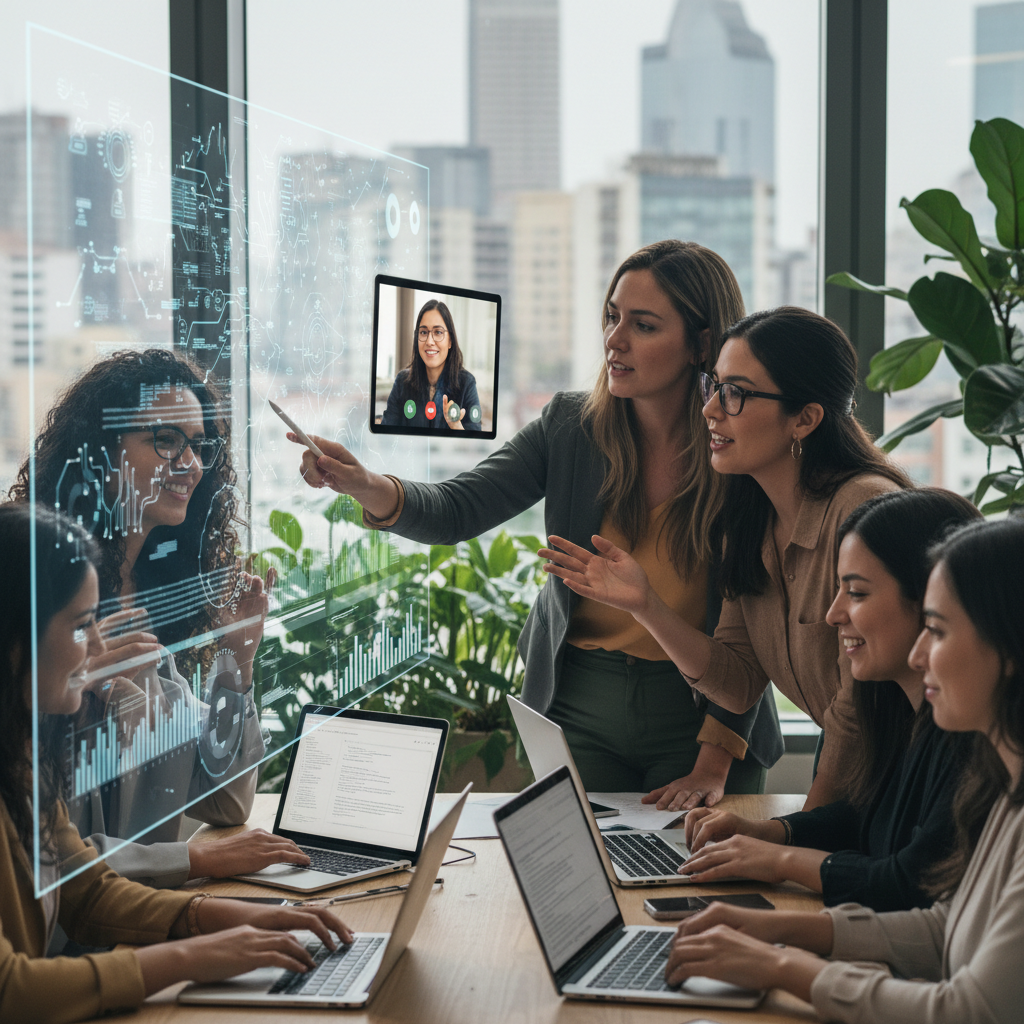

SANTIAGO, Chile – The digital transformation sweeping across Latin America has found a unique and powerful engine in Chile: its women. As artificial intelligence (AI) increasingly reshapes global economies, Chilean women are not just adapting; they are actively leading its integration, particularly in sectors vital to the nation's economic fabric.
From the bustling tech hubs of Providencia to the burgeoning agricultural tech startups in the Maule region, women are leveraging AI to drive efficiency, create new business models, and address long-standing societal challenges. This trend, often overlooked in broader regional analyses, is a testament to Chile's sustained efforts in digital literacy and gender equity, albeit with much room for growth.
Carolina Rojas, a leading economist and director of the Centro de Estudios de la Mujer y la Economía (CEME) at the Universidad de Chile, emphasizes this point. “We are seeing a 'feminization' of AI adoption in key areas. Women entrepreneurs, particularly those in SMEs and the service sector, are quick to grasp AI's potential for process optimization, customer service, and market analysis. This isn't just about efficiency; it's about leveling the playing field and fostering economic resilience,” Rojas stated in a recent CEME report.
A prime example is the burgeoning fintech sector, where AI-powered platforms are democratizing access to financial services. María José Soto, CEO of 'Finanzas para Todas,' an AI-driven micro-lending platform, explains, “Our algorithms are specifically designed to analyze non-traditional credit data, which disproportionately benefits women, especially those in informal economies or with limited credit histories. This isn't just technology; it's a tool for empoderamiento económico.” Her platform, launched in 2024, has already facilitated over 10,000 loans, with a significant majority going to women-led businesses in regions like Valparaíso and Biobío.
The public sector is also taking note. The Ministerio de la Mujer y la Equidad de Género, in collaboration with CORFO (Corporación de Fomento de la Producción), recently announced a new funding initiative, 'Mujeres en la Frontera Digital,' aimed at supporting women-led AI startups and digital upskilling programs. “Our goal is to ensure that women are not merely consumers of technology but creators and innovators,” commented Minister Antonia Vidal. “This initiative seeks to close the gender gap in STEM fields and ensure that the benefits of AI are equitably distributed across our society, reflecting our idiosincrasia and values.”
However, challenges remain. Access to advanced technical training, venture capital, and overcoming persistent gender biases in the tech industry are still hurdles. Dr. Rojas cautions, “While progress is undeniable, we must ensure these initiatives are sustained and reach beyond metropolitan areas. The digital divide, though narrowing, still impacts women in rural and indigenous communities, limiting their participation in this new AI economy.”
Despite these obstacles, the trajectory is clear. Chilean women are carving out a significant space in the AI landscape, demonstrating that inclusive innovation is not just a social imperative but a powerful economic driver. Their leadership promises a more equitable and dynamic future for Chile's economy in the age of artificial intelligence.
Related Articles
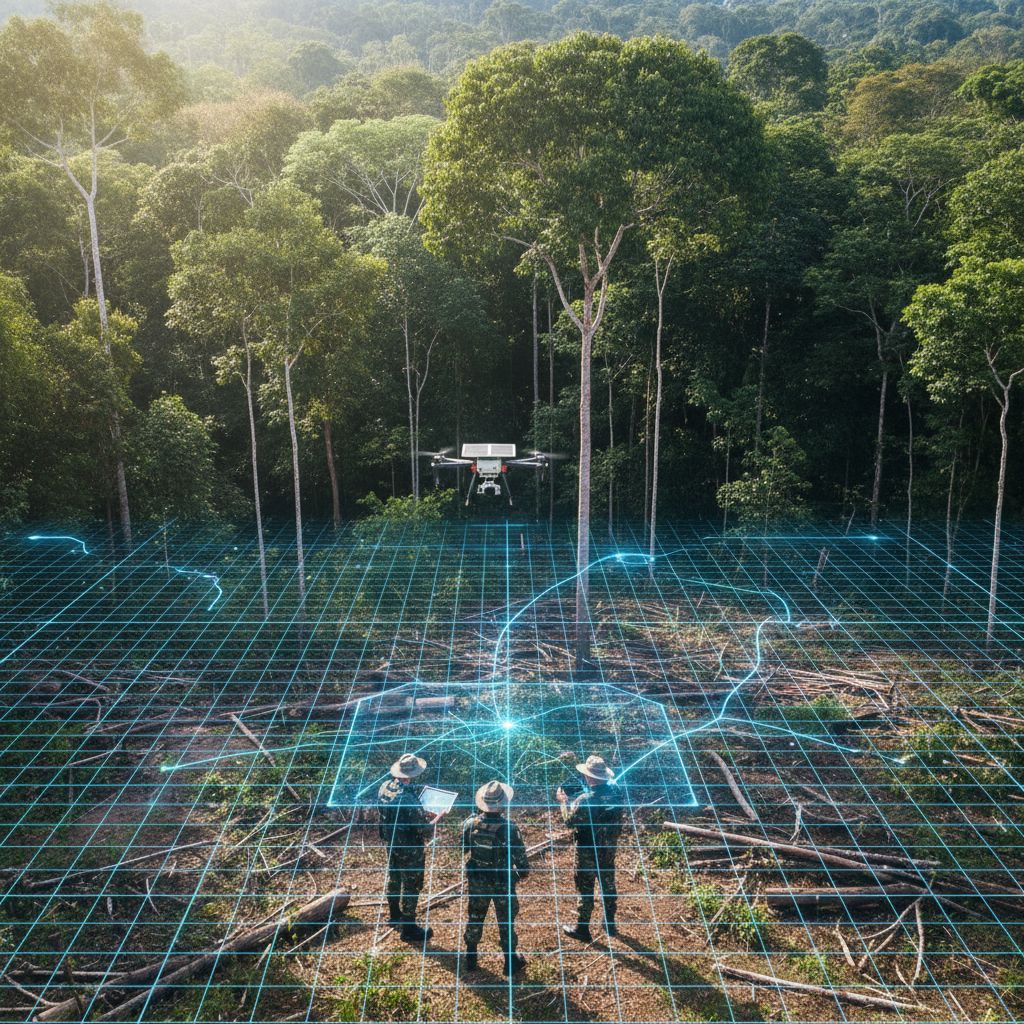
Amazon's AI Guardians: Brazil Deploys Tech to Combat Deforestation
 Luciànò Ferreiràs
AI na Arena: Como a Inteligência Artificial Está Transformando o Futebol Brasileiro
Luciànò Ferreiràs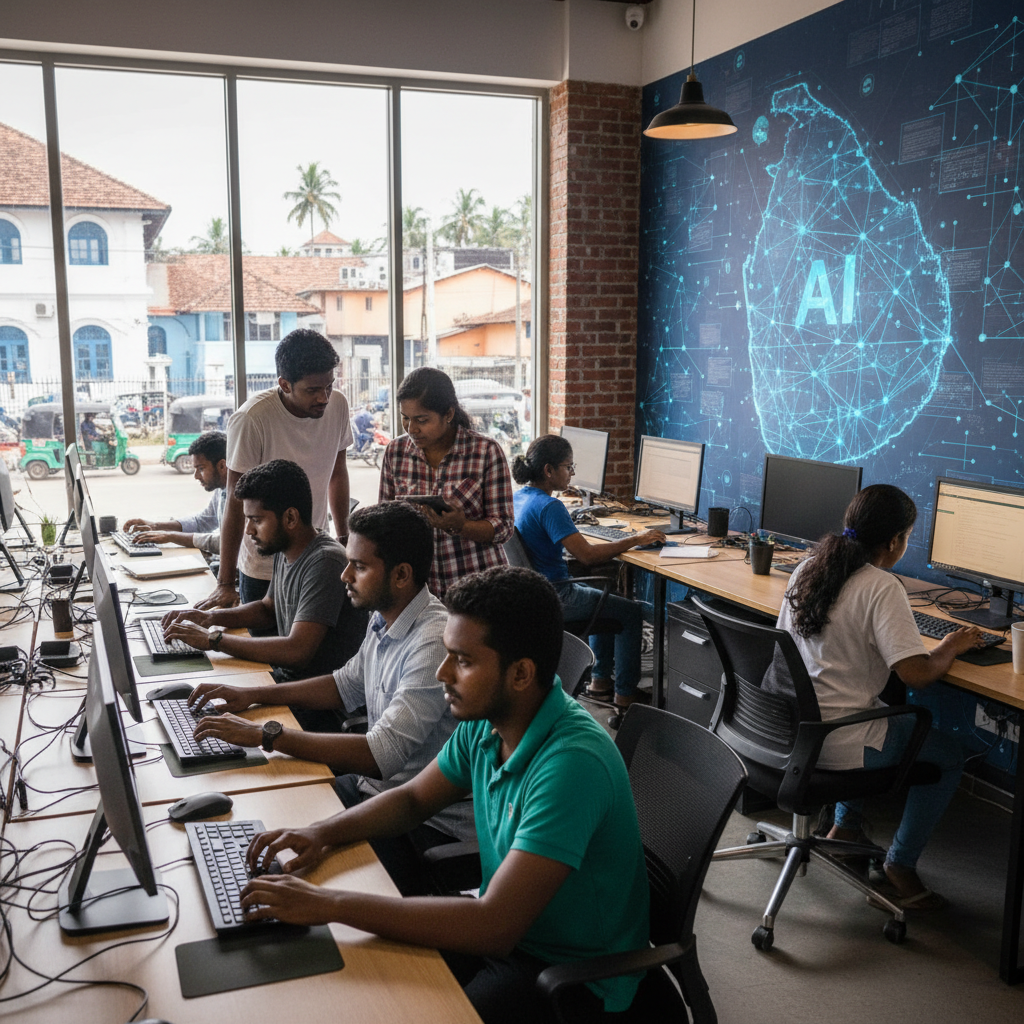
AI's Promise for Jaffna's Economy: Bridging the Digital Divide in the North
 Ravi Chandrasekharàn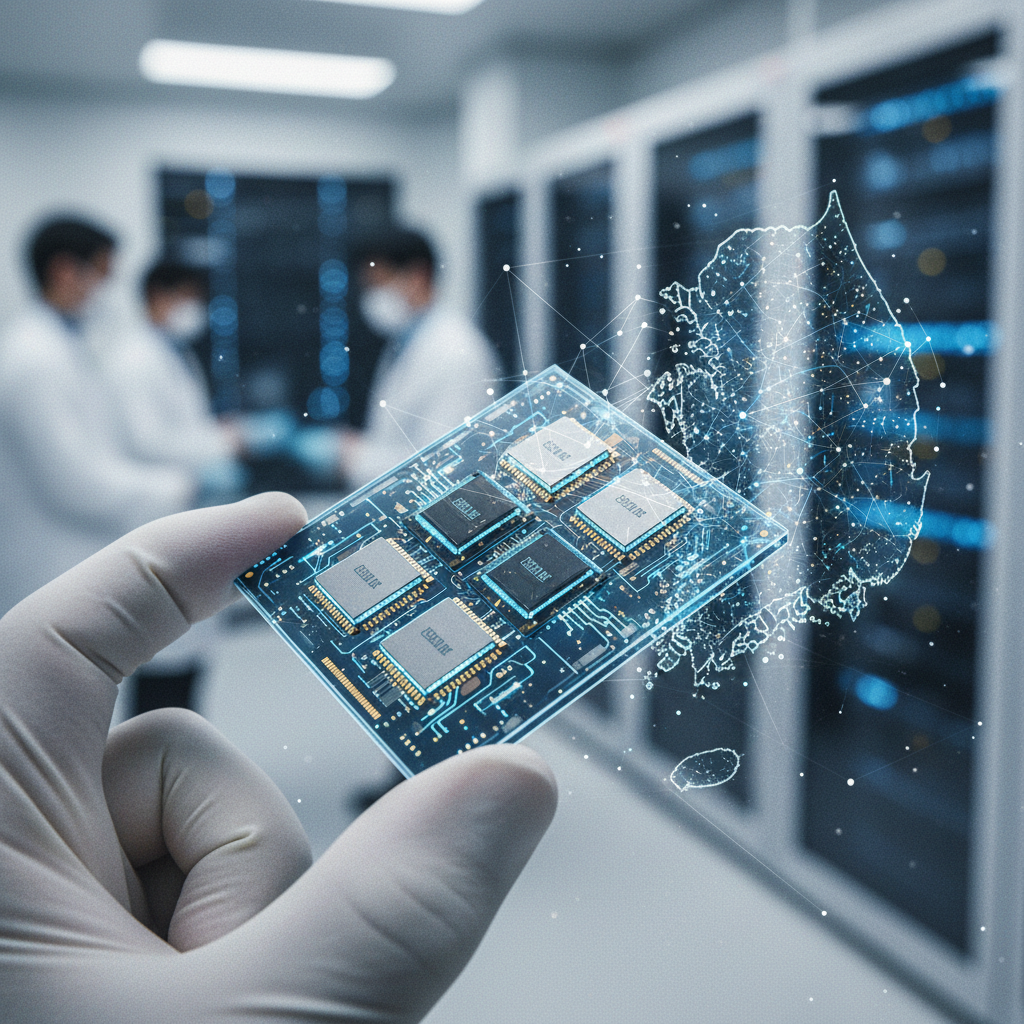
SK Hynix's HBM4 Breakthrough: A New Era for Korea's AI Chip Dominance
 Jae-Wòn Parkk