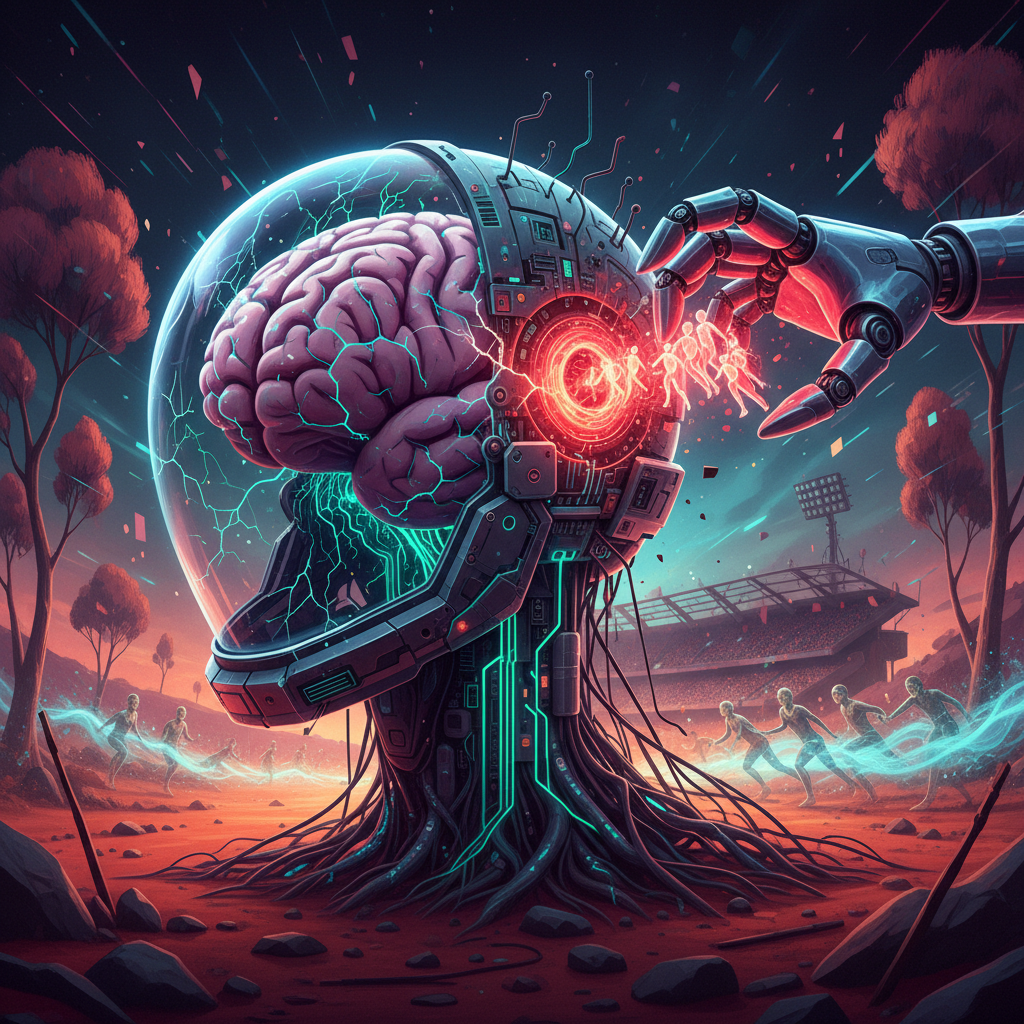

Is the global AI landscape destined to splinter into regulatory blocs, or can we find common ground for a future where technology truly serves humanity? This question weighs heavily on my mind, particularly from my vantage point here in Aotearoa, New Zealand, as I observe the escalating showdown between the European Union, the United States, and China over artificial intelligence governance.
For years, the promise of AI has been tempered by the fear of its unchecked power. Now, that fear has catalyzed action, but the approaches are as varied as the cultures that birthed them. We are witnessing a pivotal moment, a regulatory 'waka' race across the digital ocean, and its outcome will shape not just the tech industry, but the very fabric of our societies.
Let us cast our minds back a little. The early 2020s were a wild west for AI. Companies like OpenAI, Google, and Meta were pushing boundaries at breakneck speed, releasing models like GPT-3, LaMDA, and Llama with little more than internal ethical guidelines. The world was captivated, but also increasingly uneasy. Concerns about bias, privacy, job displacement, and even existential risks began to mount. Governments, initially slow to react, started to stir.
Fast forward to today, April 2026, and the regulatory landscape is anything but uniform. The European Union, true to its history of comprehensive data protection with GDPR, has taken the most ambitious legislative leap with its AI Act. This landmark regulation, provisionally agreed upon in late 2023 and now entering full implementation, categorizes AI systems by risk level, from minimal to unacceptable. High-risk systems, such as those used in critical infrastructure, law enforcement, or employment, face stringent requirements for data quality, human oversight, transparency, and cybersecurity. It is a robust, prescriptive framework designed to build trust and protect fundamental rights. According to a recent analysis by MIT Technology Review, compliance costs for high-risk AI systems in Europe could add 15-20% to development budgets, but proponents argue this is a necessary investment in ethical innovation.
Across the Atlantic, the United States has opted for a more agile, less legislative approach, primarily driven by executive orders. President Biden's Executive Order on the Safe, Secure, and Trustworthy Development and Use of Artificial Intelligence, issued in October 2023, laid out directives for federal agencies to develop standards, test AI systems, protect privacy, and promote competition. It is a framework that prioritizes innovation and economic competitiveness, relying heavily on existing laws and voluntary industry commitments. This approach reflects a Silicon Valley ethos, where rapid iteration and market forces are often seen as the best drivers of progress. Dr. Evelyn Reed, a senior policy advisor at the US Department of Commerce, recently told a virtual summit,