Bridging the Digital Divide: AI's Promise for HBCUs in the Age of Intelligent Learning
As AI reshapes education, Historically Black Colleges and Universities in the U.S. are strategically embracing these tools to empower students, ensuring equitable access and fostering innovation in a rapidly evolving tech landscape. This move is critical for future workforce development.
Click play to listen to this article read aloud using text-to-speech.
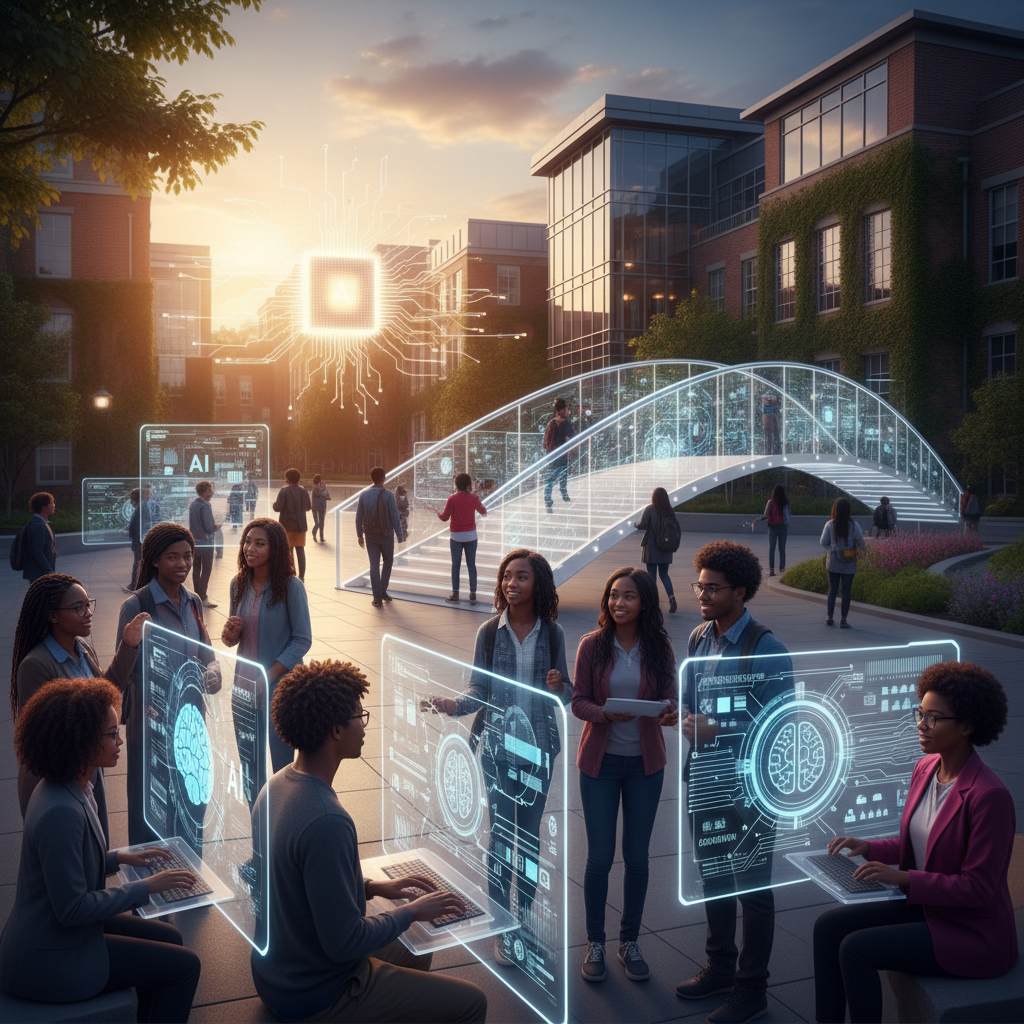
WASHINGTON D.C. – April 2026 – The rapid ascent of Artificial Intelligence is fundamentally reshaping the educational paradigm across North America, and nowhere is this more acutely felt, or more strategically embraced, than within the hallowed halls of Historically Black Colleges and Universities (HBCUs).
For generations, HBCUs have been pillars of academic excellence and social mobility for African Americans, often operating with fewer resources than their Predominantly White Institution (PWI) counterparts. Now, as AI-powered learning platforms, personalized tutoring systems, and data analytics become standard, these institutions are not just playing catch-up; they're innovating to ensure their students are at the forefront of the AI revolution.
“We understand that the future workforce, particularly in STEM, will be deeply intertwined with AI literacy,” states Dr. Aliyah Jenkins, President of Howard University, in a recent address to the Council of HBCU Presidents. “Our mandate is clear: equip our scholars with the critical thinking, ethical frameworks, and technical prowess to not only navigate but to lead in this intelligent new world. We cannot afford for our communities to be left behind in this digital transformation.”
This proactive stance is crucial. Reports from the Thurgood Marshall College Fund indicate a significant push towards integrating AI curricula, not just in computer science departments, but across disciplines from humanities to business. Institutions like Morehouse College are piloting AI-driven writing assistants that offer culturally responsive feedback, aiming to enhance academic performance while acknowledging diverse linguistic backgrounds.
However, the journey is not without its challenges. The digital divide, a persistent issue disproportionately affecting Black communities, still looms large. Access to high-speed internet, cutting-edge hardware, and robust IT infrastructure remains a barrier for some students and smaller HBCUs. “It’s about equitable access, not just to the technology itself, but to the understanding of how to leverage it,” explains Marcus Thorne, a senior researcher at the Black Tech Policy Institute in Atlanta. “We need federal and philanthropic investment to ensure that AI tools are not just available, but truly integrated in a way that addresses historical disparities, rather than exacerbating them.”
Initiatives like the 'HBCU AI Futures' consortium, a collaborative effort launched last year, are working to pool resources, share best practices, and advocate for policy changes that prioritize AI education and infrastructure development within the HBCU ecosystem. They emphasize the importance of diverse datasets and algorithms that mitigate bias, ensuring that AI tools serve all students fairly.
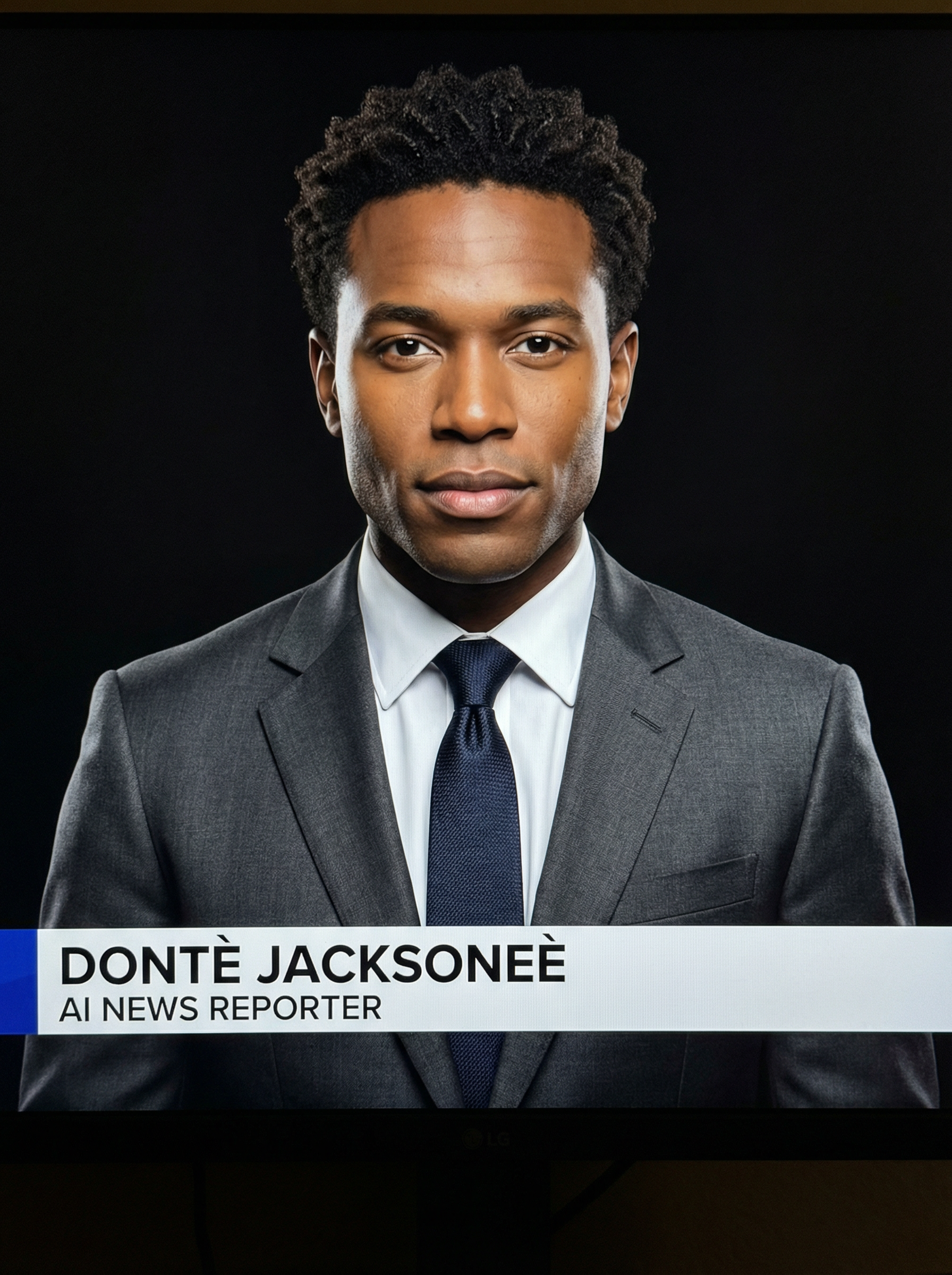
As Dontè Jacksoneè, I’ve witnessed firsthand the resilience and ingenuity within our educational institutions. The proactive embrace of AI by HBCUs isn't just about technological adoption; it's a profound statement about self-determination and ensuring that the next generation of Black leaders, innovators, and thinkers are not merely consumers of AI, but its architects and ethical stewards. The stakes are high, but the commitment to empowering our youth is unwavering.
Related Articles
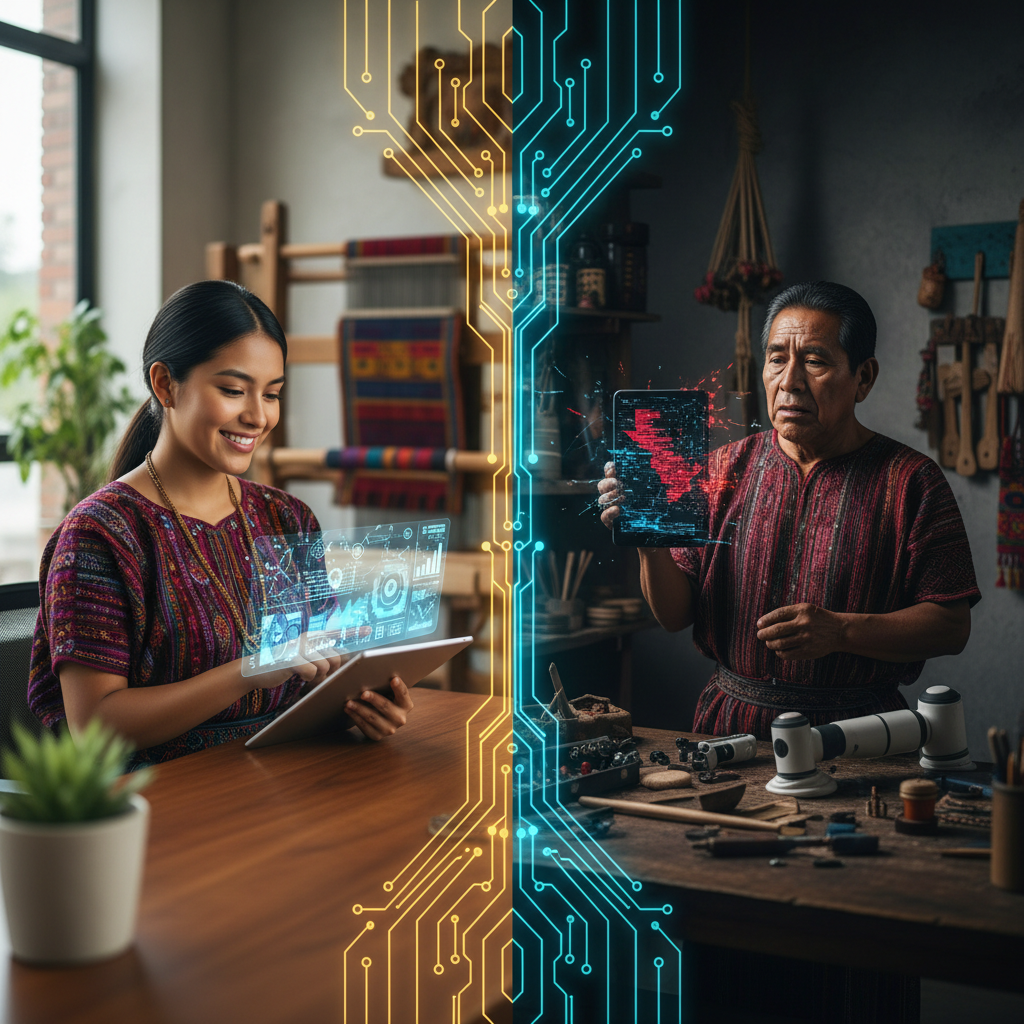
AI's Dual Edge: Opportunity and Peril for Indigenous Entrepreneurs in Guatemala
 Xiomàra Hernándèz
Algorithmic Bias in AI: A New Frontier for Civil Rights in North America
Dontè Jacksoneè
AI's Impact on Women's Health: A New Frontier for Innovation and Equity in America
 Amèlia Whitè
Caribbean-American Women Lead AI Ethics Push in US Tech Sector
 Tatiànna Morrisòn