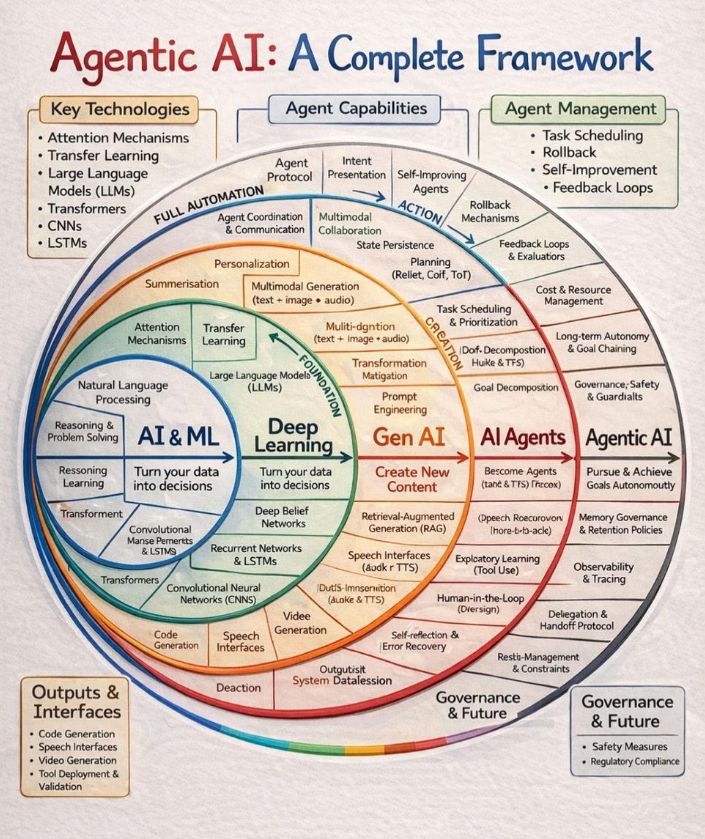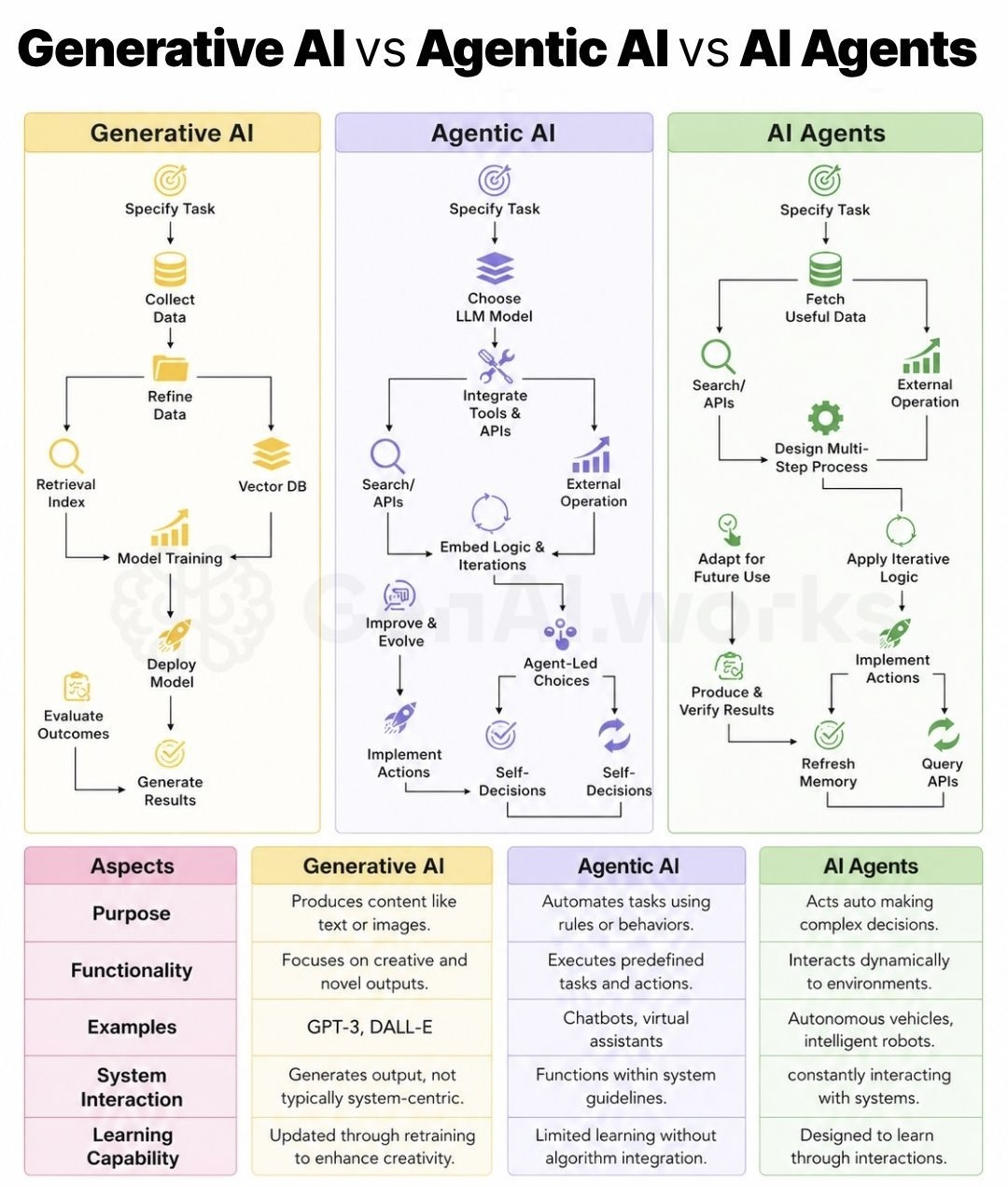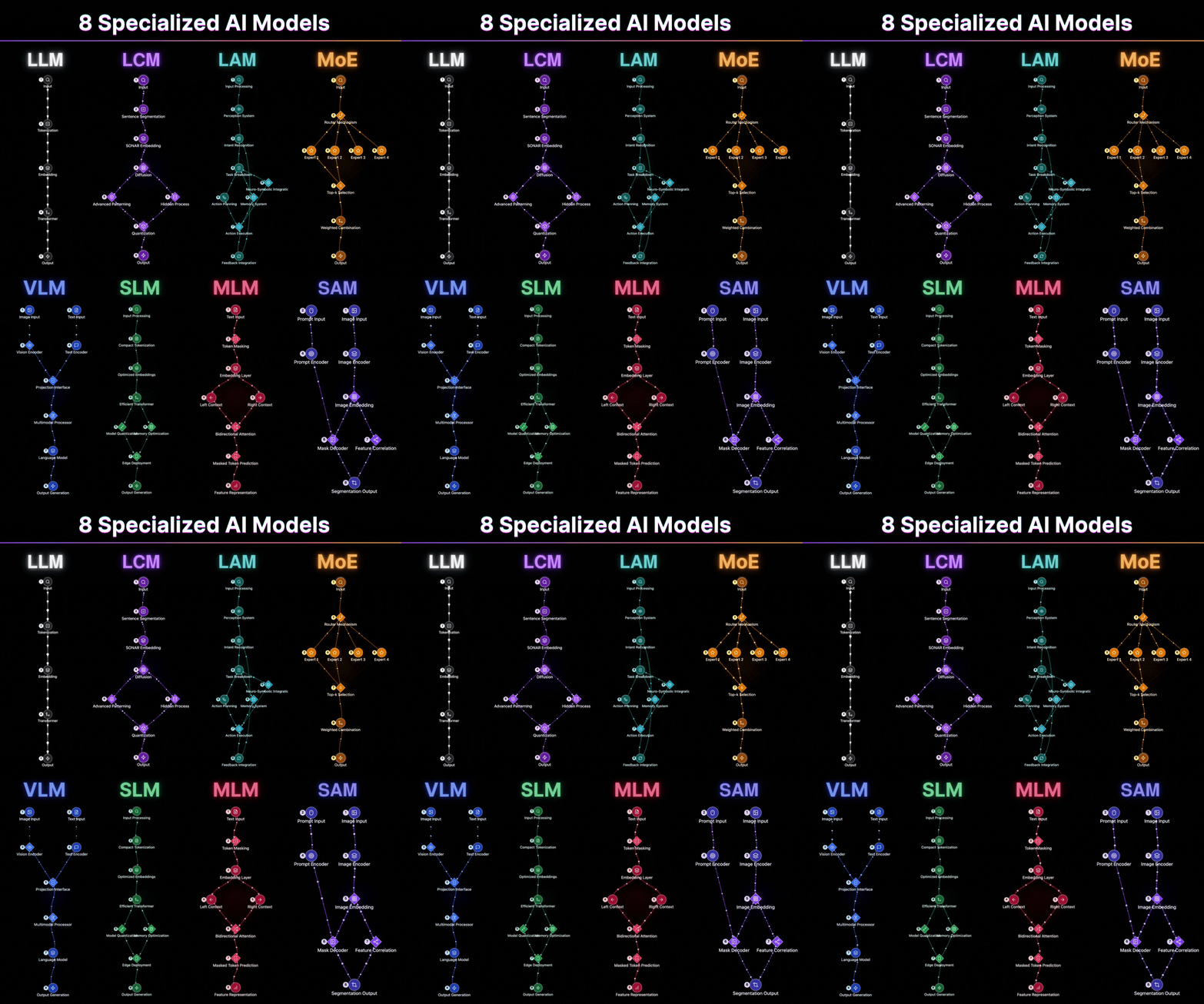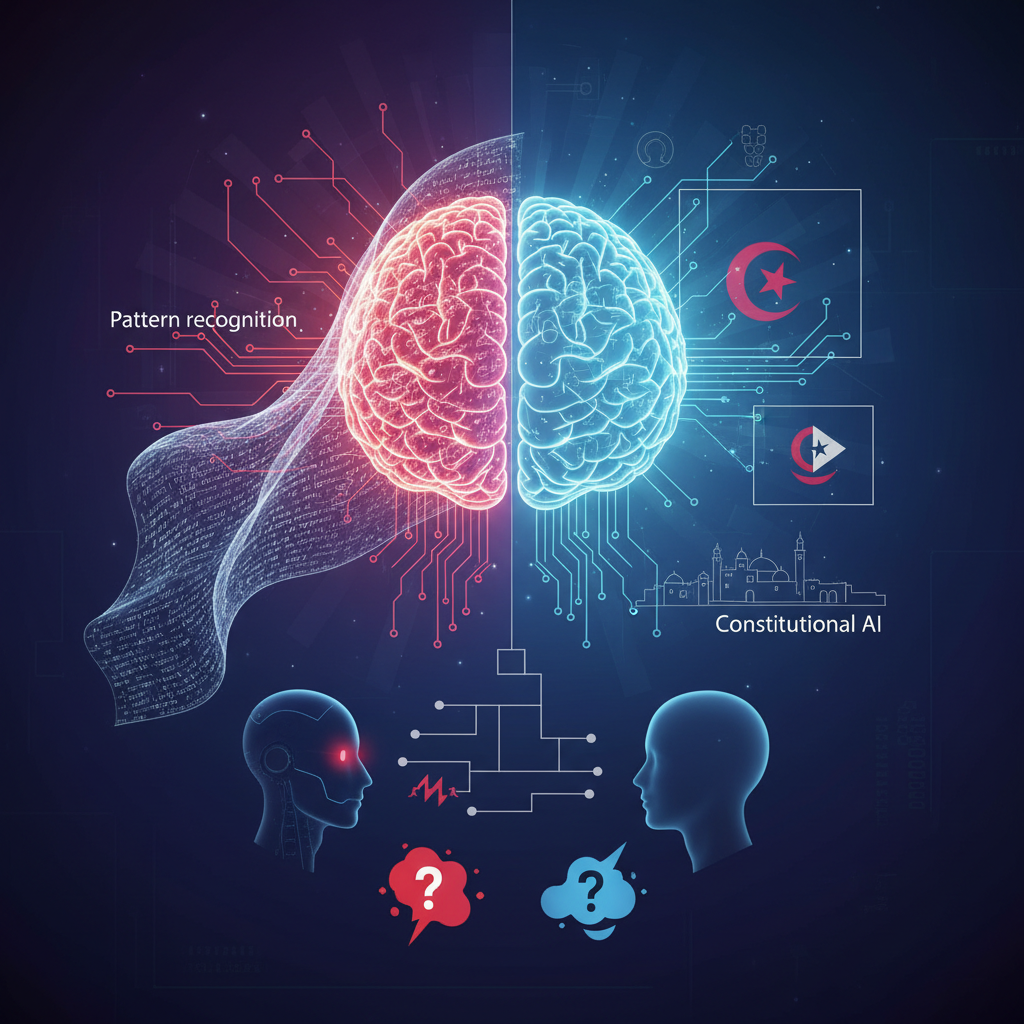

For generations, the marketplace of ideas has been a vibrant, often cacophonous, arena. In the digital age, this arena is increasingly dominated by artificial intelligence, a force that has, until recently, excelled primarily at discerning patterns. From predicting consumer behavior to generating remarkably coherent text, the prowess of deep learning models has been undeniable. Yet, a nagging question has persisted: are these systems truly 'thinking,' or are they merely sophisticated mimics, like a master calligrapher who can perfectly reproduce a text without understanding its meaning? The recent surge in architectures designed to move beyond mere pattern matching, aiming for genuine reasoning, demands our scrutiny. Is this a fundamental paradigm shift, or simply a more refined illusion?
To understand this inflection point, we must first cast our gaze backward. The early triumphs of AI, from expert systems to symbolic AI, attempted to hardcode human knowledge and rules. This approach, while offering a semblance of reasoning, proved brittle and unscalable. Then came the neural networks, a statistical revolution that, much like the intricate geometric patterns adorning our ancient mosques, derived its power from complex, layered structures. These models, particularly large language models, became adept at identifying statistical correlations in vast datasets. They could, for instance, infer that 'Paris' is often followed by 'France' or that 'doctor' relates to 'hospital.' This is pattern recognition at its finest, a statistical dance of probabilities. However, when faced with novel situations requiring deductive logic or counterfactual reasoning, these systems often faltered, revealing the limits of their 'understanding.'
Consider the traditional Algerian storyteller, the hakawati. He weaves tales with intricate plots and moral lessons. He doesn't just recite words; he understands the narrative arc, the characters' motivations, and the underlying themes. Early AI, in its pattern-matching phase, was more akin to a parrot that could perfectly imitate the storyteller's words, perhaps even generating new sentences in the same style, but without grasping the deeper meaning or the ethical implications. This is where the new wave of architectures seeks to differentiate itself.
From a technical standpoint, the current trend involves integrating symbolic reasoning capabilities or explicit ethical frameworks into neural architectures. One prominent example is Anthropic's Constitutional AI. Instead of relying solely on human feedback for alignment, which can be inconsistent and biased, Constitutional AI uses a set of principles or 'constitution' to guide its self-correction. The model critiques its own responses against these principles and revises them, essentially engaging in a form of ethical self-reflection. This is not unlike the rigorous process of ijtihad in Islamic jurisprudence, where scholars derive legal rulings based on foundational texts and principles, rather than mere precedent. The mathematics behind this is elegant, allowing for a more robust and scalable approach to aligning AI with human values.
Let me walk you through the architecture. Imagine a primary AI model generating a response. This response is then fed to a second AI, an 'evaluator,' which assesses it against a predetermined set of constitutional principles. These principles might include directives like 'be harmless,' 'be helpful,' or 'do not promote illegal activities.' The evaluator then provides feedback to the primary model, which uses this feedback to refine its output. This iterative self-correction process aims to instill a deeper, more principled form of reasoning, moving beyond simply predicting the next most probable token. Dario Amodei, CEO of Anthropic, has articulated this vision, stating in a recent interview,