
AI's New Playbook: Revolutionizing HBCU Athletics with Predictive Analytics
AI is transforming sports, and Historically Black Colleges and Universities (HBCUs) are leveraging predictive analytics to scout talent and optimize performance, creating new pathways for Black athletes.
Click play to listen to this article read aloud using text-to-speech.
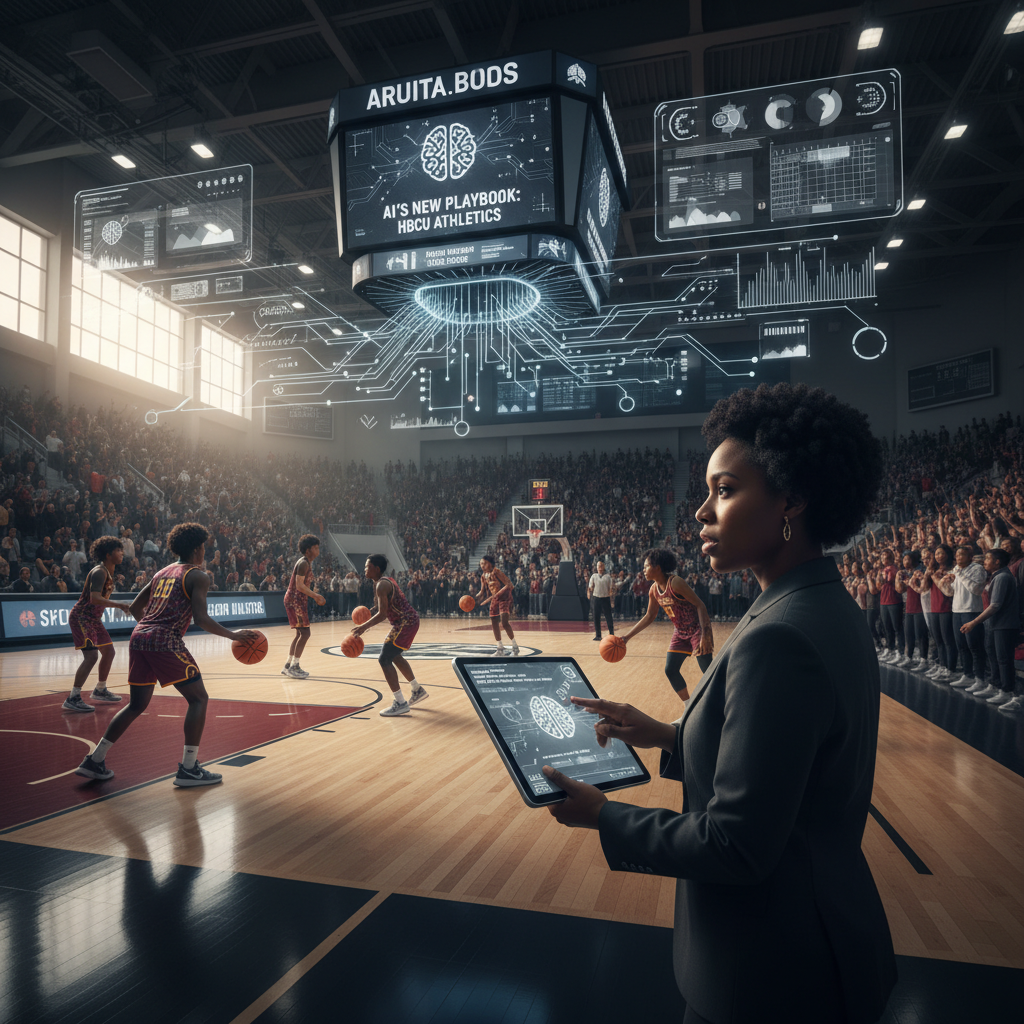
AI's New Playbook: Revolutionizing HBCU Athletics with Predictive Analytics
ATLANTA, GA – April 15, 2026 – The roar of the crowd, the strategic plays, the raw talent – these are the hallmarks of collegiate sports. But beneath the surface, a silent revolution is underway, powered by artificial intelligence. For Historically Black Colleges and Universities (HBCUs), often operating with more constrained budgets than their Power Five counterparts, AI isn't just a technological upgrade; it's becoming a game-changer, particularly in scouting and player development.
Traditionally, HBCU athletic departments have relied heavily on grassroots networks and in-person evaluations to identify promising athletes. While invaluable, these methods can be resource-intensive and geographically limited. Enter AI. "We're seeing a paradigm shift," says Dr. Nia Thompson, a leading sports data scientist and alumna of Spelman College, now consulting for several HBCU athletic programs. "AI-driven predictive analytics can sift through vast amounts of data – high school game footage, combine results, even social media activity – to identify athletes with high potential who might otherwise be overlooked by traditional scouting models."
This isn't about replacing human intuition, but augmenting it. Tools like 'Gridiron Insights AI' and 'HoopVision Pro' are being piloted at institutions like Howard University and North Carolina A&T. These platforms analyze player metrics, injury risk, and even psychological profiles, offering coaches a more holistic view of potential recruits. For Black athletes, whose journeys to professional sports often face systemic hurdles, this technological equalizer is significant.
"For years, many of our athletes, despite immense talent, struggled to gain the same exposure as those in predominantly white institutions," explains Coach Marcus 'MJ' Jones, head basketball coach at Morehouse College. "Now, an AI model doesn't care about the size of your high school or its geographical location; it cares about your numbers, your efficiency, your potential. It's democratizing the scouting process in a way we've only dreamed of."
The impact extends beyond recruitment. AI is also being used to optimize player performance and prevent injuries. Wearable tech integrated with AI algorithms can monitor an athlete's workload, sleep patterns, and biomechanics, providing personalized training regimens. This proactive approach is crucial for maintaining player health and extending careers, a particularly salient point for athletes from communities where access to advanced sports medicine might be limited.
However, challenges remain. The cost of implementing and maintaining these sophisticated AI systems can still be a barrier for some institutions. "We need continued investment and partnerships to ensure this technology is accessible across the board," Dr. Thompson asserts. "The digital divide is real, and we must ensure AI doesn't exacerbate existing inequalities but instead becomes a tool for empowerment."
The future of HBCU athletics, fueled by AI, promises a more level playing field. It's a testament to innovation, proving that with the right tools and vision, Black excellence in sports will continue to not only thrive but lead the way into a new era of athletic achievement. The digital playbook is open, and HBCUs are ready to execute.
Related Articles

AI's Ethical North: Canadian Researchers Chart Course for Responsible Innovation
 Ingridè Bjornssòn
Québec's AI Strategy 2.0: Fostering Inclusive Innovation and Bridging the Digital Divide
 Chloé Tremblàŷ
AI's Green Promise: Can Tech Bridge Environmental Gaps in Black Communities?
Dontè Jacksoneè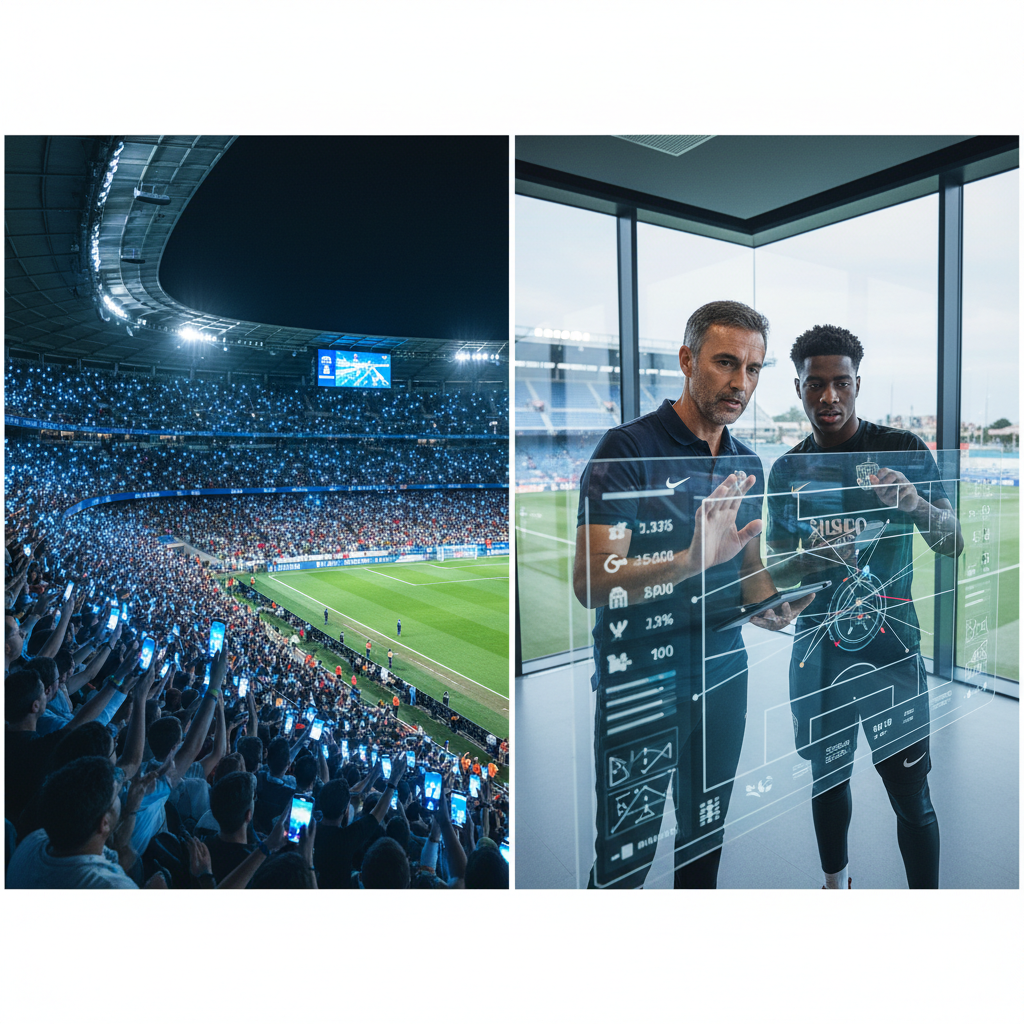
La Liga Embraces AI: A New Era for Fan Engagement and Performance Analytics
 Marisolò Garcíà