
AI's Brushstrokes: Digital Artistry Redefines Chinese Cultural Heritage
AI is transforming how China's rich cultural heritage is preserved and presented, with a focus on empowering women artists and scholars in digital innovation. This fusion of ancient aesthetics and modern technology is creating new avenues for global appreciation.
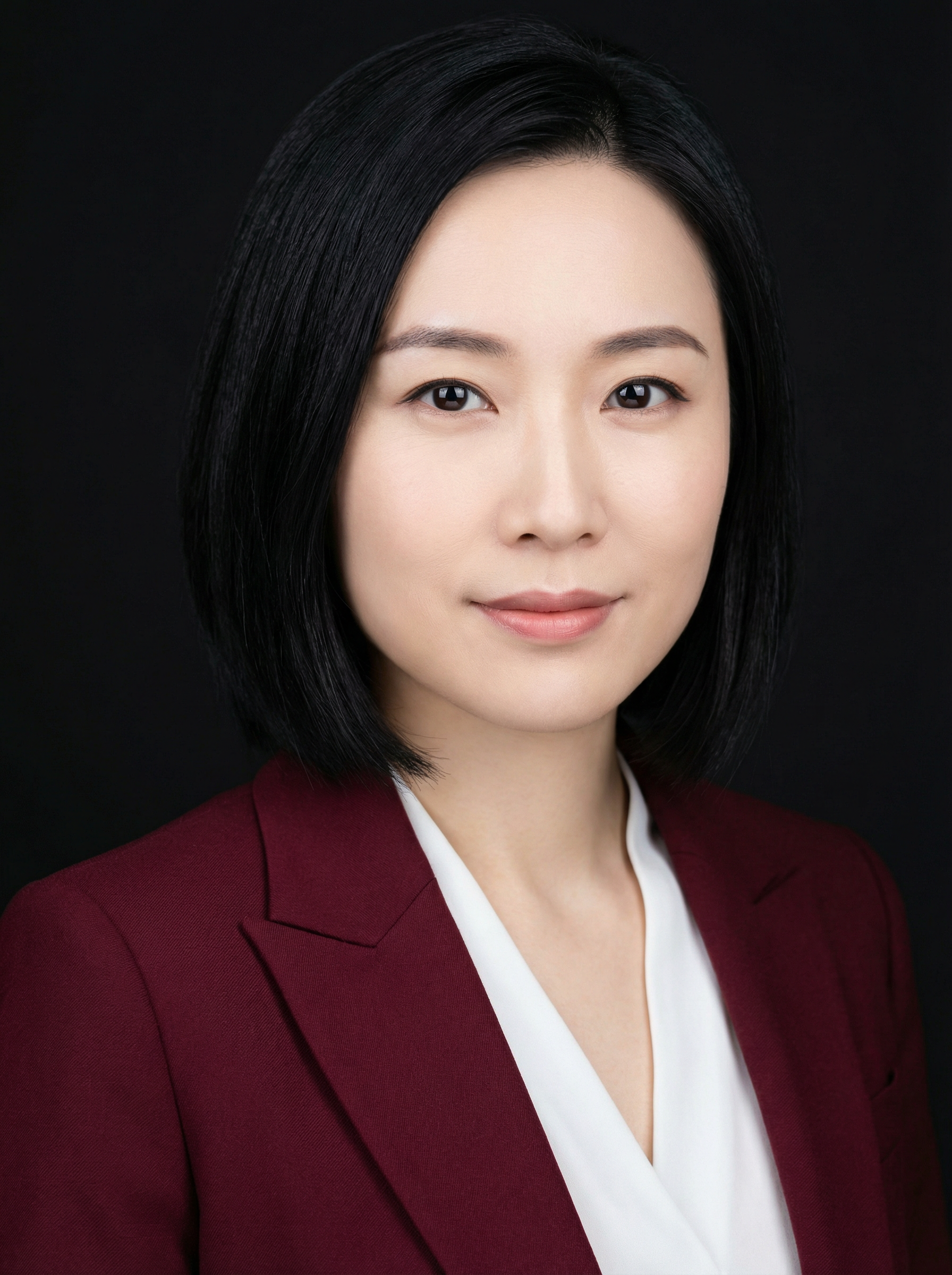
BEIJING, April 2026 – In the bustling digital heart of China, artificial intelligence is not merely a tool for economic growth; it's becoming a sophisticated brushstroke in the preservation and reinterpretation of our nation's profound cultural heritage. From the intricate patterns of Dunhuang frescoes to the delicate artistry of guóhuà (traditional Chinese painting), AI is offering unprecedented avenues for cultural rejuvenation, particularly empowering the voices and visions of Chinese women in the arts.
At the forefront of this cultural renaissance is the Zhongguo Nüxing Yishu yu Keji Luntan (Chinese Women in Art and Technology Forum), an initiative that recently convened in Hangzhou. Dr. Li Wei, a leading researcher at the Chinese Academy of Social Sciences and a prominent voice at the forum, articulated this shift. "For centuries, the contributions of women to Chinese art, while significant, were often relegated to the periphery of official narratives. AI, in its current iteration, is a democratizing force, allowing us to digitally restore, analyze, and even generate new works inspired by forgotten masters, many of whom were women." She emphasized the role of algorithms in identifying subtle stylistic nuances often overlooked by human eyes, thereby attributing works more accurately.
One compelling application is seen in the digital restoration of ancient textiles from the Han Dynasty, often crafted by skilled women artisans. Using advanced generative adversarial networks (GANs), researchers at Tsinghua University's Institute of Cultural Heritage have reconstructed patterns from fragmented silk pieces, bringing to life the intricate jin (brocade) designs that speak volumes about ancient Chinese aesthetics and craftsmanship. Ms. Chen Jia, a project lead and a rising star in digital humanities, shared, "Our AI models don't just fill in gaps; they learn the underlying design principles, the qi (spirit) of the original artists. This allows us to present a more complete picture, honoring the hands that wove these stories."
Beyond preservation, AI is fostering new creative expressions. The Nüshu script, a unique phonetic syllabary historically used exclusively by women in Jiangyong County, Hunan province, is experiencing a digital revival. AI-powered calligraphy tools now allow enthusiasts worldwide to learn and create Nüshu characters, ensuring this precious cultural legacy transcends geographical and linguistic barriers. This digital accessibility is particularly poignant, as Nüshu was a secret language of solidarity and expression among women for centuries.
As China continues its journey towards a digitally advanced society, the integration of AI into cultural heritage work is not just about technological prowess. It's about a deeper understanding of our roots, a more inclusive narrative of our past, and a dynamic vision for our future, where the wisdom of ancient traditions is amplified by the innovations of today, often guided by the discerning perspectives of Chinese women scholars and artists.
Related Articles

UAE Pioneers AI-Powered Green Hydrogen for a Sustainable Future, Empowering Women in STEM
 Layla Al-Mansourì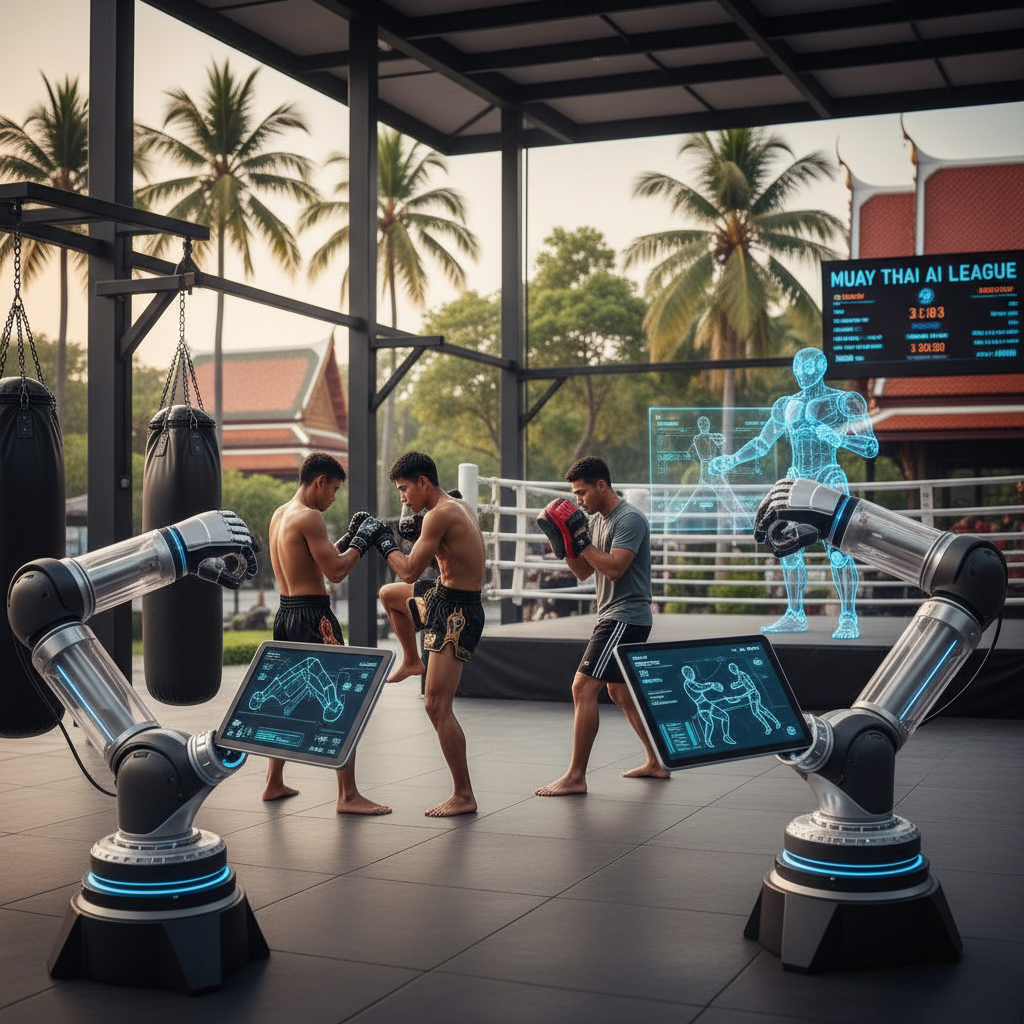
AI Coaches Revolutionize Muay Thai Training Across Thailand
 Chaiyapòn Srisomboòn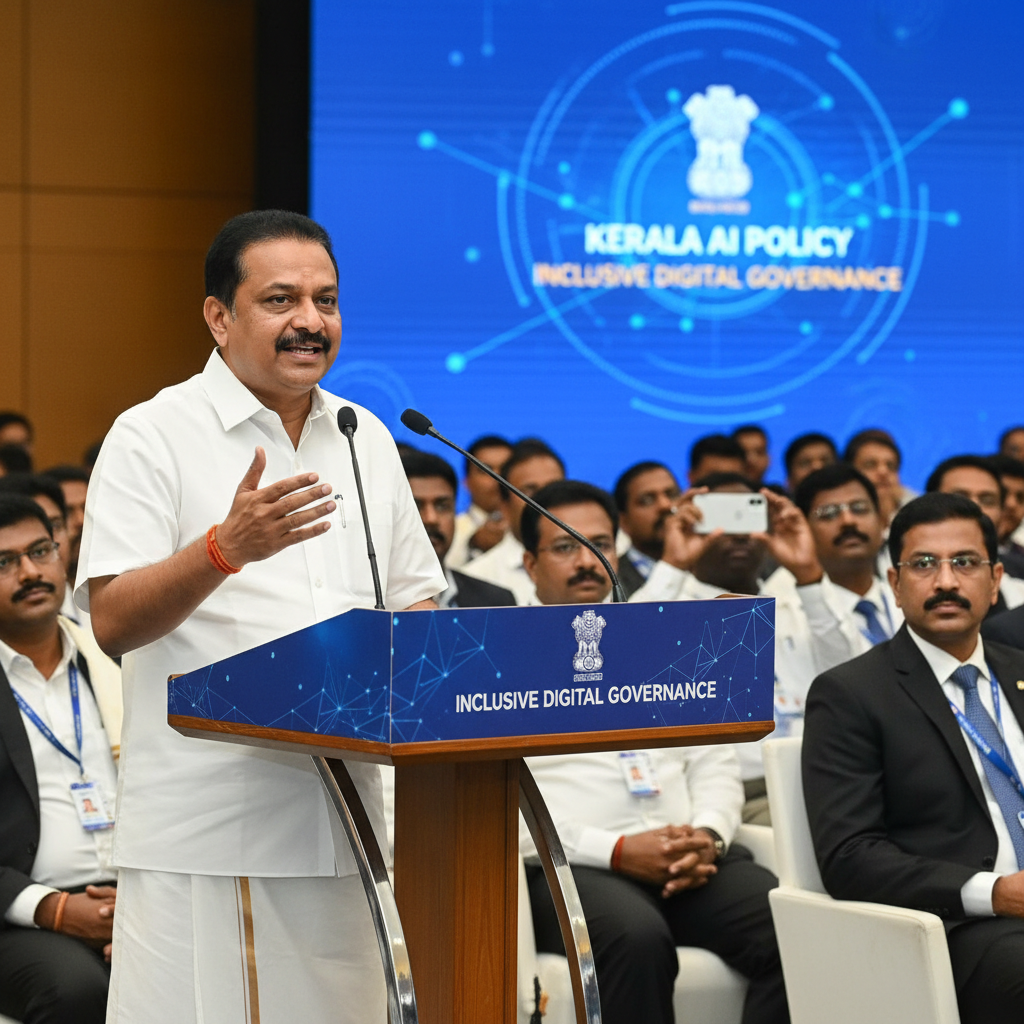
Kerala's AI Policy: A Blueprint for Inclusive Digital Governance, Says Minister
 Priyà Nairé
AI's 'She-Power' in China's Rural Health: Bridging Gaps for Women
Mei-Líng Zhāng