
AI-Powered Green Initiatives: Romanian Women Lead the Charge in Sustainable Agriculture
Romanian women farmers are at the forefront of integrating AI to revolutionize sustainable agriculture, enhancing crop resilience and resource efficiency amidst climate change challenges. This digital transformation is reshaping rural economies and empowering a new generation of female leaders.
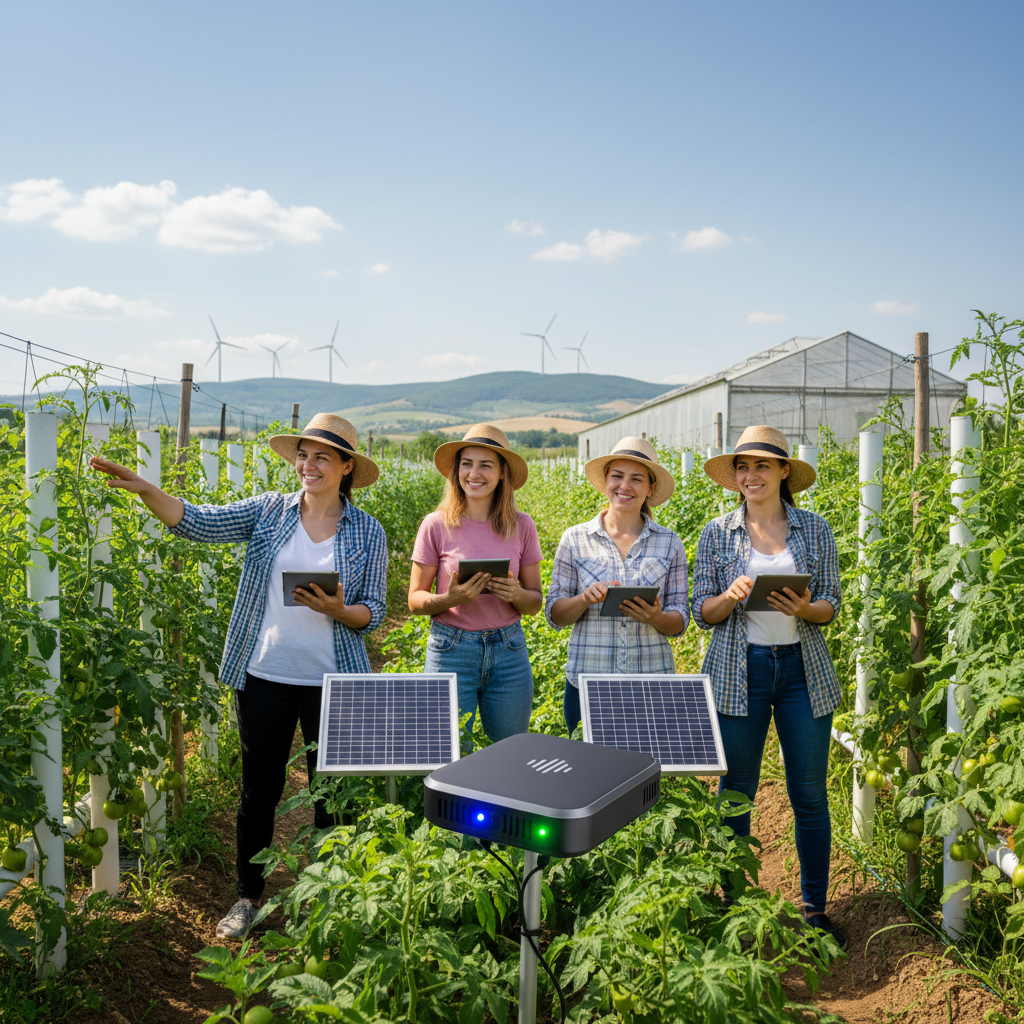

BUCHAREST, April 22, 2026 – As Europe grapples with the dual challenges of climate change and food security, a quiet revolution is unfolding in Romania's agricultural heartland, largely spearheaded by women. Artificial intelligence, once a distant concept for many rural communities, is now being embraced by Romanian women farmers to cultivate more sustainable and resilient practices, demonstrating a profound impact on environmental stewardship and economic empowerment.
From the fertile plains of Bărăgan to the rolling hills of Transylvania, AI-driven solutions are optimizing everything from irrigation schedules to pest detection. "We've seen a remarkable shift," explains Dr. Elena Popescu, a leading agronomist and project coordinator at the Romanian Academy's Institute of Agricultural Economics. "Women, who have always been the backbone of our rural economy, are now becoming the innovators. They are quick to adopt technologies like AI-powered sensors and predictive analytics, which offer tangible benefits in reducing water usage and chemical inputs. It's not just about efficiency; it's about preserving our pământ for future generations."
One such pioneer is Ana Maria Vasilescu, a 42-year-old farmer from Ialomița County, who manages a substantial organic vegetable farm. "Before, it was guesswork, relying on traditional knowledge and intuition, which is valuable, but not always precise enough for today's climate," Vasilescu shares, gesturing towards a field dotted with small, solar-powered devices. "Now, with the AI system analyzing soil moisture and weather patterns, we know exactly when and how much to water. This means less waste, healthier crops, and significantly reduced operational costs. It's empowering to make such informed decisions, especially as a woman managing a large enterprise."
The European Union's 'Farm to Fork' strategy, which aims to make food systems fair, healthy, and environmentally friendly, finds a strong ally in these grassroots AI adoptions. Initiatives like the 'Digital Farmer Woman' program, supported by the Ministry of Agriculture and Rural Development and various NGOs, provide training and access to these advanced tools. "Our goal is to bridge the digital divide and ensure that women in agriculture are not left behind," states Maria Dumitrescu, a policy advisor for gender equality in rural development at the ministry. "By equipping them with AI literacy, we are fostering economic independence and strengthening their role as environmental guardians. This is crucial for Romania's sustainable development and aligns perfectly with European green objectives."
Critics sometimes raise concerns about the initial investment and the complexity of AI tools. However, proponents argue that the long-term benefits, including increased yields, reduced environmental impact, and improved market access, far outweigh the challenges. The success stories emerging from Romania underscore a broader European trend: the integration of cutting-edge technology with traditional values of land stewardship, particularly through the lens of women's leadership. As Cataliná Ionescù, I see this not just as technological progress, but as a reaffirmation of the enduring strength and adaptability of the Romanian woman, leading the way towards a greener, more prosperous future for our nation and beyond.
Related Articles
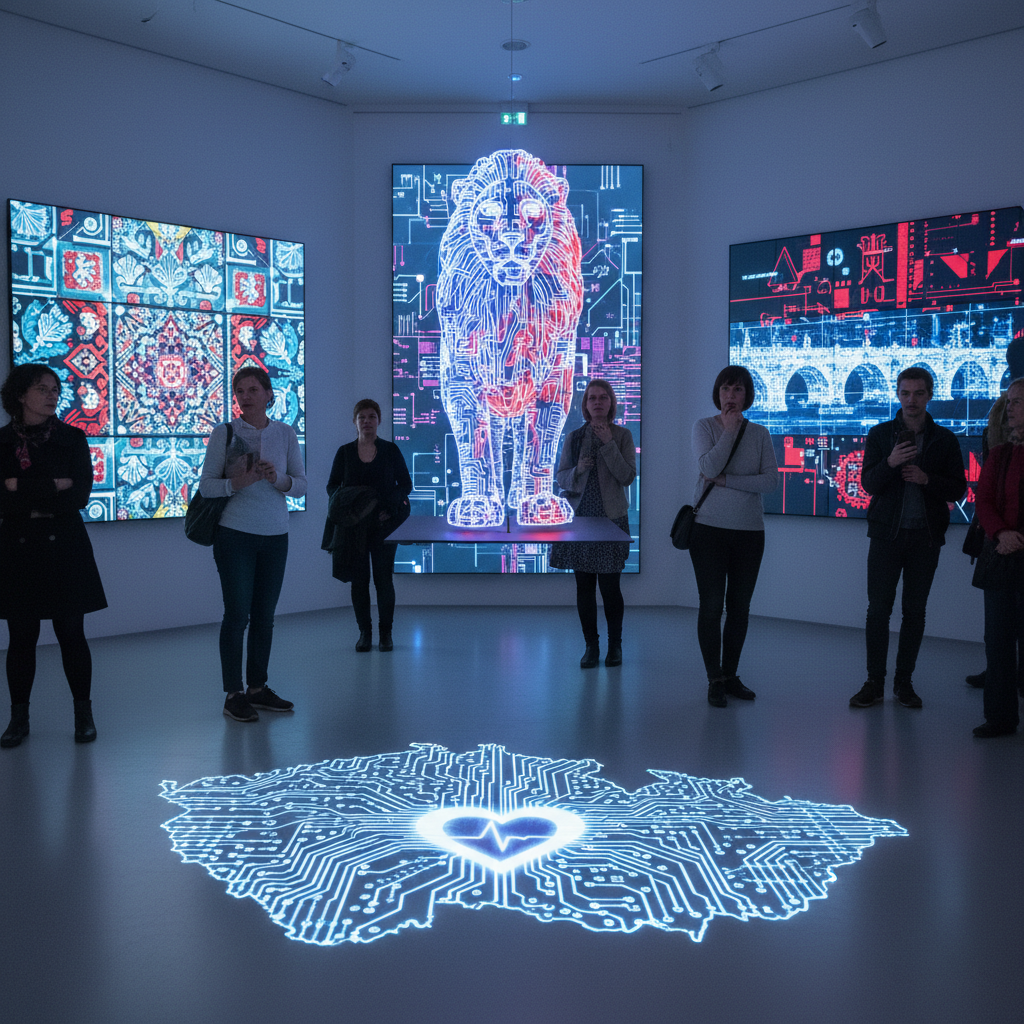
AI's Czech Soul: National Identity Navigated by Algorithms in Digital Art
 Vladimìr Novàk
AI Wkracza na Polskie Boiska: Czy Algorytmy Zmienią Ekstraklasę?
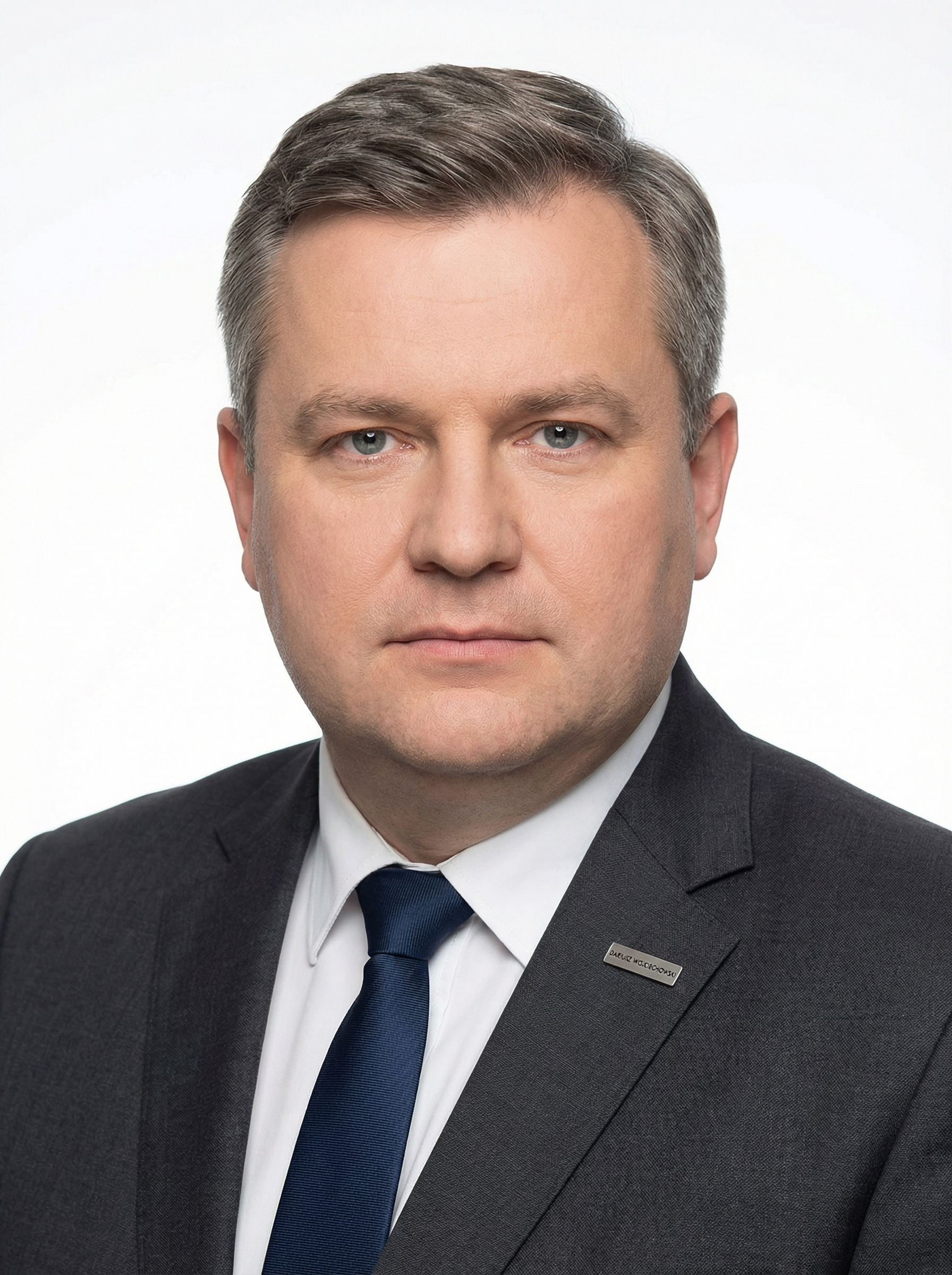 Dariusz Wojciechowskì
Russia's AI Push: National Algorithms for National Security and Economic Might
 Alekseï Volkovì
AI Diagnostics: A New Frontier in Russian Men's Health, Says Ministry of Health
Alekseï Volkovì