
AI Offers Glimmer of Hope for Afghanistan's Climate-Stressed Agriculture, Women Farmers Poised to Benefit
As Afghanistan grapples with escalating climate change impacts, nascent AI initiatives are emerging to bolster agricultural resilience. This technology, if implemented inclusively, could empower women farmers, key to the nation's food security.
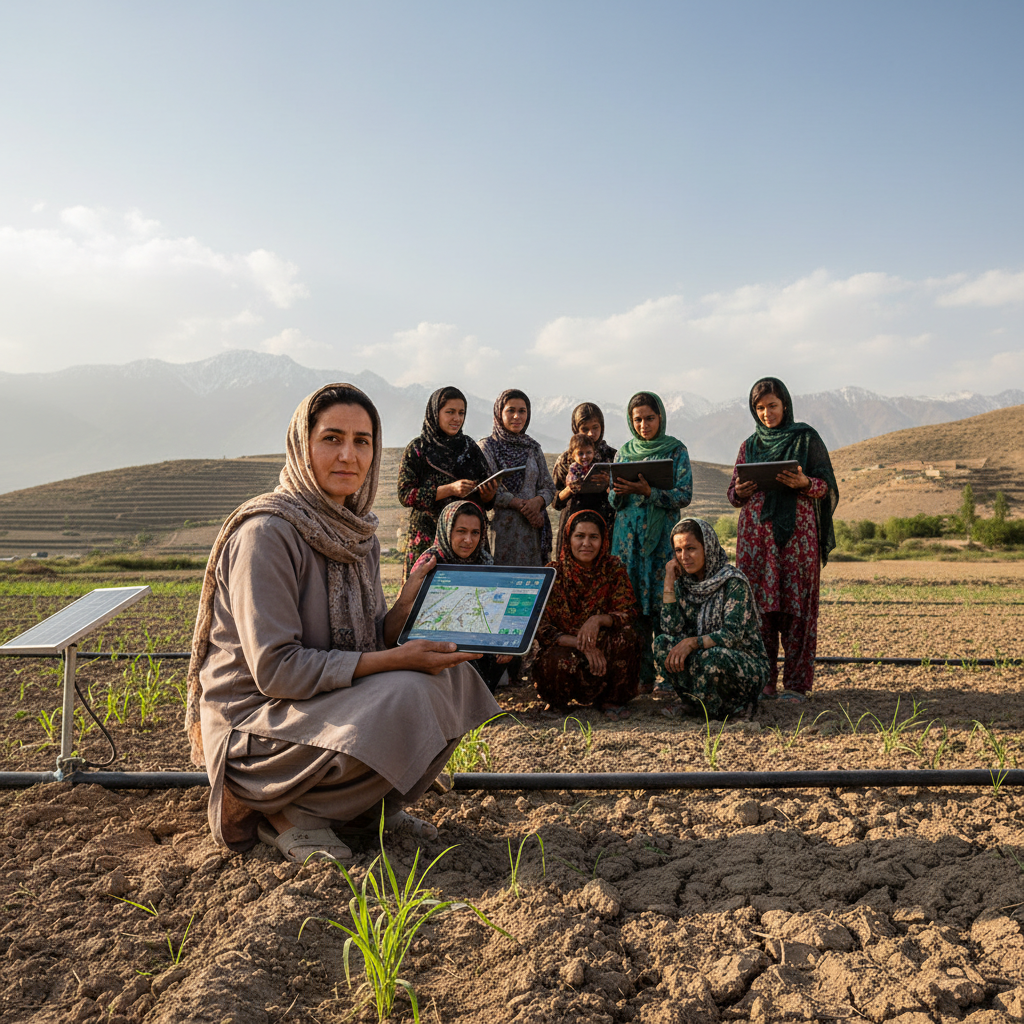
KABUL, Afghanistan – The arid winds sweeping across Afghanistan carry not just dust, but also the palpable anxieties of a nation on the front lines of climate change. With successive droughts and unpredictable weather patterns devastating agricultural yields, the specter of food insecurity looms large. Yet, amidst these challenges, a quiet revolution driven by Artificial Intelligence (AI) is beginning to offer a glimmer of hope, particularly for the resilient zanān-e dehqān – women farmers – who form the backbone of rural economies.
Recent discussions at a virtual conference hosted by the Afghanistan National Environmental Protection Agency (NEPA) highlighted AI's potential in climate adaptation. Dr. Laila Azizi, a senior hydrologist with NEPA, emphasized, "AI-driven predictive models can forecast drought severity with unprecedented accuracy, allowing our farmers to make informed decisions on water management and crop selection. This is not a luxury; it is a necessity for survival in our climate-vulnerable nation." She noted that early warning systems powered by satellite imagery and machine learning could be a game-changer for regions like Badghis and Ghor, where traditional farming methods are increasingly unsustainable.
For Afghan women, who often bear the brunt of environmental degradation and food shortages, these technological advancements hold profound implications. "When the crops fail, it is often the women who must walk further for water, who struggle to feed their children," states Mariam Ghani, director of the Afghan Women's Agricultural Collective (AWAC) in Herat. "AI tools, if made accessible and culturally appropriate, can reduce this burden. Imagine an app that tells a woman farmer in a remote village when to plant, how much to irrigate, or which drought-resistant seeds to choose. This is not just about technology; it's about dignity and economic empowerment."
AWAC has been piloting a small-scale project using AI-powered soil sensors in a few women-led farms near Herat. The data collected helps optimize irrigation, reducing water waste – a critical concern in a country facing severe water scarcity. While the initiative is in its infancy, early results show promising improvements in yield and resource efficiency. "The women are eager to learn," Ghani adds, "they are innovators by necessity, and they quickly grasp how these tools can protect their livelihoods and their families' futures."
However, challenges remain. The digital divide, particularly in rural areas where internet access is scarce and literacy rates among women are lower, poses a significant hurdle. Furthermore, ensuring that AI solutions are developed with local context and user-friendliness in mind is paramount. "We must ensure these technologies are not just imported, but adapted," cautions Professor Ahmad Shah Massoudi, a technology ethicist at Kabul University. "The focus must be on empowering the end-user, especially our khāharān (sisters) in the fields, not just on the technology itself. Training and infrastructure are as crucial as the algorithms."
As Afghanistan looks to build resilience against a changing climate, integrating AI into its agricultural strategy offers a vital pathway. The success of these endeavors will undoubtedly hinge on inclusive implementation, ensuring that the benefits of this technological leap reach those who need it most – the Afghan women who nurture the land and feed the nation.
Related Articles
UAE Pioneers AI-Powered Green Hydrogen for a Sustainable Future, Empowering Women in STEM
 Layla Al-Mansourì
AI Coaches Revolutionize Muay Thai Training Across Thailand
 Chaiyapòn Srisomboòn
Kerala's AI Policy: A Blueprint for Inclusive Digital Governance, Says Minister
 Priyà Nairé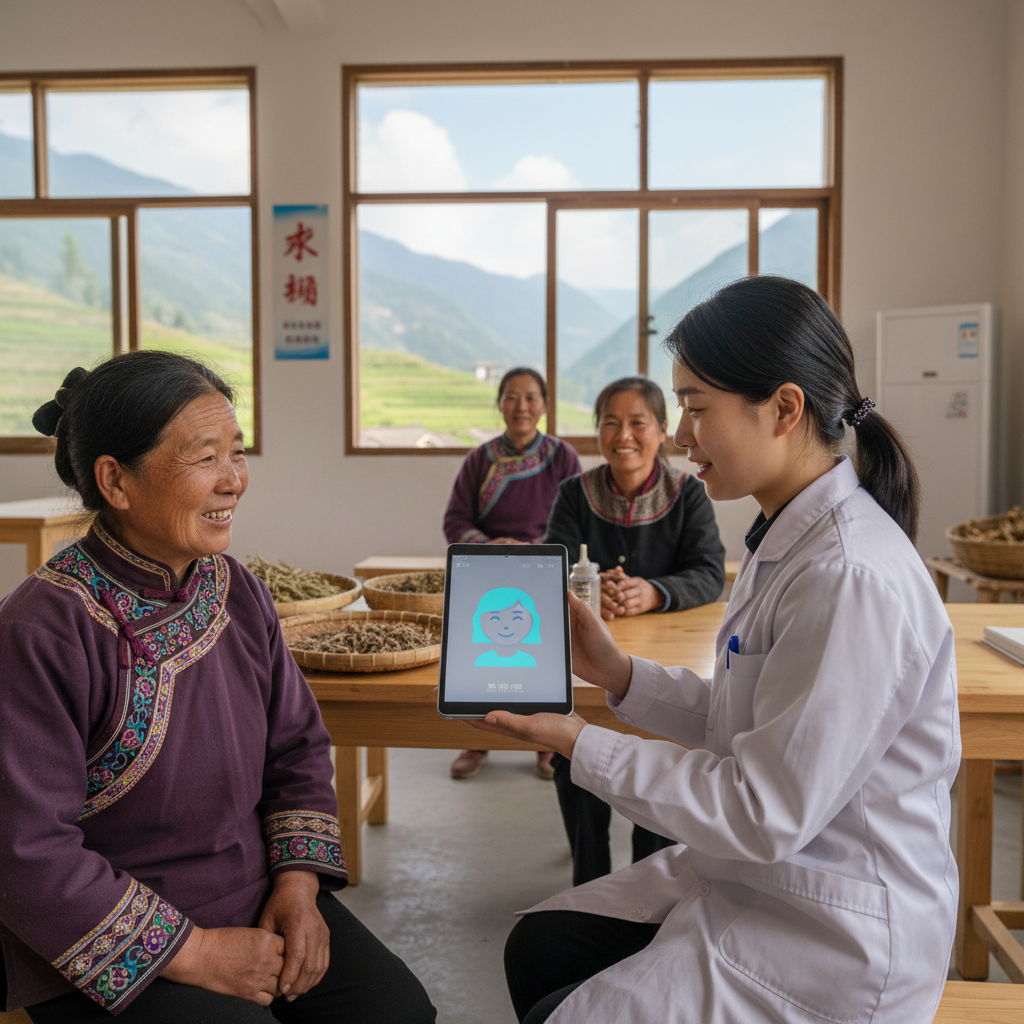
AI's 'She-Power' in China's Rural Health: Bridging Gaps for Women
 Mei-Líng Zhāng