
AI for Climate Resilience: Zambian Women Lead the Charge in Sustainable Agriculture
Zambian women farmers are embracing AI-powered tools to combat climate change, enhancing food security and sustainable agricultural practices across the nation. This digital transformation is empowering communities and fostering resilience.
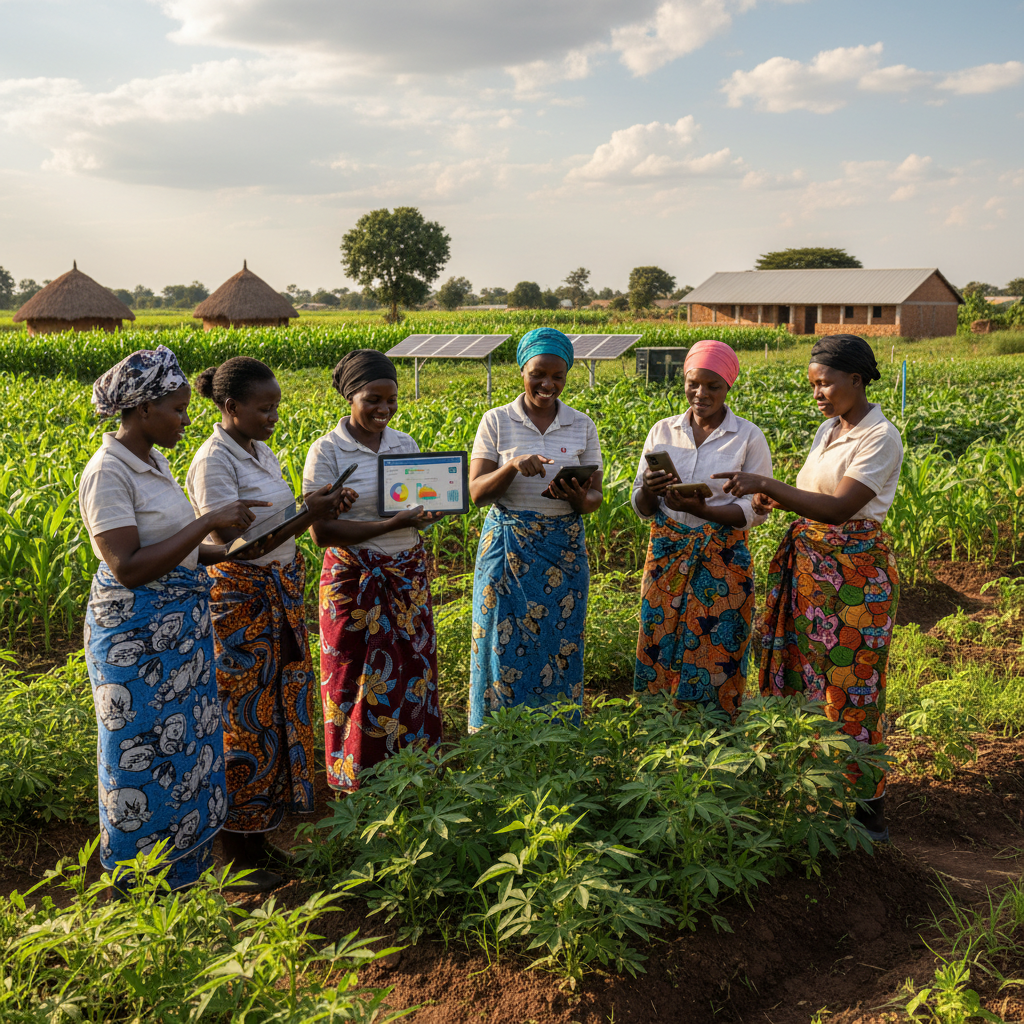

AI for Climate Resilience: Zambian Women Lead the Charge in Sustainable Agriculture
LUSAKA, Zambia – April 22, 2026 – In the heart of Zambia, a silent revolution is taking root, driven by the unwavering spirit of women farmers leveraging Artificial Intelligence to confront the escalating challenges of climate change. From the fertile plains of Southern Province to the rain-fed fields of Luapula, AI-powered agricultural solutions are not just improving yields; they are fundamentally reshaping the livelihoods of Zambian women, placing them at the forefront of the nation's climate resilience efforts.
For generations, Zambian women have been the backbone of the country's agricultural sector, often bearing the brunt of erratic weather patterns and environmental degradation. Now, with initiatives like the 'Smart Farmer, Smart Future' programme, supported by the Ministry of Agriculture and the Zambia Information and Communications Technology Authority (ZICTA), access to digital tools is becoming a reality. These tools range from AI-driven weather forecasting apps that predict rainfall patterns with unprecedented accuracy to soil analysis platforms that recommend optimal fertiliser use, reducing waste and environmental impact.
“As a woman farmer in Chisamba, the unpredictability of the seasons has always been our biggest enemy,” explains Mrs. Nandi Phiri, a maize and groundnut farmer. “But with the 'Agri-Predict' app on my basic smartphone, I now know when to plant, when to expect dry spells, and how to adjust. It’s like having an agricultural expert in my pocket. My yields have improved by nearly 20% in the last two seasons, and I’m using less water.”
The impact extends beyond individual farms. Dr. Chipo Mwale, Director of Climate Change and Green Economy at the University of Zambia, highlights the systemic benefits. “The disaggregated data collected through these AI platforms, often input by women farmers themselves, provides invaluable insights for national policy-making. We can identify drought-prone areas faster, understand crop disease outbreaks in real-time, and tailor interventions more effectively. This data-driven approach is critical for our National Adaptation Plan.” Dr. Mwale further emphasized, “Empowering women with these technologies isn't just about equity; it's about leveraging the most knowledgeable segment of our agricultural workforce to secure our nation’s food future.”
The 'Smart Farmer, Smart Future' initiative, which has seen over 50,000 women farmers trained in digital literacy and AI tool usage since its inception in late 2024, is a testament to the government’s commitment. Ms. Thandiwe Banda, Permanent Secretary for Gender in the Ministry of Community Development and Social Services, noted, “When we invest in women, we invest in the entire community. Providing these digital skills and tools to our mothers and sisters in rural areas not only boosts their economic independence but also strengthens household food security and fosters sustainable environmental stewardship. It's a holistic approach to development that places Zambian women at its core.”
Challenges remain, particularly concerning digital infrastructure in remote areas and ensuring equitable access to smartphones. However, the momentum is undeniable. With continued investment and focused training, Zambia’s women farmers are proving that the fusion of traditional knowledge and cutting-edge AI can cultivate a more resilient, sustainable, and prosperous future for the nation, one smart farm at a time. This is not just technology adoption; it's a profound shift towards a greener, more equitable Zambia, led by the very hands that feed the nation.```
Related Articles

AI in Malian Healthcare: A Double-Edged Sword for Our Communities
 Mouhamadouù Bâ
AI 'Eyes' on the Field: Zimbabwe's Warriors Embrace Tech for Talent Scouting
 Zinhlée Khumàlo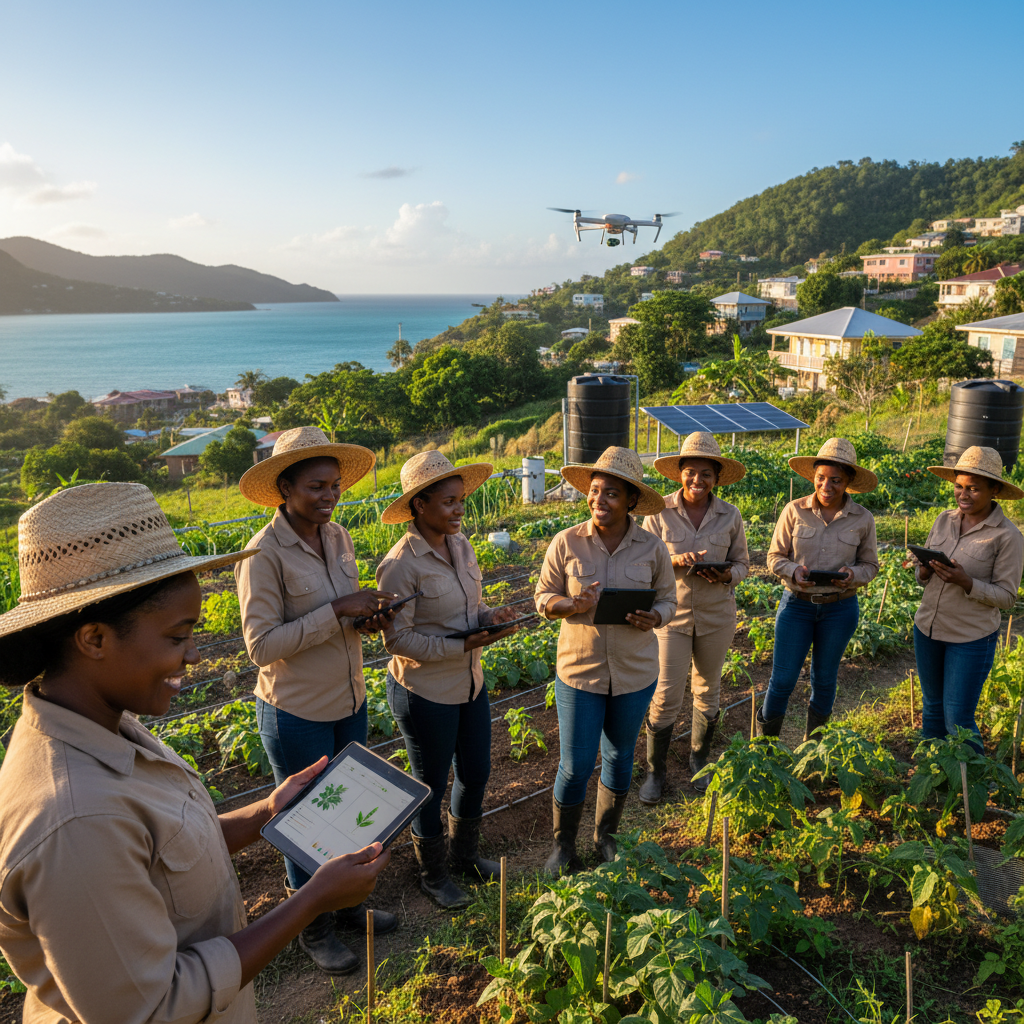
AI's Green Promise: Jamaican Women Lead Climate Resilience with Tech
 Keishà Brownè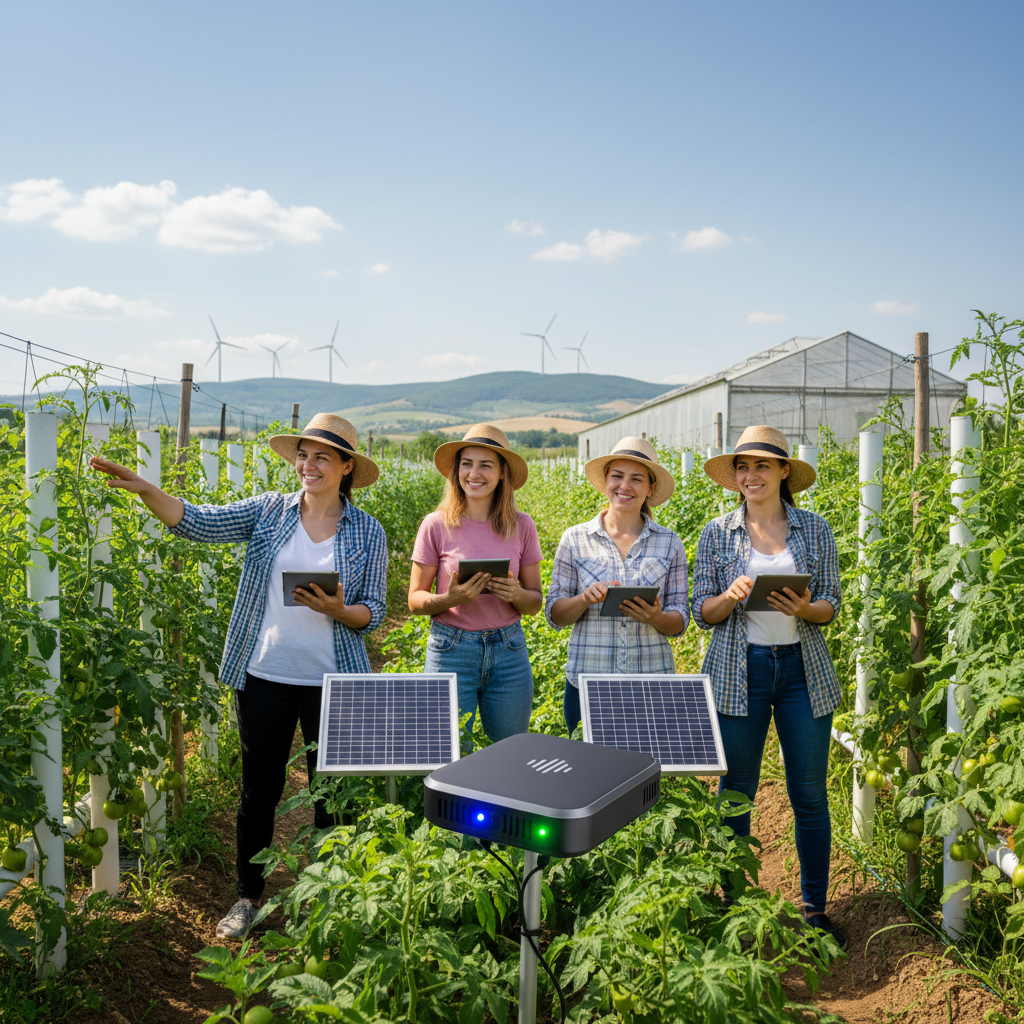
AI-Powered Green Initiatives: Romanian Women Lead the Charge in Sustainable Agriculture
 Cataliná Ionescù