
AI for Climate Resilience: Black Women Lead the Charge in South Africa's Green Transition
Innovative AI solutions are emerging from South Africa, spearheaded by Black women, to combat climate change impacts and foster environmental justice, particularly in vulnerable communities.
Click play to listen to this article read aloud using text-to-speech.
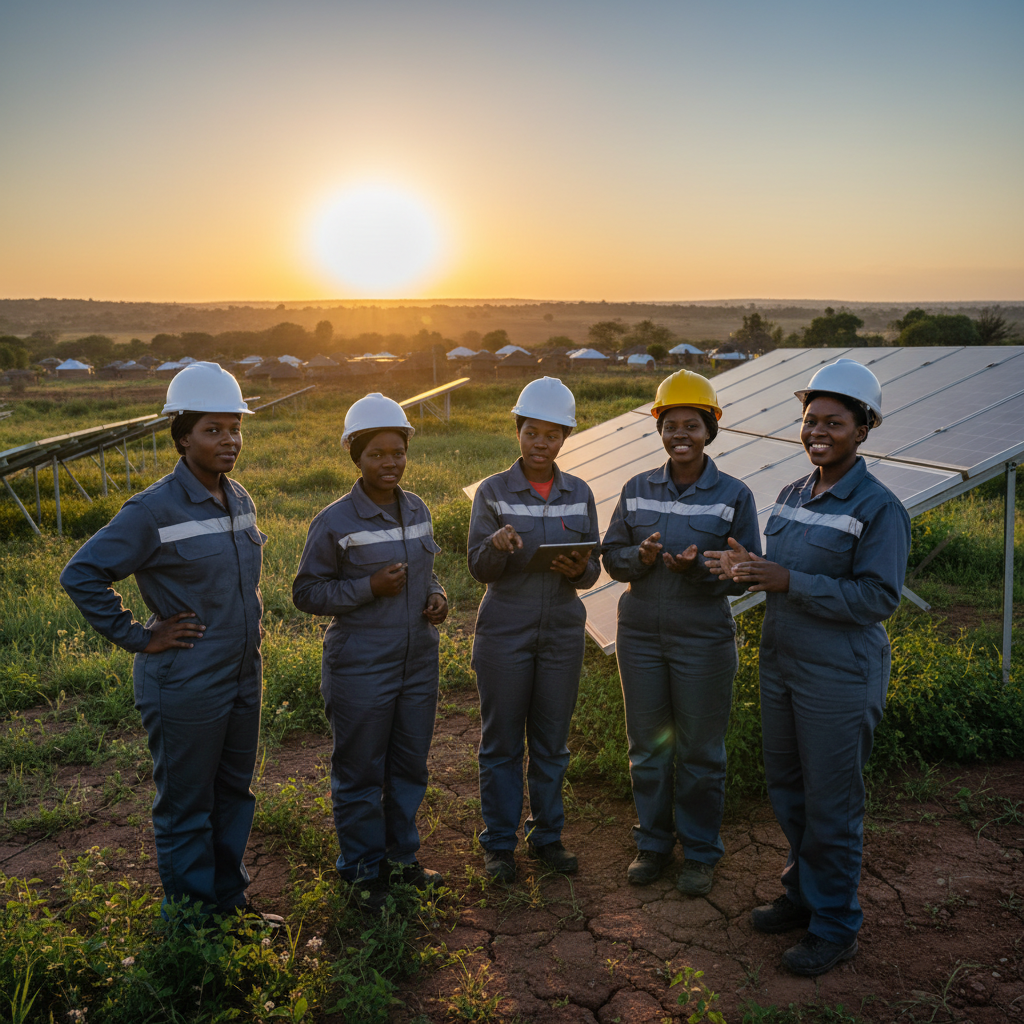

JOHANNESBURG – As the climate crisis intensifies its grip on the African continent, a quiet revolution is unfolding in South Africa, driven by the ingenuity and resilience of Black women. Artificial Intelligence (AI) is no longer a distant concept but a tangible tool being harnessed to build climate resilience, particularly in communities often disproportionately affected by environmental degradation.
From the bustling townships of Gauteng to the drought-stricken rural areas of the Eastern Cape, Black women technologists and environmental advocates are leveraging AI to monitor ecological changes, predict extreme weather events, and optimize resource management. This is not just about technology; it's about reclaiming agency and shaping a sustainable future through an intersectional lens.
Dr. Naledi Mkhize, a leading data scientist and co-founder of 'Ubuntu AI for Earth,' a Johannesburg-based non-profit, emphasizes the critical role of localized, culturally sensitive AI development. "For too long, environmental solutions have been dictated from afar, often failing to address the unique vulnerabilities and indigenous knowledge systems of our people," Dr. Mkhize stated during a recent panel discussion at the University of Cape Town. "Our approach ensures that AI models are trained on local data, reflecting the nuances of our biomes and the specific challenges faced by communities, especially those led by women who are often the primary custodians of natural resources."
One such initiative is the 'AquaSense' project in Limpopo, which uses satellite imagery and machine learning to predict water scarcity and optimize irrigation for small-scale women farmers. "Before AquaSense, we relied on guesswork and prayer, often losing entire harvests," explains Mam’Thandiwe Dlamini, a farmer from Giyani. "Now, the app tells us when and how much to water, saving precious resources and ensuring our families eat. It's like having a wise elder in your pocket."
This localized application of AI is gaining traction, with support from institutions like the Council for Scientific and Industrial Research (CSIR) and the Department of Forestry, Fisheries, and the Environment. Ms. Zola Nkosi, Director of Digital Transformation at the Department, highlighted the government's commitment. "We are actively investing in initiatives that empower local communities, particularly women, to be at the forefront of our green transition. AI offers unprecedented opportunities for data-driven policy-making and community-led adaptation strategies, ensuring that no one is left behind in our fight against climate change."
However, challenges remain. Access to reliable internet, digital literacy, and sustainable funding are crucial hurdles. "The digital divide is still a significant barrier," Dr. Mkhize concedes. "But the determination of our women, combined with strategic partnerships, is proving that these obstacles are not insurmountable. We are building not just technology, but a movement for environmental justice and economic empowerment, one algorithm at a time."
The narrative emerging from South Africa is clear: AI, when developed and deployed with an understanding of local context and social equity, can be a powerful catalyst for climate resilience, championed by the very women who stand to gain the most from a healthier planet.
Related Articles
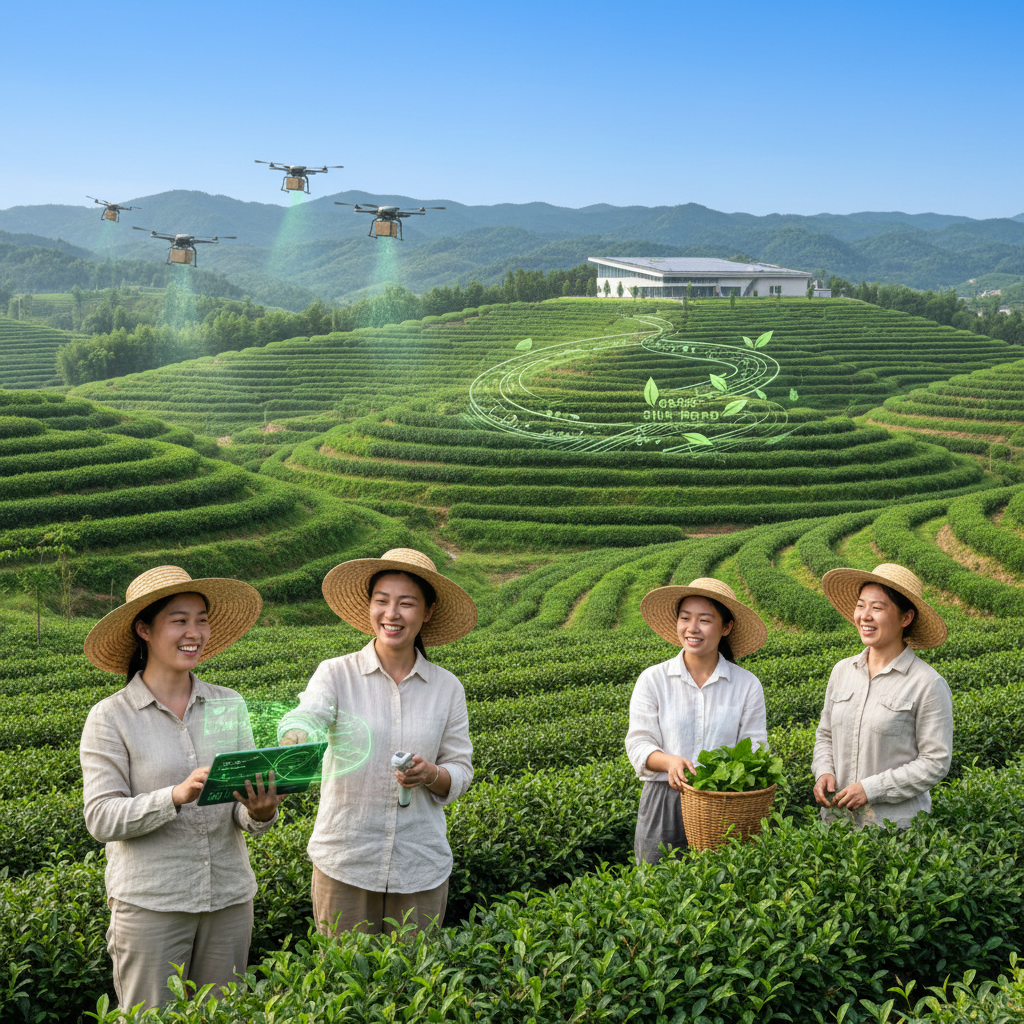
AI-Powered "Green Silk Road" Initiative Empowers Women in Sustainable Agriculture
 Mei-Líng Zhāng
AI-Powered Coaching: Basotho Athletes Eye Global Stage with Digital Edge
 Nalèdi Mokoèna
Naija's AI Leap: Local Startups Eye Economic Transformation Amidst Global Race
 Chukwuemekà Obiechè
AI Combats Deforestation in Venezuelan Amazon: A New Hope for the Patria
 Sebastiàn Vargàs