
AI Coaching the Future: Egyptian Women Athletes Embrace Tech for Olympic Dreams
Egyptian female athletes are leveraging advanced AI coaching platforms to refine their performance, with a focus on data-driven strategies for the upcoming Olympic cycle. This digital transformation is empowering a new generation of sportswomen across the nation.
Click play to listen to this article read aloud using text-to-speech.
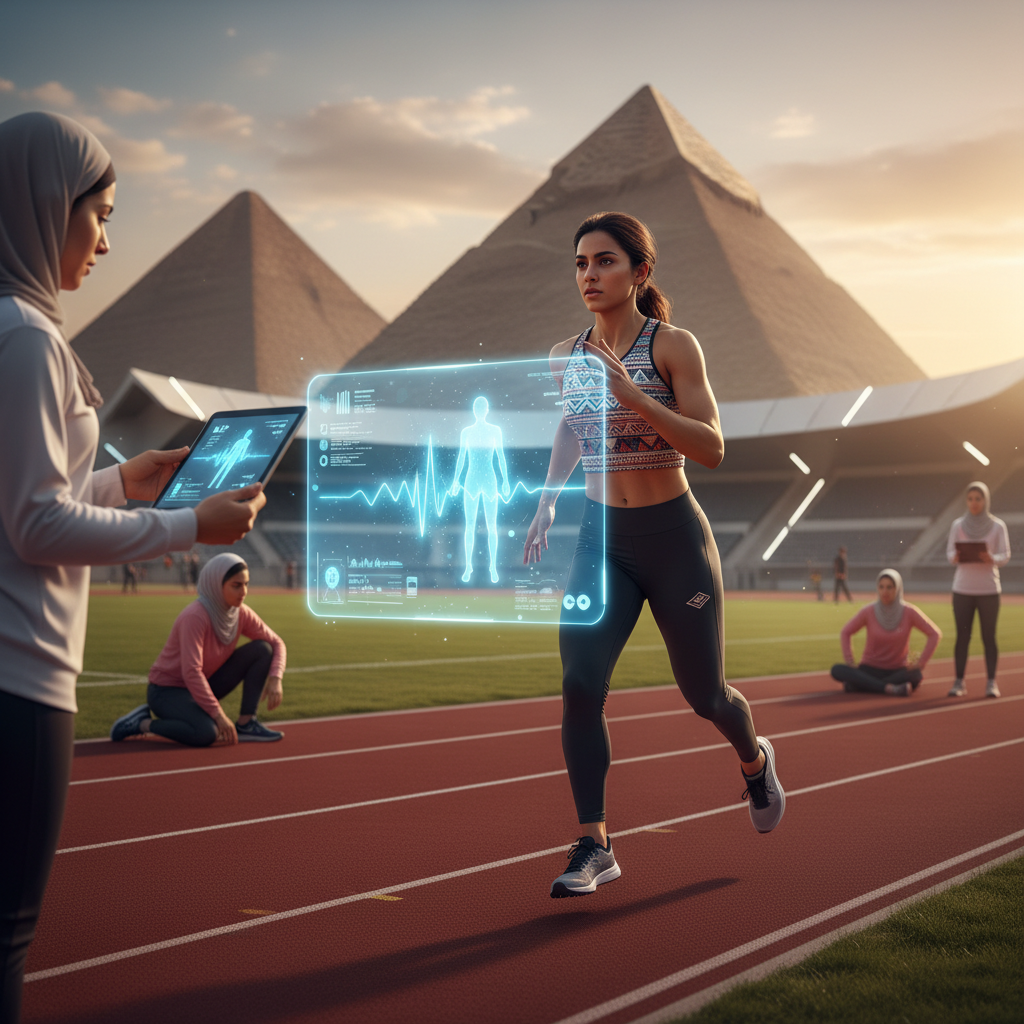
CAIRO, Egypt – In a groundbreaking stride for Egyptian sports, particularly for its burgeoning female athletic community, Artificial Intelligence (AI) is rapidly becoming an indispensable tool in the pursuit of Olympic glory. From the meticulously designed training regimens of our national handball team to the precision analytics guiding individual gymnasts, AI-powered coaching is reshaping how Egyptian women prepare for international competition.
This embrace of digital transformation, often championed by institutions like the Ministry of Youth and Sports and the National Council for Women (NCW), reflects a strategic vision to empower our sportswomen. "We are witnessing a paradigm shift," states Dr. Mona El-Khatib, a leading sports psychologist at Ain Shams University and an advisor to the Egyptian Olympic Committee. "AI offers an unprecedented level of personalized feedback, analyzing biomechanics, fatigue levels, and even psychological readiness. For our batalat (heroines), this means training smarter, not just harder, and addressing specific needs that might otherwise be overlooked."
One prominent example is the integration of AI video analysis systems. These platforms, often developed by local tech startups in collaboration with international partners, dissect every movement of an athlete. For instance, a swimmer's stroke efficiency or a fencer's lunge technique can be broken down frame-by-frame, identifying minute imperfections that human coaches might miss. "The data doesn't lie," explains Coach Hoda Mansour, who oversees the national women's weightlifting team. "With AI, we can pinpoint exactly where an athlete is losing power or risking injury, allowing us to adjust their program with scientific precision. This is particularly crucial for female athletes, whose physiological needs can vary significantly, requiring tailored approaches."
The impact extends beyond technical skills. Wearable AI devices are now common, monitoring heart rates, sleep patterns, and recovery metrics, providing a holistic view of an athlete's well-being. This proactive approach helps prevent overtraining and injuries, a critical factor for sustained performance. "Our goal is to ensure our athletes are not only physically peak but also mentally robust," adds Dr. El-Khatib. "AI can even assist in developing mental resilience programs, analyzing performance under pressure and suggesting visualization techniques tailored to individual athletes."
While the adoption is still in its early stages for some disciplines, the enthusiasm is palpable. Young female athletes, many of whom are digital natives, are quick to embrace these technologies. The investment in such advanced systems underscores Egypt's commitment to supporting its sportswomen on the global stage, ensuring they have every possible advantage. As the next Olympic cycle approaches, the synergy between human coaching wisdom and artificial intelligence promises to unlock new levels of potential for Egypt's female sporting champions, reinforcing their status as true farasat Misr (Egypt's mares/champions).
Related Articles
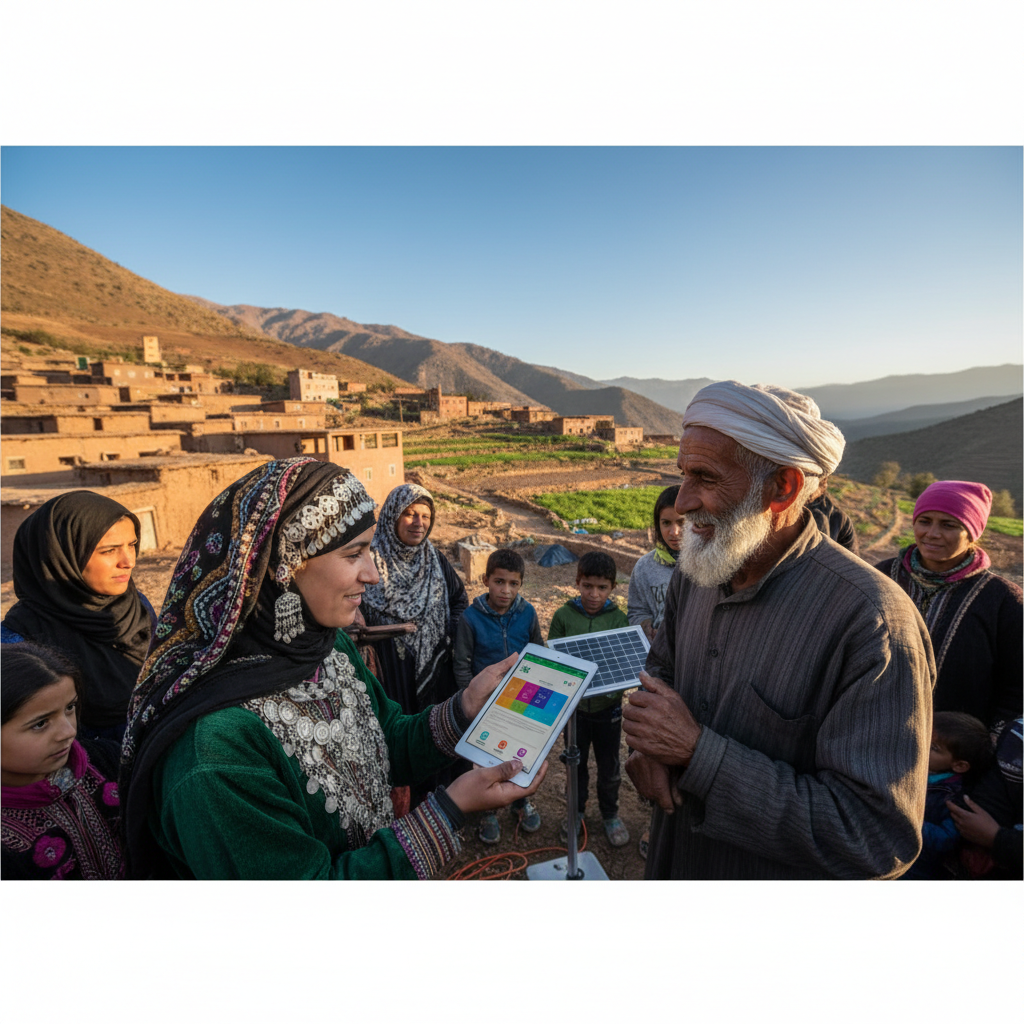
Morocco's AI Health Revolution: Berber Communities on the Forefront of Digital Wellness
 Tariqù Benaì
La Liga Embraces AI: A New Era for Fan Engagement and Performance Analytics
 Marisolò Garcíà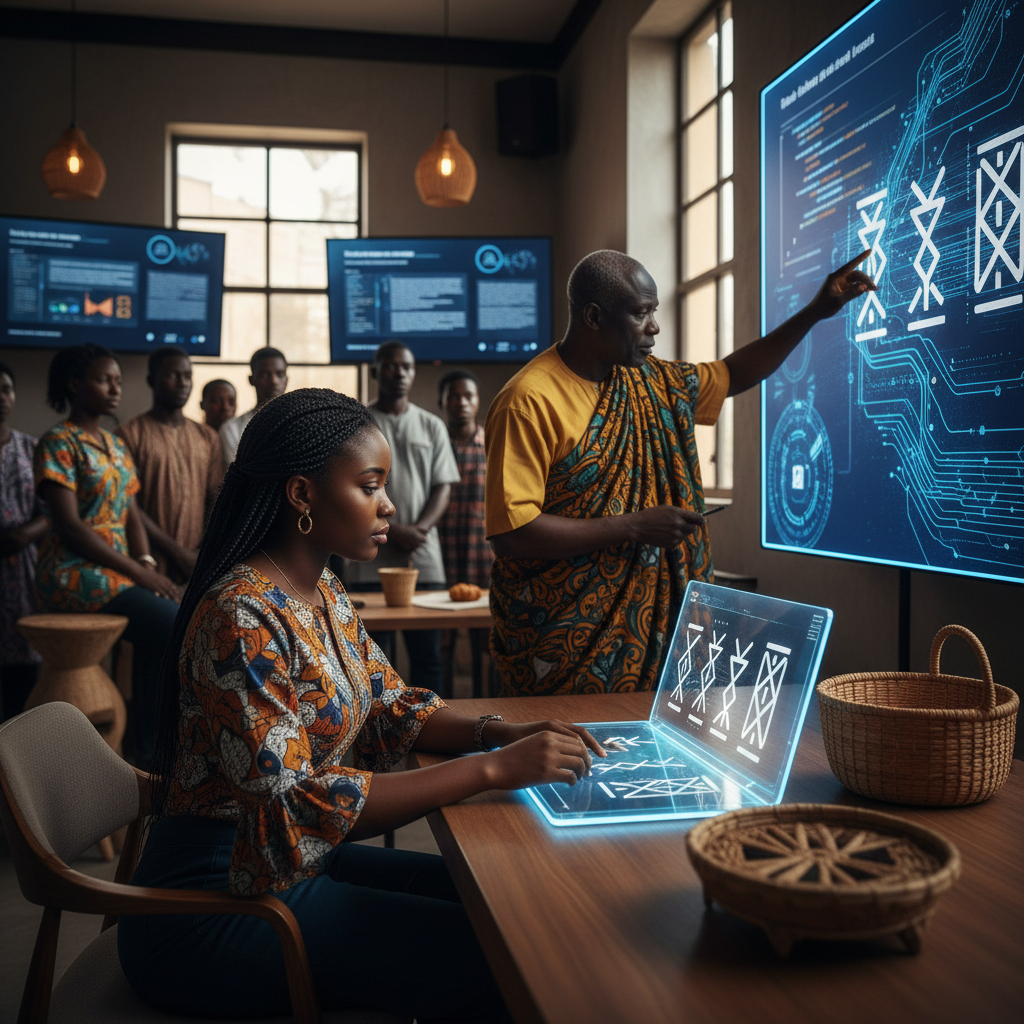
Ghana's 'Adinkra AI' Initiative: Bridging Tradition and Technology for Digital Inclusion
 Akosùa Mensàh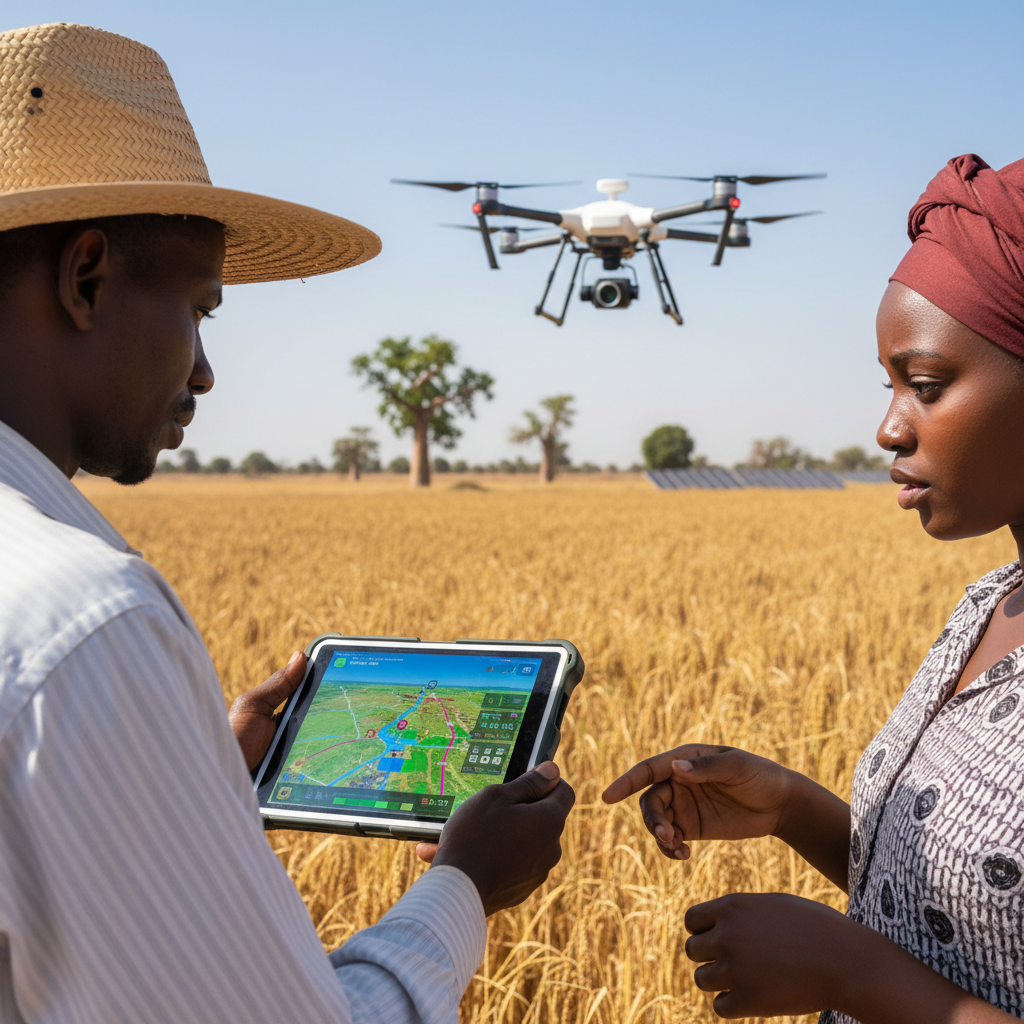
Mali's Digital Future: AI for Agriculture and Local Languages
 Mouhamadouù Bâ