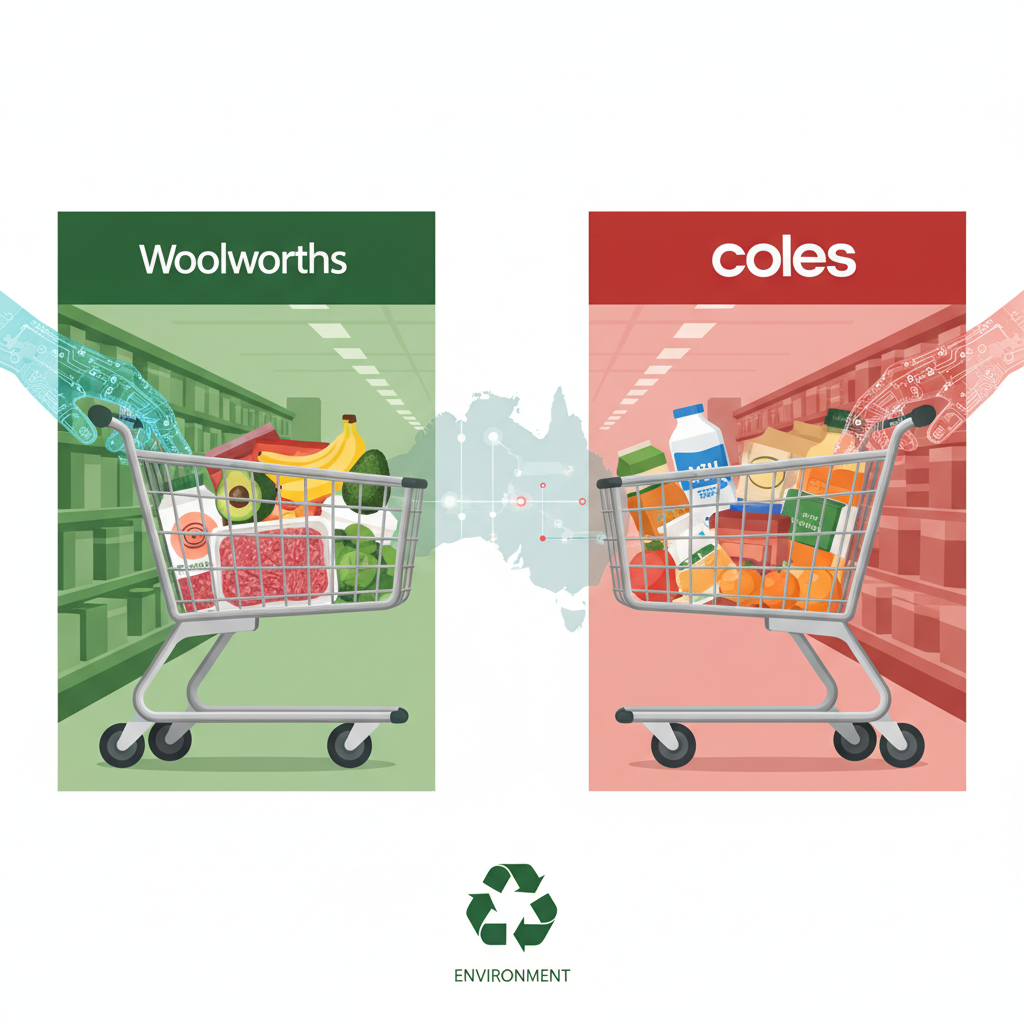

Let's be honest, the weekly grocery shop is rarely a thrilling adventure. It's more of a necessary pilgrimage, a ritual of pushing a trolley through fluorescent-lit aisles, dodging rogue kids, and trying to remember if you're out of Vegemite. But what if I told you that this mundane experience is rapidly becoming one of the most sophisticated battlegrounds for artificial intelligence? And what if I also told you that, for us Aussies, the stakes are perhaps even higher than for our mates overseas?
I've been watching the retail sector for a while now, and mate, this AI thing is getting interesting. It's not just about flashy self-checkout machines anymore, though those are certainly part of the picture. We're talking about the invisible hand of AI reaching deep into the very fabric of how retailers like Woolworths and Coles operate, from the moment a product leaves the supplier to the second it lands in your basket. The big three buzzwords doing the rounds are demand forecasting, inventory optimization, and personalized shopping. Sounds a bit dry, doesn't it? Like a forgotten biscuit at the bottom of the tin. But trust me, the implications are anything but.
My take is this: while AI promises efficiency and a smoother shopping experience, we need to be bloody vigilant about the trade-offs. The potential for these systems to create a retail environment that is both hyper-efficient and subtly manipulative is enormous. We're not just talking about convenience; we're talking about a fundamental shift in the power dynamic between consumer and corporation.
Take demand forecasting, for instance. Retailers are pouring billions into AI models that can predict what you'll buy, when you'll buy it, and even how much you're willing to pay. These aren't just educated guesses anymore. They're complex algorithms, often powered by the likes of Google's advanced analytics platforms or bespoke solutions from companies like IBM, crunching mountains of data from loyalty programs, weather patterns, social media trends, and even local events. They can tell a supermarket in Perth to stock more sunscreen before a heatwave, or a store in Sydney to reduce fresh produce orders if a major sporting event means fewer people will be cooking at home. The goal, naturally, is to minimise waste and maximise sales. It sounds brilliant on paper, reducing the environmental footprint of spoiled goods and ensuring shelves are always stocked. And frankly, Australia's tech scene is like a good flat white, better than you'd expect, with some local players even getting into this game.
Then there's inventory optimization. This is where AI really flexes its muscles behind the scenes. It's about getting the right product, to the right store, at the right time. For a sprawling country like Australia, with vast distances between distribution centres and regional towns, this is a logistical nightmare traditionally. AI, however, promises to turn that nightmare into a well-oiled machine. It can identify bottlenecks, predict supply chain disruptions before they happen, and even automate reordering processes. Imagine a world where that obscure brand of gluten-free cracker you love is always in stock, no matter how remote your local IGA. That's the promise. As Reuters recently reported, major global retailers are seeing double-digit percentage improvements in their supply chain efficiency thanks to AI.
But here's where my Aussie skepticism kicks in. The most talked-about aspect, personalized shopping, is also the most concerning. This is where AI moves beyond forecasting and inventory to directly influencing your choices. Think about those