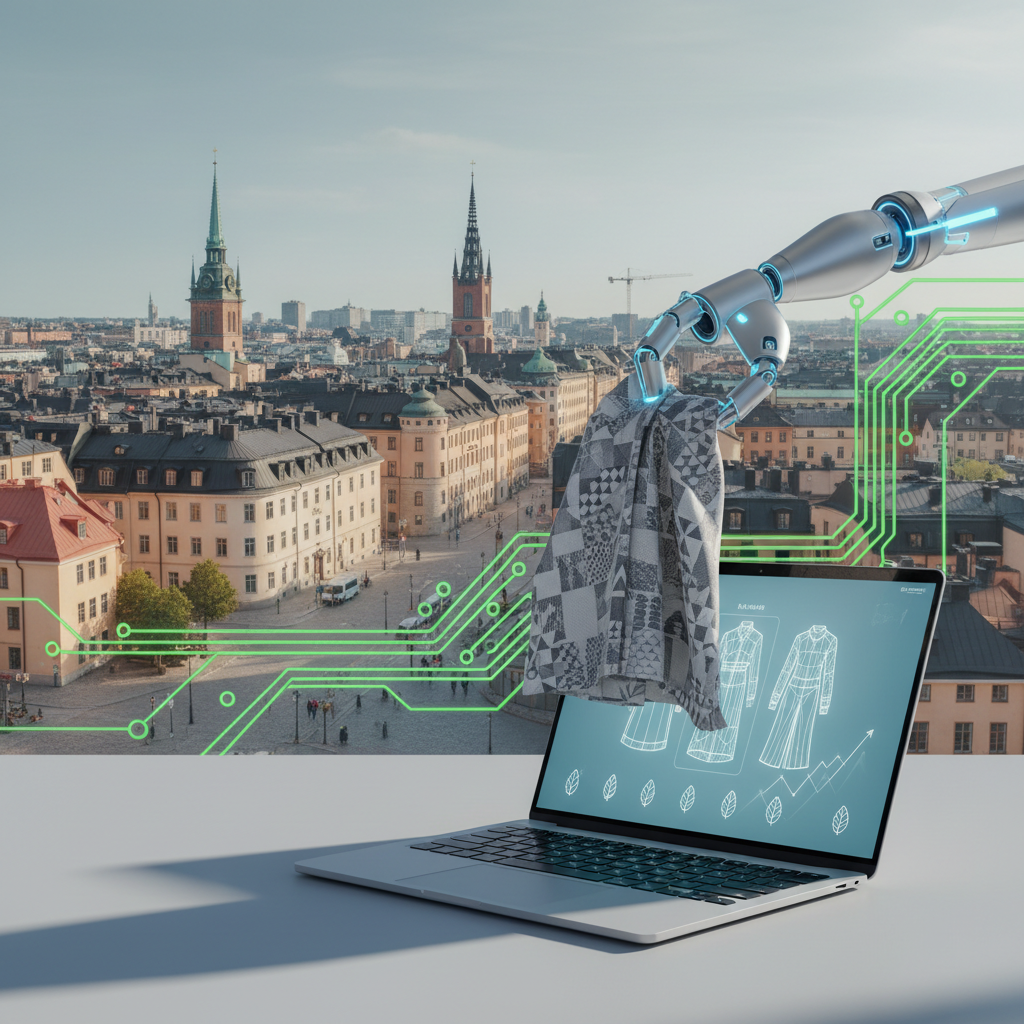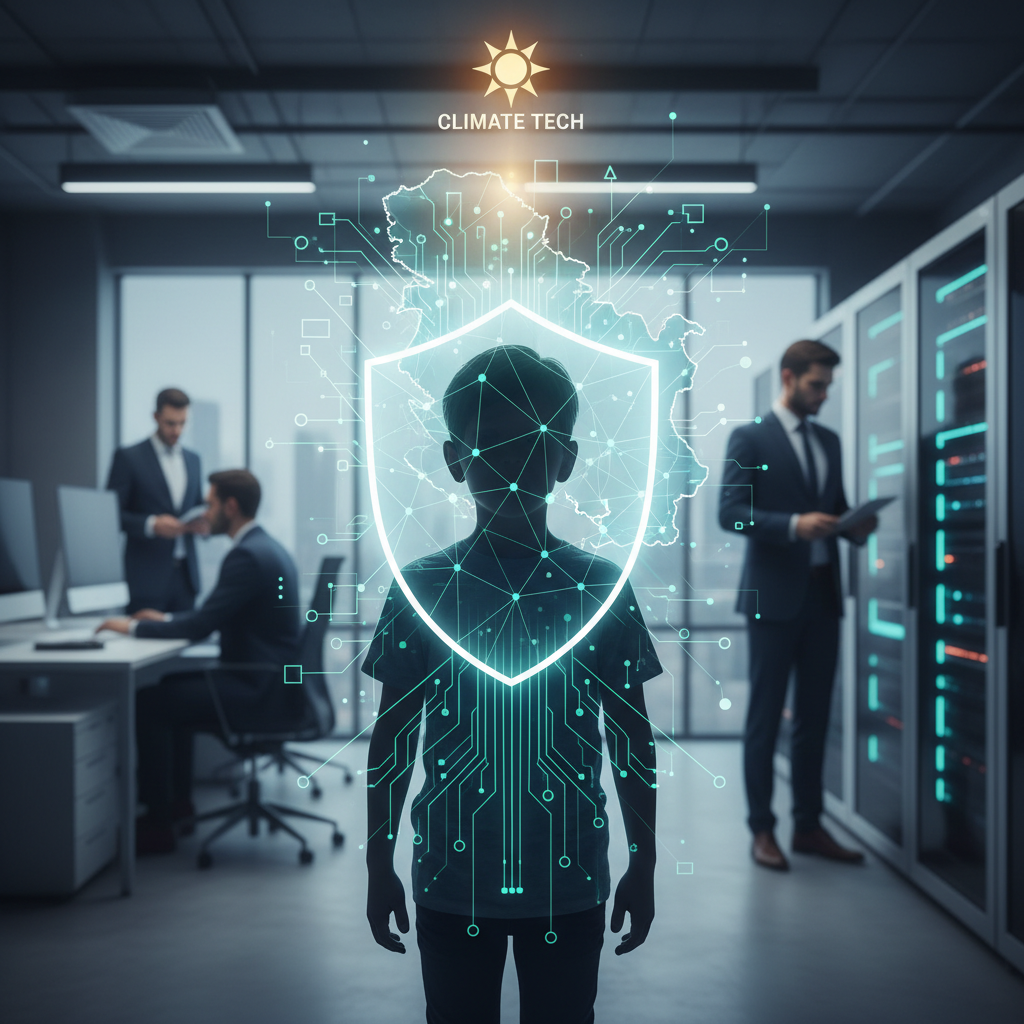

The sun was just beginning to warm the cobblestones of Skadarlija, a familiar scene in Belgrade, but inside the offices of 'Digital Guardian,' a local cybersecurity startup, the mood was anything but serene. Monitors glowed with lines of code, and the air hummed with the quiet intensity of developers battling an invisible enemy. Their mission: to build AI tools that protect children from AI itself. It sounds like something from a science fiction novel, yet here we are, in April 2026, living it.
For too long, the conversation around AI has been dominated by grand pronouncements from Silicon Valley, often overlooking the practical challenges faced by communities like ours. The Balkans have a different relationship with technology, one often built on resilience and adaptation, not just endless venture capital. Here, when we talk about AI, we want to know what's actually working, what impact it has on our families, our jobs, and especially our children.
The data is stark. Reports from organizations like Unicef and the European Commission indicate a significant increase in children's exposure to AI-generated content, including deepfakes and manipulative algorithms, over the past two years. A recent study, reportedly by IDC, suggested that over 60% of children aged 8-16 in Central and Eastern Europe interact with AI-powered platforms daily, often without adequate parental oversight or protective measures. This isn't just about entertainment; it's about content designed to influence, to keep eyes glued to screens, and in some cases, to exploit.
For businesses, particularly those in the digital media, education technology, and gaming sectors, this presents a dual challenge. On one hand, AI offers unprecedented opportunities for personalized learning and engaging content. On the other, the ethical and regulatory landscape around protecting minors is rapidly evolving, demanding significant investment in compliance and safety features.
Take, for example, 'EduPlay,' a Serbian ed-tech company that develops AI-driven learning apps for primary school children. Their CEO, Dragan Petrović, recently told a local business forum, "We see the immense potential of AI to revolutionize education, to make learning truly adaptive. But with that power comes immense responsibility. We've had to reallocate nearly 15% of our R&D budget this year solely to developing robust AI content moderation and age-verification systems. It's not a choice, it's a necessity, especially with the upcoming EU AI Act provisions." His words echo a sentiment shared by many in Belgrade's tech scene, which is real, not hype.
Globally, major players are also grappling with this. Google, with its vast ecosystem of services, has been investing heavily in AI safety. Their recent updates to YouTube Kids, for instance, leverage advanced AI to identify and filter inappropriate content, though the system is not foolproof. OpenAI, the developer of ChatGPT, has also stated a commitment to developing safer AI models, including features to prevent the generation of harmful content, particularly when minors are involved. However, the sheer volume and sophistication of AI-generated content make this an uphill battle for everyone.
In Serbia, smaller companies face unique hurdles. They often lack the resources of global giants to build sophisticated safety nets. This is where innovation from local startups like Digital Guardian becomes critical. Their platform uses a combination of natural language processing and computer vision to detect subtle cues of AI manipulation in video, audio, and text, offering it as a service to other businesses and even directly to parents. Their founder, Marija Jovanović, explained, "We realized early on that simply blocking keywords wasn't enough. AI can be incredibly subtle. Our goal is to empower parents and educators with tools that understand the nuances of AI-generated threats, not just the obvious ones." She emphasized that the challenge is not just technical, but also cultural, requiring ongoing education.
The impact on workers is also significant. Developers, data scientists, and content moderators are increasingly being trained in AI ethics and safety protocols. For many, it's a new frontier. Jelena Marković, a software engineer at a prominent Serbian gaming studio, shared her experience, "A few years ago, my focus was purely on game mechanics. Now, a significant part of my job involves understanding how our AI interacts with young players, how to prevent addiction, and how to ensure the content is always age-appropriate. It's a constant learning curve, but it feels important." This shift reflects a broader trend of ethical considerations being integrated into the entire product development lifecycle, not just as an afterthought.
Expert analysis suggests that regulatory frameworks, such as the EU AI Act, will play a crucial role in shaping corporate responsibility. While Serbia is not an EU member, its close economic ties mean that local companies must often adhere to EU standards to remain competitive. "The EU AI Act, expected to be fully implemented by 2027, will set a global precedent for AI governance," noted Professor Ana Kostić, a leading expert in AI law at the University of Belgrade. "It places significant obligations on developers and deployers of AI systems, especially those deemed high-risk, which includes many applications interacting with children. Serbian companies that proactively adopt these standards will gain a competitive edge and build trust with consumers." This proactive approach is vital for companies targeting the broader European market.
What's coming next? We can expect a continued arms race between malicious actors using AI to create harmful content and companies developing AI to detect and mitigate it. The focus will shift from simple content filters to more sophisticated behavioral analysis and real-time detection systems. Furthermore, there will be a greater emphasis on digital literacy programs for children and parents, empowering them to navigate the digital world more safely. Companies will also need to invest more in explainable AI, allowing parents and regulators to understand why certain content is flagged or recommended.
This isn't just a technical problem; it's a societal one. The future of our children, their ability to discern truth from sophisticated AI-generated fiction, and their mental well-being are at stake. Serbian companies, from small startups to established players, are showing that practical, grounded solutions are not only possible but necessary. It's about building a safer digital future, brick by digital brick, right here from our corner of the world. For more insights into how AI is shaping industries, you can check out reports on Reuters Technology. The conversation around AI's impact on society, especially children, is only just beginning, and it demands our full attention. For deeper dives into AI's societal implications, Wired often covers these topics thoroughly. And for the latest in AI research and development, MIT Technology Review remains a key resource.