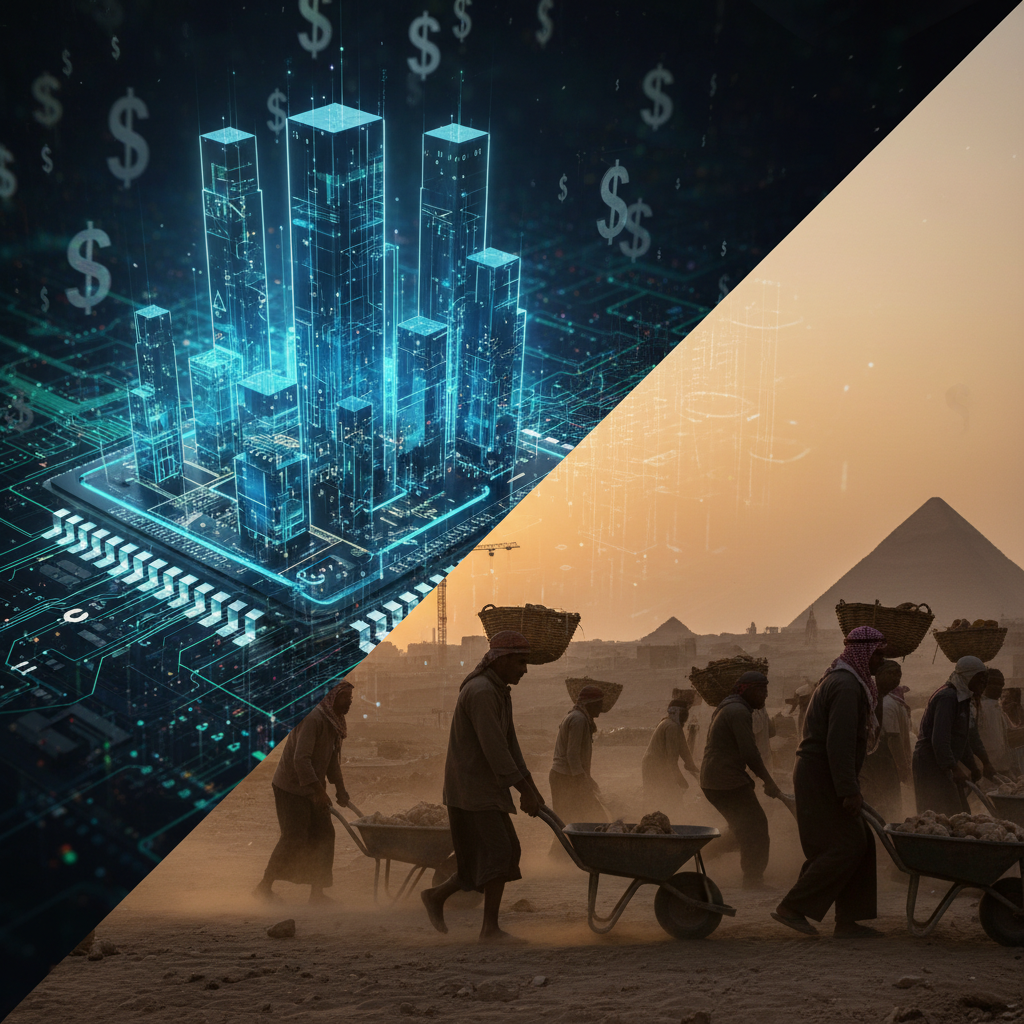
The news hit the wires like a Sahelian storm, sudden and full of bluster. OpenAI, the American AI powerhouse, has officially unveiled its latest large language model, GPT-5. The company claims unprecedented leaps in reasoning, multimodal understanding, and even a nascent form of what they call 'general intelligence.' Benchmarks released by OpenAI and independent labs suggest significant improvements over its predecessor, GPT-4, and its main rivals like Anthropic's Claude 3.5 and Google's Gemini 1.5 Pro. We are talking about percentage points in complex reasoning tasks, better code generation, and more nuanced language understanding. For the tech giants in Silicon Valley, this is another round won in the AI arms race, a cause for celebration and investor confidence.
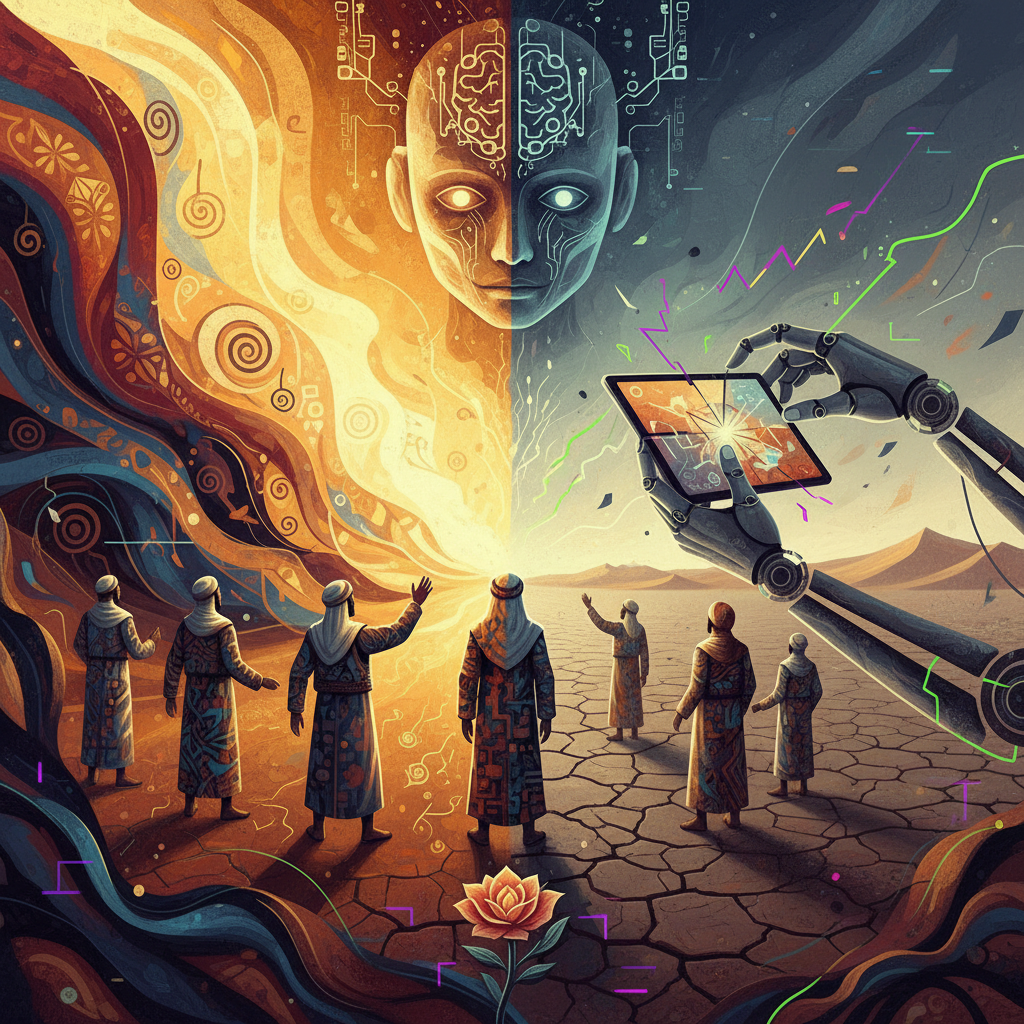
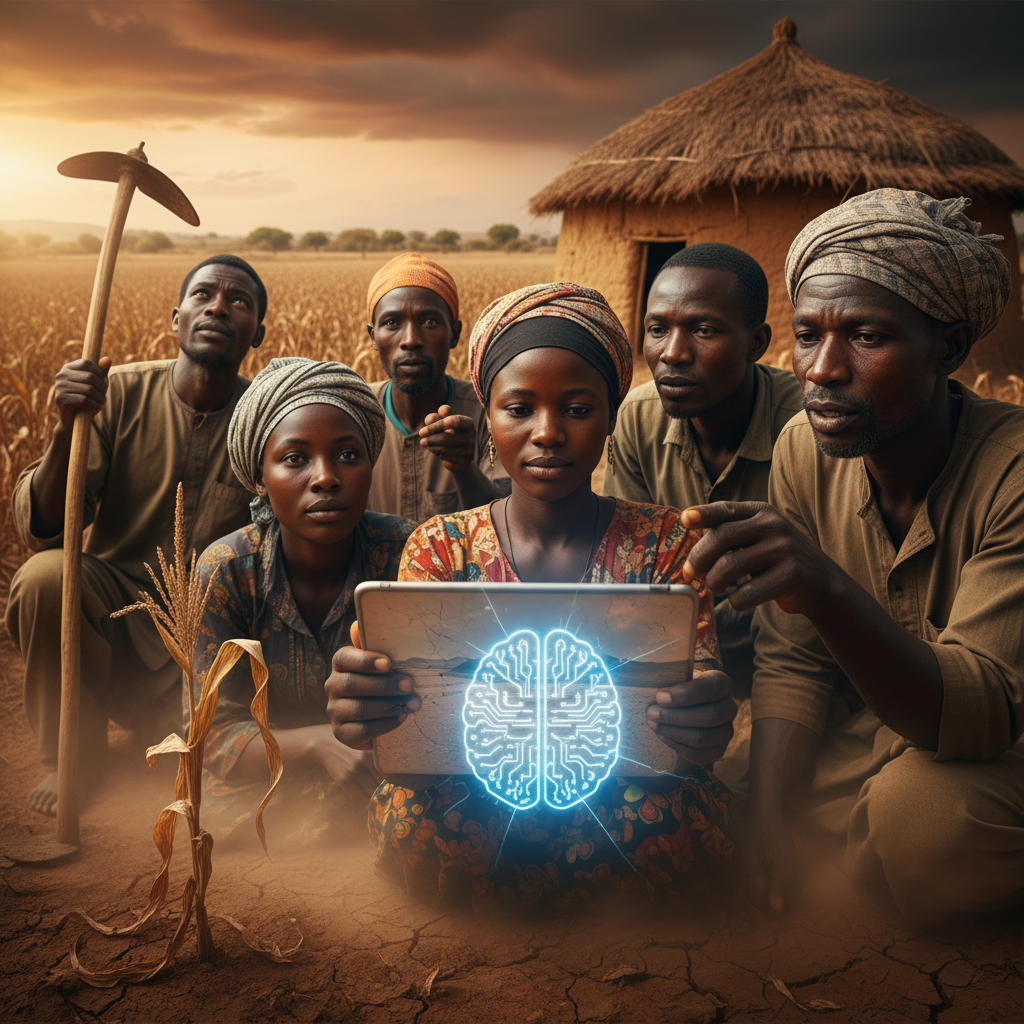
But here in Ouagadougou, the question that echoes is not about abstract benchmarks, but about practical applications. Can GPT-5 help a farmer in the Sahel predict erratic rainfall patterns more accurately? Can it assist a small business owner in Bobo-Dioulasso to navigate complex market prices for shea butter? Or is it just another powerful tool designed for problems far removed from our daily struggles? The reality on the ground, as always, is more complicated than the press releases suggest.
OpenAI's internal evaluations reportedly show GPT-5 outperforming previous models by an average of 15-20 percentage points on a suite of academic and professional benchmarks, including legal reasoning and advanced mathematics. In head-to-head comparisons, it reportedly surpassed Claude 3.5 Opus on several key metrics, particularly in creative writing and complex data analysis, and edged out Gemini 1.5 Pro in multimodal tasks involving image and video interpretation. These are impressive numbers, no doubt. Sam Altman, OpenAI's CEO, in a recent interview, spoke about the model's 'emergent capabilities' and its potential to 'accelerate human ingenuity across every domain.'
But what does 'accelerate human ingenuity' mean for a nation like Burkina Faso, where access to reliable internet is still a luxury for many, and electricity can be intermittent? Here's what actually happened when we tried to bridge the gap between this cutting-edge technology and our local needs.
Dr. Aminata Diallo, a leading researcher in agricultural technology at the Institut du Développement Rural (IDR) in Ouagadougou, expressed cautious optimism. 'The raw power of GPT-5 is undeniable,' she told me, sitting in her modest office, the whir of a single fan battling the afternoon heat. 'We have seen how previous models, even with their limitations, could translate complex agricultural reports into simpler language for extension workers. They could help draft proposals for microfinance. If GPT-5 truly offers superior reasoning and multilingual capabilities, it could be a game changer for information dissemination, especially in local languages like Mooré or Dioula.' She highlighted that a significant barrier for previous models was their limited understanding of local dialects and nuanced cultural contexts, often leading to irrelevant or even misleading advice. 'We need AI that understands the difference between a good harvest in the Central Plateau and a struggling one in the Sahel, not just generic farming tips from California,' she added.
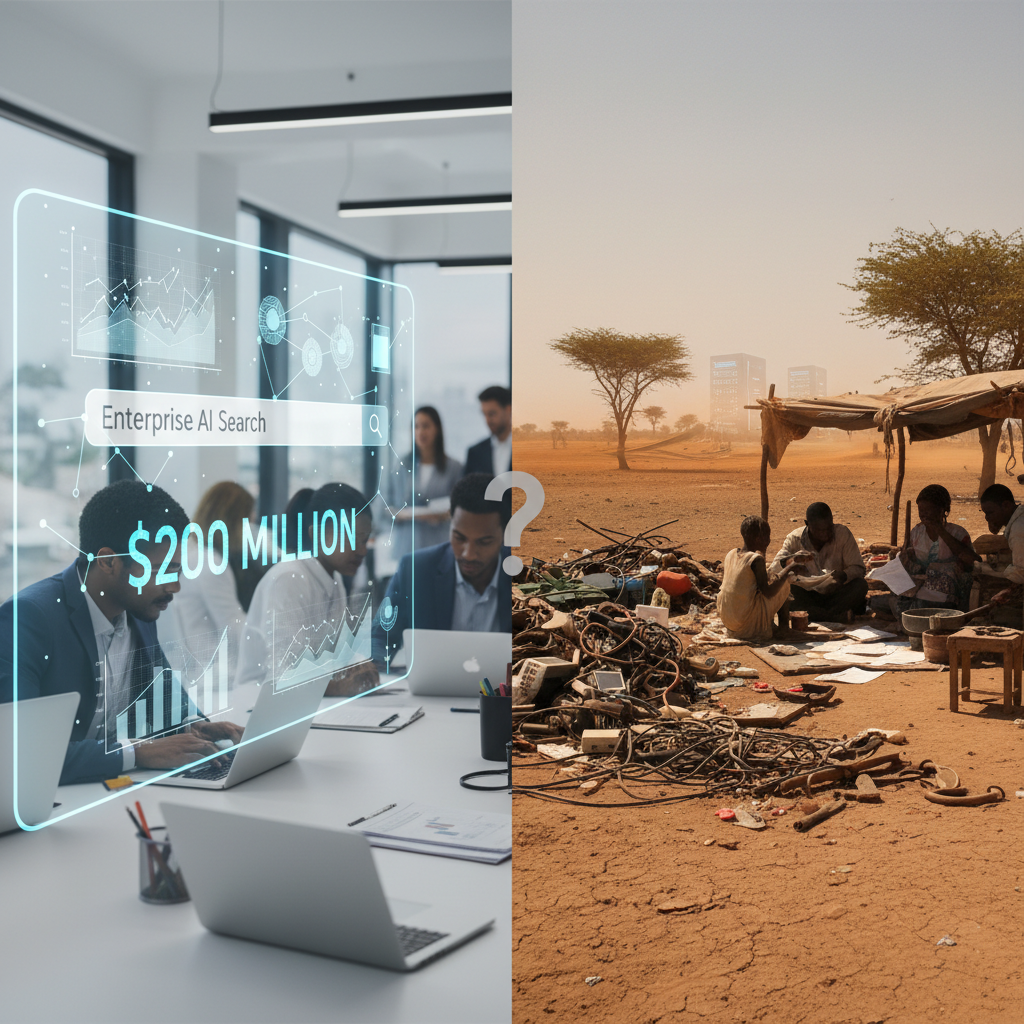
However, the cost of accessing such advanced models remains a major hurdle. OpenAI has not yet released specific pricing for GPT-5, but historically, their most powerful models come with a premium. For a country with a per capita GDP that is among the lowest in the world, even subsidized access can be prohibitive for widespread adoption. 'We are talking about infrastructure, computing power, and the financial resources to integrate these tools,' explained Mr. Boubacar Sawadogo, an entrepreneur running a small tech hub in Ouagadougou. 'Many of our startups are still struggling to afford basic cloud services. GPT-5, in its current form, feels like a luxury car when most of us need a reliable motorcycle to navigate our roads.'
The government's reaction has been measured. Madame Fatoumata Diallo, Minister of Digital Economy and Postal Services, acknowledged the potential during a press conference. 'We are closely monitoring these developments,' she stated. 'Our priority is to ensure that digital advancements serve all Burkinabè, not just a select few. We are exploring partnerships that could bring these powerful tools to our educational institutions and agricultural sectors at an affordable cost.' She emphasized the need for AI solutions that are culturally relevant and address specific local challenges, rather than being imported without adaptation. 'We cannot simply copy and paste solutions from elsewhere,' she asserted, 'we must build our own capacity to harness this technology for our unique development path.'
One of the most promising avenues for GPT-5's application here could be in climate resilience. Burkina Faso is acutely vulnerable to climate change, experiencing increasingly severe droughts and floods. Early warning systems, often reliant on complex data analysis and predictive modeling, could greatly benefit from a more powerful AI. Dr. Diallo's team at IDR is particularly interested in how GPT-5's enhanced reasoning could process satellite imagery, local weather station data, and historical agricultural yields to provide more precise, localized forecasts for farmers. 'Imagine a system that can tell a farmer in the Sourou Valley, with high confidence, that the rainy season will be delayed by two weeks, or that a specific crop variant is more resilient to the predicted dry spell,' she mused. 'That kind of actionable intelligence could save livelihoods.'
Yet, the technical challenges are immense. Training or fine-tuning such a large model on local data, especially in our diverse linguistic landscape, requires vast computational resources that are simply not available here. The data itself, often unstructured, incomplete, or existing only in oral traditions, presents another significant barrier. Forget the hype, this is what matters: how do we feed our local wisdom into these global brains? How do we ensure the AI understands the nuances of our traditional farming practices, our social structures, and our values, without imposing external biases?
Competitors are not standing still. Google's Gemini models, with their strong multimodal capabilities, are also vying for global adoption, and Anthropic continues to push its 'constitutional AI' approach, focusing on safety and alignment. The competition might eventually drive down costs and improve accessibility, but for now, the gap remains wide. There is also a growing movement for open-source alternatives, like those from Hugging Face or Mistral AI, which offer more flexibility and potentially lower barriers to entry for local developers. These models, while perhaps not matching GPT-5's top-tier performance, are often more adaptable and can be run on more modest hardware, making them more viable for resource-constrained environments.
The path forward for Burkina Faso, and indeed for many developing nations, involves strategic investment in digital literacy, robust internet infrastructure, and fostering local AI talent. It means advocating for equitable access to these powerful tools and ensuring that the global AI conversation includes voices from places like ours. The benchmarks of GPT-5 are impressive, a testament to human ingenuity, but the true measure of its success will be its ability to improve lives where it matters most: in the everyday realities of people striving for a better future. Until then, for many, it remains a powerful, distant star in the digital sky, a promise yet to be fully realized on our soil. We must continue to push for solutions that are not just cutting-edge, but also contextually relevant and truly accessible. The digital divide, after all, is not just about access to technology, but access to its benefits.
For more insights into how AI is shaping global economies, you can explore reports on AI business news. The broader implications of AI on society are also frequently discussed by MIT Technology Review. The journey to integrate these powerful models into our unique contexts is a long one, but it is a journey we must undertake with our eyes wide open, grounded in our realities. For a deeper dive into the technical aspects of these models, OpenAI's blog often provides detailed updates.