
Ndebele Women Lead AI Literacy Drive in Rural Zimbabwe
A groundbreaking initiative, spearheaded by Ndebele women, is bridging the digital divide by introducing AI literacy to rural communities in Zimbabwe, fostering economic empowerment and cultural preservation.
Click play to listen to this article read aloud using text-to-speech.
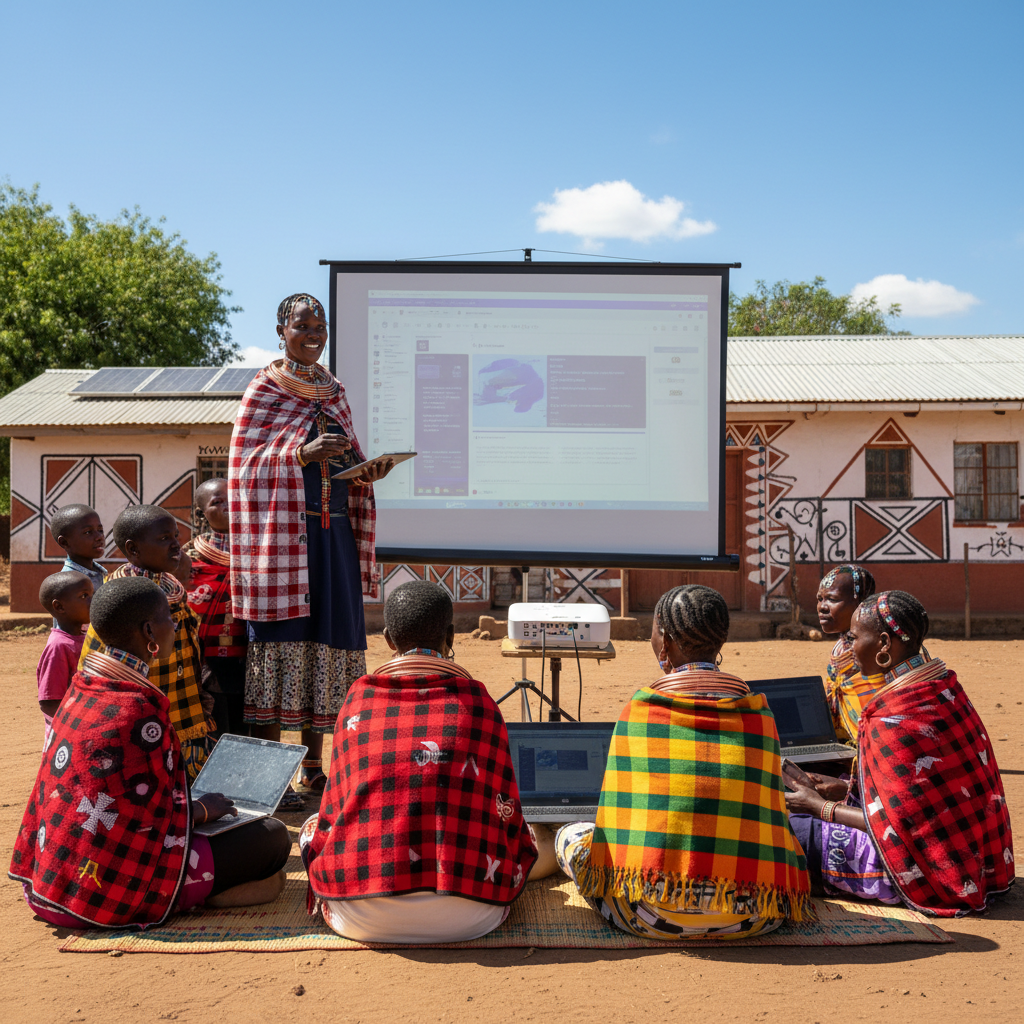

BULAWAYO, Zimbabwe – In the heart of Matabeleland South, a quiet revolution is unfolding, driven by the foresight and resilience of Ndebele women. As the world grapples with the rapid advancements of Artificial Intelligence, a pioneering program is ensuring that rural Zimbabwean communities are not left behind, but rather, become active participants in this digital future.
The 'Sithandwa Sami Tech' initiative, founded by Dr. Nomusa Ncube, a renowned Ndebele linguist and technologist from the National University of Science and Technology (NUST), is spearheading AI literacy workshops across districts like Umzingwane and Insiza. "Our ukuhlehla (coming forward) into the digital age must be intentional and inclusive," Dr. Ncube stated during a recent workshop in Esigodini. "For too long, technology has been a distant concept for our omama (mothers) and odade (sisters) in rural areas. We are changing that narrative, ensuring AI becomes a tool for their ukuthuthuka (development) and not a source of intimidation."
The program focuses on practical applications, demonstrating how AI can enhance traditional livelihoods. For instance, workshops teach farmers how AI-powered weather forecasting tools can optimize planting schedules, or how simple machine learning applications can help identify crop diseases. There's also a strong emphasis on using AI for cultural preservation, with projects exploring how natural language processing can digitize and analyze Ndebele oral histories and idioms, often passed down through generations of women.
Ms. Thandiwe Moyo, a participant from a village near Plumtree, shared her experience: "Ngikhulile ngisazi ukuthi izinto ezintsha zenzelwa abantu bedolobha kuphela. (I grew up knowing new things were only for city people.) Now, I understand how a small app can help me manage my poultry better. It's like having a wise elder, an 'AI gogo', guiding my decisions."
The initiative isn't without its challenges, primarily access to reliable electricity and internet connectivity. However, partnerships with local telecommunication providers and renewable energy companies are slowly but surely addressing these infrastructural gaps. "We are advocating for more robust government support, particularly from the Ministry of Information Communication Technology, Postal and Courier Services, to expand these vital programs," commented Mrs. Sibongile Dube, a local councillor and advocate for women's digital rights in Bulawayo.
Zinhlée Khumàlo, reporting from Bulawayo, observes that the 'Sithandwa Sami Tech' initiative is more than just a technology program; it's a testament to the enduring spirit of Ndebele women. It's about empowering them to leverage cutting-edge tools while remaining deeply rooted in their cultural identity, proving that innovation and tradition can indeed walk hand-in-hand towards a brighter, digitally inclusive future for Zimbabwe.
Related Articles
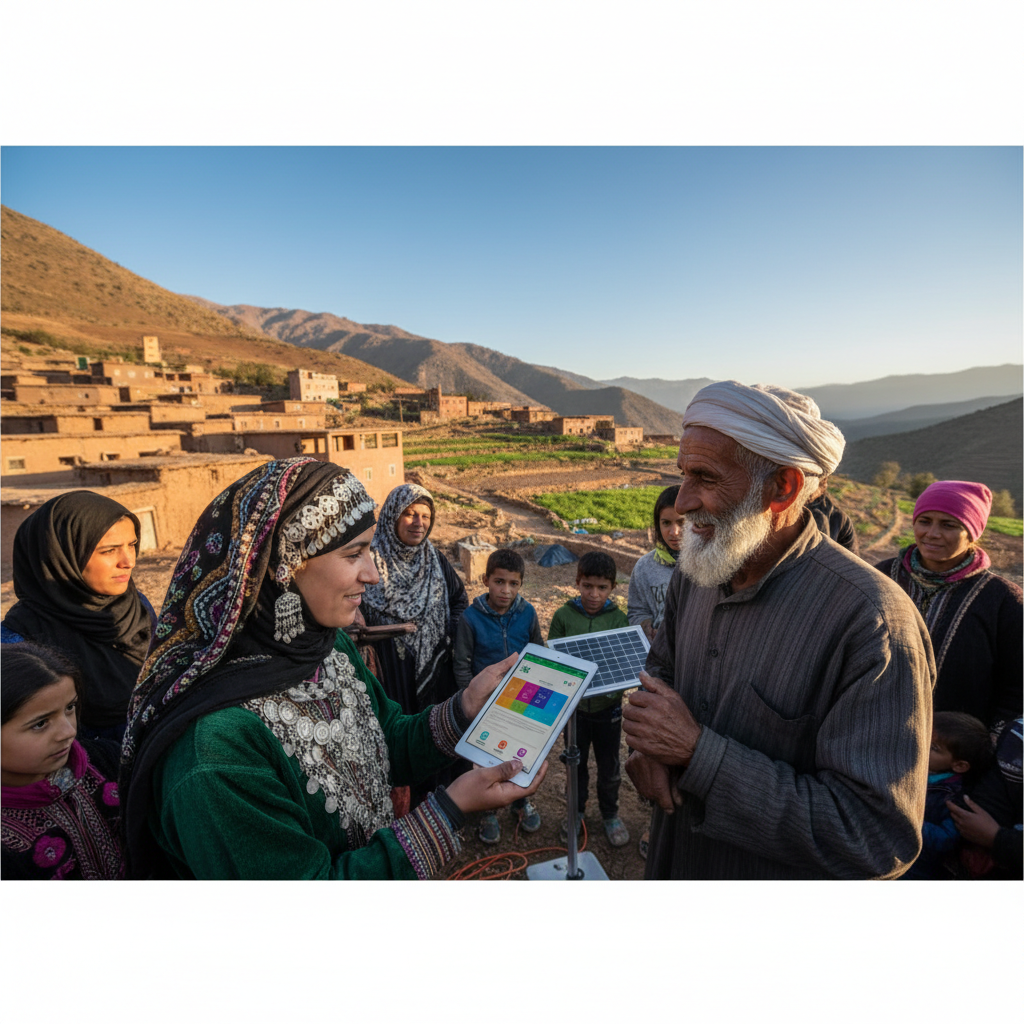
Morocco's AI Health Revolution: Berber Communities on the Forefront of Digital Wellness
 Tariqù Benaì
Québec's AI Strategy 2.0: Fostering Inclusive Innovation and Bridging the Digital Divide
 Chloé Tremblàŷ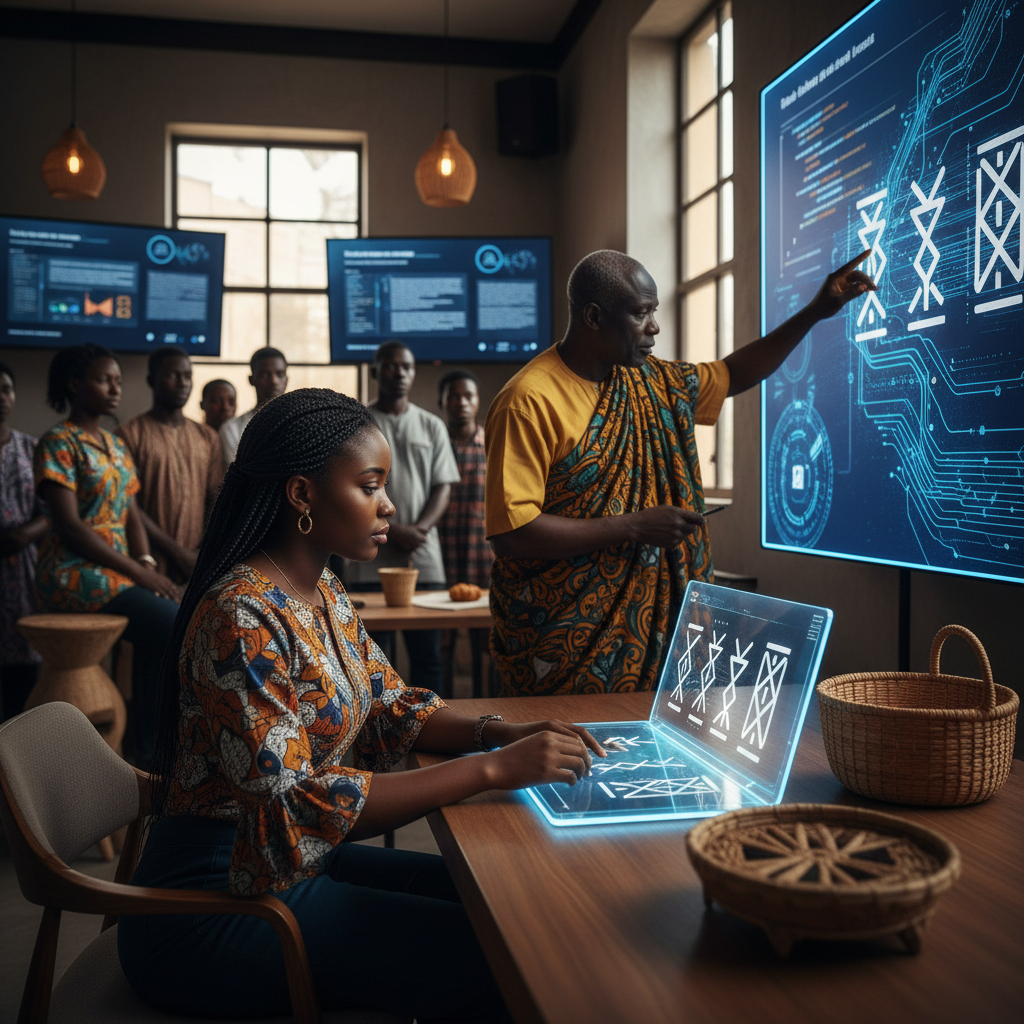
Ghana's 'Adinkra AI' Initiative: Bridging Tradition and Technology for Digital Inclusion
 Akosùa Mensàh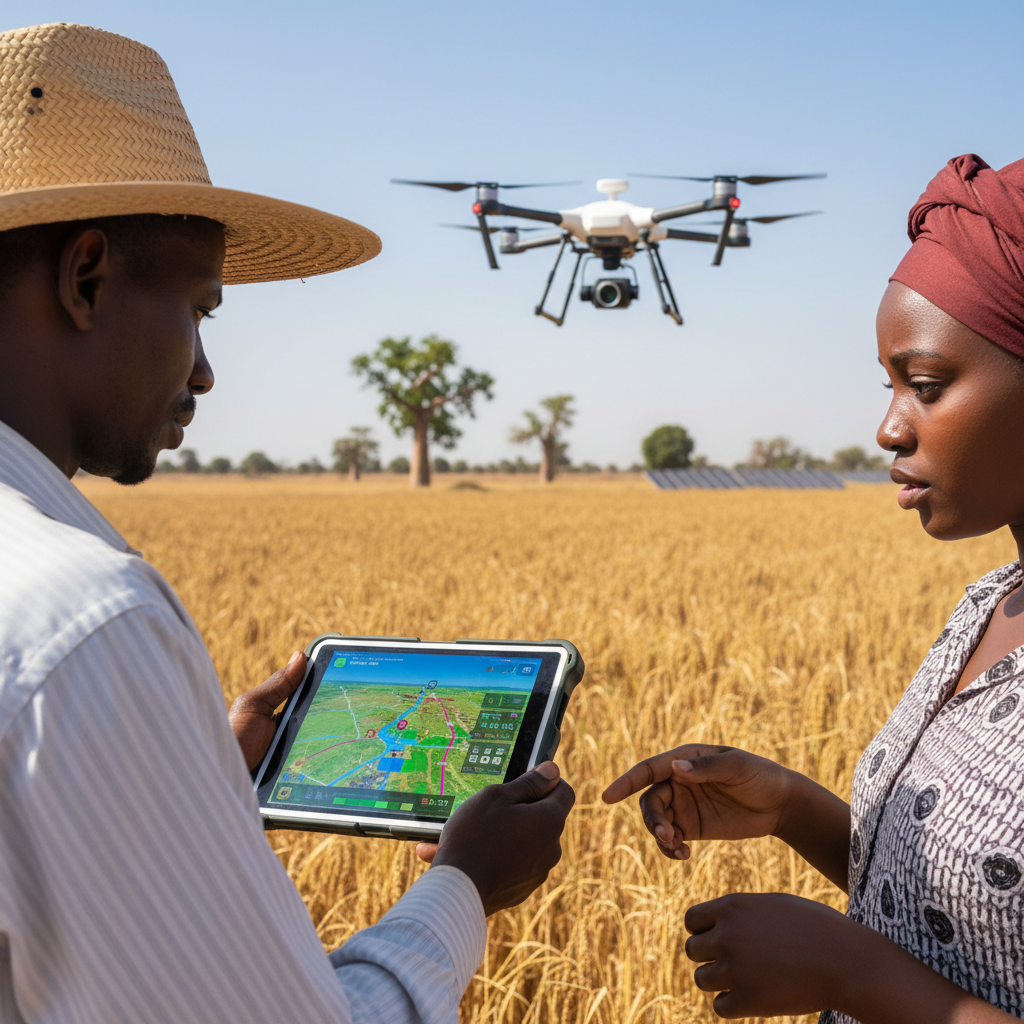
Mali's Digital Future: AI for Agriculture and Local Languages
 Mouhamadouù Bâ