Ghana's AI Future: Balancing Innovation with Cultural Preservation, A Woman's Perspective
As Ghana embraces AI, a critical conversation emerges on how to integrate technological advancement while safeguarding rich Akan traditions and ensuring equitable access, particularly for women.
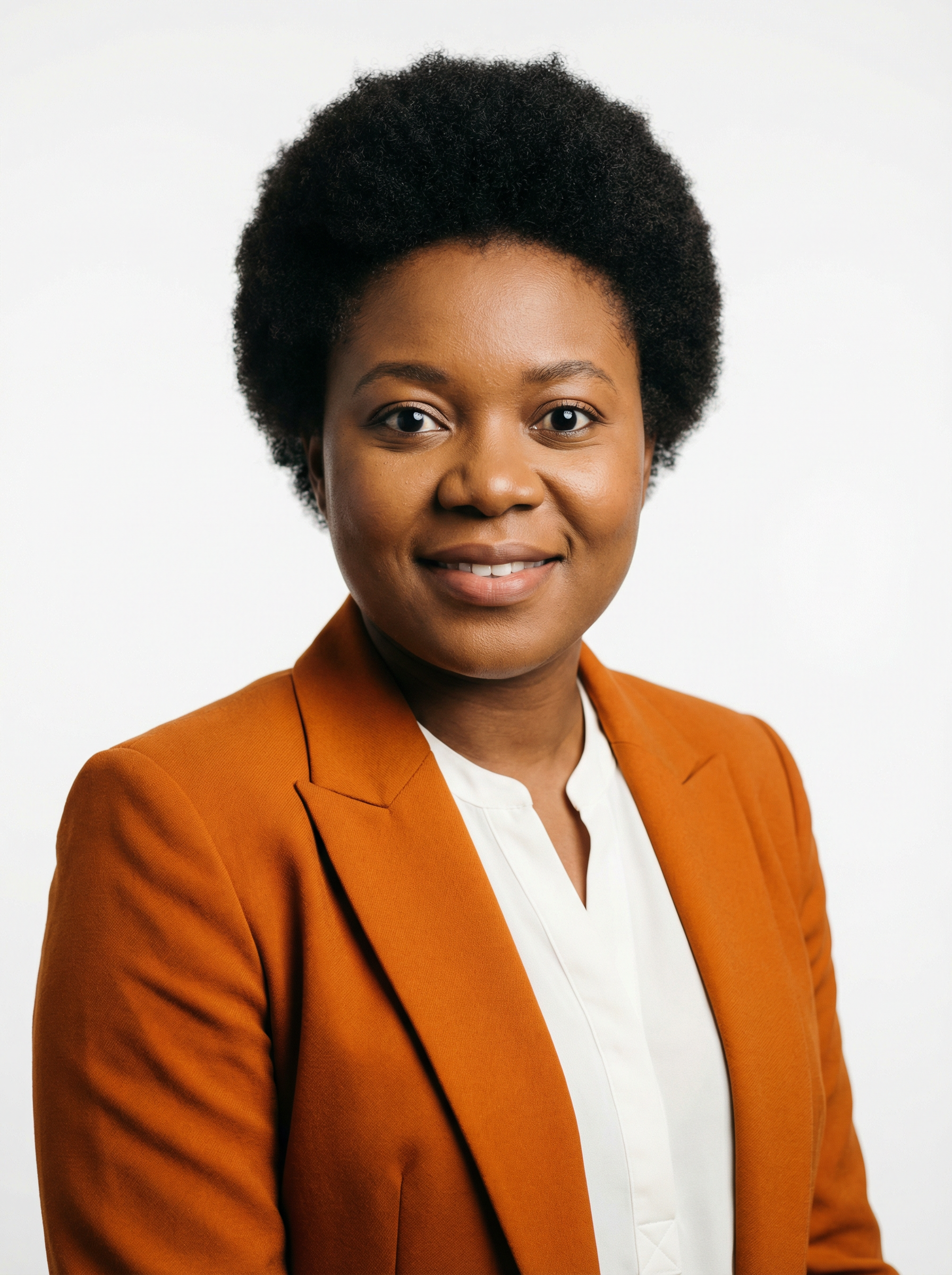
Accra, Ghana – April 2026 – The digital drumbeat of artificial intelligence echoes across Ghana, promising transformative shifts in sectors from healthcare to agriculture. Yet, for many, especially women deeply rooted in Akan traditions, the question isn't just how we adopt AI, but how we shape it to serve our unique cultural fabric and societal needs.
"AI is not just about algorithms; it's about people, about abusua (family/community)," states Dr. Adwoa Nsiah, a leading computational linguist at the University of Ghana and a prominent voice in the 'Women in Tech Ghana' movement. "We must ensure these powerful tools reflect our values, our languages like Twi and Fante, and empower every Ghanaian, not just a select few. The adinkra symbol 'Sankofa' reminds us to 'go back and get it' – to integrate new knowledge with our ancestral wisdom."
Recent discussions at the 'Ghana AI Summit 2026,' held at the Accra International Conference Centre, highlighted the government's ambitious 'Digital Ghana Agenda.' Minister for Communications and Digitalisation, Hon. Ama Serwaa Boateng, emphasized the need for a 'Ghanaian-centric AI strategy.' "Our goal is to leverage AI for national development, to improve public services, and to create new economic opportunities," she declared. "But this must be done responsibly, with ethical considerations at the forefront, and with a keen eye on gender equity."
From a woman's perspective, the stakes are particularly high. Historically, technological advancements have sometimes bypassed or even marginalized women in developing nations. "We cannot afford for AI to widen existing digital divides," warns Ms. Yaa Afriyie, founder of 'TechMaa,' an initiative training rural Ghanaian women in digital literacy. "Imagine AI tools that can help our market women optimize their sales, or assist our farmers in predicting weather patterns, all in their local dialect. This is the kind of inclusive innovation we champion."
Concerns also revolve around data privacy and algorithmic bias. If the data fed into AI systems primarily reflects male-centric or Western perspectives, the outcomes could inadvertently perpetuate biases against Ghanaian women. Dr. Nsiah advocates for robust local data collection and the active involvement of women in the design and deployment phases of AI projects. "Our proverbs, our oral histories, our unique social structures – these are invaluable datasets that can enrich AI and make it truly relevant to our context," she explains.
The path forward, as articulated by many Ghanaian experts, involves a multi-pronged approach: investing in AI education from primary school to tertiary levels, fostering local innovation hubs, developing ethical AI guidelines tailored to Ghanaian societal norms, and crucially, ensuring that women are not just users but also creators and leaders in this new technological frontier. The spirit of Nkabom (unity and collaboration) will be essential as Ghana navigates the exciting, yet complex, journey into an AI-powered future, ensuring no one, especially the backbone of our communities – our women – is left behind.
Related Articles
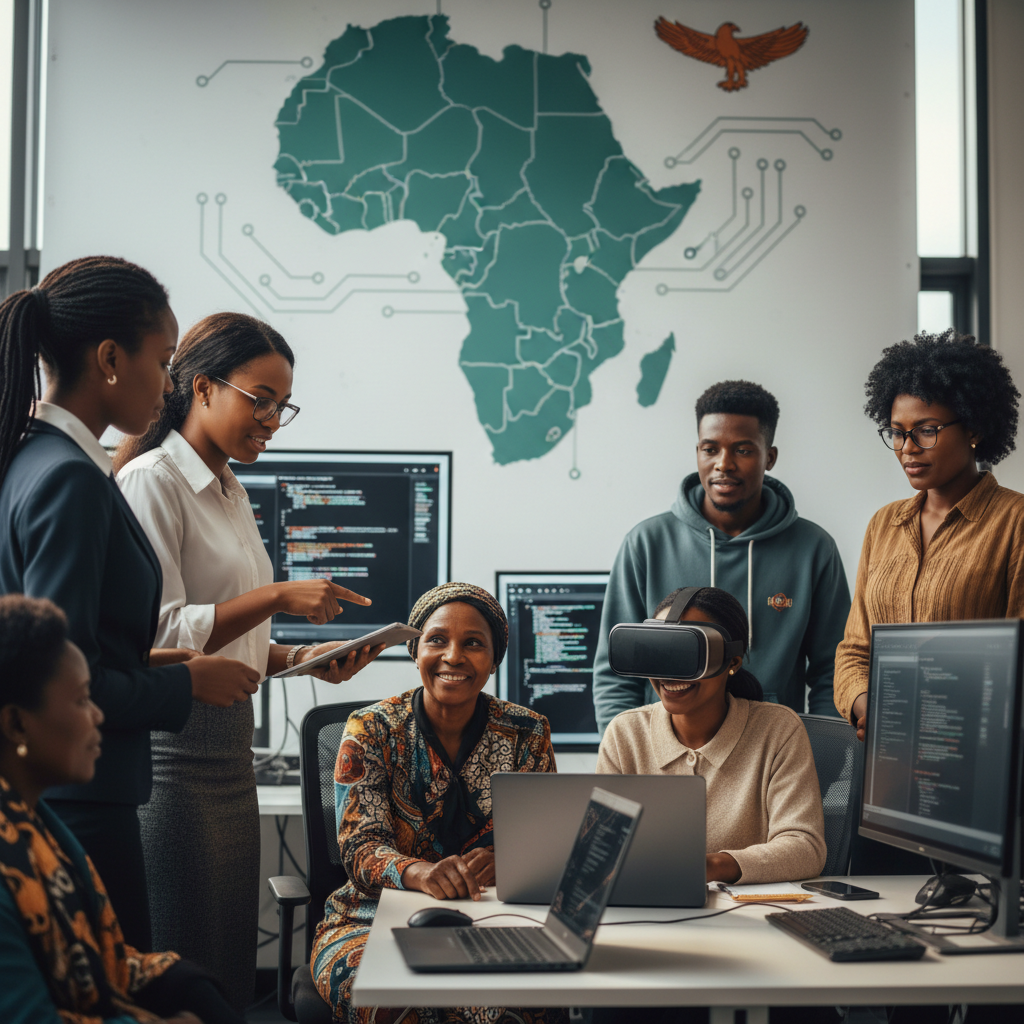
Zambia's AI Strategy: Bridging the Digital Gender Divide for Inclusive Growth
 Lindiwe Sibandà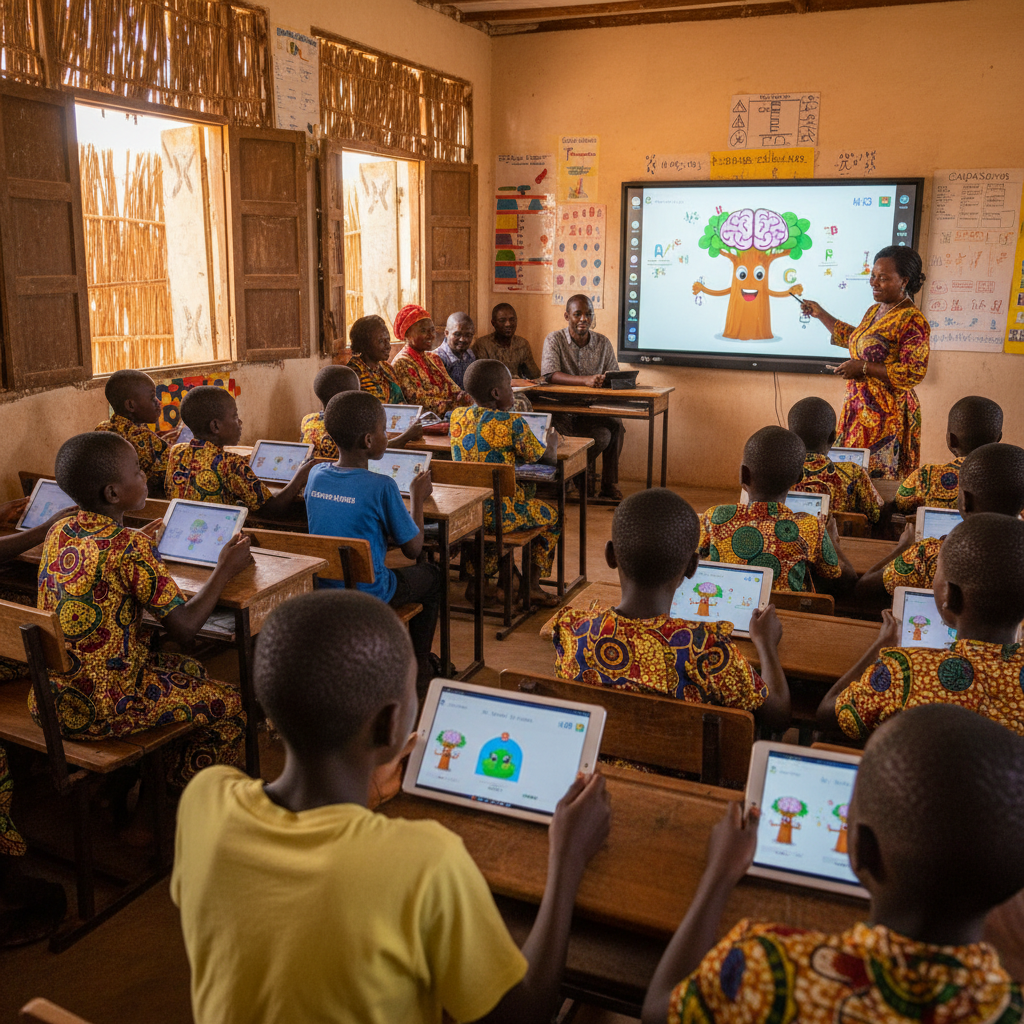
Burkina Faso Embraces AI for Education: A New Dawn for 'Bõnga' Learning
 Idrissà Ouédraogò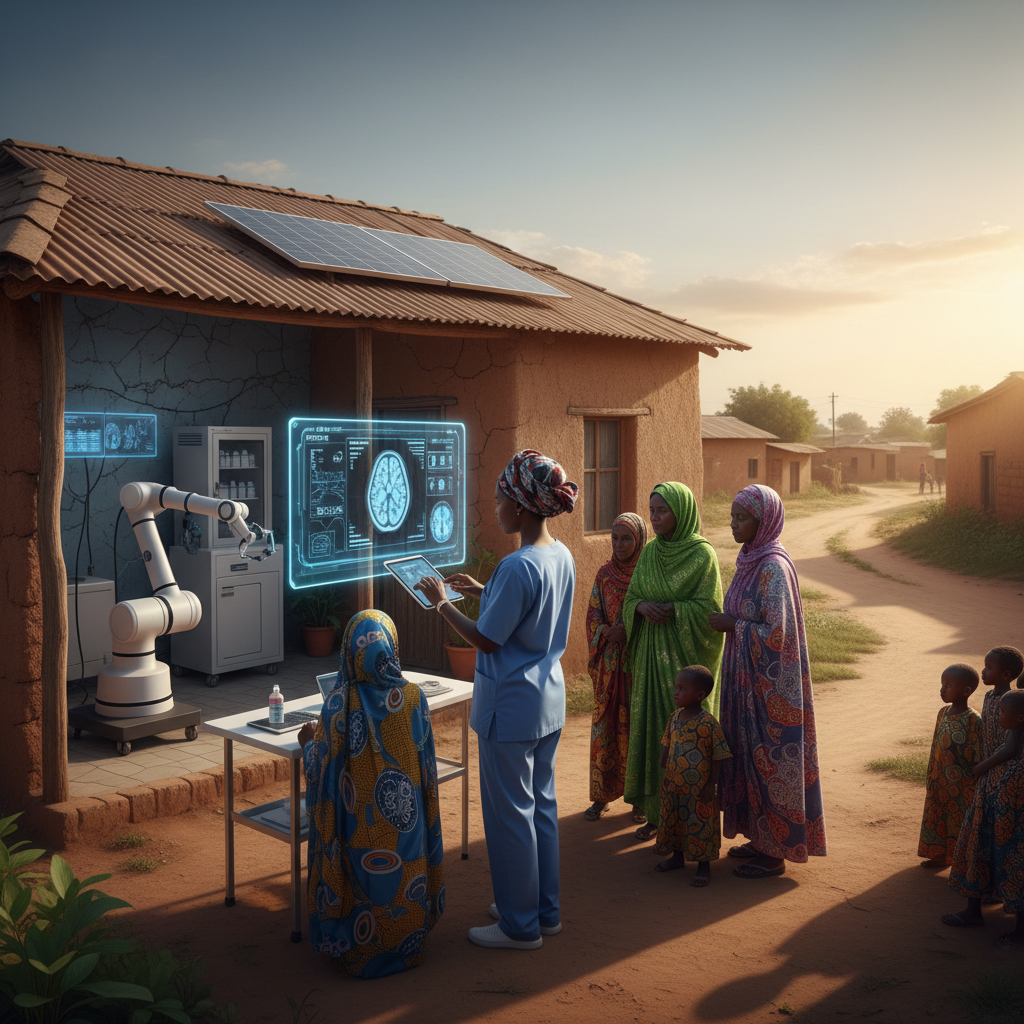
AI in Malian Healthcare: A Double-Edged Sword for Our Communities
 Mouhamadouù Bâ
AI 'Eyes' on the Field: Zimbabwe's Warriors Embrace Tech for Talent Scouting
 Zinhlée Khumàlo