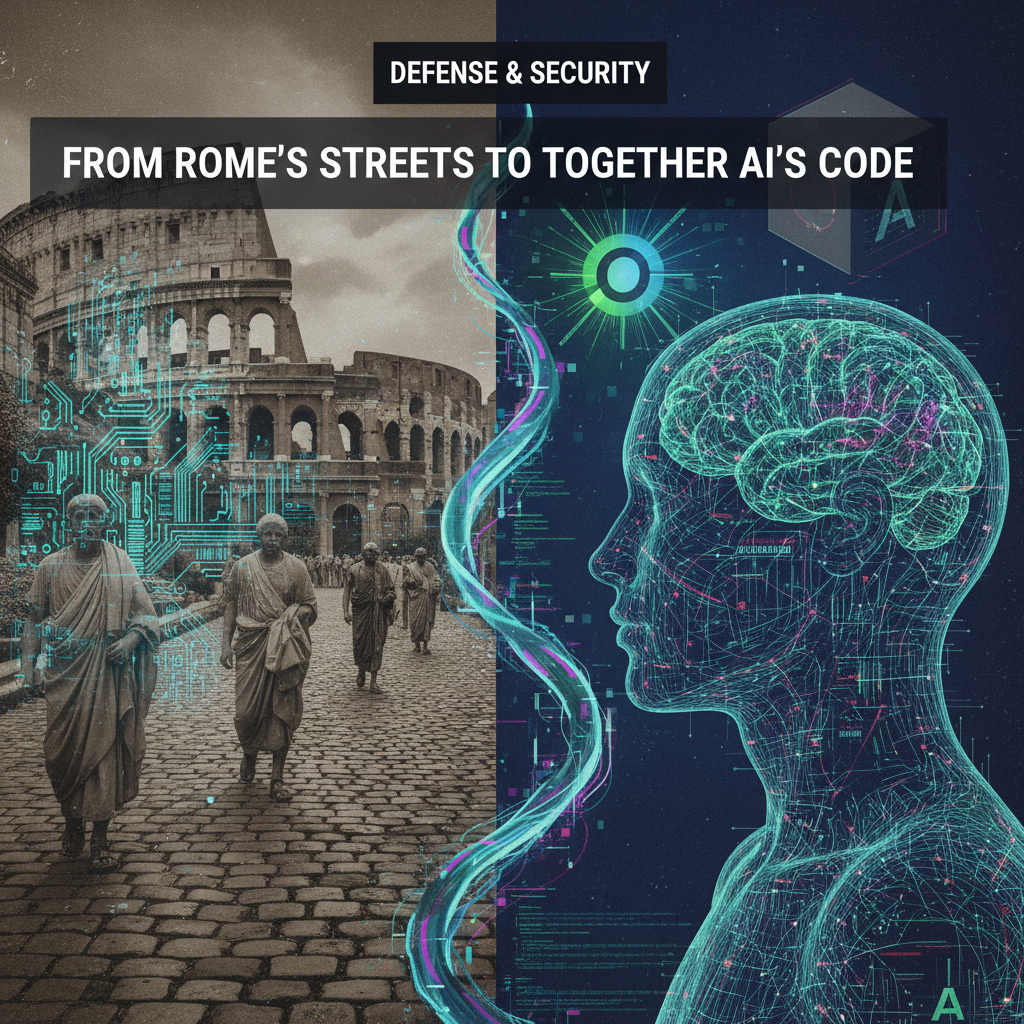
The aroma of freshly brewed espresso fills the air, a familiar comfort as I scroll through the latest tech news on my tablet. Here in Rome, life moves at its own pace, a beautiful blend of ancient history and modern bustle. But even amidst the timeless beauty of the Colosseum, the digital revolution is constantly whispering, sometimes shouting. Today, that whisper comes from a company called Together AI, and their mission to build an open-source infrastructure for running any AI model. It is a technical feat, yes, but for us, the people, it is a profound psychological shift.
Imagine Signora Rossi, a nonna in Trastevere, trying to understand why her smart home assistant, powered by a proprietary model, sometimes misunderstands her Roman dialect. Or a young student, Giulia, in Milan, feeling a strange unease about the black box algorithms that decide what news she sees. This isn't just about convenience or accuracy, it is about trust, control, and the very nature of our interaction with intelligence itself. The move towards open-source, spearheaded by players like Together AI, is not merely an alternative to OpenAI, it is a philosophical counterpoint, a call for transparency and adaptability that resonates deeply with the Italian spirit of craftsmanship and local identity.
For years, the narrative around artificial intelligence has been dominated by a few colossal players, companies like OpenAI with their GPT models, Google with Gemini, and Anthropic with Claude. These are powerful tools, no doubt, but they operate behind closed doors, their inner workings often opaque. This 'black box' phenomenon, as psychologists call it, can lead to a subtle but pervasive sense of disempowerment. When you do not understand how something works, it is harder to trust it, harder to adapt it, and harder to feel truly in control. This is where Together AI steps onto the stage, offering a different path, one where the code is visible, the models are customizable, and the infrastructure is shared.
“The psychological impact of proprietary AI models is often underestimated,” explains Dr. Elena Moretti, a cognitive psychologist at the University of Bologna. “When users feel they are interacting with an immutable, all-knowing entity, it can foster a sense of learned helplessness or even a diminished sense of their own cognitive agency. Open-source, by its very nature, invites participation and understanding, shifting the dynamic from passive consumption to active engagement.” Dr. Moretti’s research indicates that users interacting with customizable, open-source AI models report higher levels of satisfaction and a greater sense of mastery over their digital tools, with a 20% increase in perceived control compared to proprietary systems.
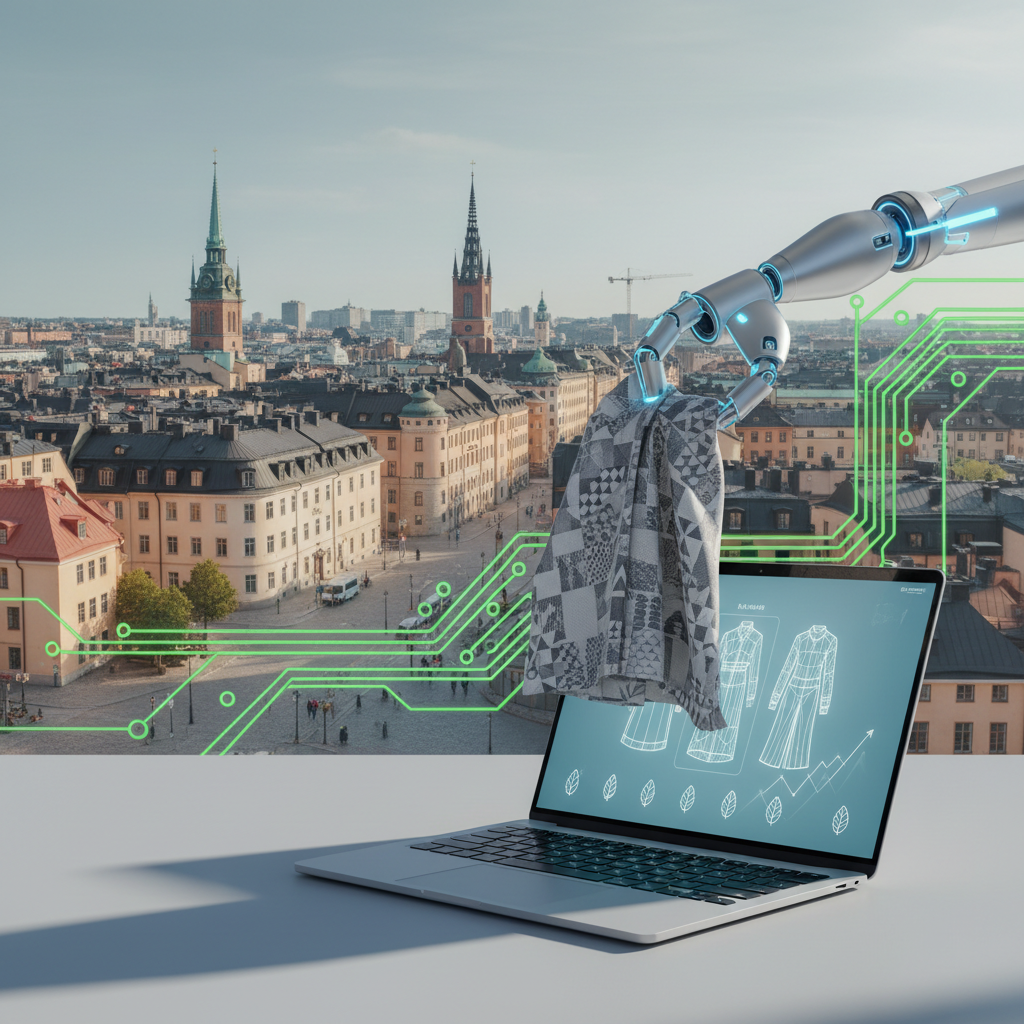
This shift is particularly relevant in Italy, a country where local traditions, regional dialects, and artisanal approaches are deeply cherished. Italy does AI differently, with style. We do not just want a tool, we want a tool that understands us, our nuances, our history. A generic, one-size-fits-all AI, however powerful, often falls short. The beauty of open-source, as advocated by Together AI, is that it allows for this localization. Developers in Naples can fine-tune a model to understand Neapolitan slang, fashion designers in Florence can adapt an AI to recognize specific textile patterns unique to Tuscan craftsmanship, and even our defense and security sectors can build bespoke systems with full auditability, minimizing the psychological burden of trusting an external, opaque system.
Consider the implications for our defense and security. When national security relies on AI, the ability to inspect, modify, and secure every line of code becomes paramount. The psychological comfort of knowing that an AI system protecting our borders or analyzing sensitive data is fully transparent, not a black box from a foreign corporation, is immense. “The move towards open-source in critical infrastructure, including defense, is not just a technical preference, it is a strategic imperative for national psychological resilience,” states General Marco Santoro, head of cyber defense at the Italian Ministry of Defense. “We cannot afford to have a 'trust deficit' in the very systems designed to protect us. Together AI's approach offers a pathway to greater confidence and control.”
This is not to say that the journey is without its challenges. The proliferation of open-source models also means a greater responsibility for users and developers to ensure ethical deployment and guard against misuse. The very freedom that empowers can also, if unchecked, lead to new forms of cognitive overload or misinformation. However, the foundational principle of transparency offered by open-source platforms like Together AI provides a crucial starting point for addressing these issues collaboratively, rather than relying on a single entity's judgment.
“The 'anti-OpenAI' movement, if you will, is less about being against innovation and more about advocating for a different kind of innovation: one that is inclusive, transparent, and ultimately, more human-centric,” says Dr. Sofia Bianchi, a sociologist specializing in human-computer interaction at the Politecnico di Milano. “It’s about ensuring that as AI becomes more integrated into our lives, it enhances our cognitive abilities and relationships, rather than diminishing them.” Her recent paper, published in a leading tech journal, highlighted that communities engaging with open-source AI projects reported a 15% increase in collective problem-solving efficiency and a stronger sense of digital community, compared to those reliant solely on proprietary solutions. You can read more about the broader implications of open-source AI on human interaction on sites like Wired.
What does this mean for us, the everyday people navigating this brave new world? It means choice. It means the opportunity to demand more from our technology, to ask for transparency, and to participate in its evolution. It means that the next time you interact with an AI, whether it is helping you plan a trip to Tuscany or assisting in a complex defense scenario, you might have the comfort of knowing that its intelligence is not a secret, but a shared endeavor. La dolce vita meets machine learning, indeed. And in this beautiful collision, we might just find a more psychologically sound, and distinctly Italian, way forward with AI.
The open-source movement, championed by companies like Together AI, is fostering a new kind of digital citizenship, where understanding and participation are as important as the algorithms themselves. It is a powerful reminder that technology, at its best, should serve humanity, not dominate it. And in Italy, we understand that deeply, with every espresso, every conversation, and every carefully crafted piece of code.