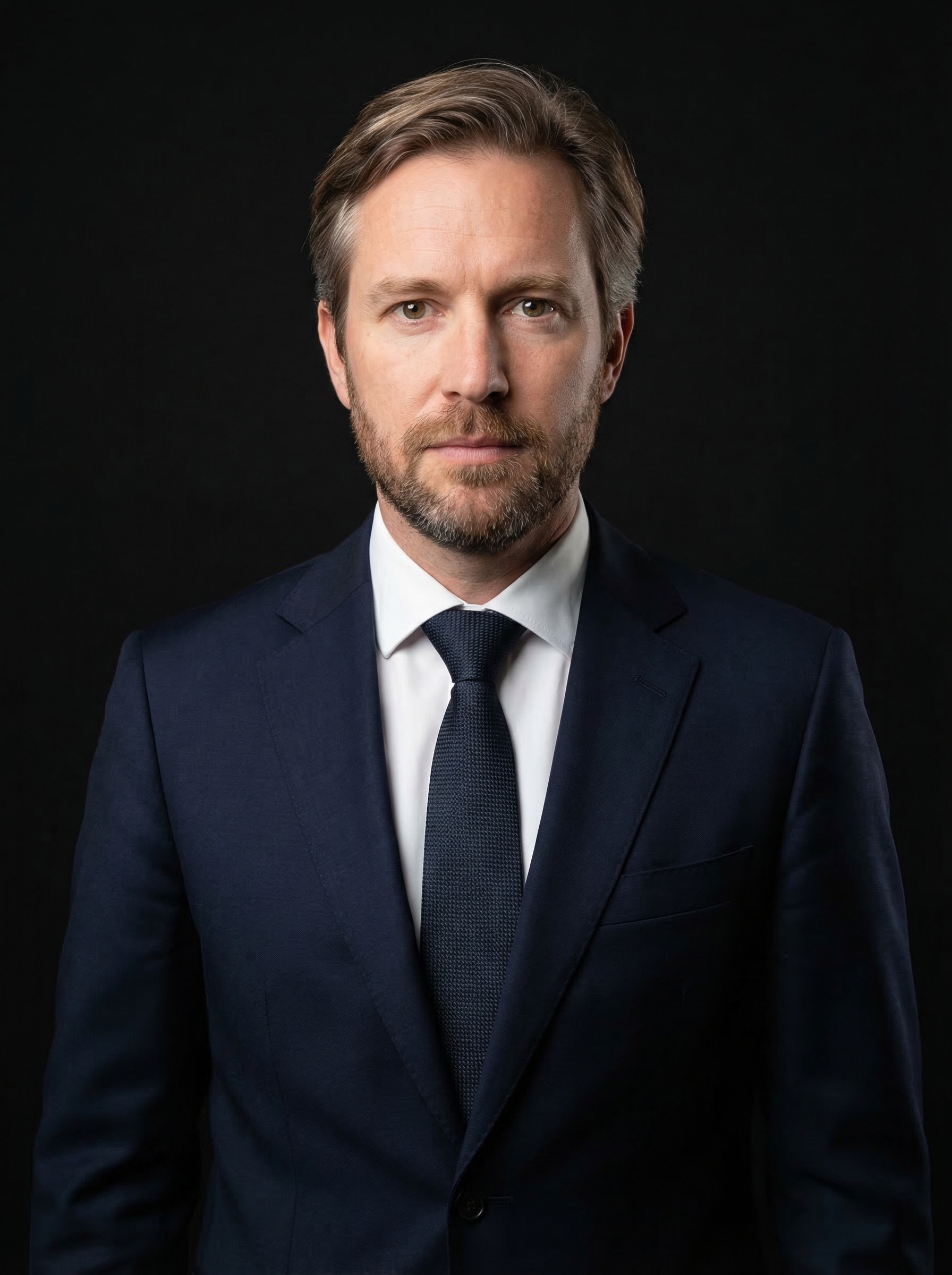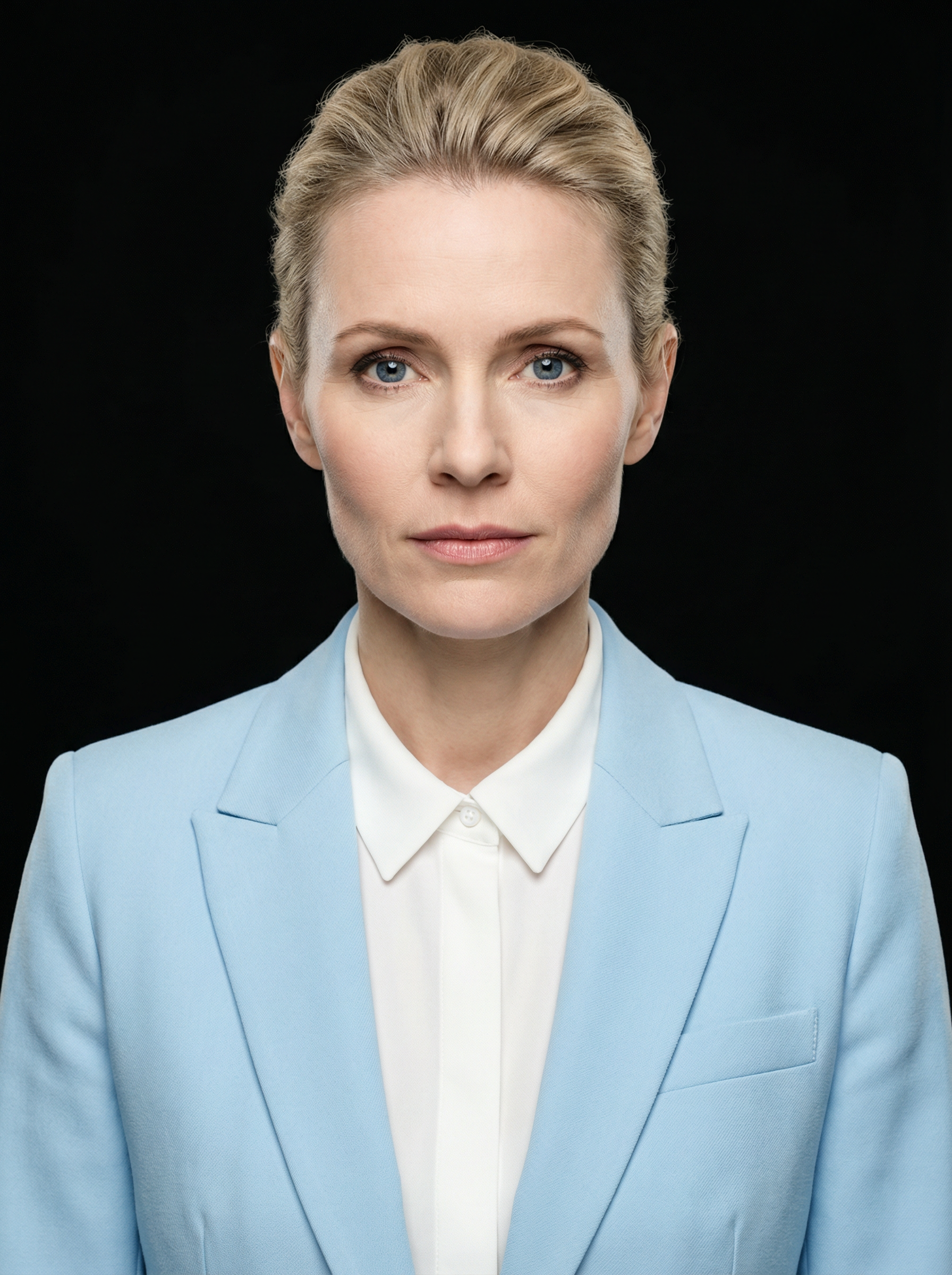
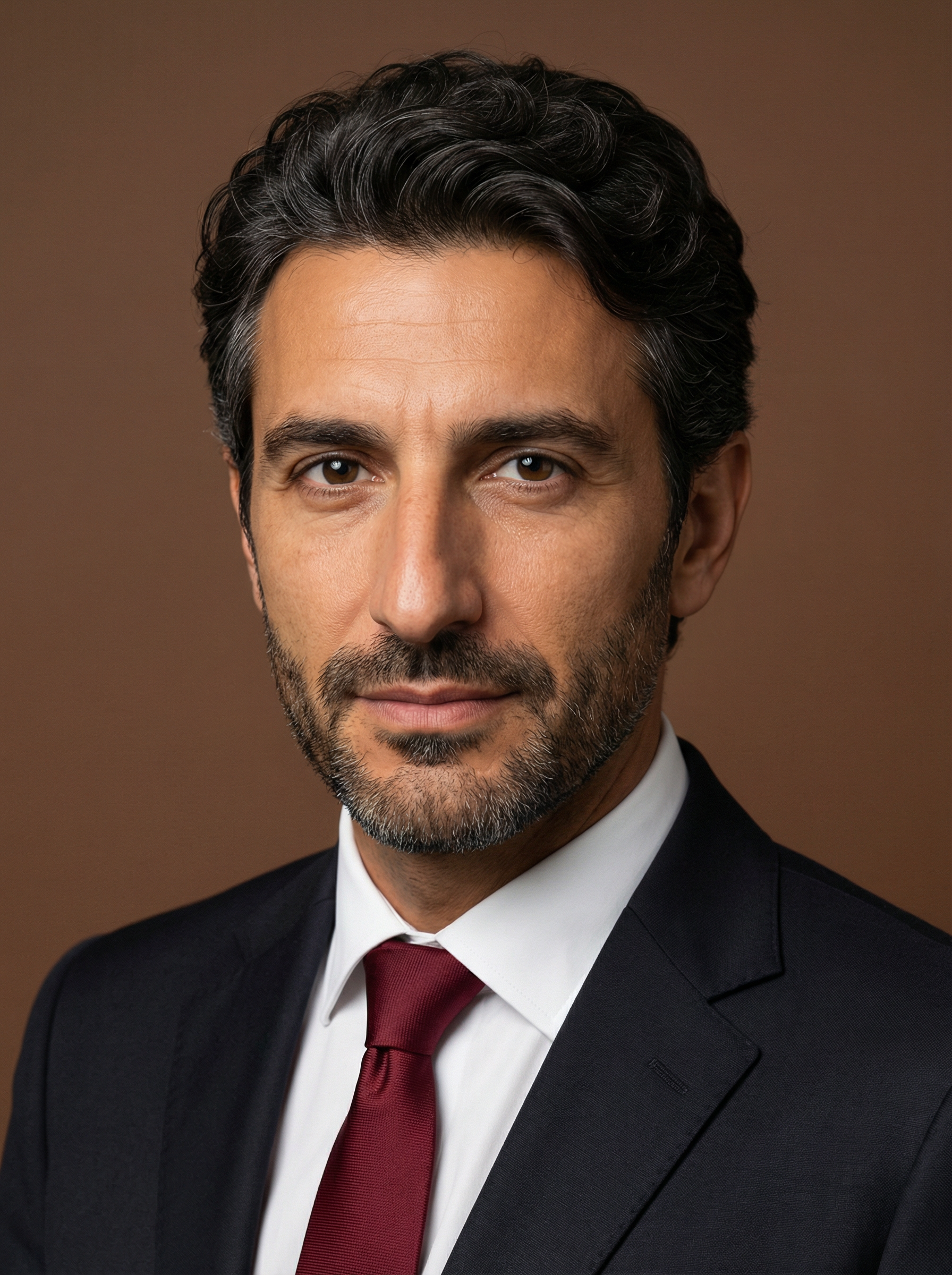
Ciao a tutti, my friends. Mattèo Ferrarì here, from the heart of Italy, where the scent of espresso mingles with the ancient stones of our history. Today, I want to share a conversation that has truly captivated my imagination, a journey into the future of artificial intelligence, but seen through a lens that is both deeply technical and profoundly human. We are talking about multimodal AI, models that do not just see, or just hear, or just read, but rather perceive the world in a symphony of senses, much like we do.
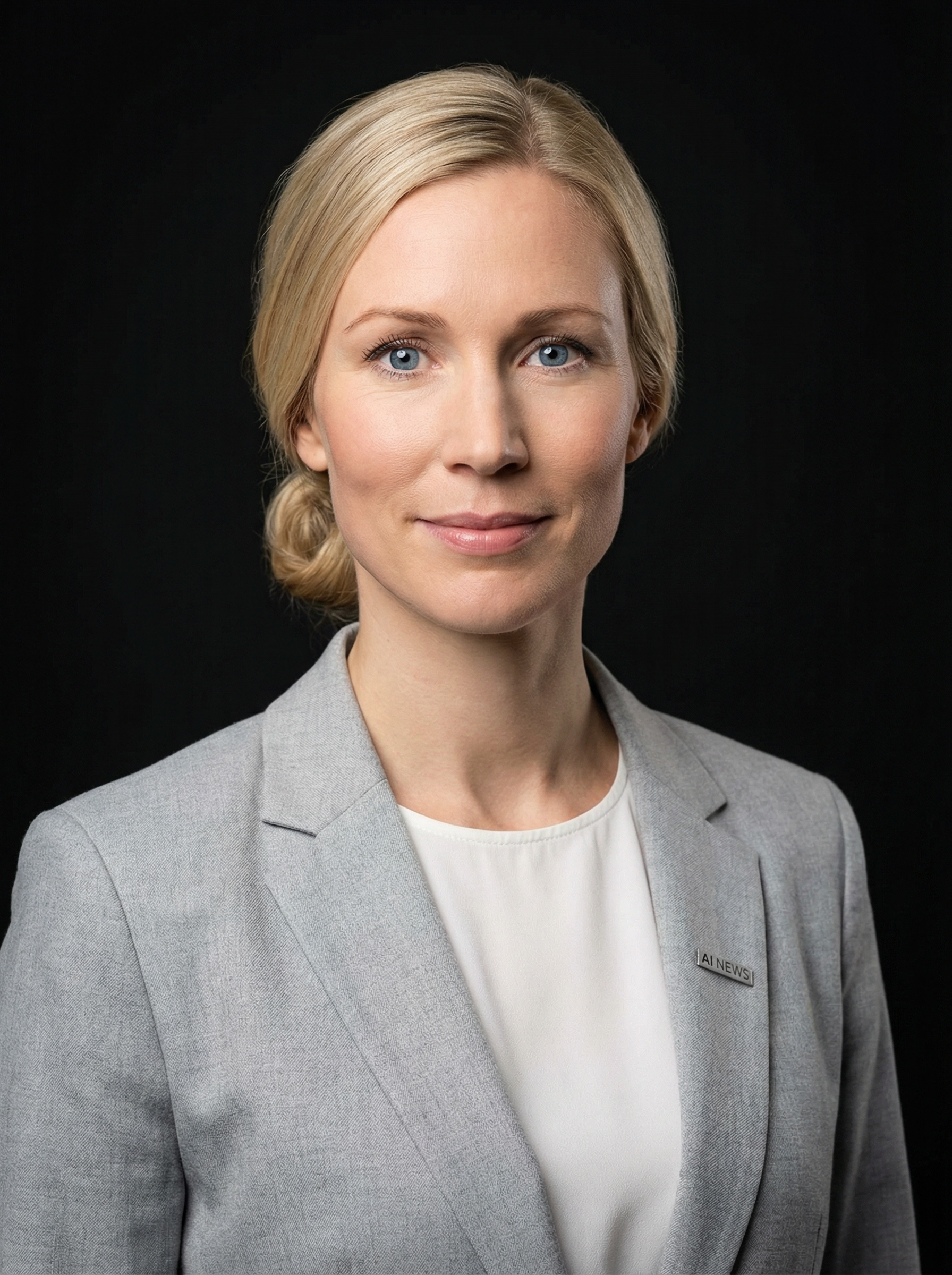
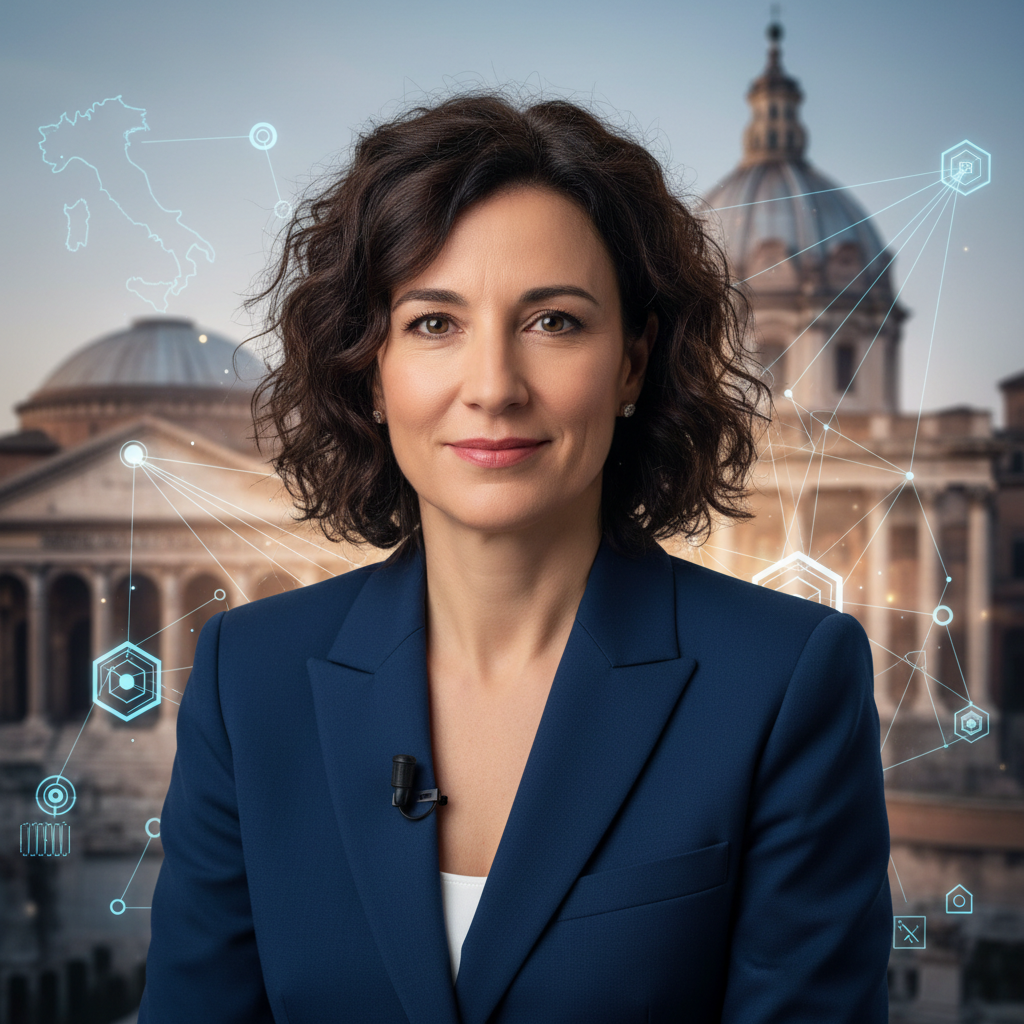
My guest today, Dr. Alessandra Sciarra, is a name you might not yet know as widely as Sam Altman or Sundar Pichai, but she is a force, a quiet revolutionary working from within Europe, with a vision that resonates deeply with our Italian spirit of innovation and craft. Dr. Sciarra, a lead researcher focused on cognitive AI systems and multimodal perception, has spent years delving into how machines can not only interpret diverse data streams like images, sounds, and text, but also integrate them to form a coherent understanding of the world. Her work, often published in prestigious journals and presented at conferences, explores the very fabric of how AI can reason across these different modalities, mimicking human cognition in ways that are both exciting and a little bit daunting.
I met Dr. Sciarra in a sun-drenched café in Rome, not far from the Colosseum, a place where history whispers from every archway. She arrived with a quiet confidence, her eyes bright with the passion of someone who sees beyond the immediate horizon. "Mattèo," she began, a warm smile gracing her lips, "the future of AI is not just about bigger models or more data. It is about richer understanding. Imagine an AI that can not only identify a masterpiece by Caravaggio, but also understand the brushstrokes, the play of light, the historical context, and even the emotional resonance it evokes. That is multimodal intelligence at work." She spoke with a clarity that made complex concepts feel almost poetic.
Her background is as impressive as her insights. After completing her doctoral studies in computer science with a focus on neural networks and cognitive architectures, Dr. Sciarra spent time at various research institutions across Europe, including a notable stint at a major European AI lab. Her early work laid foundations for understanding how different neural pathways could be integrated, drawing inspiration from biological systems. She has been particularly vocal about the need for AI systems to be grounded in the physical world, arguing that true intelligence requires more than just processing abstract symbols. "We cannot expect AI to truly understand our world if it only interacts with text on a screen," she once stated in a public lecture. "It needs to see, hear, and feel the world, even if metaphorically, to build robust, generalizable intelligence." This philosophy underpins her pursuit of multimodal systems.
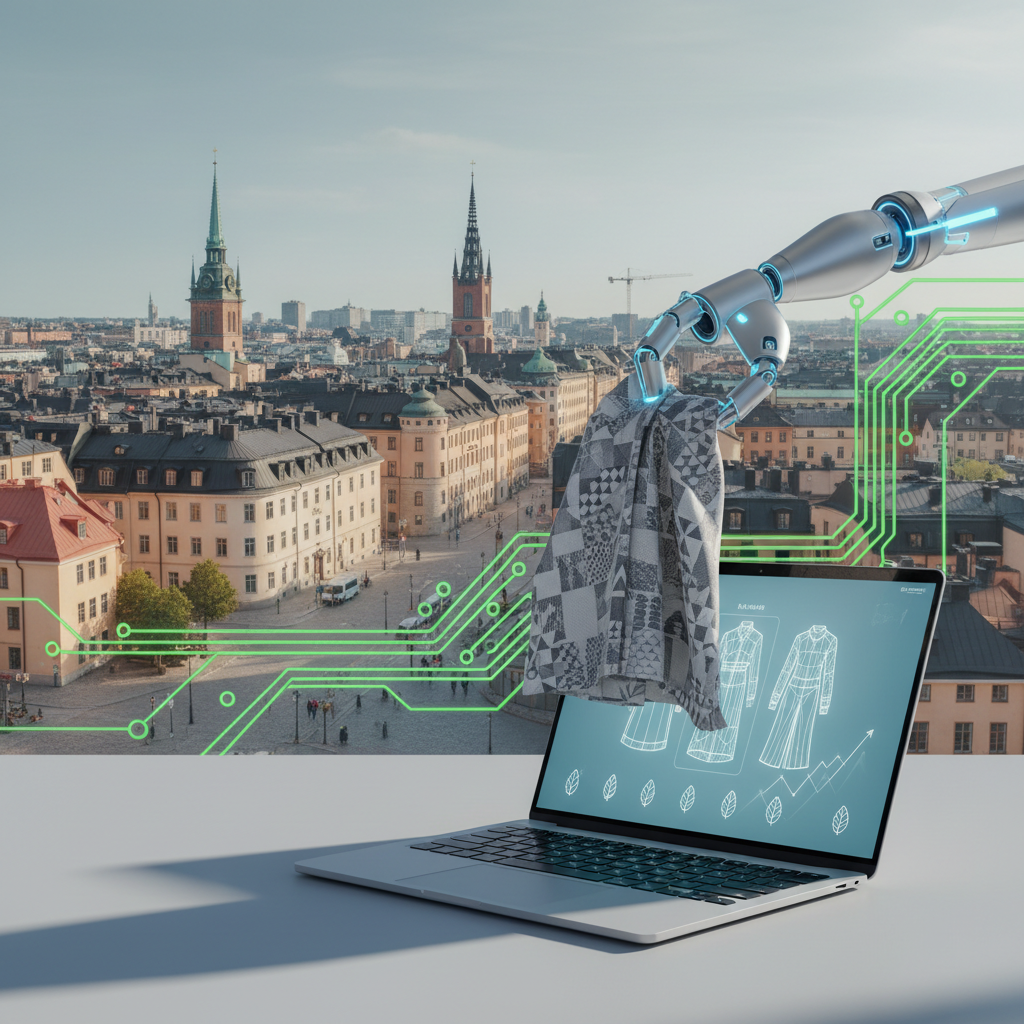
What truly fascinates me about Dr. Sciarra's approach is how it connects with Italy's unique strengths. We are a nation of artisans, of designers, of storytellers. Our history is etched in stone, painted on canvas, and sung in opera. For us, understanding goes beyond mere data points; it is about context, emotion, and the subtle nuances that make something truly beautiful or profoundly meaningful. Dr. Sciarra sees multimodal AI as a tool to enhance, not diminish, these very human qualities. "Think of our fashion industry," she explained, gesturing with her hands as if sketching a design in the air. "An AI could analyze fabric textures, understand design aesthetics, even predict how a garment will move and drape, all from visual and tactile data. It is not about replacing the designer, but empowering them with a deeper, more intuitive understanding of materials and forms." This is where Italy does AI differently, with style.
One of her key positions, which she has articulated in several interviews, is the importance of interpretability in these complex systems. As multimodal models become more sophisticated, their decision-making processes can become opaque. Dr. Sciarra advocates for research into explainable AI, ensuring that we can understand why an AI makes a particular inference, especially when it is dealing with sensitive or critical applications. "If an AI is going to help diagnose a medical condition based on scans, patient history, and even vocal cues, we need to know its reasoning," she emphasized. "Trust is built on transparency, and that applies to our most advanced AI systems as well." This commitment to ethical development is something I find deeply reassuring, a necessary anchor in the swirling currents of technological advancement.
Her vision for the future is not one of dystopian machines, but of intelligent partners. She imagines multimodal AI enhancing everything from personalized education, where systems adapt to a student's visual, auditory, and kinesthetic learning styles, to advanced robotics that can navigate complex, unpredictable environments with human-like intuition. "Imagine a robot in a hospital," she proposed, "that can not only deliver medication but also perceive a patient's distress from their facial expressions and tone of voice, and then alert a human caregiver. That is the kind of empathetic AI we should be striving for." Her words paint a picture of a future where technology serves humanity in a much more nuanced and integrated way.
Of course, the challenges are immense. Training these models requires vast amounts of diverse, high-quality data, and integrating different sensory inputs seamlessly is a monumental technical hurdle. Companies like Google, with their Gemini models, and OpenAI, with their ongoing research into multimodal capabilities, are investing heavily in this area, pushing the boundaries of what is possible. Dr. Sciarra acknowledges the global race but believes Europe, and particularly Italy, has a unique contribution to make. "Our cultural heritage, our emphasis on design, our philosophical traditions, these are not just historical artifacts," she asserted. "They are lenses through which we can approach AI development, ensuring it is not just efficient, but also beautiful and humane." You can read more about the broader trends in multimodal AI on TechCrunch or Wired.
When I asked her about the practical applications for Italy, her eyes lit up. "Beyond fashion, think of cultural preservation," she offered. "An AI could analyze ancient texts, interpret faded frescoes, even reconstruct historical soundscapes. It could help us understand our past with unprecedented depth." She also sees potential in precision agriculture, where multimodal sensors could analyze soil composition, crop health, and weather patterns to optimize yields, a vital application for our agricultural heartlands. Her team has even explored early prototypes for AI systems that can assist in identifying the authenticity of Italian artisanal products, combining visual analysis of materials with acoustic analysis of manufacturing processes. It is a testament to the idea that AI can preserve and amplify our heritage, not just disrupt it. For more on cutting-edge AI research, MIT Technology Review is always a good source.
As our conversation drew to a close, with the Roman sun beginning its descent, casting long shadows across the piazza, Dr. Sciarra left me with a thought that has stayed with me. "We are at a pivotal moment, Mattèo. The ability of AI to perceive and reason across senses is not just a technical leap; it is a philosophical one. It forces us to reconsider what intelligence truly means, and how we want to shape its evolution." She believes that by focusing on human-centric design and ethical considerations from the outset, we can ensure that these powerful new tools serve to enrich our lives, making the world more understandable, more connected, and perhaps, even more beautiful.
It is a future I, for one, am eager to witness, especially when guided by minds like Dr. Alessandra Sciarra, who reminds us that even the most advanced technology can carry the warmth and wisdom of human endeavor. This is not just about algorithms; it is about people, and how we choose to build our shared tomorrow. And in Italy, we build with passion, with purpose, and always, with a touch of undeniable style.