The sun rises over Moorea, painting the lagoon in hues of turquoise and jade, a sight that never fails to stir my soul. Here, life moves to the rhythm of the tides, and our connection to the fenua, the land, and the moana, the ocean, is profound. But even in this paradise, we face challenges, particularly when it comes to health. We are often at the front lines of climate change impacts, and our unique ecosystems hold secrets that could benefit all of humanity, if only we knew how to unlock them.
This is where the whispers of technology, specifically artificial intelligence, start to sound like the rustle of pandanus leaves in a gentle breeze, carrying a message of hope. For years, the journey from a promising molecule to a life-saving drug has been a marathon, fraught with false starts, immense costs, and agonizing delays. We are talking about a process that traditionally takes 10 to 15 years and can cost billions of dollars. But what if I told you that AI is now cutting these timelines from years to months, fundamentally reshaping the pharmaceutical landscape?
It sounds like something out of a science fiction novel, doesn't it? Yet, it is happening right now, driven by advancements in computational power and sophisticated algorithms. Companies like NVIDIA, known for their powerful GPUs that once primarily fueled gaming and cryptocurrency, are now at the heart of this revolution. Their hardware and software platforms are enabling researchers to simulate molecular interactions, predict drug efficacy, and identify potential candidates at speeds unimaginable just a few years ago. Jensen Huang, NVIDIA's CEO, has often spoken about the transformative power of accelerated computing. “AI is the most powerful technology force of our time,” he stated recently, “and it is accelerating scientific discovery across every domain, including drug development.” This sentiment echoes across the scientific community, where the potential is being realized faster than many predicted.
Think about it: the human body is an incredibly complex system, and diseases are even more so. Finding a drug that targets a specific pathway without causing harmful side effects is like finding a particular grain of sand on a vast beach. Traditional methods involve painstaking laboratory experiments, trial and error, and a lot of waiting. AI, however, can sift through astronomical amounts of data, analyzing protein structures, genetic information, and chemical compounds with unparalleled speed. It can predict how a molecule might bind to a target protein, how it might behave in the body, and even optimize its structure for better performance.
One of the most exciting developments comes from the realm of generative AI, similar to the large language models we see creating text and images. These models are now being trained on vast datasets of chemical structures and biological interactions. They can design new molecules from scratch, rather than just screening existing ones. This is a paradigm shift. Instead of searching for a needle in a haystack, AI is helping us create the perfect needle. DeepMind, Google's AI research arm, made headlines with AlphaFold, a program that accurately predicts protein structures, a fundamental step in understanding diseases and designing drugs. This capability alone has been hailed as a monumental breakthrough in biology, and its implications for drug discovery are still being fully explored.
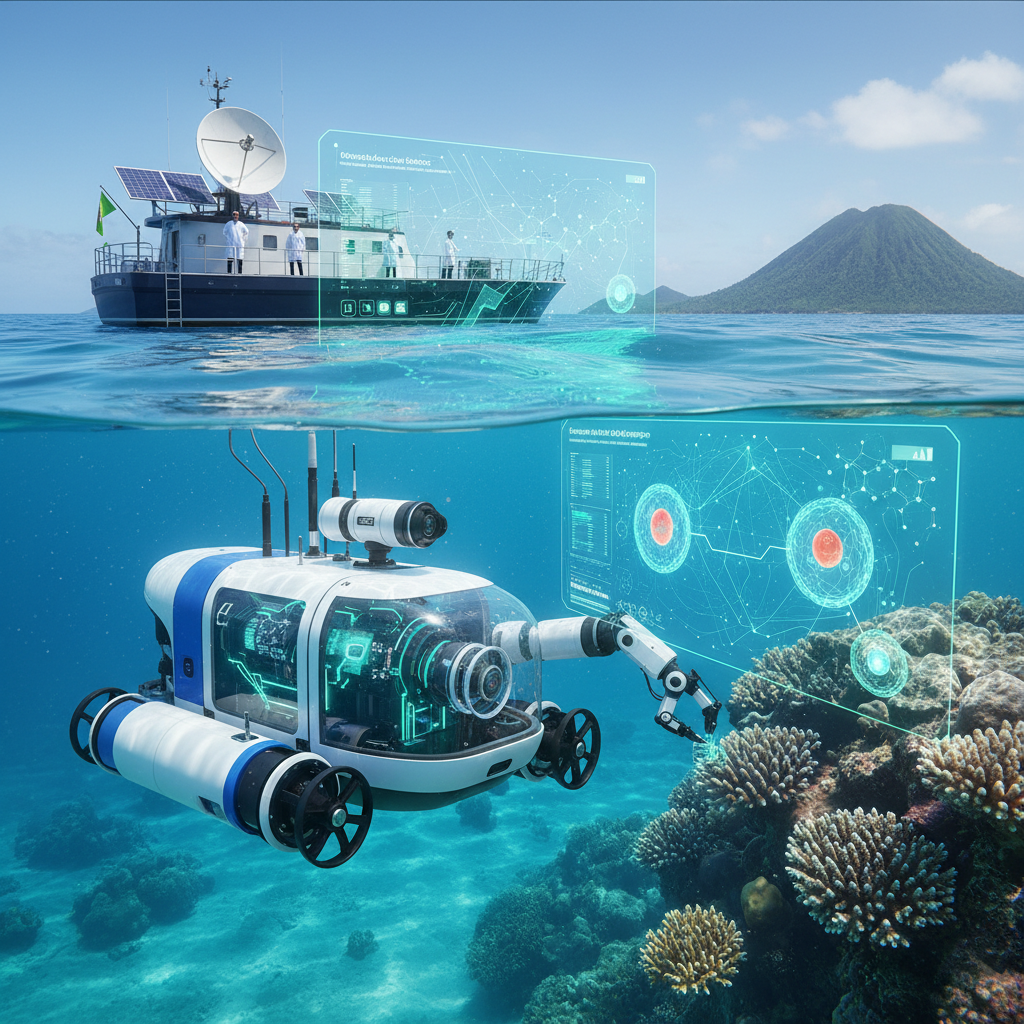
For us in the Pacific, technology takes a different form. We often think of AI in terms of conservation or climate modeling. But the health implications are profound. Our islands, with their unique biodiversity, are home to plants and marine life that have been used in traditional medicine for generations. Imagine if AI could help us understand the active compounds in a tiare flower or a particular seaweed, rapidly identifying their medicinal properties and developing them into modern treatments. This isn't just about big pharma in distant lands; it is about local knowledge meeting global technology.
Dr. Vaitiare Teuru, a marine biologist from the University of French Polynesia, shared her perspective with me over a cup of coffee at the market. “Our ocean is a treasure trove of undiscovered compounds,” she explained, her eyes sparkling with passion. “For centuries, our ancestors have known this. Now, with AI, we have the tools to analyze these complex natural products, to understand their mechanisms, and potentially develop new drugs right here. It means we can leverage our heritage for global health, and for our own people.” Her words resonate deeply, reminding me that the ocean connects us and so does AI, bridging ancient wisdom with cutting-edge science.
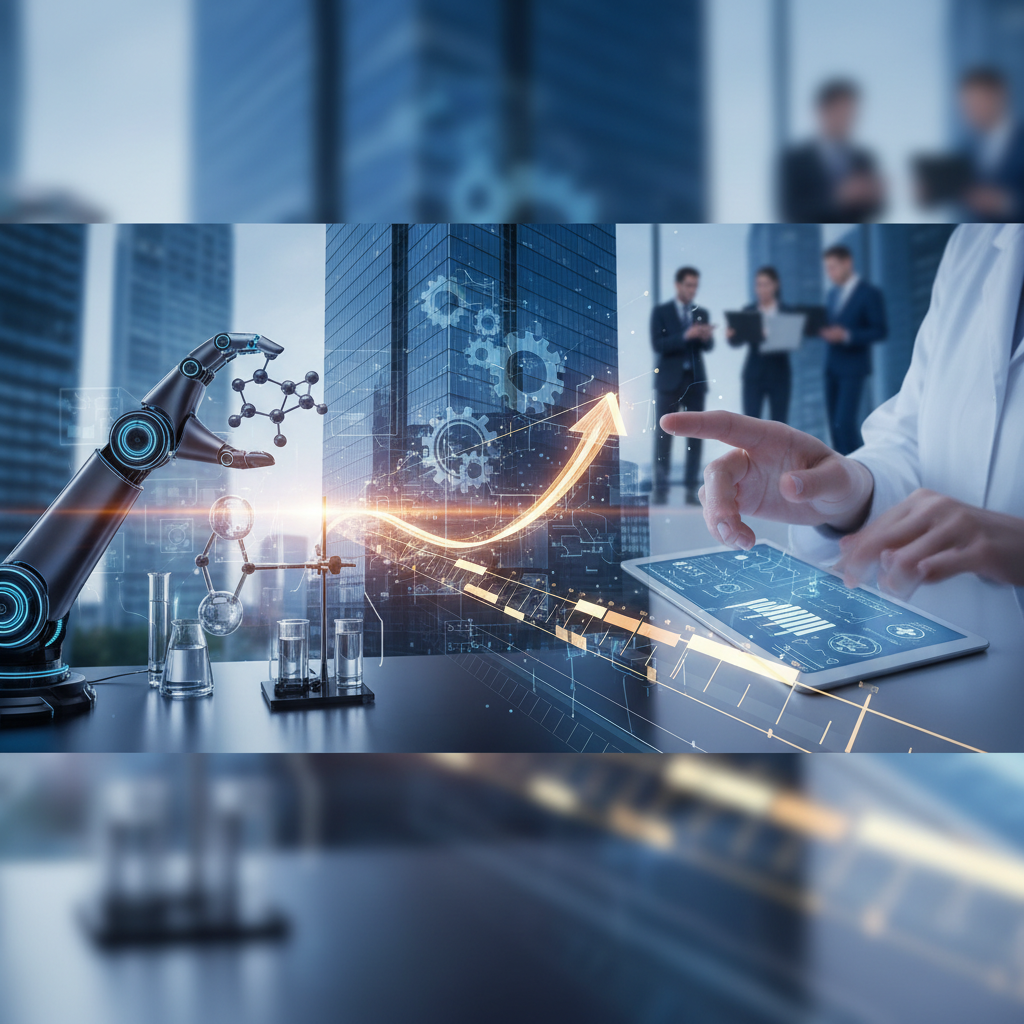
Companies like Recursion Pharmaceuticals are leading the charge, using AI and automation to map human biology and accelerate drug discovery. They combine machine learning with robotics to run millions of experiments, generating massive datasets that their AI models then learn from. This integrated approach allows them to identify potential drug candidates for a wide range of diseases, including rare conditions that often receive less attention from traditional pharmaceutical companies due to the high cost and low market return. According to a recent report in TechCrunch, Recursion has already advanced several AI-designed therapies into clinical trials, a testament to the speed and efficiency of this new paradigm.
The implications for global health equity are also significant. The cost and time savings offered by AI could make life-saving treatments more accessible, particularly for neglected tropical diseases or conditions prevalent in developing nations. While the initial investment in AI infrastructure is substantial, the long-term potential for reducing R&D costs could democratize access to medicine. This is a story about paradise and pixels, where the digital revolution could bring tangible benefits to the very real challenges faced by communities like ours.
Of course, challenges remain. The regulatory landscape for AI-designed drugs is still evolving, and ethical considerations surrounding data privacy and algorithmic bias must be carefully navigated. Ensuring the safety and efficacy of these rapidly developed treatments is paramount. But the momentum is undeniable. The pharmaceutical industry, traditionally slow to adopt radical change, is now embracing AI with open arms. Major players like Pfizer and Novartis are investing heavily in AI partnerships and in-house capabilities, recognizing that this is not just an incremental improvement, but a fundamental shift in how drugs are discovered and developed.
As I watch the sun dip below the horizon, casting long shadows across the lagoon, I feel a sense of cautious optimism. The promise of AI, of speeding up the search for cures, is a powerful one. For islands like ours, where access to specialized medical care can be challenging and unique health issues persist, this technology offers a glimmer of hope. It reminds us that innovation, even when born in distant labs and powered by complex algorithms, can ultimately touch lives in the most remote corners of the world, fostering a healthier future for all. The journey is long, but with AI as our guide, perhaps the path to healing will be a little shorter, a little brighter. For more on the broader impact of AI on healthcare, you might want to explore articles on MIT Technology Review.
This convergence of advanced AI and biology is not just a scientific curiosity; it is a humanitarian imperative. The ability to rapidly identify and develop treatments for diseases, whether common or rare, has the potential to alleviate immense suffering globally. And for us, living amidst the delicate balance of our island ecosystems, it offers a pathway to not only protect our health but also to honor and leverage the natural wonders that surround us. The future of medicine is here, and it is powered by intelligence, both human and artificial. The waves of change are reaching our shores, bringing with them the promise of a healthier tomorrow.