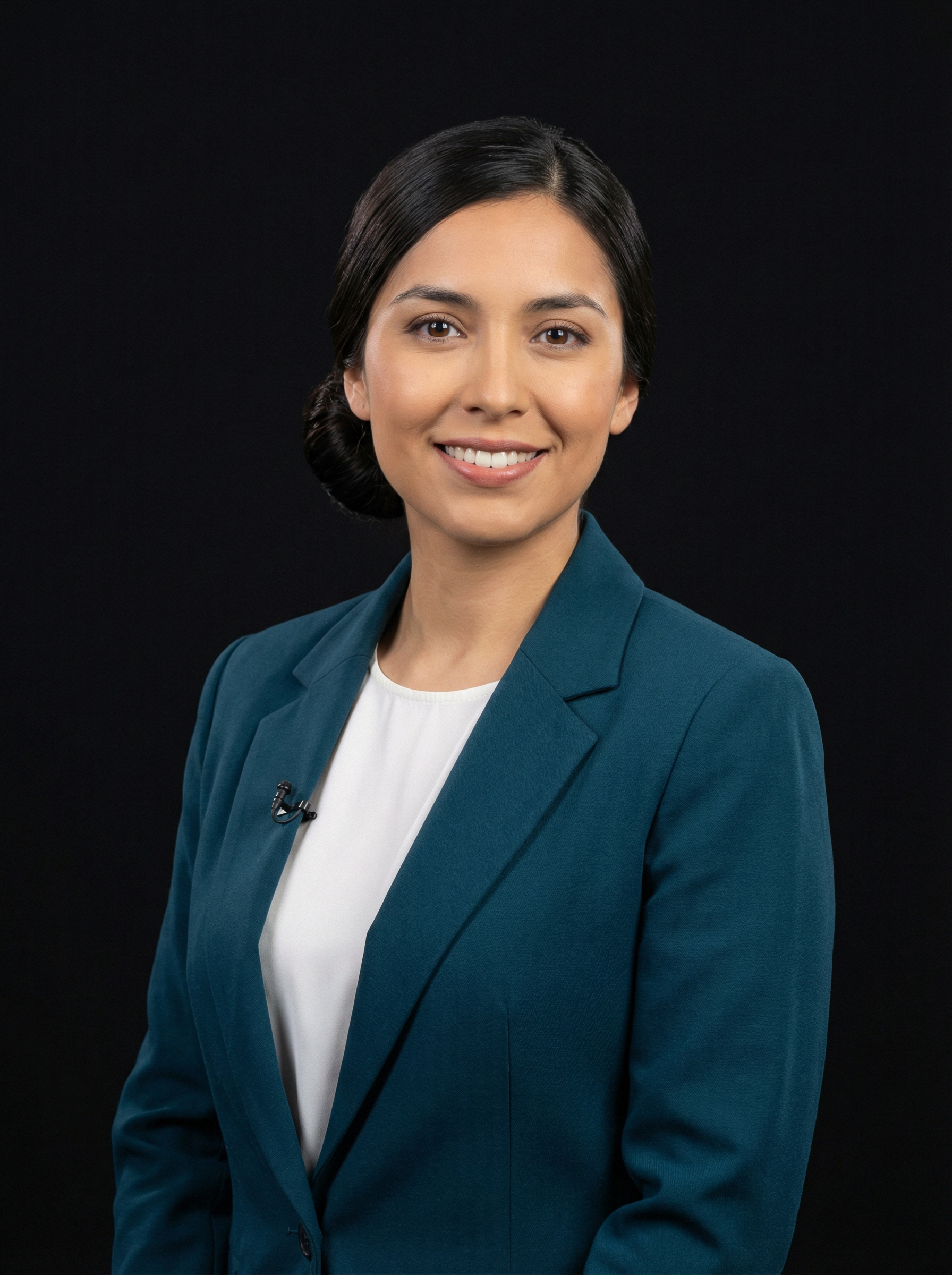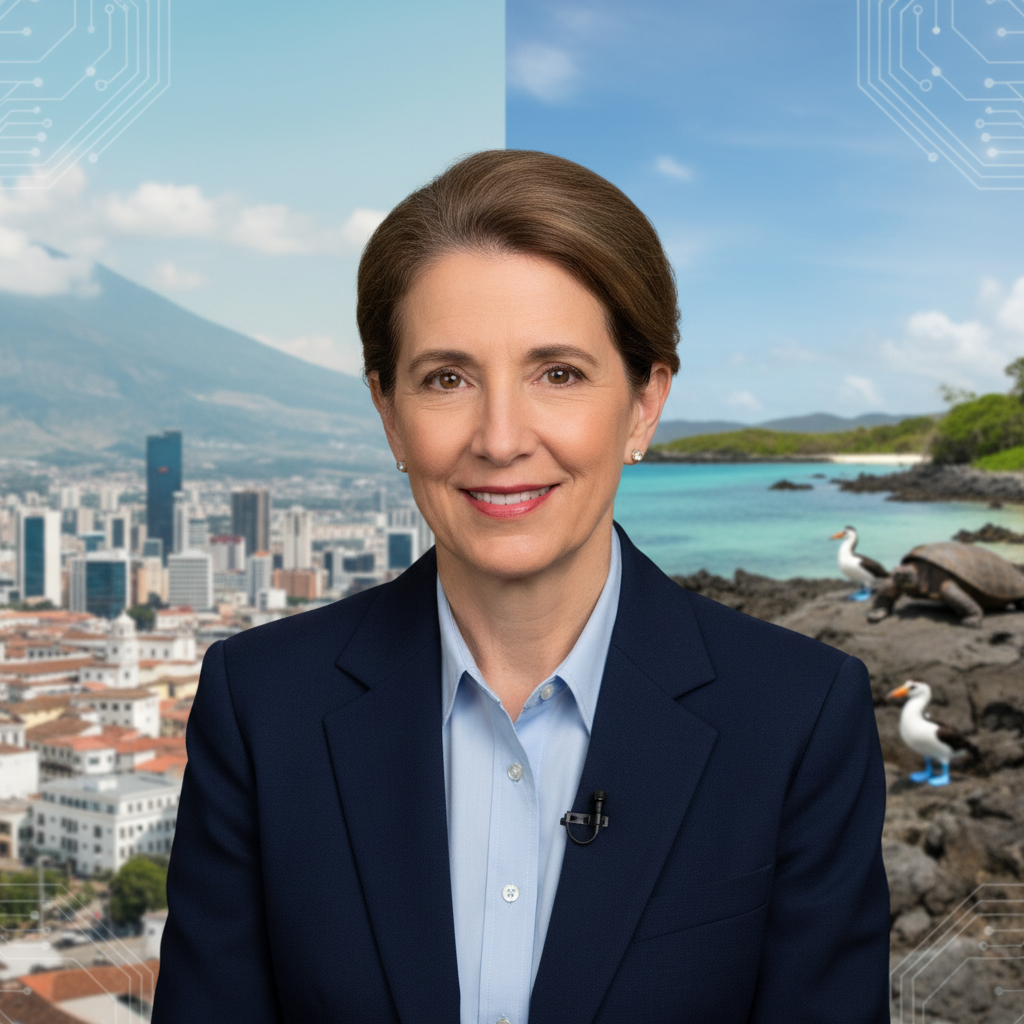

¡Hola, mis amigos! Mariànnà Sanchèz here, bubbling with excitement from the heart of Ecuador, ready to dive into a topic that truly touches us all: our minds, our emotions, and how artificial intelligence is stepping in to offer a helping hand. We live in a world that moves at lightning speed, a digital whirlwind where our mental well-being often struggles to keep pace. But what if the very technology that sometimes overwhelms us could also be our greatest ally in finding peace and understanding? This is not a distant dream, my friends, it is the vibrant reality being shaped by pioneers like Dr. Rosalind Picard, the brilliant mind behind Affective Computing at MIT. Her work is nothing short of revolutionary, a true Galápagos of technology where innovation meets empathy, and I am thrilled to share her vision with you.
Dr. Picard, a Professor of Media Arts and Sciences at MIT and the founder and director of the Affective Computing Research Group at the MIT Media Lab, has dedicated her career to teaching computers to understand, express, and even simulate human emotions. Imagine that! For decades, the focus of AI was pure logic, cold hard data, but Dr. Picard saw a deeper truth: emotions are not just noise, they are data, rich and complex, holding the keys to human experience. Her vision is about creating technology that is not just smart, but emotionally intelligent, a true companion in our journey through life. It is a concept that resonates deeply with me, especially living in a culture like Ecuador's, where connection and understanding are woven into the very fabric of our communities.
Her journey began with the realization that for AI to truly serve humanity, it needed to grasp the nuances of our inner world. In her seminal book, Affective Computing, she laid the groundwork for an entirely new field, arguing that if computers are to be truly intelligent, they must possess the ability to recognize, interpret, process, and simulate human affects. This isn't about replacing human therapists, no, not at all, but about augmenting our capacity for self-awareness and providing support in moments when human connection might be scarce or difficult to access. Think of it as a digital mirror, reflecting our emotional states back to us, helping us to understand ourselves better.
One of the most compelling applications of affective computing lies in mental health. Dr. Picard has been a vocal advocate for the potential of AI to assist in diagnosing and managing conditions like depression, anxiety, and even autism. She has spoken extensively about how subtle cues, often missed by the human eye, can be picked up by intelligent systems. For example, changes in voice tone, facial expressions, or even typing patterns can offer valuable insights into a person's emotional state. As she once articulated, and I paraphrase from her numerous public appearances, "If we want computers to be truly intelligent, they must be able to understand human emotion. It's not just about making them more user-friendly, it's about making them more human-aware." This sentiment echoes in the work of companies developing mental health applications, where AI is being deployed to analyze user input and provide personalized support.
Consider the rise of therapy chatbots, a topic that sparks both hope and healthy debate. While no algorithm can replace the profound empathy of a human therapist, these digital companions can offer immediate, accessible support, especially in regions where mental healthcare resources are scarce. In Ecuador, for instance, access to specialized mental health services can be a challenge, particularly in rural areas or for indigenous communities. Imagine a culturally sensitive AI companion, trained on local dialects and customs, offering initial support and guidance, perhaps even connecting individuals to human professionals when needed. This is where Ecuador's biodiversity meets AI and it's magical, creating solutions tailored to our unique needs and cultural tapestry.
Dr. Picard's research extends beyond simple recognition. Her group has developed wearable sensors that can monitor physiological signals like heart rate, skin conductance, and body temperature, which are often indicators of emotional arousal. These devices, combined with sophisticated algorithms, can detect patterns associated with stress, frustration, or excitement. This real-time, objective data can empower individuals to understand their emotional triggers and develop coping strategies. It is like having a personal emotional coach, always there, always observing, always ready to help you navigate your inner world.
She has also emphasized the ethical considerations paramount to this field. Privacy, bias, and the potential for misuse are concerns she addresses directly. "We have to be very careful with how we use this technology," Dr. Picard stated in a 2023 interview with MIT Technology Review, "The goal is to empower people, not to surveil them or manipulate them. Transparency and user control are absolutely essential." This commitment to ethical development is crucial, especially as AI becomes more integrated into our personal lives. We must ensure that these tools are built with compassion and respect for human dignity at their core.
Beyond therapy chatbots, the implications for addiction recovery are equally profound. Algorithms can analyze behavioral patterns, identify early warning signs of relapse, and provide timely interventions. Imagine an AI companion that learns your unique triggers and offers personalized strategies to manage cravings or avoid high-risk situations. This proactive approach could be a game-changer, offering continuous support that complements traditional therapy. The potential for digital wellness platforms, powered by affective computing, to foster greater self-awareness and emotional regulation is immense.
Looking to the future, Dr. Picard envisions a world where technology is designed to enhance our emotional intelligence, not diminish it. She sees AI not just as a tool, but as a partner in understanding the most complex and beautiful aspects of being human. Her work is a testament to the idea that technology can be a force for good, a catalyst for healing and connection. As she often says, "The future of AI is not just about making machines smarter, it's about making them wiser, and that wisdom must include emotional intelligence." This is a future I, Mariànnà, am incredibly excited about, a future where technology helps us build stronger, more empathetic communities, from the bustling markets of Quito to the serene shores of the Galápagos.
The journey to integrate AI meaningfully into mental health is ongoing, with significant research and development still ahead. Companies like Woebot Health, for instance, are already deploying AI-powered conversational agents for mental health support, demonstrating the practical applications of these theories. Their work, and that of many others, is a direct continuation of the path Dr. Picard illuminated decades ago. The conversation around ethical AI deployment, data privacy, and the human element will continue to evolve, and it is a conversation we must all be a part of. The promise, however, of a future where technology helps us understand and nurture our emotional landscapes, is a vision worth pursuing with all our hearts. For more insights into the broader ethical landscape of AI, you might find this article on AI ethics documentary quite illuminating. It is a complex dance between innovation and responsibility, but one that I believe we are ready to lead, here in Ecuador and across the globe. The algorithms are learning, and so are we, hand in hand, towards a future where technology truly cares.