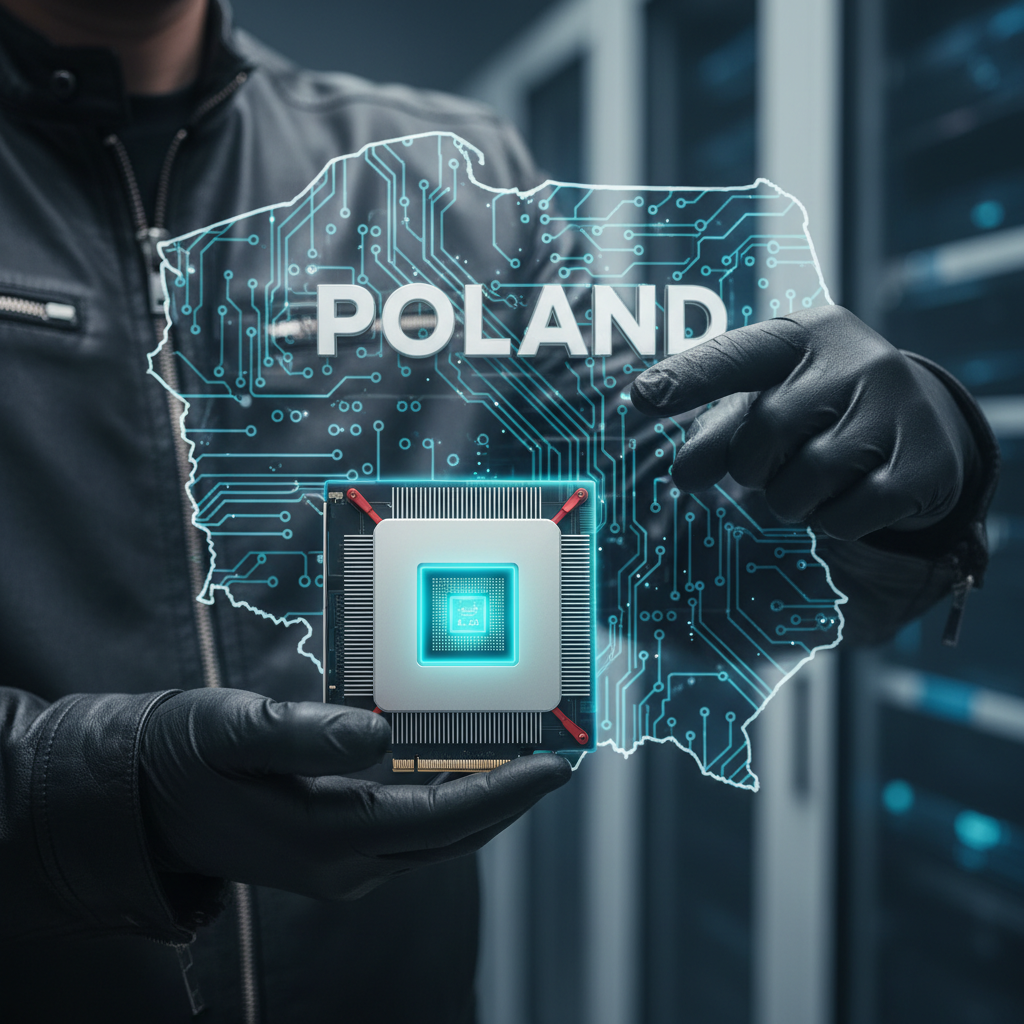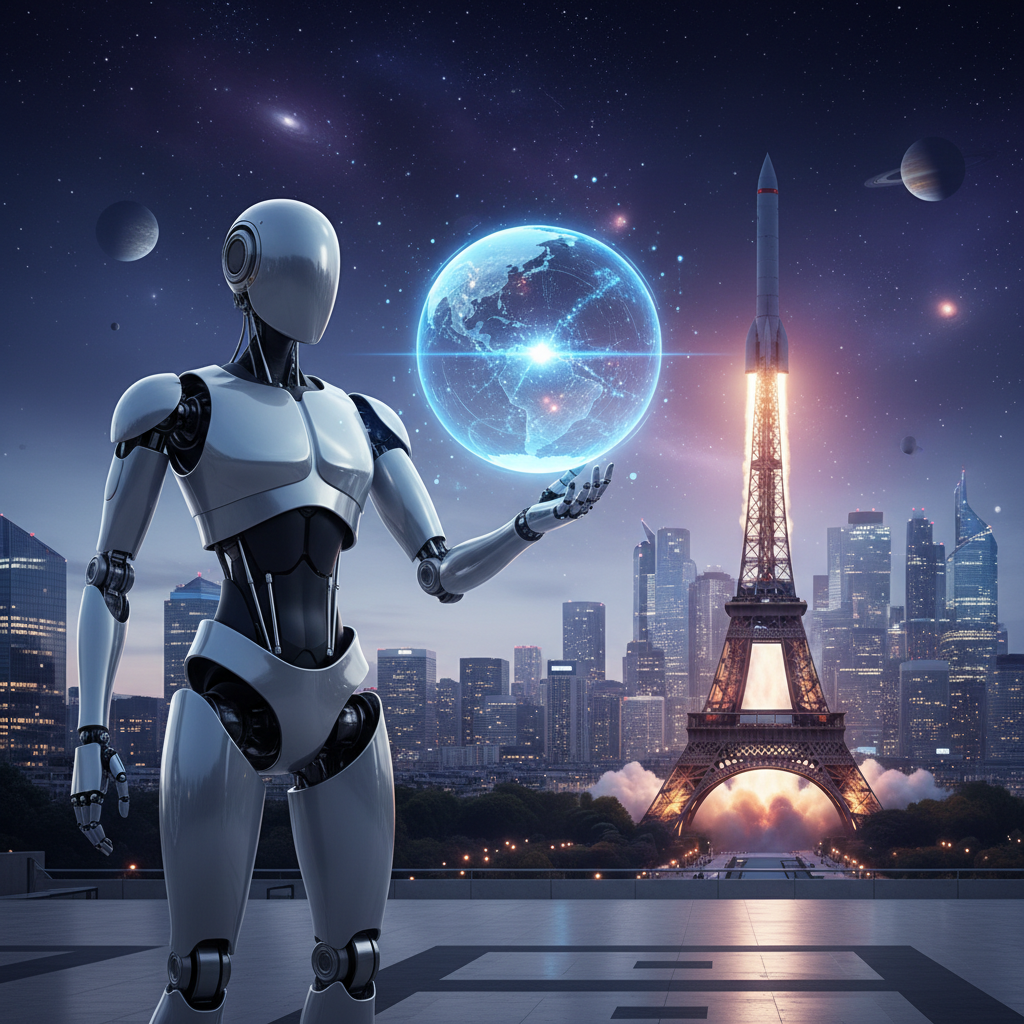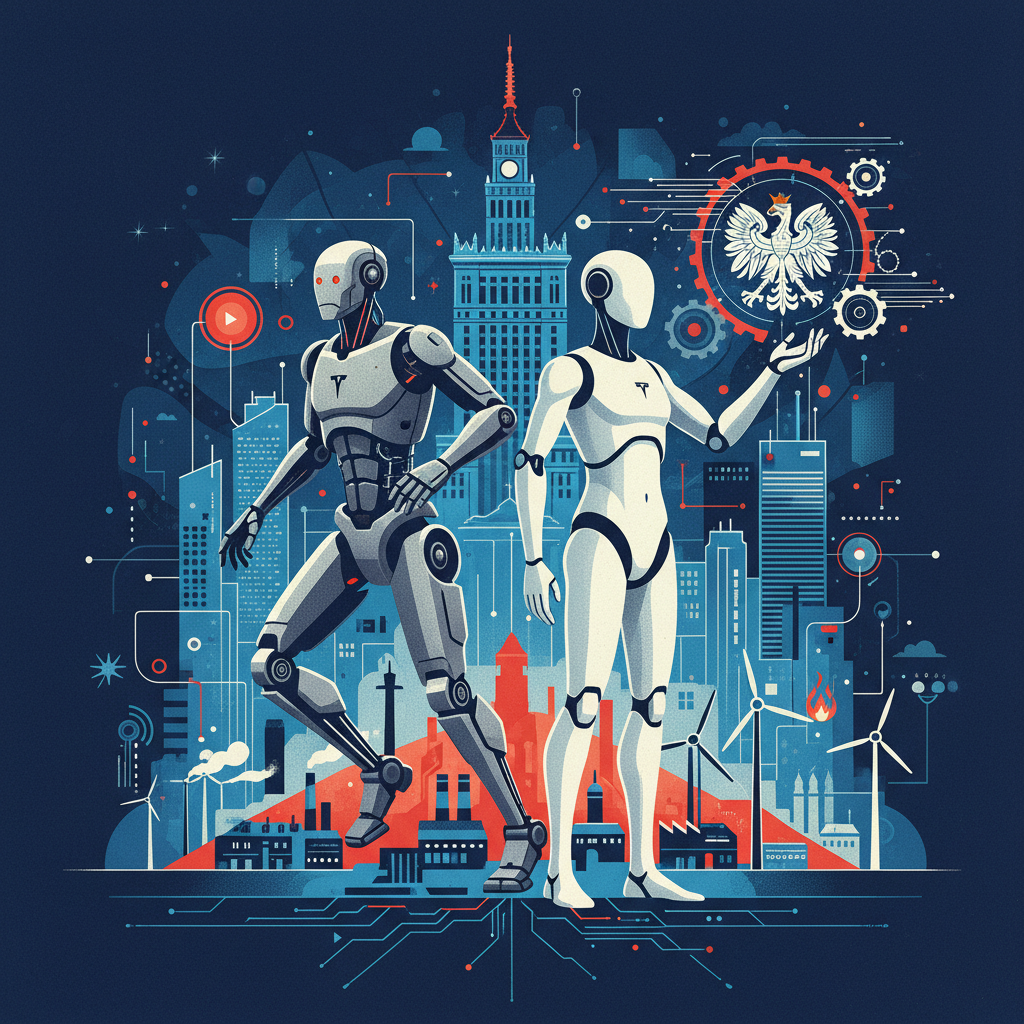

The hum of machinery, the scent of fresh bread, the organized chaos of a bustling warehouse. These are the sounds and smells of human endeavor, but what if I told you that soon, a new kind of worker will be adding their own unique rhythm to this symphony? I am talking about humanoid robots, friends, and let me tell you, their arrival in our factories, restaurants, and retail stores is not some distant dream. It is happening now, and I, Agnieszka Kowalskà, am absolutely bursting with excitement about it, especially for what it means for my beloved Poland.
For too long, the narrative around automation has been tinged with fear, a fear of job displacement, a fear of the unknown. But I see something different. I see an opportunity, a liberation from repetitive, dangerous, or simply unfulfilling tasks. Imagine a world where no human has to risk their life in a hazardous factory environment, where no one has to endure the back-breaking labor of stocking shelves late into the night. This is not a dystopian vision, it is a vision of progress, of human flourishing, enabled by our incredibly clever creations.
Companies like Boston Dynamics with their astonishing Atlas robot, and Tesla with the much-anticipated Optimus, are not just building machines; they are sculpting the future of labor. Atlas, with its incredible agility and balance, has already shown us what is possible, performing parkour and complex manipulation tasks that once seemed impossible for a machine. Optimus, while still in earlier stages of development, promises to bring a more general-purpose, cost-effective humanoid to the market, designed for a wide array of tasks. These aren't just industrial arms bolted to a floor; these are mobile, adaptable, and increasingly intelligent entities.
I recently spoke with Dr. Marek Kowalski, a leading robotics expert at the Warsaw University of Technology, who shared my enthusiasm. “The advancements in perception, dexterity, and AI integration mean these robots are no longer confined to cages,” he explained. “They can navigate complex, unstructured environments alongside humans, learning and adapting. This is a game-changer for industries struggling with labor shortages and demanding physical tasks.” He highlighted how Poland, with its strong engineering tradition and burgeoning tech sector, is perfectly poised to become a hub for humanoid robot deployment and development. Indeed, Poland's tech talent is Europe's best-kept secret, and we are ready for this.
Consider the manufacturing sector, a cornerstone of the Polish economy. From automotive plants to electronics assembly, there is a constant demand for efficiency and precision. Humanoid robots can work tirelessly, performing repetitive tasks with unwavering accuracy, reducing errors, and increasing output. This does not mean humans are out of a job; it means humans can shift to higher-value roles, overseeing robot fleets, programming new tasks, or innovating new processes. It is about augmentation, not replacement.
And what about retail? Imagine a department store where Optimus robots assist customers, retrieve items from high shelves, or even manage inventory in the backroom. Or a restaurant kitchen, where a humanoid can handle the monotonous prep work, allowing human chefs to focus on culinary creativity and customer service. This is not just about cost savings; it is about elevating the human experience, both for workers and consumers.
Of course, I hear the whispers of doubt, the concerns about job losses. It is a valid fear, one that has accompanied every major technological revolution. From the Luddites to the rise of personal computers, each wave of innovation has sparked anxieties. But history teaches us that while some jobs transform or disappear, new ones always emerge, often more fulfilling and intellectually stimulating than those they replaced. The key is adaptation, education, and foresight.
We must anticipate these shifts and invest in reskilling our workforce. The European Union, with its focus on digital transformation, is already laying the groundwork for this. Programs like 'Digital Poland' are crucial for ensuring our citizens have the skills needed for the jobs of tomorrow. We need to embrace lifelong learning, fostering a culture where continuous education is the norm, not the exception. This is where our universities, vocational schools, and even private tech companies in Poland must step up, offering accessible training in robotics maintenance, AI programming, and human-robot interaction.
Another common concern is the cost. Humanoid robots, especially early models, are not cheap. However, as with all technology, prices will fall as production scales and capabilities improve. Just look at the trajectory of industrial robots over the past few decades. What was once an astronomical investment is now a standard fixture in many factories. Tesla's stated goal for Optimus is to make it affordable enough for widespread adoption, potentially costing less than a car. This is a significant indicator of their ambition to democratize robotic labor.
Furthermore, the return on investment goes beyond mere labor cost savings. Think about the reduction in workplace injuries, the ability to operate 24/7, and the consistent quality of work. These factors contribute significantly to a company's bottom line and overall competitiveness. For Polish companies, embracing this technology could mean a significant boost in global market standing.
I recently read a fascinating piece on TechCrunch discussing the rapid evolution of AI models that power these robots. The progress in areas like reinforcement learning and large language models means robots can understand complex commands, learn from demonstrations, and even communicate more naturally. This cognitive leap is what truly differentiates the current generation of humanoids from their clunkier predecessors. It is not just about physical ability, it is about intelligent autonomy.
This is why I believe the arrival of humanoid robots is not something to dread, but to celebrate. It is an opportunity to build a more productive, safer, and ultimately more human-centric society. It allows us to offload the drudgery, freeing up human potential for creativity, innovation, and genuine connection. Warsaw is the new Berlin, not just for startups, but for embracing the future of work with open arms.
We have a chance, right here in Poland, to be at the forefront of this revolution. We have the talent, the drive, and the historical resilience to adapt and thrive. Let us not shy away from this future, but instead, seize it with both hands, or perhaps, with both robotic grippers. The age of the humanoid worker is upon us, and I, for one, cannot wait to see what incredible things we will build together, humans and robots alike. It is going to be magnificent.